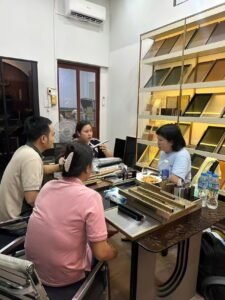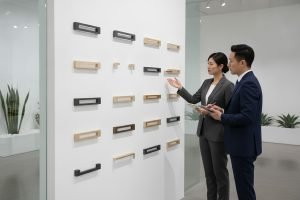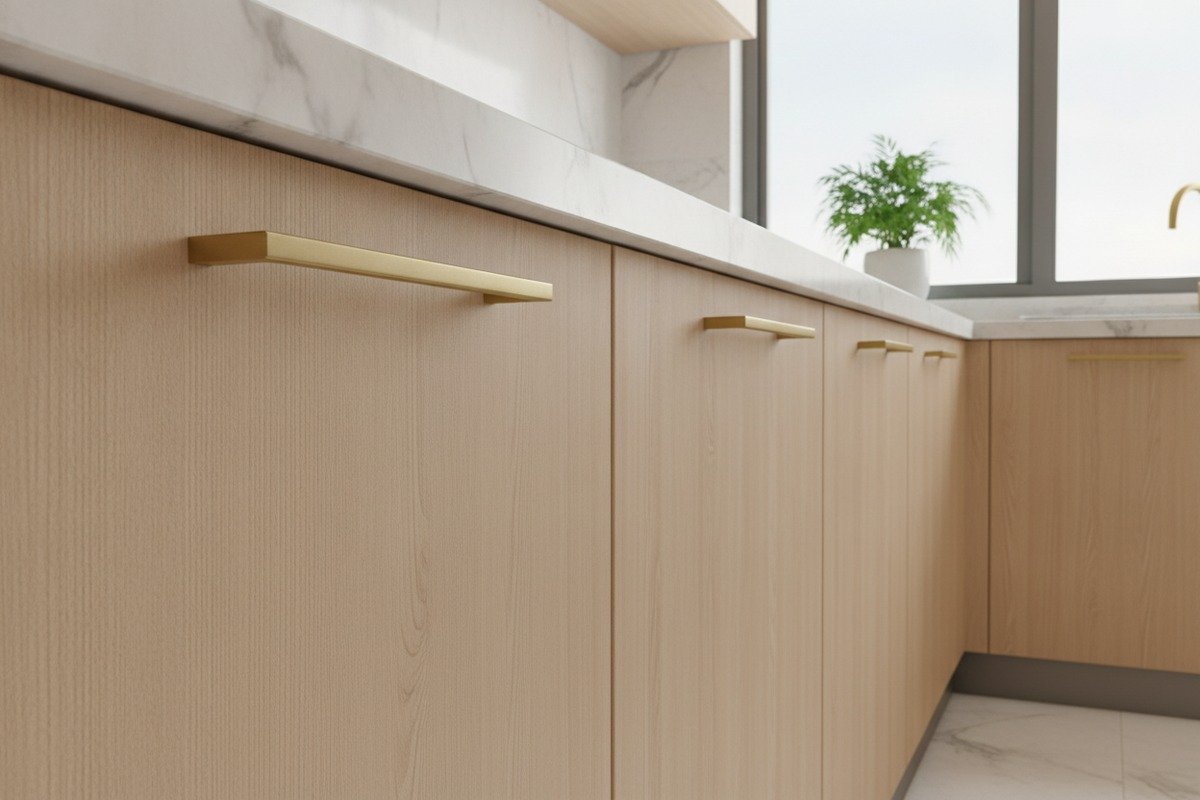
Every week, our sales team in Foshan receives inquiries from Vietnamese distributors asking the same question — which handle designs and colors will actually sell in their market right now?
To source aluminum furniture handles for Vietnam, prioritize slim, minimalist profiles in neutral finishes like brushed silver, matte black, and champagne gold. These colors complement Vietnam’s wood-dominated interiors and align with the market’s shift toward modern, functional, and space-efficient furniture design.
Vietnam’s furniture market is growing fast — from an estimated 1.47 billion USD in 2024 to a projected 1.92 billion USD by 2029. That growth is reshaping what buyers expect from hardware OEM and ODM services 1. Let me walk you through exactly how to pick the right aluminum handle designs and colors to stay competitive in this evolving market.
Which aluminum handle colors and finishes should I prioritize to stay ahead of Vietnamese furniture trends?
When we ship aluminum handles to Ho Chi Minh City or Hanoi, the color choices our clients make have changed a lot over the past three years. Picking the wrong finish means dead stock sitting in your warehouse.
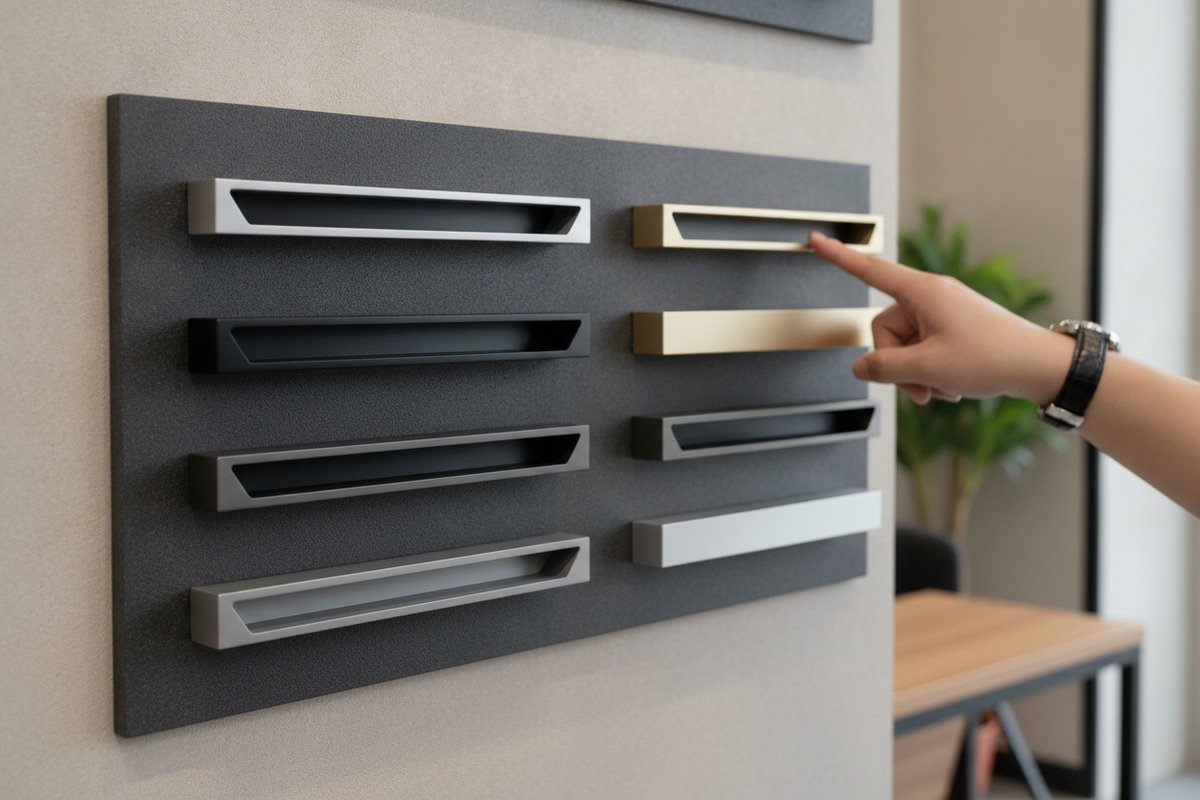
Prioritize brushed silver, matte black, champagne gold, and soft gray metallic finishes. These neutral, non-reflective tones match Vietnam's popular wood cabinetry and neutral interior palettes while offering the modern, clean look that Vietnamese consumers increasingly prefer.
Why Neutral Finishes Dominate in Vietnam
Wood still holds a 71.42% share 2 of Vietnam's kitchen furniture market in 2025. That means most handles you source will end up mounted on wood-toned cabinets — oak, walnut, ash, or lighter birch finishes. Handles need to complement wood, not compete with it.
Neutral tones like beige, gray, and white remain the most popular interior wall and furniture colors across Vietnamese homes. A brushed silver or matte black handle creates just enough contrast against light wood without looking out of place. Bright chrome or flashy gold, on the other hand, can clash with the warm, natural feel that most Vietnamese interiors aim for.
The Color Tier Strategy That Works
From our experience filling orders for Vietnamese wholesalers, the smartest approach is to stock handles in three tiers. Here is a practical breakdown:
| Tier | Target Segment | Recommended Finishes | Why It Works |
|---|---|---|---|
| Tier 1 — Mainstream | Mass-market cabinets, apartment kitchens | Brushed silver, matte black | Universal appeal, low risk, high turnover |
| Tier 2 — Premium | Mid-to-high-end custom furniture, showrooms | Champagne gold, graphite, soft gray metallic | Looks premium, still restrained and elegant |
| Tier 3 — Custom Accent | Niche projects, youth-oriented designs, boutique orders | Warm bronze, rose gold, custom RAL colors | Differentiation for specific client requests |
Tier 1 should make up 60–70% of your inventory. Tier 2 covers another 20–25%. Tier 3 stays at 5–10% and is usually made to order.
Finishes That Photograph Well Online
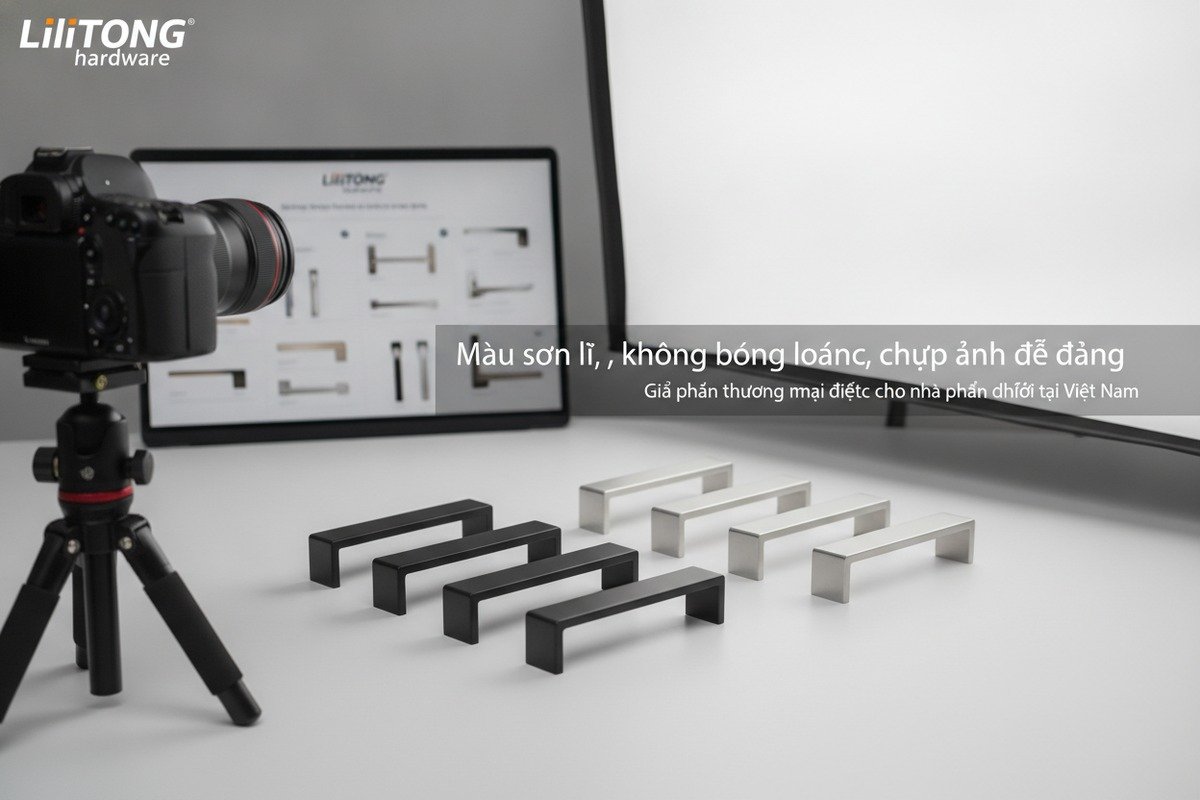
E-commerce is increasingly influential 3 in Vietnam's furniture market. Handles need to look consistent across different lighting conditions — phone screens, laptop displays, and showroom spotlights. Matte and brushed finishes outperform glossy ones online because they reduce glare and hotspots in product photos. Our anodized aluminum profiles 4, for example, maintain color consistency whether photographed under warm or cool lighting. This matters a lot when your Vietnamese clients are selling through Shopee, Lazada, or their own websites.
What to Avoid
Overly bright, highly saturated, or mirror-polished finishes are risky for mainstream Vietnamese SKUs. Shiny chrome can look dated in minimalist interiors. Bright gold reads as excessive in most urban apartment settings. Save those finishes for very specific custom requests only.
How can I select the right handle designs that complement the minimalist aesthetic of modern Vietnamese homes?
Our design team reviews Vietnamese interior trend reports every quarter, and the direction is clear — clean lines are winning. If you are still sourcing ornate, heavily carved handles, you are likely losing sales.
Select slim bar pulls, recessed edge pulls, and simple geometric profiles. Modern Vietnamese homes prioritize functional, space-efficient furniture, so handle designs should be low-profile, ergonomic, and visually quiet — enhancing the cabinet face without dominating it.
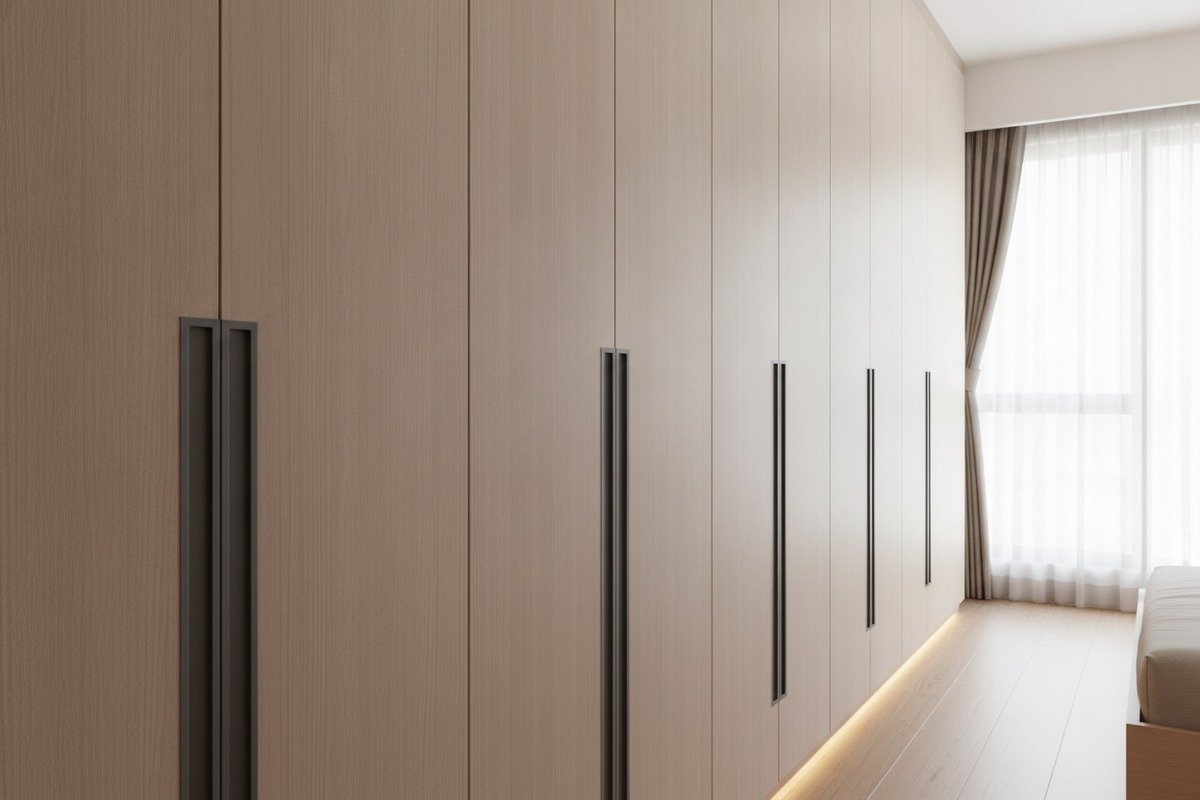
The Minimalist Shift in Vietnamese Interiors
Vietnamese buyers — especially in urban centers like Hanoi, Ho Chi Minh City, and Da Nang — are moving toward compact, multifunctional furniture. Apartment living is the norm. Kitchens are smaller. Wardrobes serve double duty. In this context, every visual detail matters. A bulky, decorative handle on a slim wardrobe door looks wrong. A sleek, recessed pull or a thin edge profile looks intentional and modern.
This is not just an aesthetic preference. It is also practical. In tight spaces, protruding handles can catch on clothing, bump into adjacent cabinet doors, or make narrow walkways feel cramped. Flat or recessed handles solve these problems.
Design Categories That Sell Well
Here is a guide to the handle design types that match current Vietnamese demand:
| Design Type | Profile Description | Best Application | Market Position |
|---|---|---|---|
| Straight bar pull | Slim cylindrical or rectangular bar, 128mm–320mm length | Kitchen cabinets, bathroom vanities | Mass market to mid-range |
| Recessed edge pull | L-shaped or channel profile mounted on cabinet edge | Wardrobe doors, tall cabinets, handleless look | Mid-range to premium |
| Slim tab pull | Short, flat rectangular tab, 32mm–64mm | Drawer fronts, bedside tables | Mass market |
| Integrated Gola profile 6 | Continuous aluminum channel behind cabinet face | Full kitchen systems, modern wardrobes | Premium and project-based |
| Simple geometric knob | Clean round or square knob, no ornamentation | Accent drawers, decorative cabinets | Niche and custom |
The recessed edge pull and the Gola profile are growing fastest. They create the "handleless" look that is trending in modern Vietnamese kitchens. Our extruded aluminum profiles are well-suited for these applications because they can be cut to any length and finished in multiple colors without compromising structural integrity.
Matching Handle Scale to Cabinet Proportion
A common mistake we see is buyers ordering handles that are too large or too small for their cabinet doors. In Vietnamese apartments, cabinet doors tend to be narrower than in Western markets. A 320mm bar pull that looks proportionate on a 600mm-wide European cabinet can look oversized on a 400mm-wide Vietnamese cabinet. We generally recommend 128mm to 192mm lengths for standard Vietnamese kitchen and wardrobe applications.
Biophilic and Organic Touches
There is a growing interest in biophilic design in Vietnam — subtle organic shapes and textures inspired by nature. This does not mean complex floral patterns. It means gentle curves, soft radius edges, and tactile surfaces. A handle with a slightly rounded cross-section or a fine brushed texture can feel more natural in the hand, connecting the user to organic sensations without looking old-fashioned.
Ergonomics and Everyday Use
Handles are touched hundreds of times a day. In humid Vietnamese climates, a handle that is comfortable and easy to grip matters more than one that simply looks good in a catalog. We test our profiles for finger comfort, pull resistance, and surface feel. A deep channel recessed pull — like the ones we produce with a geometric finger groove — gives a confident grip without requiring a protruding bar.
Can I customize my aluminum handle orders to better fit the unique style preferences of my Vietnamese clients?
One thing we hear constantly from our Vietnamese partners is this — "Your standard catalog is close, but not quite right for my customers." That gap between close and perfect is exactly where customization creates value.
Yes, you can customize aluminum handle orders extensively. Reputable Chinese suppliers offer OEM and ODM services including custom lengths, unique finishes, personalized colors, logo engraving, and modified cross-section profiles — allowing you to tailor handles precisely to your Vietnamese client base.
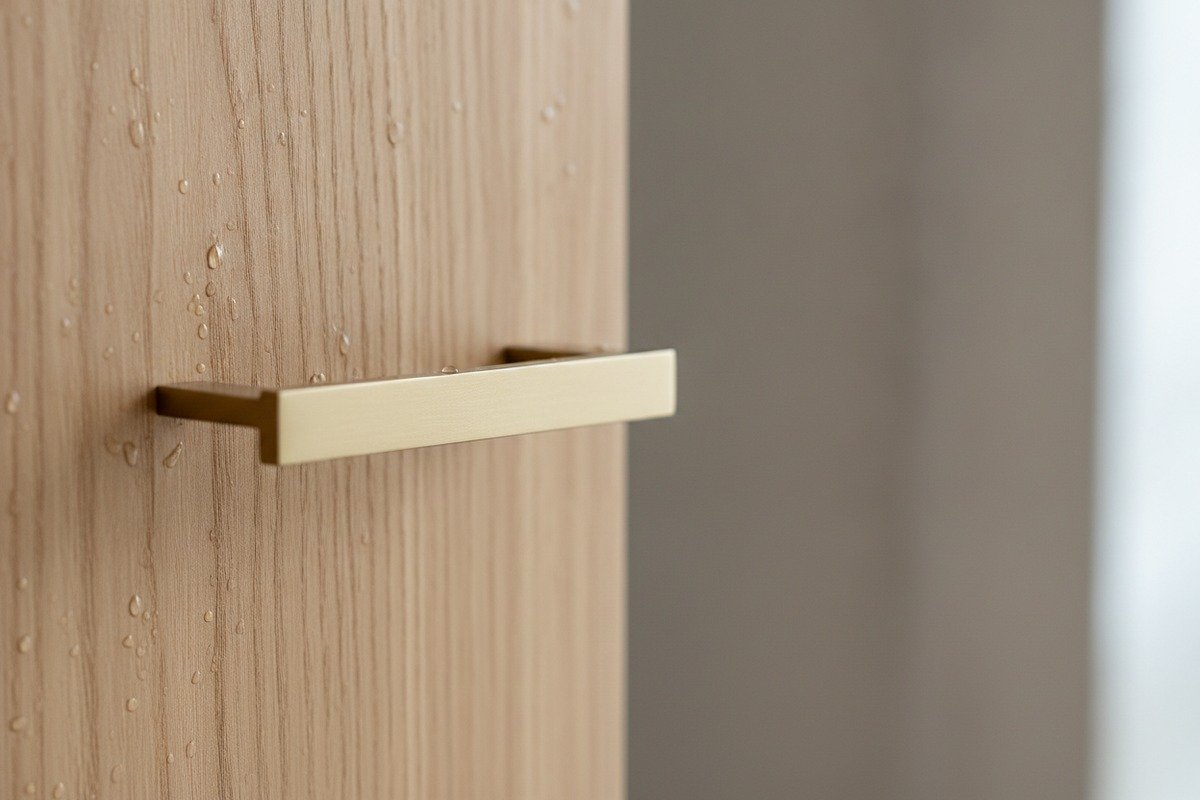
What Can Actually Be Customized
Many buyers assume customization means only changing the color. In reality, aluminum extrusion technology 7 allows far more flexibility. Here is what our production line can typically adjust:
| Customization Option | What It Involves | Minimum Order Consideration |
|---|---|---|
| Custom length | Cut to any length from standard extrusion | Very low MOQ — often added to standard runs |
| Custom finish/color | Anodizing, powder coating, electrophoresis in any RAL or Pantone code | Moderate MOQ — usually 200–500 pieces per color |
| Custom cross-section profile | New extrusion die for a unique handle shape | Higher MOQ — die cost applies, typically 500–1,000 pieces |
| Surface texture | Brushed, sandblasted, wood-grain transfer, matte, satin | Low to moderate MOQ depending on process |
| Logo engraving or printing | Laser engraving, silk screen, or pad printing on handle surface | Low MOQ — often 200+ pieces |
| Packaging customization | Private label packaging, custom inserts, branded boxes | Moderate MOQ — typically 500+ sets |
Why Customization Matters for Vietnam
The Vietnamese furniture market is not monolithic. A distributor in Ho Chi Minh City selling to young urban professionals has different needs than a furniture factory in Binh Duong producing for export. A kitchen cabinet maker in Hanoi targeting the premium segment wants handles that feel exclusive — not the same profile every competitor carries.
Customization lets you create product differentiation without designing hardware from scratch. Sometimes it is as simple as offering a 160mm bar pull in a champagne gold finish that nobody else in the local market stocks. That small difference can win you a long-term supply contract.
The Custom Process at Our Facility
When a Vietnamese client contacts us for customization, here is the typical process. First, we discuss the design intent — what cabinet style, what interior color scheme, what price point. Then our team provides 2D and 3D drawings. If a new die is needed, we produce it within 3 to 7 days. Sample production takes another 5 to 7 days. Once approved, bulk production runs on a 3 to 7 day turnaround for most custom orders. The entire process from first discussion to shipment can be completed in under three weeks.
Sustainability and Custom Finishes
Sustainability is rising in importance among Vietnamese project buyers, especially those working on hospitality, office, or certified green building projects. Our anodizing process, for example, uses no heavy metals and produces finishes that are inherently low-VOC. If your clients need documentation for green certifications 8, we can provide material safety data sheets and finish compliance reports as part of the custom order package.
Balancing Customization with Inventory Risk
A practical tip — do not over-customize on your first order. Start with standard profiles in custom finishes. This lets you test market response without committing to a new die. If a particular finish sells well, then consider upgrading to a fully custom profile. Our 300-ton ready-to-ship inventory includes many base profiles that can be finished in custom colors within days, significantly reducing your lead time risk.
How do I find a Chinese supplier that offers both trending designs and fast shipping for my Vietnam-based business?
Over the past 18 years, we have watched Vietnamese buyers go through the same painful trial-and-error cycle — finding a supplier on Alibaba, ordering samples, waiting weeks, receiving inconsistent quality, and starting over. There is a better way.
Look for Chinese aluminum handle suppliers based in Foshan or Guangdong province with proven export experience to Vietnam, ready-to-ship inventory, fast custom turnaround times, and clear quality control processes. Verify their design range, finish consistency, and logistics capabilities before committing to bulk orders.
Why Foshan Is the Right Sourcing Region
Foshan, in Guangdong province 9, is China's aluminum capital. The city has the highest concentration of aluminum extrusion factories, anodizing lines, and hardware manufacturers in the country. Being based here means shorter supply chains, competitive raw material costs, and access to the latest production technology. For Vietnam-based buyers, Foshan also offers a geographic advantage — shipping to Vietnamese ports typically takes 3 to 5 days by sea, and overland routes through Guangxi can be even faster.
What to Evaluate Before Choosing a Supplier
Not every Foshan factory is the same. Here is a checklist to guide your evaluation:
Finish consistency — Ask for samples from different production batches. A good supplier delivers the same color and texture every time. Inconsistent finishes cause returns and damage your reputation with furniture factories.
Corrosion resistance — Vietnam's climate is humid. Ask your supplier about salt spray test results 10. Handles that corrode or discolor within months will cost you far more in replacements than you saved on purchase price.
Fingerprint and scratch visibility — Matte and brushed finishes hide fingerprints better than glossy ones. Ask to see the handle after being touched repeatedly. If fingerprints show clearly, it will be a complaint from end users.
Lead times — For stock items, look for suppliers that can ship within 48 hours. For custom orders, 3 to 7 days is a strong benchmark. Anything longer than two weeks for a standard custom finish is a red flag.
Design range — The supplier should have a catalog that covers straight bars, recessed pulls, edge profiles, and Gola systems at minimum. A narrow design range means you will need multiple suppliers, which complicates logistics and quality control.
Red Flags to Watch For
Be cautious of suppliers who only show renders or photoshopped images. Ask for real product photos and videos from the factory floor. Be wary of prices that seem too low — they often indicate thinner wall profiles, lower-grade aluminum alloy, or inferior surface treatment that will not hold up in humid conditions.
Also check communication responsiveness. A supplier that takes three days to answer a WhatsApp message during the inquiry phase will be even slower when you have a production issue.
Building a Long-Term Partnership
The best supplier relationships go beyond transactional ordering. When we work with our Vietnamese partners, we share trend reports, suggest new profiles based on what is selling well across the region, and proactively send samples of new finishes before they are even requested. This kind of collaborative approach helps you stay ahead of your local competitors without doing all the design research yourself.
Our team of 30 in Foshan handles everything from extrusion to anodizing to packaging under one roof. That means fewer handoffs, fewer delays, and fewer quality surprises. For Vietnam-based businesses, that one-stop integration translates directly into faster delivery and more predictable results.
Logistics and Payment Considerations
Most Vietnamese buyers prefer sea freight for bulk orders and air freight or express courier for urgent samples. A good supplier will help you optimize container loading to reduce per-unit shipping costs. Payment terms typically start with T/T 30% deposit and 70% before shipment, but established relationships can negotiate more flexible terms. Always confirm that your supplier can provide proper export documentation and certificates of origin if needed for customs clearance in Vietnam.
Conclusion
Vietnam's furniture market rewards handle choices that are minimal, neutral, durable, and customizable. Source smart, stock in tiers, and partner with a supplier who understands this market as well as you do.
Footnotes
1. Provides a foundational definition and context for OEM, related to ODM services. ↩︎
2. Confirms wood’s significant share in the Vietnamese furniture market. ↩︎
3. Highlights e-commerce as a key driver for growth in the Vietnamese furniture sector. ↩︎
4. Replaced HTTP 404 link with an authoritative source from the Aluminum Anodizers Council explaining anodizing. ↩︎
5. Provides data on the growth and size of the Vietnamese furniture market. ↩︎
6. Describes the design and application of Gola profiles in modern cabinetry. ↩︎
7. Explains the fundamental process of aluminum extrusion from an industry authority. ↩︎
8. Provides guidance on various green certifications relevant to furniture and sustainable practices. ↩︎
9. Provides general information about Foshan, highlighting its industrial significance. ↩︎
10. Explains the standard method for salt spray (fog) testing, a key measure of corrosion resistance. ↩︎