Three months ago, a Vietnamese furniture factory owner sent me photos of broken drawer handles. The backplates had cracked after just six months of use in a coastal apartment complex. His email said, "I chose aluminum alloy because it's supposed to be strong—why did this happen?" When I asked which aluminum alloy he ordered and how the handles were structured, he didn't know. His supplier had only mentioned "high-quality aluminum alloy" in the quote.
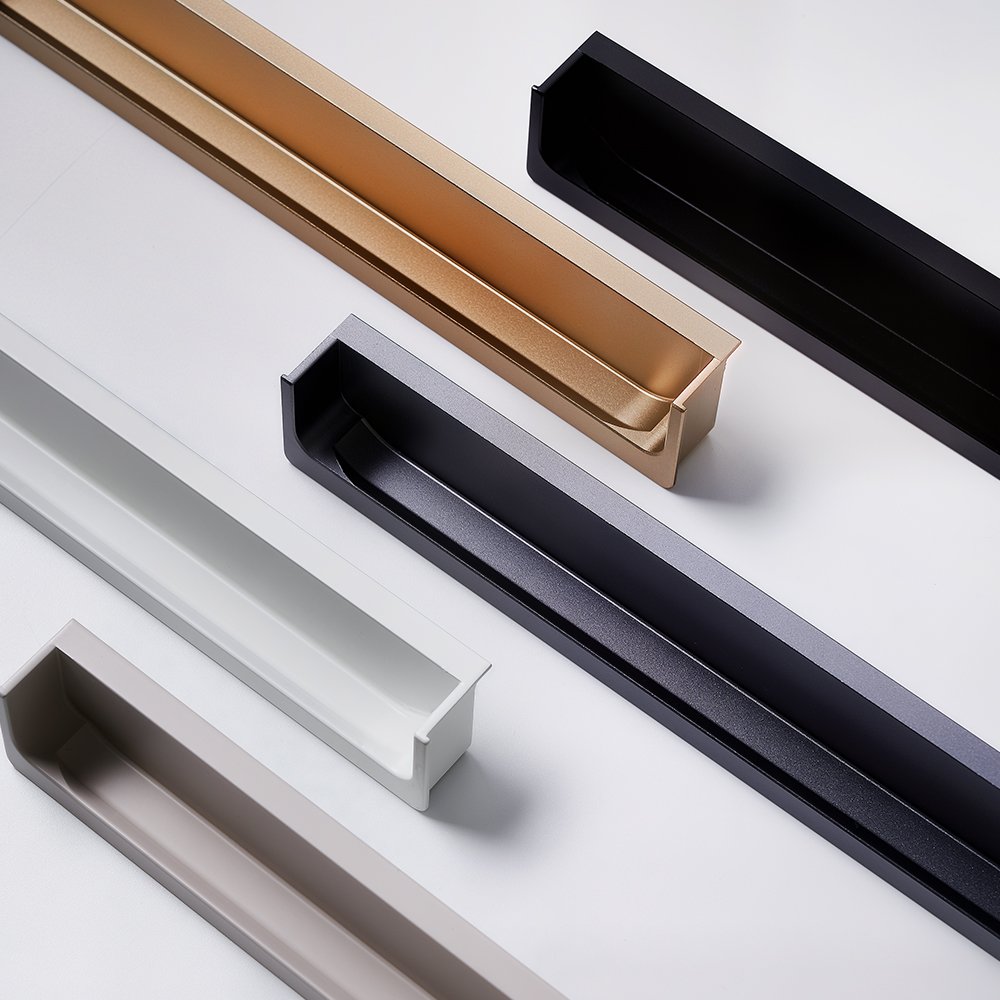
This confusion happens every week in my inbox at LiliTONG. Buyers search for kitchen cabinet hardware aluminum alloy drawer pull handles expecting a single material category with predictable performance. But aluminum alloy is not one thing—it's a spectrum of metal compositions, surface treatments, and structural designs that perform completely differently under kitchen grease, coastal humidity, and high-frequency drawer action. Choosing the wrong combination doesn't just waste money; it triggers quality complaints, delays your production schedule, and damages your reputation with end customers.
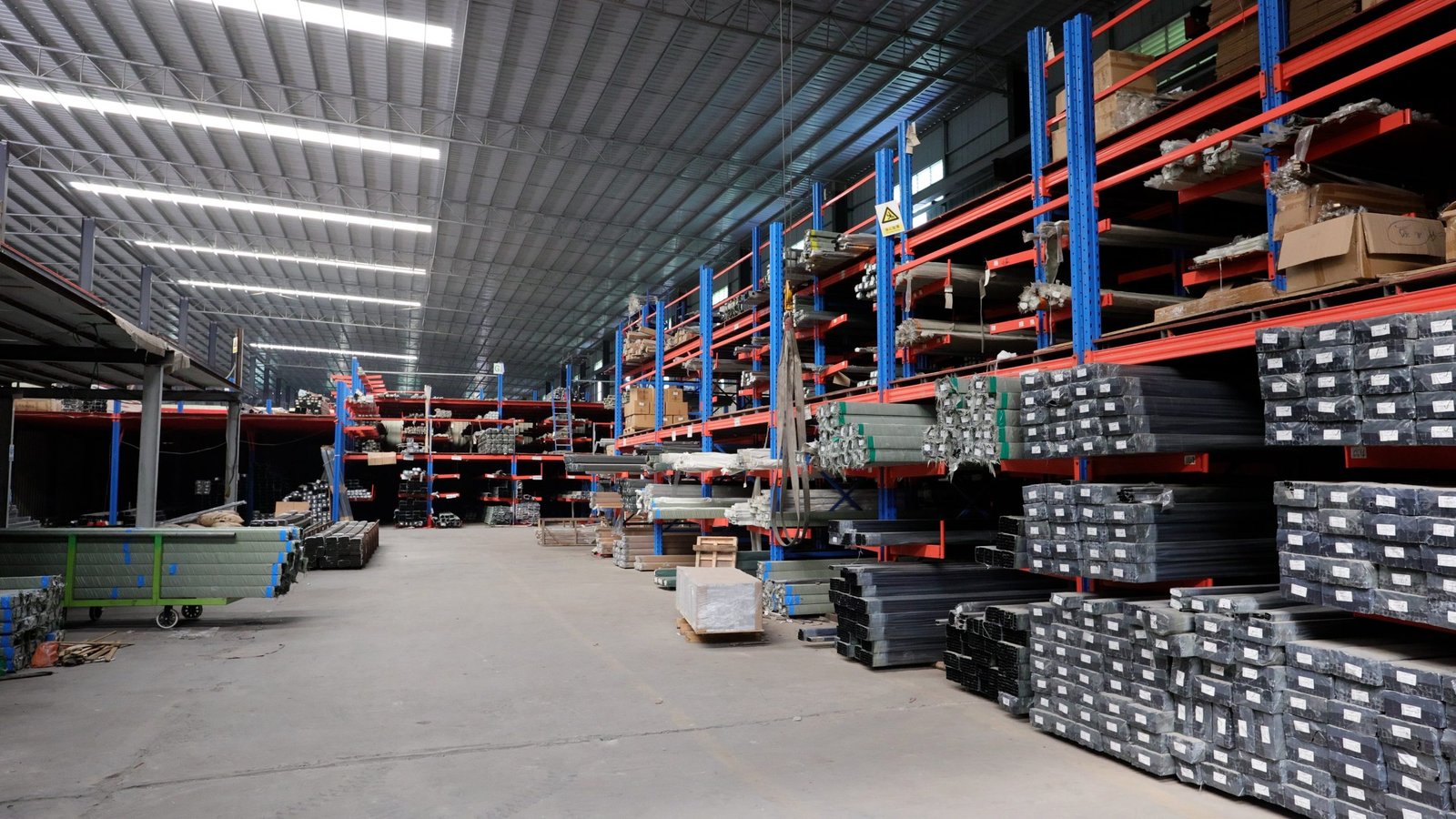
The real decision isn't "aluminum vs. stainless steel" or "anodized vs. powder-coated." The real decision is matching material type (6063, 6061, ADC12, Al-Mg), surface treatment (anodizing, electroplating, powder coating, brushing), and structural integrity (screw spacing tolerance, backplate thickness, hole position accuracy) to your specific usage scenarios, production volumes, and delivery timelines. And evaluating whether your supplier has 300-ton stock depth for fast fulfillment plus custom mold capability for differentiation matters more than what their catalog photos look like.
Here's the framework I use when Vietnamese wholesalers and furniture factory procurement managers ask me to explain why aluminum alloy drawer pulls from different suppliers behave so differently—even when they look identical in photos. This article walks through the material choices, surface treatment trade-offs, and structural checkpoints that determine whether your handles will still look sharp and function smoothly after 50,000 drawer cycles or start failing in six months.
Why Does Aluminum Alloy Type Matter More Than Most Buyers Realize?
When buyers tell me "I need aluminum alloy handles," I immediately ask: Which aluminum alloy? Most pause because they assume aluminum is aluminum. But the difference between 6063, 6061, ADC12, and Al-Mg alloys determines whether your handles bend under stress, corrode in coastal climates, or hold up under daily kitchen use. These alloys have different strength profiles, casting complexity, and cost structures—and each fits specific furniture applications better than others.
In kitchen cabinet hardware, the aluminum alloy you choose directly impacts structural durability, corrosion resistance, and production cost. 6063 extrusion alloy dominates mid-range handles because it balances strength with surface treatment compatibility. 6061 offers higher tensile strength for heavy-duty commercial furniture. ADC12 die-cast alloy enables complex shapes but requires thicker walls. Al-Mg alloys resist saltwater corrosion but cost 20–30% more. Your usage scenario—not supplier marketing—should dictate which alloy you specify.
Let me show you what happens when buyers choose the wrong alloy for their actual conditions. Last year, a wholesaler in Ho Chi Minh City ordered 10,000 ADC12 die-cast handles for a coastal villa project. Within eight months, half the handles showed white corrosion spots. ADC12 has excellent casting precision for intricate designs, but its silicon content makes it less resistant to salt air than 6063 or Al-Mg alloys. The buyer had prioritized aesthetic complexity over environmental compatibility.
6063 Extrusion Alloy: The Workhorse for Most Kitchen Handles
6063 aluminum alloy is what we use for 70% of LiliTONG's standard stock handles. It's an extrusion alloy, meaning we heat aluminum billets and push them through shaped dies to create long profiles that we cut to handle lengths. This process produces consistent cross-sections with tight dimensional tolerances—critical when you need handles that mount flush against cabinet doors without gaps.
The practical advantage of 6063 is surface treatment compatibility. Its magnesium-silicon composition allows stable anodizing (forming a protective oxide layer), powder coating adhesion, and electroplating bonding. When customers complain about handles where the finish peels off after six months, I usually trace the issue to poor surface preparation—not the base material. 6063 itself is forgiving if your supplier follows proper pre-treatment steps.
Tensile strength sits around 130–150 MPa (megapascals) for 6063-T5 temper. That's sufficient for typical kitchen drawer pulls under 200 mm length and daily pulling force under 50 N (about 11 pounds). I've seen 6063 handles last 10+ years in residential kitchens with normal use. But if you're specifying handles for commercial kitchen cabinets with 100+ drawer cycles per day, you need to consider 6061 or thicker 6063 profiles.
One Vietnamese furniture factory owner once asked why our 6063 handles cost 15% more than a competitor's "aluminum alloy" handles. When I asked for the competitor's alloy specification, they couldn't provide one. We tested their sample and found it was lower-grade aluminum-magnesium-silicon alloy with inconsistent hardness. The handles bent slightly under load testing. Price differences often reflect material purity and temper consistency—not just supplier margin.
6061 Alloy: When You Need Extra Strength for Heavy-Duty Applications
6061 aluminum alloy contains more magnesium and silicon than 6063, giving it 20–25% higher tensile strength (around 180–200 MPa in T6 temper). I recommend 6061 when buyers specify handles for:
- Commercial furniture drawers that open 200+ times per day
- Large kitchen drawers (over 500 mm width) holding heavy cookware
- Cabinet doors with integrated pull handles that experience lateral stress
The trade-off is cost. 6061 extrusion and machining require slightly more processing time, and the raw material costs about 10% more than 6063. For most residential kitchen cabinet hardware, this extra strength is unnecessary. But when a Vietnamese hotel chain ordered custom handles for 300 guest room kitchenettes, we used 6061 to ensure the handles wouldn't deform under high-frequency use over a 10-year lifespan.
6061 also anodizes beautifully. The harder oxide layer from anodizing 6061 resists scratches better than anodized 6063—though most end-users won't notice the difference unless they're in a high-abrasion environment like restaurant kitchens.
ADC12 Die-Cast Alloy: Complex Shapes at the Cost of Corrosion Resistance
ADC12 is a die-casting alloy, not an extrusion alloy. We inject molten aluminum into steel molds under high pressure to create handles with intricate curves, recesses, and decorative details that extrusion can't achieve. If you've seen handles with ornate relief patterns or organic shapes, they're likely ADC12 die-cast.
The limitation is corrosion resistance. ADC12 contains 10–12% silicon to improve melt fluidity and reduce shrinkage during casting. But this silicon content makes the alloy more prone to galvanic corrosion in humid or coastal environments. I've handled cases where ADC12 handles in beachside apartment kitchens developed white oxidation spots within a year, even with powder coating.
Here's the practical decision framework: Use ADC12 when your design requires complex 3D shapes and you're installing in dry, inland climates. Use 6063 extrusion when you need reliable corrosion resistance and can work with straight or gently curved profiles. One furniture factory in Da Nang wanted sculptural handles for a luxury villa project but insisted on coastal durability. We switched them from ADC12 to 6063 extrusion with CNC machining for decorative grooves—the handles looked nearly as detailed but maintained corrosion resistance.
ADC12 also requires thicker walls than extrusion alloys to prevent porosity defects during casting. Minimum wall thickness is usually 2.5–3 mm vs. 1.5–2 mm for 6063 extrusion. This adds weight and material cost, though die-cast tooling can be cheaper than extrusion dies for very complex shapes.
Al-Mg Alloys: Premium Corrosion Resistance for Coastal Installations
Aluminum-magnesium alloys (like 5052 or 5083) contain 2.5–5% magnesium with minimal silicon. This composition provides excellent resistance to saltwater corrosion—critical for coastal kitchens where sea air accelerates oxidation. I recommend Al-Mg alloys when buyers specify handles for:
- Beachside resort kitchens or apartments within 5 km of coastline
- Humid tropical climates with year-round 80%+ relative humidity
- Outdoor kitchen cabinets exposed to rain and salt spray
The cost penalty is 20–30% over 6063. Al-Mg alloys are more expensive to smelt, and they require specialized welding and machining because they're softer and gummier than 6063. But when a Vietnamese resort developer ordered 5,000 handles for beachfront villas, we used 5052 alloy with hard anodizing. After three years, the handles showed zero corrosion—while their interior ADC12 handles (which they'd initially wanted for aesthetics) would have failed within 18 months.
Al-Mg alloys don't anodize to as vibrant colors as 6063 because of their lower silicon content. If you need bright gold or bronze tones, powder coating works better on Al-Mg substrates. But natural brushed or matte finishes on Al-Mg look clean and industrial, fitting modern minimalist kitchen designs.
How Do Surface Treatments Change Durability, Cost, and Aesthetic Lifespan?
After alloy selection, surface treatment determines whether your aluminum alloy drawer pull handles resist kitchen grease, cleaning chemicals, and daily handling without discoloring, peeling, or corroding. Buyers often choose finishes based on photos in supplier catalogs—gold looks luxurious, black looks modern. But each surface treatment (anodizing, electroplating, powder coating, brushing) has different chemical durability, cost structures, and maintenance requirements.
Surface treatment isn't decoration—it's the functional layer that determines lifespan. Anodizing forms a hard oxide layer integrated into the aluminum surface, offering scratch and corrosion resistance but limited color range. Electroplating deposits metal ions (chrome, brass, gold) for shiny finishes but can peel if the bonding layer fails. Powder coating applies thick polymer paint for vibrant colors but scratches more easily than anodizing. Brushing creates texture without added coatings, relying on the alloy's natural corrosion resistance. Your choice should match kitchen environment, cleaning frequency, and budget.
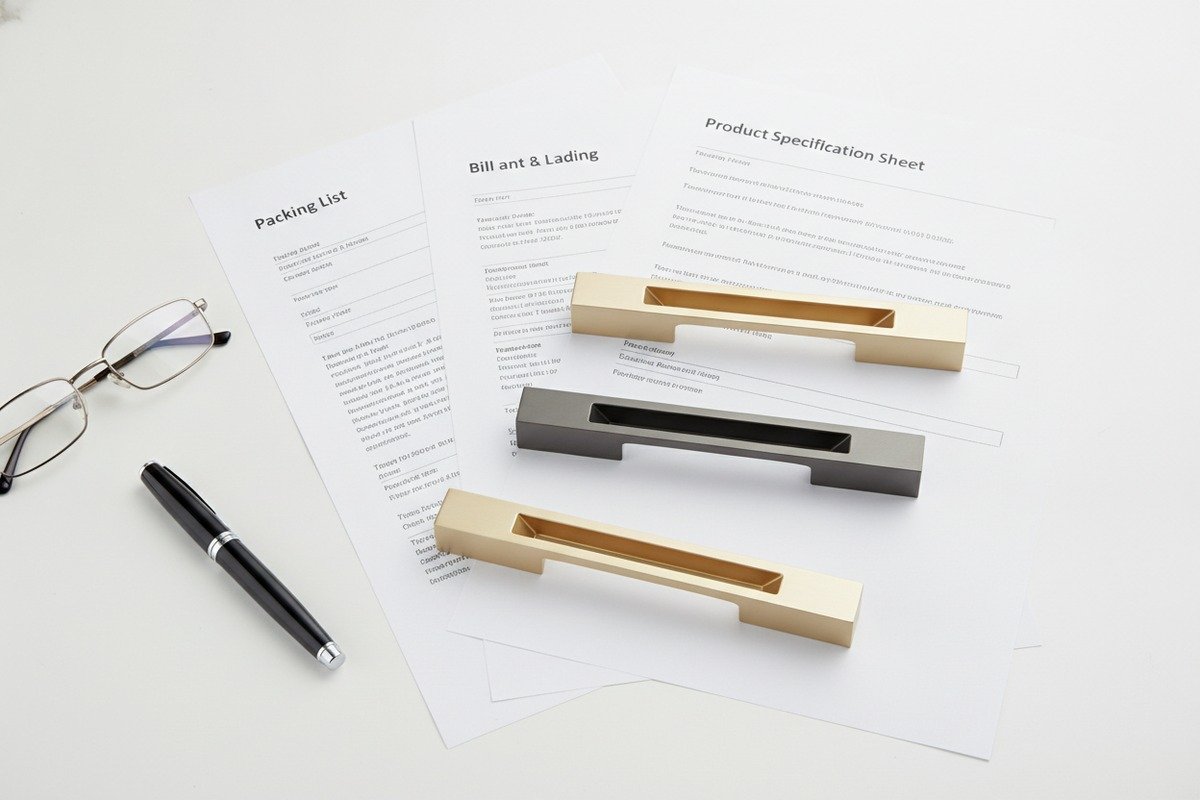
Last month, a furniture factory owner sent me photos of gold-toned handles where the finish had peeled around the screw holes after eight months. The buyer had chosen electroplated brass finish because it looked premium, but hadn't considered that kitchen grease and acidic cleaners attack the plating bonding layer. When I asked if they'd specified primer thickness or salt spray test hours, they didn't know those parameters existed. Surface treatment isn't a checkbox on a quote form—it's a set of process controls that determine whether the finish survives real-world use.
Anodizing: Hard Oxide Layer for Scratch and Corrosion Resistance
Anodizing is an electrochemical process that converts the aluminum surface into aluminum oxide (Al₂O₃)—a ceramic-like layer that's part of the metal, not a coating sitting on top. We immerse handles in sulfuric acid solution and pass electric current through it, causing oxidation. The resulting layer is typically 10–25 microns thick and significantly harder than bare aluminum (Vickers hardness around 300–400 vs. 50–100 for raw aluminum).
The practical benefit is durability. Anodized handles resist scratches from keys, rings, and kitchen utensils better than powder-coated or electroplated finishes. They also resist corrosion because the oxide layer is inert—it doesn't react with moisture, grease, or most cleaning chemicals. I've seen anodized 6063 handles in coastal kitchens maintain their appearance for 15+ years without visible degradation.
Color options are more limited than powder coating. Standard anodizing produces clear (natural silver), black, bronze, and champagne gold tones by dyeing the porous oxide layer before sealing it. Bright reds, blues, or greens require special hard anodizing processes that cost 30–50% more. If you need vibrant colors, powder coating is more practical.
Anodizing cost depends on batch size and color. Clear anodizing is the cheapest because it doesn't require dye. Black and bronze add 5–10% to processing cost. Custom colors require separate dye baths and color matching, adding 20–30% cost plus minimum order quantities (typically 500–1,000 pieces per color). At LiliTONG, we stock 20+ standard anodized colors to avoid MOQ barriers for small custom projects.
One Vietnamese wholesaler once complained that anodized handles felt "too matte" compared to electroplated chrome. That's accurate—anodizing produces a satin or matte finish, not mirror shine. If your customers expect glossy handles, electroplating or powder coating with high-gloss clear coat is a better match. But if they value scratch resistance over shine, anodizing wins.
Electroplating: Shiny Metal Finishes with Peeling Risk
Electroplating deposits a thin layer of another metal (chrome, brass, gold, nickel) onto the aluminum surface using electric current in a chemical bath. This creates mirror-like finishes that many buyers associate with premium hardware. Chrome plating gives a bright silver shine, brass plating produces warm gold tones, and PVD (physical vapor deposition) gold creates rose gold or champagne hues.
The structural weakness is bonding. Aluminum naturally forms an oxide layer that prevents direct metal-to-metal bonding with plating materials. Suppliers must apply a primer layer (often nickel or copper) before the decorative plating. If this primer layer is too thin (under 5 microns) or if surface preparation skips degreasing or acid etching steps, the plating can peel within months.
I've handled multiple cases where electroplated handles showed delamination around high-stress points—screw holes, edges, and grip areas. The buyer's complaint is always the same: "We ordered gold handles, now they look like patchy brass." When I inspect failed samples, I usually find primer layer thickness under 3 microns or skipped zincate treatment (a chemical process that helps plating adhere to aluminum).
Salt spray testing reveals plating quality. Industry standard is 48–72 hours in a 5% salt fog chamber without rust spots or peeling. LiliTONG specifies 72-hour tests for all electroplated stock items. But many suppliers skip this test or only test for 24 hours. When you compare quotes, ask for salt spray test reports—not just photos of shiny handles.
Electroplating cost is 20–40% higher than anodizing because of multi-step chemical baths and primer layers. Chrome and nickel plating are cheaper (about 15–20% over anodizing). Brass and gold plating cost 30–50% more because of precious metal content and thicker deposition layers. PVD gold—the highest-end option—costs 60–80% more than anodizing but offers superior scratch resistance and color consistency.
Use electroplating when aesthetic shine matters more than durability, and when you're installing in dry indoor environments. Avoid electroplating for coastal kitchens, outdoor cabinets, or high-humidity climates unless your supplier can document 72+ hour salt spray performance.
Powder Coating: Vibrant Colors with Scratch Trade-Offs
Powder coating applies dry polymer powder to the aluminum surface and bakes it at 180–200°C to form a continuous paint layer. The resulting finish can be any color, from matte black to glossy red to metallic copper. Film thickness is typically 60–100 microns—thicker than anodizing (10–25 microns) or electroplating (5–15 microns).
The advantage is color flexibility and cost. Powder coating supports any RAL, Pantone, or custom color at similar processing cost. Batch minimums are lower because changing powder colors is faster than changing plating chemistry. At LiliTONG, we offer 50+ standard powder-coated colors with no MOQ penalty, plus custom color matching for orders over 300 pieces.
The trade-off is scratch resistance. Powder coating is organic polymer, not ceramic oxide or metal. It scratches more easily than anodizing under daily handling. I've seen powder-coated handles show wear marks around edges and screw holes after 2–3 years of heavy use. The finish doesn't peel like bad electroplating—it just wears through.
Kitchen grease is another concern. Oil