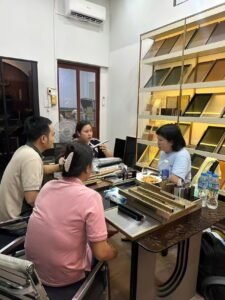
Over the past 18 years, our Foshan-based production lines have shipped thousands of aluminum handle orders to Vietnam alloy compositions 1. One pattern keeps repeating: buyers who work with suppliers lacking dedicated Vietnamese support face delays, miscommunication, and costly mistakes that eat into their margins. supply chain 2
Yes, you absolutely should. A Chinese supplier with a dedicated Vietnamese sales or customer service team can dramatically reduce communication errors, speed up customs clearance, provide localized design guidance, and deliver faster after-sales support. This dedicated team is not a luxury — it is a fundamental requirement for protecting your investment and ensuring a smooth, profitable supply chain between China and Vietnam.
Let me walk you through exactly why this matters and how it affects every stage of your sourcing process, from the first quote request to the moment your handles are installed on finished furniture.
How can a dedicated Vietnamese service team help me bridge the communication gap when ordering custom aluminum handles?
When our team processes custom handle orders for Vietnamese furniture factories, we see how small translation errors turn into big production problems anodized or powder-coated surface finishes 3. A single misunderstood alloy spec or finish code can derail an entire batch.
A dedicated Vietnamese service team eliminates costly miscommunication by providing native-language support for technical specifications, finish selections, and dimensional tolerances. This ensures your custom aluminum handle orders match your exact requirements the first time, preventing expensive rework and project delays.
Why Generic Communication Fails in Hardware Sourcing
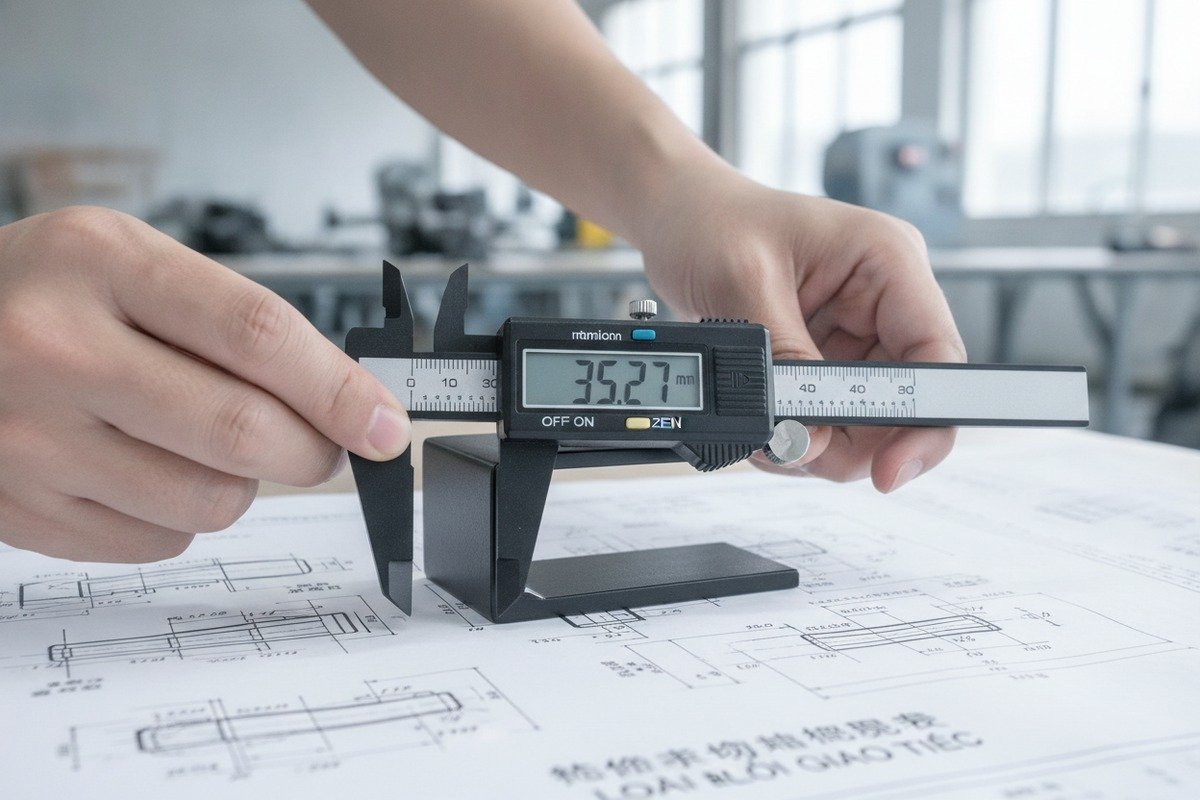
Most Chinese aluminum handle suppliers communicate in Mandarin Chinese. Some offer English-language support. But here is the problem: hardware sourcing is deeply technical. You are not ordering t-shirts. You are ordering extruded aluminum profiles 4 with specific alloy compositions, anodized or powder-coated surface finishes, exact hole spacings measured in millimeters, and precise cross-section geometries 5.
When a Vietnamese buyer communicates through a generic English-speaking sales rep, three layers of translation occur. The buyer thinks in Vietnamese, converts to English, and the Chinese sales rep converts that English into Mandarin for the factory floor. Each conversion introduces error. A "champagne gold matte anodized finish" might become "gold paint" by the time it reaches the production team. A "recessed channel grip with an L-shaped cross-section" might become "flat handle with groove."
The Real Cost of Miscommunication
Consider this scenario. A furniture factory in Ho Chi Minh City orders 5,000 custom aluminum recessed handles. They specify 6063-T5 aluminum alloy with a champagne gold anodized finish. The hole spacing must be 128mm center-to-center. Without a Vietnamese-speaking liaison, the order confirmation comes back in English with vague terms. The buyer assumes everything is correct. Two weeks later, the handles arrive with 160mm hole spacing. The entire batch is unusable for the buyer's cabinet line. The cost? Not just the product value, but the lost production time, the delayed delivery to their own customers, and the damaged reputation.
How a Vietnamese Team Prevents These Errors
A dedicated Vietnamese service team works as a technical translator. They understand both the buyer's language and the factory's production language. They can confirm every detail in Vietnamese before passing verified specifications 6 to the production floor in Mandarin.
| Communication Stage | Without Vietnamese Team | With Vietnamese Team |
|---|---|---|
| Initial inquiry | Buyer explains in broken English; key details lost | Buyer explains in native Vietnamese; all details captured |
| Specification confirmation | Generic English confirmation; ambiguous terms | Vietnamese confirmation document with exact specs |
| Design revision | 3-5 day email loops with misunderstandings | Same-day clarification via Vietnamese WhatsApp support |
| Production check | No mid-production verification | Vietnamese liaison verifies specs before mass production |
| Delivery follow-up | English tracking info; buyer confused by Chinese logistics terms | Vietnamese updates with local shipping context |
In our experience working with Vietnamese distributors, having a team member who speaks Vietnamese cuts order errors by a significant margin. It also shortens the order cycle. Instead of spending a week going back and forth on specs, buyers can finalize details in a single conversation.
Cultural Alignment Matters Too
Vietnamese business culture values trust and personal relationships. A buyer in Hanoi or Da Nang wants to feel that the supplier understands their market and respects their way of doing business. A Vietnamese-speaking team member creates that bond immediately. They understand local holidays, business etiquette, and negotiation styles. This is not a soft benefit — it directly affects how smoothly orders proceed and how quickly disputes get resolved.
Will a supplier with specific expertise in the Vietnam market offer more efficient shipping and customs clearance for my business?
Our warehouse in Foshan ships to Vietnamese ports like Hai Phong and Cat Lai every week. We have learned firsthand that customs documentation mistakes cause more shipment delays than any other single factor in the China-Vietnam hardware trade.
Yes, a supplier experienced in the Vietnamese market will handle HS code classification, import documentation, and freight coordination far more efficiently than a generic exporter. Their knowledge of Vietnamese customs requirements prevents port delays, reduces clearance times, and protects your business from unexpected duties or fines.
The Customs Maze for Aluminum Hardware Imports
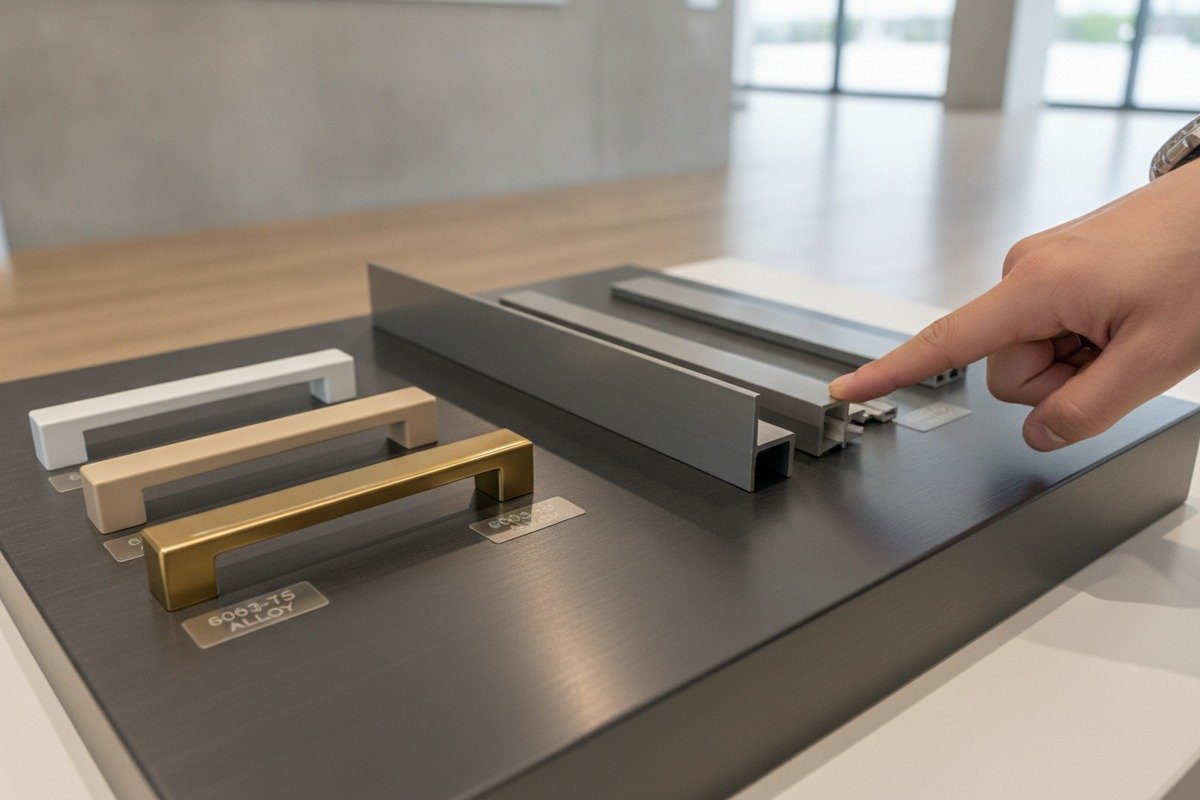
Importing aluminum furniture handles into Vietnam is not as simple as putting goods on a ship. Vietnamese customs 7 requires specific documentation: correct HS codes 8, commercial invoices with precise product descriptions, certificates of origin, packing lists that match the actual shipment, and sometimes additional certifications depending on the product category.
A supplier without Vietnam market expertise often assigns the wrong HS code. Aluminum handles can fall under several categories depending on their exact composition and intended use. The wrong code means the wrong duty rate. It can also trigger an inspection that holds your goods at port for days or even weeks.
What a Vietnam-Experienced Supplier Brings to the Table
A supplier with a dedicated Vietnam team has processed hundreds or thousands of shipments to Vietnamese ports. They know which HS codes apply to specific handle types. They know what documentation Vietnamese customs officers expect. They have relationships with freight forwarders who specialize in the China-Vietnam corridor.
| Logistics Factor | Generic Chinese Supplier | Supplier with Vietnam Market Expertise |
|---|---|---|
| HS code accuracy | Frequently incorrect; triggers inspections | Accurate classification based on past shipments |
| Documentation format | Generic export docs; may not meet Vietnam-specific requirements | Tailored to Vietnamese customs standards |
| Freight route optimization | Standard routes; no port preference | Optimized for Hai Phong or Cat Lai based on buyer location |
| Customs clearance time | 5-10 business days (with delays) | 2-4 business days on average |
| Duty rate accuracy | Buyer often surprised by unexpected charges | Accurate duty estimates provided before shipment |
| Regulatory compliance | Limited awareness of Vietnamese import rules | Proactive compliance with CR, ISO, and local material standards |
Port Congestion and How Local Knowledge Helps
Hai Phong and Cat Lai ports experience periodic congestion. A supplier with local knowledge knows when congestion peaks occur. They can advise on alternative shipping schedules or even alternative ports. They coordinate with local freight forwarders who have established relationships with port authorities.
When our team ships to Vietnam, we prepare all documentation 9 in the format that Vietnamese customs expects. We include Vietnamese-language descriptions where needed. We verify the HS codes against the most recent Vietnamese customs tariff schedule. This level of detail comes from years of experience in the Vietnam market — not from a generic export department handling shipments to 50 different countries.
Real Savings from Faster Clearance
Every day your goods sit at a Vietnamese port costs money. There are storage fees, there is the opportunity cost of not having inventory on your shelves, and there is the risk of losing a client who needs handles for a time-sensitive furniture project. A supplier with Vietnam expertise can cut your average clearance time in half. Over a year of regular orders, that adds up to significant savings and far less stress.
The Vietnam Kitchen Furniture Market 10 is projected to reach approximately USD 401.30 million by 2031, growing at a CAGR of 3.39%. Metal hardware is the fastest-growing segment within this market, with a CAGR of 4.17%. This growth means more Vietnamese businesses are importing aluminum handles from China. The suppliers who serve this market best are the ones who have invested in understanding Vietnamese logistics and regulations.
Can a specialized sales team provide me with better insights into the handle designs currently trending in the Vietnamese furniture industry?
When we develop new aluminum handle profiles each quarter, our team studies what Vietnamese furniture makers and interior designers are actually requesting. This market intelligence shapes our product line and helps our buyers stay ahead of their competitors.
Absolutely. A specialized sales team immersed in the Vietnamese market tracks local design trends, consumer preferences, and competitor movements in real time. They can recommend handle styles, finishes, and dimensions that align with what Vietnamese furniture buyers are currently demanding, giving your business a clear competitive edge.
Why Trend Awareness Matters in Handle Sourcing
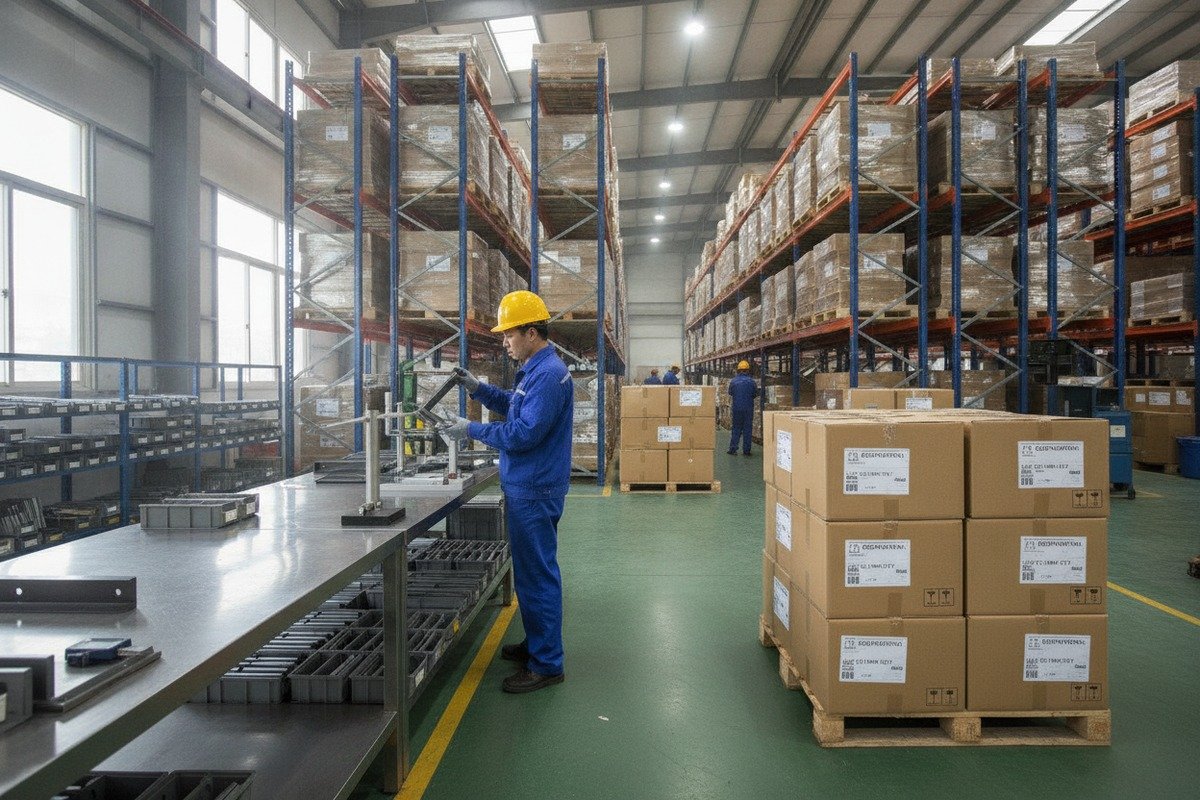
Aluminum furniture handles are not commodities. Design trends shift. Two years ago, Vietnamese furniture makers favored bright chrome handles. Today, the demand has moved toward matte finishes — champagne gold, charcoal grey, and minimalist recessed pulls with clean architectural lines. A supplier who does not track these shifts will keep pushing outdated products.
A specialized Vietnam sales team visits local furniture expos, follows Vietnamese interior design publications, and maintains direct contact with furniture factories across the country. They know what is selling in Hanoi showrooms and what Ho Chi Minh City kitchen cabinet makers are specifying for their latest lines.
Current Trends in Vietnamese Aluminum Handle Design
Based on feedback from our Vietnamese clients and market observations, here are the key trends driving aluminum handle demand in Vietnam right now:
| Trend | Description | Popular Finishes | Target Furniture Segment |
|---|---|---|---|
| Minimalist recessed pulls | Slim rectangular form with deep geometric channel for finger grip; low-profile L-shaped cross-section | Matte black, champagne gold, light beige | Modern kitchens, wardrobes |
| Hidden integrated handles | Handle integrated into the edge of the cabinet door; invisible from the front | Anodized silver, space grey | High-end custom kitchens |
| Long bar handles | Extended bar pulls spanning 300mm to 600mm | Brushed nickel, matte charcoal | Premium wardrobes, vanities |
| Two-tone contrast handles | Handle body in one finish, accent detail in another | Black with gold accent, grey with silver | Boutique furniture showrooms |
The Metal Segment Is Growing Fast
The Vietnamese furniture market is shifting. Wood still dominates with about 71.42% market share. But metal is the fastest-growing material segment. Vietnamese consumers are drawn to stainless steel Inox 304 systems and aluminum hardware for their durability, hygiene benefits, and modern aesthetics. This shift creates a massive opportunity for aluminum handle importers — but only if they source the right designs.
A specialized sales team can tell you exactly which handle profiles are gaining traction. They can show you what competitors like Ocimi (the exclusive distributor of YKEBR hardware in Vietnam with offices in Hanoi and Ho Chi Minh City) are offering. They can alert you when a new finish or profile becomes popular so you can stock it before your competitors do.
From Trend to Inventory Decision
This is where market intelligence becomes profit. If your supplier's sales team tells you that recessed channel handles in champagne gold anodized finish are outselling all other styles by a 3:1 ratio in Vietnamese kitchen projects, you can adjust your order accordingly. You stock what sells. You avoid sitting on inventory that collects dust.
Global hardware companies like Blum and Hettich have recognized this need and established joint subsidiaries in Vietnam to provide localized distribution and market intelligence. Companies like Ghonor have gone further, setting up Vietnamese factories with over 5,000 molds and 30 aluminum alloy production lines. These moves signal a clear industry trend: local expertise drives market success.
For mid-sized Vietnamese distributors and furniture factories, you may not need a supplier with a factory in Vietnam. But you absolutely need one with a team that understands your market. That team is your eyes and ears on the ground, translating Chinese production capability into Vietnamese market opportunity.
How does having a dedicated support team for my region ensure I receive faster technical guidance and after-sales service?
Our engineers and quality team have handled after-sales cases where a quick response saved a Vietnamese client's entire production schedule. Speed matters in this business — a two-week delay waiting for remote support from a generic Chinese helpdesk can cost you a major contract.
A dedicated regional support team delivers faster response times, on-the-ground inspection capability, and direct access to technical engineers who understand your local requirements. This means defective batches get resolved in days instead of weeks, warranty claims are handled efficiently, and your production line never stops waiting for supplier support.

The After-Sales Gap in Cross-Border Hardware Trade
Here is a truth that many Chinese suppliers will not tell you upfront: pre-sale service is easy. Everyone is responsive and helpful when they want your order. The real test comes after the goods arrive. What happens when a batch of 3,000 handles shows up with a surface finish that does not match the approved sample? What happens when the anodization starts peeling after three months? What happens when the hole spacing is off by 2mm and your factory workers cannot install them?
Without a dedicated support team for Vietnam, here is what typically happens: you send an email in English. You wait 24-48 hours for a reply. The reply asks for photos. You send photos. Another 24-48 hours. They ask for more details. Another round of emails. By the time you get a resolution plan, two weeks have passed. Your production is stalled. Your client is furious.
What Dedicated Regional Support Looks Like
A supplier with a dedicated Vietnam support team operates differently. Here is how the process changes:
First, you contact the team via WhatsApp in Vietnamese. You describe the issue. Within hours — not days — a team member responds. If the issue requires physical inspection, a representative can visit your warehouse or factory. They inspect the goods, document the problem, and relay the findings directly to the Chinese factory's quality control department. A replacement or refund plan is initiated within days.
Response Time Comparison
The difference in response time is dramatic and directly impacts your business:
| After-Sales Stage | Without Dedicated Vietnam Team | With Dedicated Vietnam Team |
|---|---|---|
| Initial complaint submission | Email in English; 24-48 hour response | WhatsApp in Vietnamese; 2-4 hour response |
| Evidence gathering | Multiple email rounds over 3-5 days | Single WhatsApp exchange with photos and video |
| Issue diagnosis | Remote assessment; 5-7 days | On-site inspection possible; 1-2 days |
| Resolution proposal | 10-14 days total | 3-5 days total |
| Replacement shipment | Standard shipping; 15-20 days | Priority shipping from 300-ton ready stock; 5-7 days |
| Warranty claim processing | Unclear process; buyer bears burden of proof | Structured process managed by local team |
The Feedback Loop That Improves Your Products
Beyond resolving problems, a dedicated support team creates a feedback loop. They collect insights from Vietnamese furniture makers about what works and what does not. Maybe a certain handle profile is beautiful but too sharp for kitchen use. Maybe a specific finish scratches too easily in humid Vietnamese conditions. This feedback goes directly to the Chinese factory's R&D team. The result? Better products designed specifically for Vietnamese conditions.
At our facility, we maintain 300 tons of ready-to-ship inventory. When a Vietnamese client reports an issue, our Vietnam support team can authorize a replacement shipment from existing stock within 48 hours. Custom replacements take 3-7 days. This speed is only possible because the support team has direct access to our production schedule and inventory system.
Warranty and Consumer Protection
Vietnamese consumer protection regulations differ from Chinese and international standards. A dedicated team understands these local laws. They can manage warranty claims in a way that complies with Vietnamese regulations, protecting both the buyer and the supplier from legal complications.
The bottom line is this: after-sales service is where long-term business relationships are built or destroyed. A supplier who invests in a dedicated Vietnamese support team is signaling that they care about your business beyond the initial transaction. That is the kind of partner who helps you grow.
Conclusion
Checking whether your Chinese aluminum handle supplier has a dedicated Vietnamese team is not optional — it is essential. From clear communication and smooth customs clearance to trend intelligence and fast after-sales support, this single factor determines whether your sourcing experience is profitable or problematic. Prioritize suppliers who invest in your market.
Footnotes
1. Provides information on aluminum alloy compositions and their properties. ↩︎
2. Replaced HTTP 403 with Wikipedia’s comprehensive definition of supply chain, an authoritative and accessible source. ↩︎
3. Compares anodizing and powder coating as surface finishes for aluminum. ↩︎
4. Details the manufacturing process and uses of extruded aluminum profiles. ↩︎
5. Explains the geometric properties of cross sections in engineering. ↩︎
6. Explains the importance of verifying specifications in engineering and production. ↩︎
7. Provides an overview of customs regulations for importing into Vietnam. ↩︎
8. Explains Harmonized System (HS) codes for customs classification. ↩︎
9. Outlines essential import documentation requirements for international trade. ↩︎
10. Offers market analysis and forecasts for the kitchen furniture industry in Vietnam. ↩︎