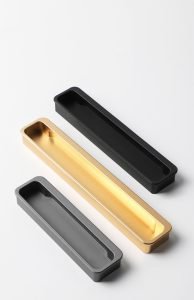
Every year, our production floor receives returns from buyers who trusted a supplier’s verbal promise of “corrosion-proof” handles—only to find white rust 1 blooming across the surface within months of coastal installation.
To request salt spray test reports when sourcing aluminum furniture handles, specify the test standard (ASTM B117 or ISO 9227), required hours (240–3000+), and ask for third-party lab certificates with before-and-after photos. Always verify the testing agency’s accreditation and cross-reference results with your intended application environment.
This guide breaks down exactly what to ask for, what red flags to watch, and how to set the right test duration for your market. Let’s walk through it step by step.
Why should I prioritize salt spray test reports for my aluminum handle imports?
We ship thousands of aluminum profile handles to Southeast Asia and the Middle East each month, and the number one complaint from new buyers is finish degradation they didn't expect.
Salt spray test reports should be your top priority because they objectively measure how long an aluminum handle's coating resists corrosion under accelerated conditions, directly predicting field performance in humid, coastal, or high-salinity environments where untested handles fail prematurely.
What Happens Inside a Salt Spray Chamber
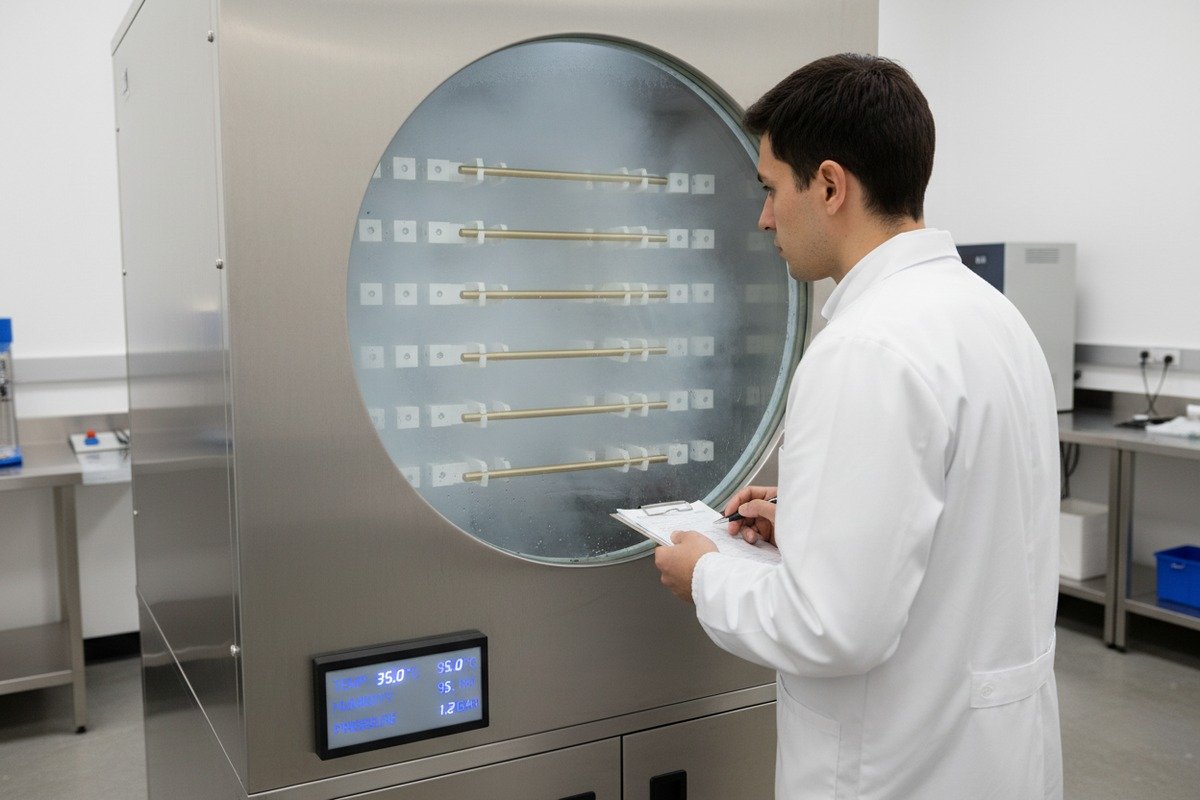
A salt spray test chamber creates a controlled fog of 5% sodium chloride (NaCl) solution at 35°C. This mist coats every surface of your handle samples continuously. The chamber accelerates what would take months or years of natural exposure into days or weeks. The goal is simple: find out when and how the finish breaks down.
For aluminum handles, the most common failure mode is white rust. This is aluminum chloride (AlCl₃) forming on the surface. It looks like a chalky white powder. It destroys the aesthetic appeal of a handle and signals coating failure. In severe cases, pitting corrosion eats into the base metal, weakening the handle structurally.
Why Verbal Promises Are Not Enough
Many suppliers will tell you their handles are "anti-corrosion" or "suitable for outdoor use." Without a test report, these claims mean nothing. On our production line, we have seen identical-looking anodized handles from different factories perform wildly differently—one lasting 3,000 hours, another failing at 200 hours. The difference comes down to anodizing thickness, sealing quality, and coating type.
The Real Cost of Skipping This Step
If you import 10,000 handles without a salt spray report and they fail in the field, you face product returns, warranty claims, and damaged relationships with your own customers. For building material distributors, this can mean losing an entire project contract. A single test report costs a fraction of that risk.
Key Risks by Application Environment
| Application Environment | Primary Corrosion Risk | Minimum Recommended Test Hours |
|---|---|---|
| Indoor (low humidity) | Minimal surface tarnish | 96–168 hours |
| Indoor (high humidity, kitchens/baths) | White rust, coating peel | 240–500 hours |
| Outdoor (mild climate) | Pitting, UV + salt synergy | 500–1000 hours |
| Outdoor (coastal/marine) | Severe pitting, galvanic corrosion 2 | 1000–3000+ hours |
| Industrial/chemical exposure | Accelerated coating failure | 3000+ hours (CASS/AASS) |
This table should guide every conversation you have with your supplier. If they cannot meet the minimum hours for your target market, walk away.
Aluminum's Unique Vulnerability
Aluminum is not stainless steel. It forms a natural oxide layer, but this layer is thin and easily breached. When aluminum handles are paired with steel screws or zinc fittings, galvanic corrosion accelerates dramatically. A salt spray report tells you whether the supplier has addressed this risk through proper coating and design.
How can I verify that the salt spray test results from my supplier are authentic?
Our quality team has encountered doctored reports, recycled certificates from old batches, and even fabricated lab logos. Verification is not optional—it protects your investment.
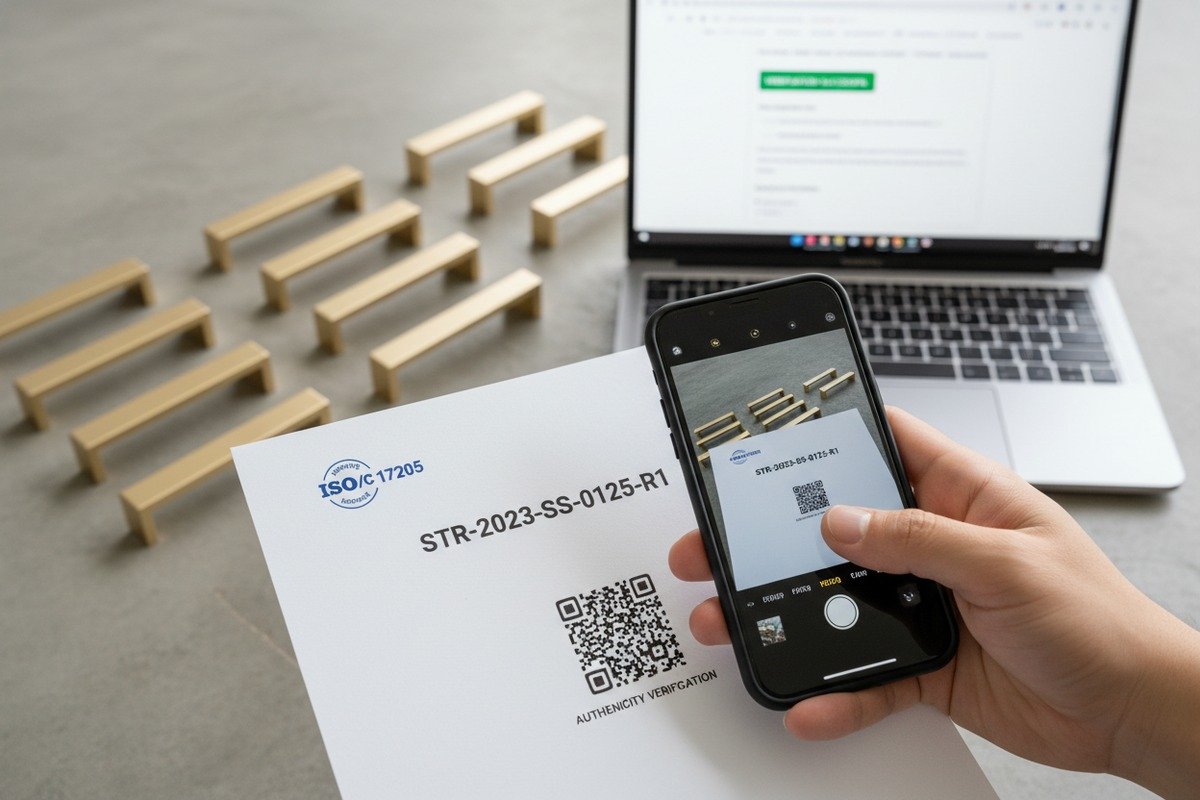
Verify authenticity by cross-checking the testing laboratory's accreditation (ISO/IEC 17025), contacting the lab directly with the report number, requesting original digital photos with timestamps, and comparing the tested sample specifications against your actual order's coating type, thickness, and substrate material.
Step 1: Check the Lab's Accreditation
A legitimate salt spray test report comes from an accredited laboratory. Look for ISO/IEC 17025 accreditation 4, which is the international standard for testing and calibration laboratories. In China, labs accredited by CNAS 5 (China National Accreditation Service) are widely recognized. Other reputable labs include SGS, TÜV, Intertek, and the Korea Testing Institute (KTI).
If the report lists an unknown lab name, search for their accreditation certificate online. Any serious lab publishes their scope of accreditation publicly.
Step 2: Contact the Lab Directly
Take the report number and contact the lab. Ask them to confirm: Was this test conducted? On what date? For which company? This single step eliminates 90% of fraudulent reports. Legitimate labs keep records and will confirm or deny the report's existence.
Step 3: Match the Tested Sample to Your Order
This is where many buyers slip up. A supplier may have a genuine report—but for a different product. Check these details carefully:
| Report Detail | What to Verify |
|---|---|
| Substrate material | Must match your handle's alloy (e.g., 6063-T5 aluminum) |
| Coating type | Anodized, powder-coated, PVDF, electroplated—must match |
| Coating thickness | Should align with your spec (e.g., 15μm anodizing, 60μm powder coat) |
| Sample dimensions | Should resemble your handle profile |
| Test standard | ASTM B117, ISO 9227 6, or EN 1670 as appropriate |
| Test duration | Must meet or exceed your requirement |
| Date of test | Should be recent—within 12 months ideally |
Step 4: Demand Visual Evidence
A proper report includes photos of the specimens before exposure, during intermediate inspections, and after the full test duration. Look for clear, timestamped images. If a supplier provides only a one-page summary with no photos, request the full report. At our facility, we always include high-resolution images showing the handle surface at multiple stages.
Step 5: Request Raw Data When Possible
Beyond pass/fail, ask for quantitative data. This includes corrosion rate measurements, weight loss figures, and adhesion test results post-exposure. For electroless nickel coatings on aluminum connectors, for example, bonding resistance should stay below 2.5 mΩ. Reports showing values like 0.13–0.87 mΩ baseline give you real confidence.
Red Flags to Watch For
- Report has no lab logo or accreditation number
- Test duration is suspiciously short (e.g., 24 hours for "outdoor grade" handles)
- No photos or only "after" photos with no baseline
- Supplier refuses to share the lab's contact information
- Report is a scanned copy with blurry text or mismatched fonts
What specific salt spray hour requirements should I set for my furniture handle orders?
When we develop new handle profiles in Foshan, the first question from our engineering team is always: "Where will this handle live?" The answer determines everything about coating specification and testing duration.
For indoor furniture handles, require a minimum of 168–500 hours of neutral salt spray (NSS) per ASTM B117. For outdoor or high-humidity applications, demand 500–1000 hours. For coastal or marine environments, set the bar at 1000–3000+ hours, and consider AASS or CASS testing for accelerated evaluation of aluminum-specific coatings.
Understanding the Major Test Standards
Not all salt spray tests are equal. The standard you reference and the test type you specify make a massive difference.
| Standard | Test Type | Typical Duration | Best For |
|---|---|---|---|
| ASTM B117 | Neutral Salt Spray (NSS) | 96–3000+ hours | General corrosion testing, most common globally |
| ISO 9227 | NSS, AASS, CASS | Varies by type | International equivalent of ASTM B117 |
| EN 1670 7:2007 | NSS graded system | Grade 1 (24h) to Grade 5 (480h) | European building hardware classification |
| AAMA 2605 8 | NSS + field exposure | 4000+ hours + Florida test | Premium architectural aluminum (PVDF coatings 9) |
| ASTM B368 | CASS (copper-accelerated) | 6–720 hours | Aggressive test for decorative chrome/nickel on aluminum |
How to Choose the Right Duration
The right test duration depends on three factors: the end-use environment, the coating system, and the warranty period you need to offer your customers.
For basic indoor handles such as kitchen cabinet pulls or wardrobe knobs used in dry climates, 168 to 240 hours of NSS testing is commonly sufficient. This covers standard anodized finishes with 7–15μm thickness. A handle that survives 168 hours without red corrosion or significant pitting will perform well indoors for years.
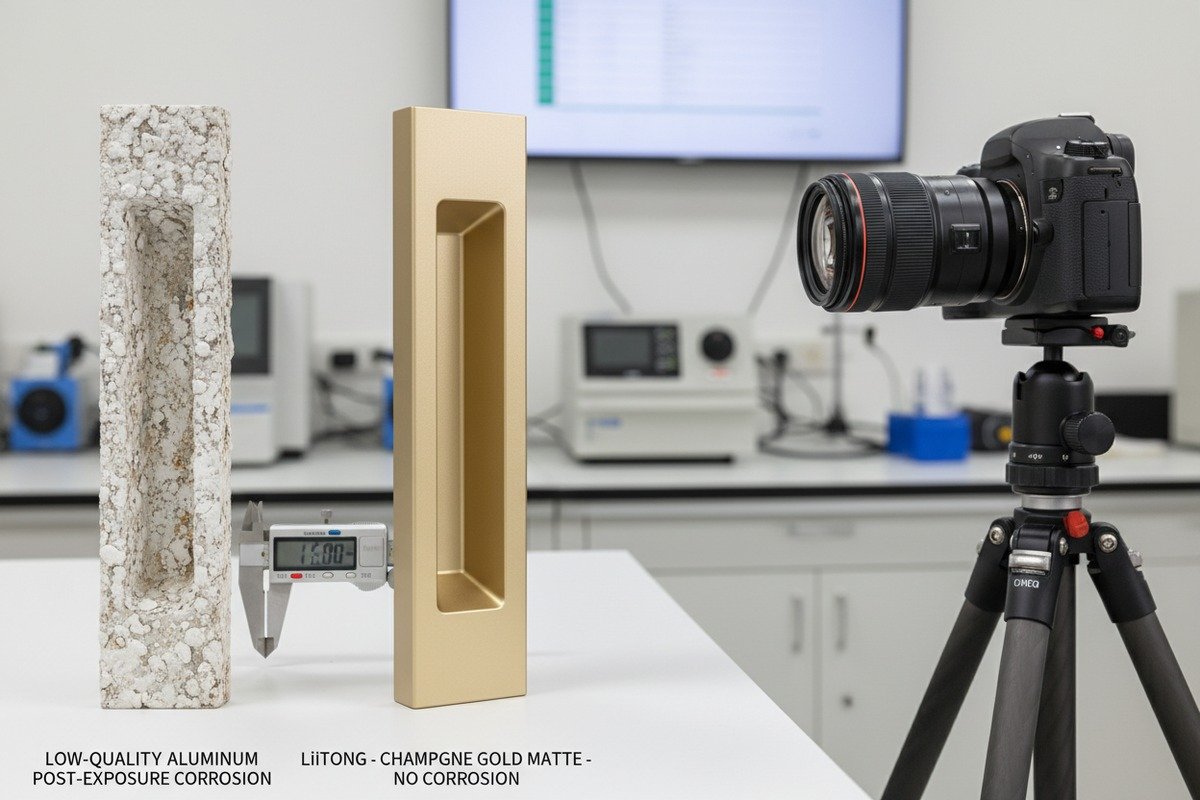
For bathroom and kitchen handles in humid regions like Southeast Asia, step up to 480–500 hours. EN 1670 Grade 5 (480 hours) is the European benchmark for high-performance building hardware. This is where we see the biggest gap between cheap imports and quality product. Many budget handles fail between 200–300 hours, showing visible white rust and coating bubbles.
For outdoor, coastal, and marine applications, the bar moves to 1000 hours minimum. Premium suppliers—including our own factory—test to 3000 hours for handles destined for beachside villas, resort furniture, and marine-adjacent commercial projects. At 3000 hours in ASTM B117 conditions, quality anodized and powder-coated handles show zero corrosion, while competitor handles in the same chamber seize up and show severe rust on integrated steel components.
The 3000-Hour Benchmark
The industry is shifting. More and more specifiers and architects demand 3000+ hour salt spray performance as the baseline for premium hardware. This aligns with 10–15 year warranty expectations for coastal properties. If your market includes high-end residential or hospitality projects, specifying 3000 hours positions your product line above the competition.
PVDF and Advanced Coatings
For the highest performance tier, PVDF (polyvinylidene fluoride) coatings with 70% fluoropolymer content are tested to 4000+ hours under AAMA 2605. These coatings are then subjected to real-world South Florida exposure testing, monitoring adhesion, gloss retention, and chalking over years. This level of testing is typically reserved for architectural aluminum, but forward-thinking furniture hardware buyers are beginning to adopt it for exterior applications.
Duration vs. Coating Thickness
A common mistake is setting a high hour requirement without specifying coating thickness. Thicker coatings naturally survive longer. If you request 1000 hours but accept a 5μm anodized layer, you will get failures. Here is a practical guideline:
- 7–8.5μm anodizing: Suitable for 100–240 hours
- 15μm anodizing: Suitable for 240–500 hours
- 25μm hard anodizing: Suitable for 500–1000 hours
- 60–80μm powder coating: Suitable for 1000–2000 hours
- PVDF multi-layer: Suitable for 3000–4000+ hours
Always pair your hour requirement with a coating thickness specification in your purchase order.
Can I request custom salt spray testing for my OEM aluminum profile designs?
Our OEM clients often bring unique profile geometries—edge-mount finger pulls, recessed channel handles, or integrated trim pieces—that don't match any off-the-shelf test data from our catalog.
Yes, you can and should request custom salt spray testing for OEM aluminum profile designs. Specify your exact alloy, coating system, and test standard in the development agreement. Any reputable manufacturer will submit your custom samples to an accredited lab and provide a dedicated test report tied to your specific design and finish.

Why Custom Testing Matters for OEM Designs
Standard test reports from a supplier's catalog cover their existing product line. Your OEM design is different. It may use a different alloy (6061 vs. 6063), a different surface treatment (brushed vs. sandblasted before anodizing), a unique profile geometry that creates crevices, or a multi-material assembly that introduces galvanic risks. All of these variables change corrosion behavior. A test report from a similar-looking handle does not guarantee your custom handle will perform the same way.
On our production line, when a client submits a new OEM profile, we produce pilot samples and send them to a CNAS-accredited lab before mass production. This costs time and money, but it prevents catastrophic field failures. We have seen cases where a simple design change—adding a recessed channel for a finger pull—created a moisture trap that caused localized corrosion 300 hours earlier than the flat-surface version.
What to Include in Your Custom Test Request
When you send your OEM brief, include the following in your testing requirements:
- Alloy specification (e.g., 6063-T5 aluminum)
- Surface pre-treatment (chemical etching, mechanical brushing, sandblasting)
- Coating type and thickness (anodized 15μm, powder coat 60μm, PVDF 30μm)
- Test standard (ASTM B117 NSS, ISO 9227, or EN 1670 with specific grade)
- Test duration (match to your target market environment)
- Number of specimens (minimum 3 per test for statistical reliability)
- Evaluation criteria (no white rust, no pitting >1mm diameter, adhesion retention)
- Photographic documentation at 0, 50%, and 100% of test duration
Sample Request Email Template
Here is a template you can adapt when communicating with your supplier:
Subject: OEM Salt Spray Test Requirement – [Your Handle Model]
Dear [Supplier],
For our upcoming OEM order of [handle description], please arrange salt spray testing under the following conditions:
- Standard: ASTM B117 Neutral Salt Spray
- Duration: [X] hours
- Specimens: 3 pieces of production-representative samples
- Alloy: 6063-T5
- Finish: [Your coating spec, e.g., anodized champagne gold, 15μm]
- Lab: CNAS or ISO 17025 accredited
- Deliverables: Full report with before/during/after photos, corrosion metrics, and pass/fail assessment
Please confirm timeline and any additional cost for testing.
Cost and Timeline Expectations
Custom salt spray testing is not free, but it is affordable relative to the risk it mitigates. Here is what to expect:
| Item | Typical Cost (USD) | Timeline |
|---|---|---|
| Sample preparation (3 pcs) | $50–$150 | 3–5 days |
| ASTM B117 test (500 hours) | $200–$500 | 21 days |
| ASTM B117 test (1000 hours) | $400–$800 | 42 days |
| ASTM B117 test (3000 hours) | $800–$1500 | 125 days |
| Full report with photos | Usually included | 3–5 days after test |
| CASS or AASS variant | +20–40% premium | Varies |
These costs are small when you consider that a single failed container of handles could cost $15,000–$50,000 in returns and lost business.
Multi-Material Assemblies Need Extra Attention
If your OEM design combines aluminum with stainless steel screws, zinc alloy bases, or steel springs, insist on testing the complete assembly—not just the aluminum profile in isolation. Galvanic corrosion between dissimilar metals is the leading cause of premature failure in furniture hardware. The salt spray test will reveal whether your supplier has properly insulated these contact points with gaskets, coatings, or compatible alloys.
Linking Test Results to Your Warranty
Once you have a custom test report, use it to build your product warranty. A handle that passes 3000 hours of ASTM B117 can confidently carry a 10–15 year corrosion warranty for coastal applications. This becomes a powerful sales tool for your distribution network. It moves your product from a commodity purchase to a performance-backed specification.
Conclusion
Salt spray test reports 10 are your most reliable tool for separating quality aluminum handles from risky ones. Specify the right standard, verify the lab, match the hours to your market, and always test custom OEM designs independently.
Footnotes
1. Defines white rust as aluminum oxidation and explains its formation and protective nature. ↩︎
2. Explains the electrochemical process where one metal corrodes preferentially when in contact with another. ↩︎
3. Official standard for operating salt spray (fog) apparatus, defining test environment. ↩︎
4. International standard for the competence, impartiality, and consistent operation of testing and calibration laboratories. ↩︎
5. Official national accreditation body of China for conformity assessment, including laboratories. ↩︎
6. International standard specifying apparatus, reagents, and procedure for salt spray tests. ↩︎
7. European standard for corrosion resistance of building hardware, classified by neutral salt spray test. ↩︎
8. Voluntary specification for superior performing organic coatings on architectural aluminum extrusions and panels. ↩︎
9. Describes the properties and benefits of PVDF coatings, especially for exterior durability and UV resistance. ↩︎
10. Explains the purpose and widespread use of salt spray testing for corrosion resistance. ↩︎