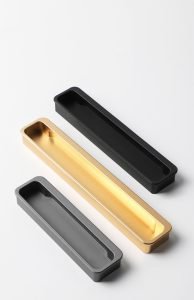
Every week, our export team in Foshan fields inquiries from buyers across Southeast Asia who also source aluminum handles from Indonesian suppliers project management platforms 1. The problem? Missed messages, delayed approvals, and production schedules that slip by days—all because of poorly managed time gaps.
To manage time differences when sourcing aluminum cabinet handles from Indonesia, identify your supplier’s exact time zone (most are on WIB, UTC+7), establish overlapping communication windows, use asynchronous tools for updates, and build buffer days into your shipping schedule to absorb delays caused by time gaps.
Time zone mismanagement is one of the most underestimated risks in cross-border sourcing. Below, we break down exactly how to align schedules, run efficient meetings, prevent shipping delays, and leverage automation so your aluminum handle orders stay on track.
How can I align my business hours with an Indonesian supplier to ensure fast responses?
When we coordinate shipments with partners across Southeast Asia, one lesson stands out: a one-hour scheduling mistake can push a reply back by a full business day. For buyers sourcing aluminum cabinet handles 2 from Indonesia, this problem is real and costly.
Most Indonesian aluminum handle manufacturers operate on Western Indonesia Time (WIB, UTC+7), with standard office hours from 8:30 AM to 5:30 PM, Monday to Friday. Align your schedule by identifying 2–3 hours of daily overlap and reserving those windows for urgent communication.

Know Which Time Zone Your Supplier Uses
Indonesia spans three time zones. However, not all three matter equally for aluminum hardware sourcing. About 80% of Indonesia's population and nearly all major aluminum extrusion and cabinet handle factories sit on Java and Sumatra—both on WIB (UTC+7). Western Indonesia Time (WIB, UTC+7) 3 Cities like Jakarta, Bandung, and Surabaya are the industrial hubs you will most likely deal with.
| Indonesia Time Zone | UTC Offset | Key Regions | Relevance to Aluminum Handles |
|---|---|---|---|
| WIB (Western) | UTC+7 | Java, Sumatra, West Kalimantan | Very High – major manufacturing hubs |
| WITA (Central) | UTC+8 | Bali, South Kalimantan, Sulawesi | Low – some design/export firms |
| WIT (Eastern) | UTC+9 | Papua, Maluku | Very Low – minimal manufacturing |
Calculate Your Overlap Window
The overlap between your working hours and your supplier's hours determines how fast you can get answers. Here is a practical reference:
| Buyer Location | Buyer UTC | Hours Behind WIB | Best Call Window (Local Buyer Time) | Jakarta Equivalent |
|---|---|---|---|---|
| US East Coast (EDT) | UTC-4 | 11 hours | 7:00–9:00 AM | 6:00–8:00 PM WIB |
| US Central (CDT) | UTC-5 | 12 hours | 6:30–8:30 AM | 6:30–8:30 PM WIB |
| Central Europe (CET) | UTC+1 | 6 hours | 1:00–5:00 PM | 7:00–11:00 PM WIB |
| Dubai (GST) | UTC+4 | 3 hours | 10:30 AM–2:30 PM | 1:30–5:30 PM WIB |
| China (CST) | UTC+8 | 1 hour ahead | 9:30 AM–5:30 PM | 8:30 AM–4:30 PM WIB |
| Australia East (AEST) | UTC+10 | 3 hours ahead | 11:30 AM–6:30 PM | 8:30 AM–3:30 PM WIB |
For buyers in China—like our own team in Foshan—the gap is just one hour. That makes real-time WhatsApp exchanges almost seamless. But if your end customers are in the Middle East or the US and you act as an intermediary, you need to plan two separate overlap windows: one with the Indonesian factory, another with your client.
Set Clear Communication Protocols
Do not assume your supplier checks email at 10 PM. Instead, agree on rules early. For example, our procurement staff uses a simple system: urgent messages go via WhatsApp during overlap hours, routine updates go by email with a 24-hour reply expectation, and sample approvals use shared Google Drive folders so both sides can review on their own time.
One important cultural note: Indonesian business culture values relationships. Calling a supplier at odd hours without prior arrangement can feel intrusive. A better approach is to ask during your first meeting: "What hours work best for calls?" This small gesture builds trust and leads to faster responses long-term.
Also, Indonesia does not observe daylight saving time 4. Their clocks stay the same year-round. So once you set your overlap calendar, it will not shift—unlike sourcing from countries that adjust clocks twice a year.
What is the most effective way for me to manage production meetings across different time zones?
On our factory floor in Foshan, we run production meetings with overseas clients almost daily. The ones that fail share a common trait: no agenda, no time discipline, and no consideration for the other side's clock. When Indonesian suppliers are involved, this gets trickier.
The most effective way to manage production meetings across time zones is to standardize meeting protocols with pre-set agendas, limit live calls to overlapping hours, record every session for absent team members, and use asynchronous video updates like Loom for non-urgent production reviews.

Why Live Meetings Still Matter
Some buyers argue that emails and chat messages are enough. They are not—at least not for critical milestones. When you are approving a new aluminum handle finish, reviewing a prototype's edge profile, or negotiating tolerances on a minimalist finger pull design, a live video call lets both sides hold up the sample, point to details, and make decisions in minutes instead of days.
However, live meetings across time zones must be efficient. Here is the framework we recommend:
The 3-Step Meeting Framework
Step 1: Pre-meeting prep. Send the agenda, sample photos, and specific questions at least 12 hours before the call. This lets the Indonesian team gather information during their working hours before you even wake up.
Step 2: Keep it short. Aim for 20–30 minutes. Long meetings waste the narrow overlap window. Assign a timekeeper. Cover only items that need real-time dialogue—design changes, quality issues, shipment emergencies.
Step 3: Post-meeting documentation. Within one hour of the call, email a summary with action items, deadlines, and responsible persons. This eliminates "I thought you said…" confusion that time gaps amplify.
When Live Calls Are Not Possible
For teams with almost zero overlap—say a US West Coast buyer and a Jakarta supplier—try the "follow the sun" method. At the end of your workday, record a 3–5 minute Loom video walking through your questions. The Indonesian team watches it first thing in their morning, records their reply, and you have it when you start your next day. It is not instant, but it keeps progress moving in under 24 hours.
Many Indonesian exporters now use WhatsApp video notes for this exact purpose. Our experience is that short recorded messages build a personal connection almost as well as live calls do.
Scheduling Tools That Help
Use tools like World Time Buddy or Calendly with automatic time zone detection. When you send a Calendly link, your Indonesian supplier sees available slots in their local time. No math. No errors. For ongoing projects, set a recurring weekly slot—say every Tuesday at 7:00 PM WIB / 7:00 AM US Eastern—so it becomes routine.
Also, designate one "time zone lead" on your team. This person owns the meeting calendar, sends reminders in both time zones, and follows up on action items. In our company, this role sits with the project coordinator, and it has cut scheduling errors by over half.
How do I prevent shipping delays caused by time gaps in my sourcing process?
From our 18 years of handling aluminum profile exports, we have seen the same pattern: a one-day communication delay in approvals compounds into a one-week shipping delay. When your supplier is in a different time zone, every unanswered message is a ticking clock.
Prevent shipping delays by building 2–3 buffer days into every milestone, pre-approving shipping documents during overlap hours, granting your freight forwarder authority to act within set parameters, and tracking Indonesian public holidays—especially Idul Fitri—which can halt production for over a week.
Where Time Gaps Create Shipping Bottlenecks
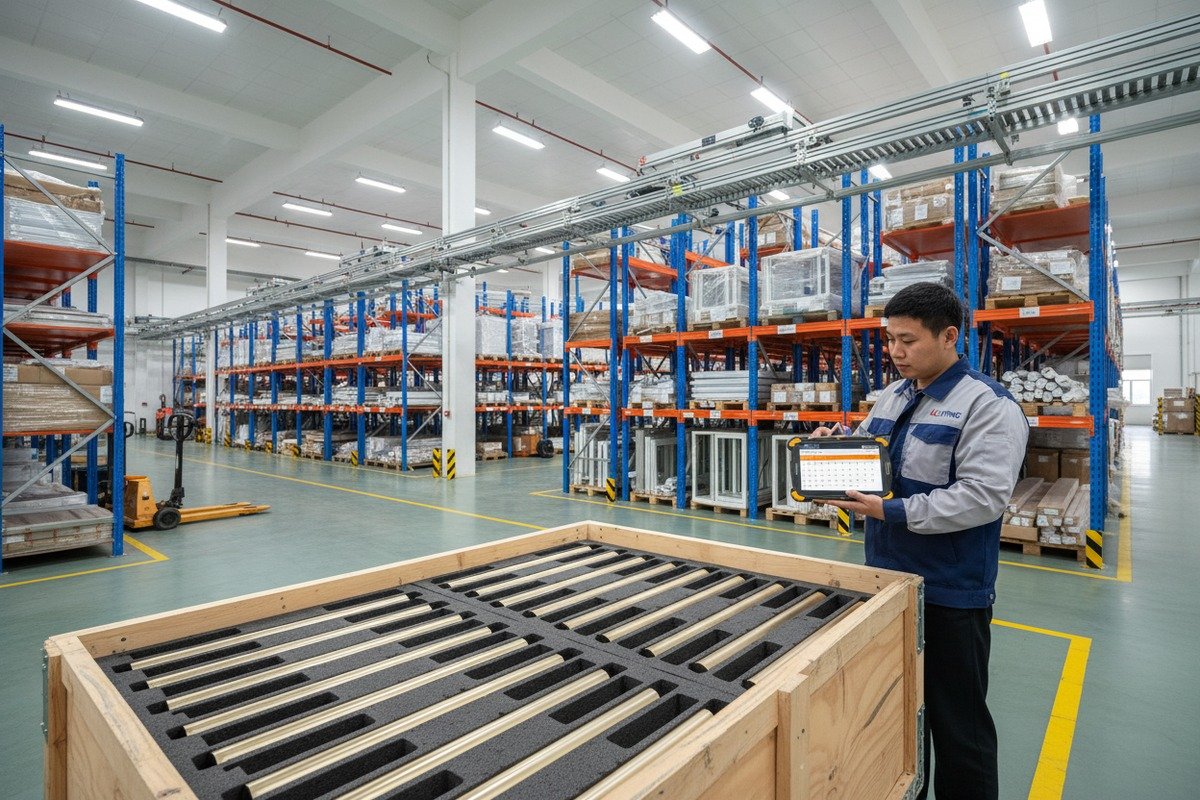
The shipping process for aluminum cabinet handles involves multiple approval points: production completion confirmation, quality inspection sign-off, packing list review 6, commercial invoice approval, booking confirmation with the freight forwarder 7, and customs documentation. Each step requires a response from the buyer. If your supplier sends a packing list at 4:00 PM WIB and you are in the US Central time zone, you will not see it until your morning—roughly 14 hours later. If you have questions, the back-and-forth adds another day.
Multiply this across five or six approval stages, and you can easily lose a full week.
Build Buffer Days Into Every Milestone
Here is a practical shipping timeline comparison:
| Milestone | Without Buffer | With 2-Day Buffer | Notes |
|---|---|---|---|
| Production complete → QC sign-off | 1 day | 3 days | Allows for time-zone-delayed feedback |
| QC approved → Packing list sent | 0.5 day | 1.5 days | Supplier may need to revise packing specs |
| Packing list approved → Booking | 1 day | 2 days | Freight forwarder needs confirmed details |
| Booking → Container loading | 1 day | 2 days | Port congestion can add surprises |
| Loading → Bill of lading issued | 2 days | 3 days | Document corrections cross time zones |
| Total | 5.5 days | 11.5 days | Buffer absorbs all time-zone friction |
Yes, the buffered timeline looks longer on paper. But in practice, it is more reliable. Orders without buffers routinely miss vessel cut-off dates and get pushed to the next sailing—adding 7–14 days.
Pre-Approve Documents With Conditional Authority
One tactic we use with our own clients: before production finishes, agree on document templates. If the final packing list matches the pre-approved template within a 2% quantity tolerance, the supplier can proceed to booking without waiting for another round of approval. This eliminates one full time-zone cycle from the process.
Similarly, give your freight forwarder conditional booking authority. If the cargo is ready and documents match, they book the next available vessel. You review details after, not before.
Watch the Holiday Calendar
Indonesian national holidays can catch foreign buyers off guard. Idul Fitri (Eid al-Fitr) 8 often brings 1–2 weeks of factory shutdowns when you combine official holidays with collective leave. Other holidays like Independence Day (August 17), Nyepi (for Bali-based contacts), and year-end holidays also reduce capacity.
Plan your orders so that critical approval stages do not land during these periods. Ask your supplier for their annual holiday schedule in January and map it against your order timeline.
Can I use automated communication tools to stay updated on my aluminum handle order?
Our team started integrating automated order tracking into our workflow three years ago, and it changed how we serve clients in the Middle East and Southeast Asia. Buyers no longer need to send "Any update?" messages. The system tells them before they ask.
Yes, automated tools like ERP-integrated dashboards, scheduled WhatsApp Business API updates, and shared project management platforms can send real-time production status, shipping milestones, and document notifications—removing the need for manual follow-ups across time zones.
What Tools Work Best for Aluminum Handle Sourcing?
Not every Indonesian supplier uses the same technology stack. Larger exporters in Jakarta may have full ERP systems, while smaller factories in rural Java might rely on WhatsApp and email. The key is choosing tools that both sides will actually use.
Here are the most practical options ranked by adoption ease:
Tool Comparison for Cross-Time-Zone Order Management
| Tool | Type | Best For | Indonesian Supplier Adoption | Cost |
|---|---|---|---|---|
| WhatsApp Business API 9 | Messaging + automation | Order status alerts, quick approvals | Very High | Low–Free |
| Google Sheets (shared) 10 | Spreadsheet | Production tracking, milestone updates | High | Free |
| Trello / Asana | Project management | Multi-stage order tracking | Medium | Free–Low |
| Loom | Async video | Sample reviews, quality inspections | Medium | Free–Low |
| Slack | Team messaging | Ongoing project channels | Low–Medium | Free–Paid |
| ERP with client portal | Full system | End-to-end order visibility | Low (large firms only) | High |
How Automation Bridges the Time Gap
The real power of automation is that it works while you sleep. Set up a shared Google Sheet where the Indonesian factory updates production status daily at 5:00 PM WIB. When you open your laptop in the morning—whether you are in Dubai, Chicago, or Sydney—the latest status is already there. No waiting. No asking.
For more advanced setups, WhatsApp Business API can push automated messages at key milestones: "Your order #4521 has passed QC inspection," or "Packing complete. Awaiting your shipping document approval." These messages trigger based on the supplier updating their internal system, so the buyer receives information without anyone manually typing a message.
Overcoming Tech Resistance
Some smaller Indonesian aluminum handle manufacturers are hesitant to adopt new platforms. Poor internet in certain industrial zones adds to the challenge. The solution is to meet them where they are. If they use WhatsApp, build your workflow around WhatsApp. If they prefer email, create email-based status templates with checkboxes they can fill in quickly.
From our experience, the most successful approach is to offer a simple template during the onboarding phase. We give our clients a one-page production tracker in Google Sheets. It takes the factory two minutes per day to update. This low-friction method works even with suppliers who have never used project management software.
Loom and Video Notes for Quality Checks
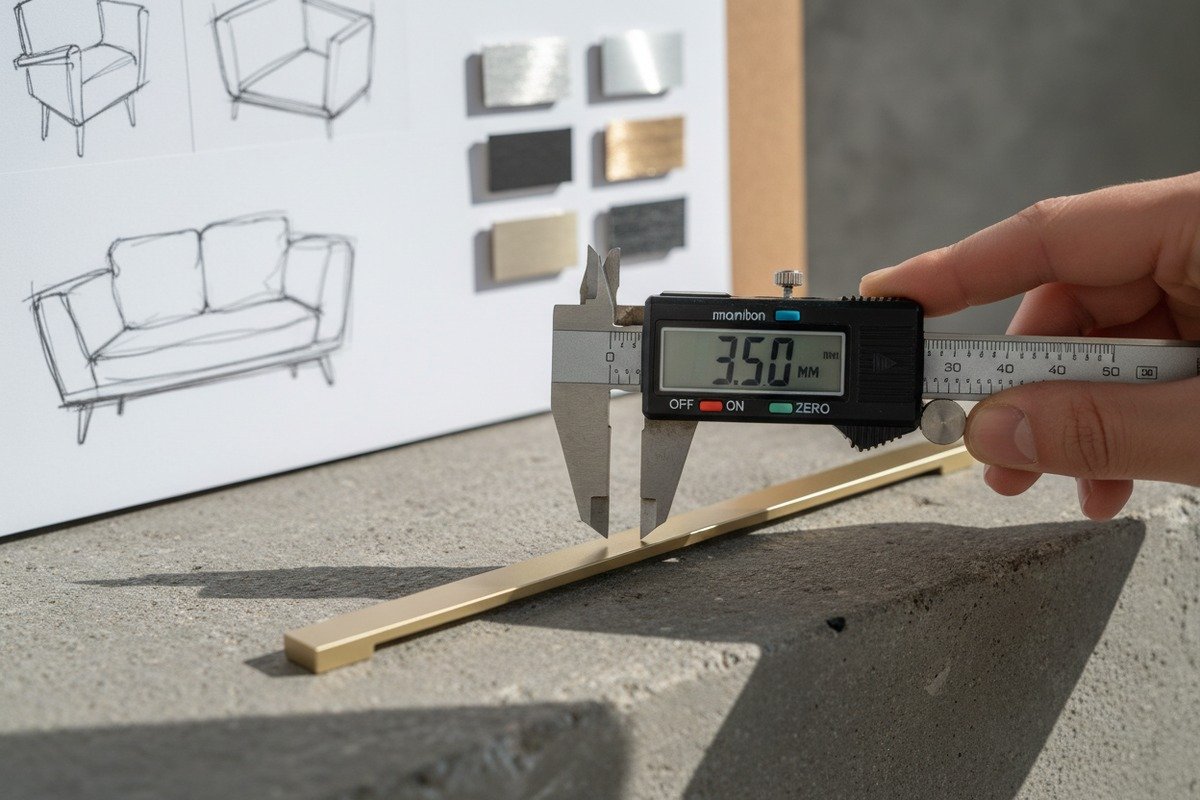
For aluminum cabinet handles with specific finishes—like the brushed champagne gold or matte silver profiles common in minimalist designs—photos sometimes do not capture surface quality accurately. A 30-second Loom video or WhatsApp video note showing the handle under different lighting angles communicates more than ten photos. This asynchronous video approach is especially useful when live calls are difficult to schedule.
Some forward-thinking Indonesian exporters now send daily video walkthroughs of the production floor tagged with order numbers. Buyers review these at their convenience. It creates transparency and trust without requiring anyone to stay up late for a call.
Conclusion
Managing time differences when sourcing aluminum cabinet handles from Indonesia comes down to preparation, the right tools, and respect for your supplier's schedule. Plan your overlap windows, automate what you can, and build buffers into every milestone.
Footnotes
1. Offers a general overview of project management software categories. ↩︎
2. Explains the fundamental process for creating aluminum products. ↩︎
3. Provides details on Indonesia’s primary time zone. ↩︎
4. Reference 2. ↩︎
5. Identifies key industrial and economic centers in Indonesia. ↩︎
6. Reference 6. ↩︎
7. Reference 4. ↩︎
8. Reference 5. ↩︎
9. Provides official information on WhatsApp’s business messaging platform. ↩︎
10. Explains collaboration features within Google Sheets for teamwork. ↩︎