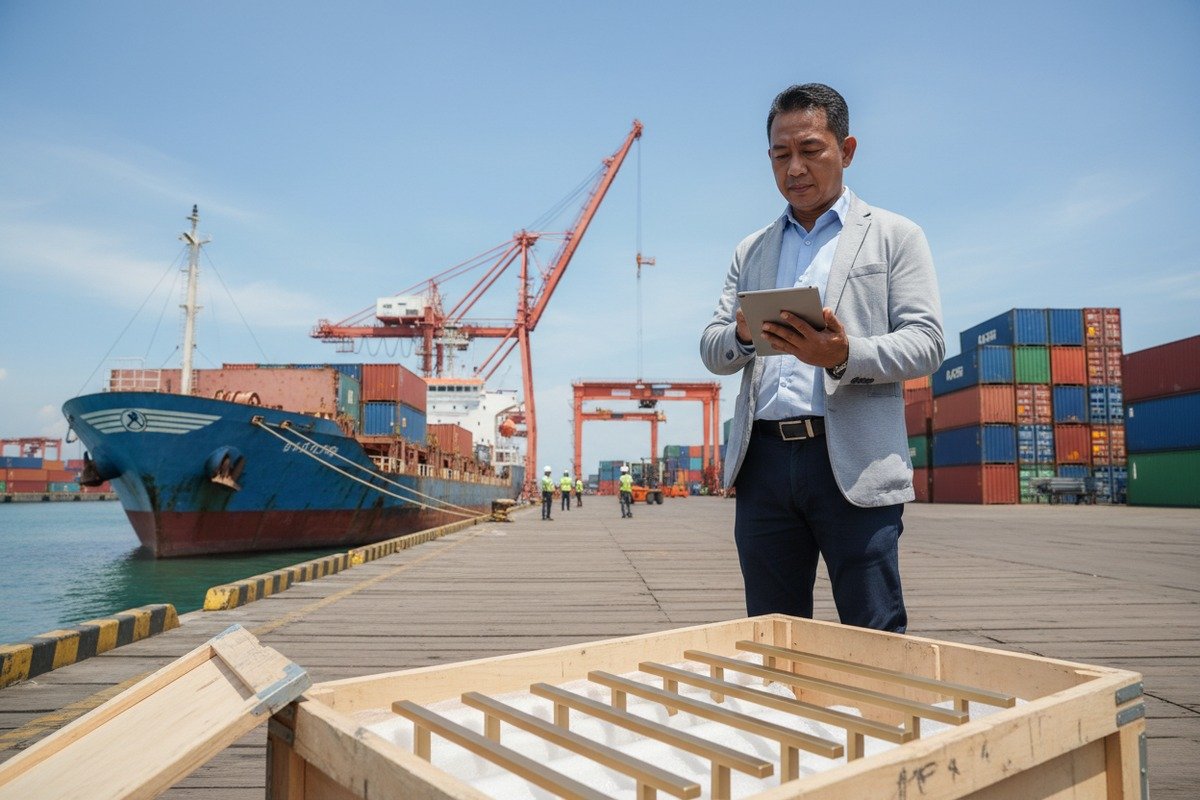
Every monsoon season, our customer service team fields calls from Indonesian distributors who opened containers to find scratched, dented, or corroded aluminum cabinet handles after inter-island transit.
To handle inter-island cargo damage when sourcing aluminum cabinet handles from Indonesia, secure proper marine cargo insurance, use moisture-proof VCI packaging, choose experienced carriers with damage waivers, vet suppliers for logistics expertise, and file claims within the one-year legal window under Indonesian maritime law.
Inter-island shipping in Indonesia 1 moves 80% of domestic cargo across 17,000 islands. That means rough seas, humid holds, and multiple handling points VCI (Volatile Corrosion Inhibitor) bags 2. Below, we break down exactly how to protect your aluminum hardware investment at every stage of the journey.
How can I ensure my aluminum cabinet handles are packaged securely to avoid scratches during inter-island shipping?
Scratched handles are the number one complaint we hear from buyers who source aluminum profiles through Indonesian inter-island routes PE foam wraps 3. A single container of damaged pulls can cost you $1,200 or more in claims.
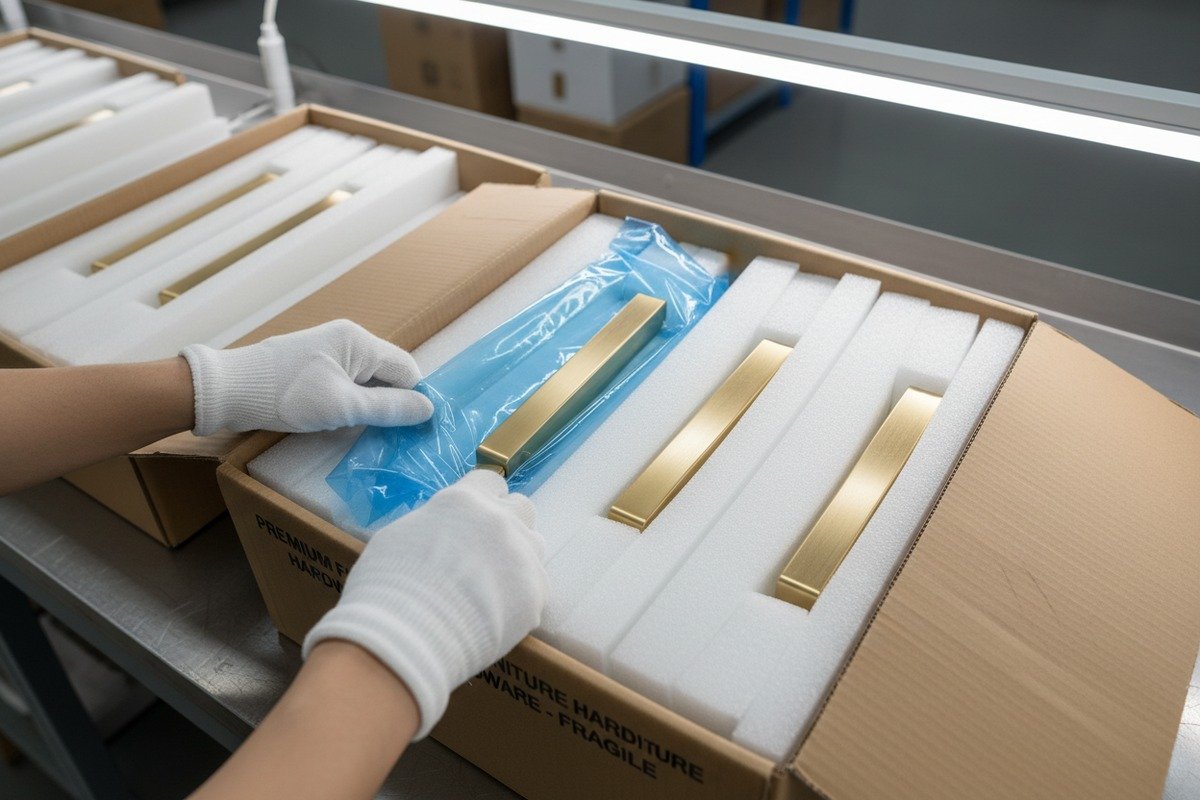
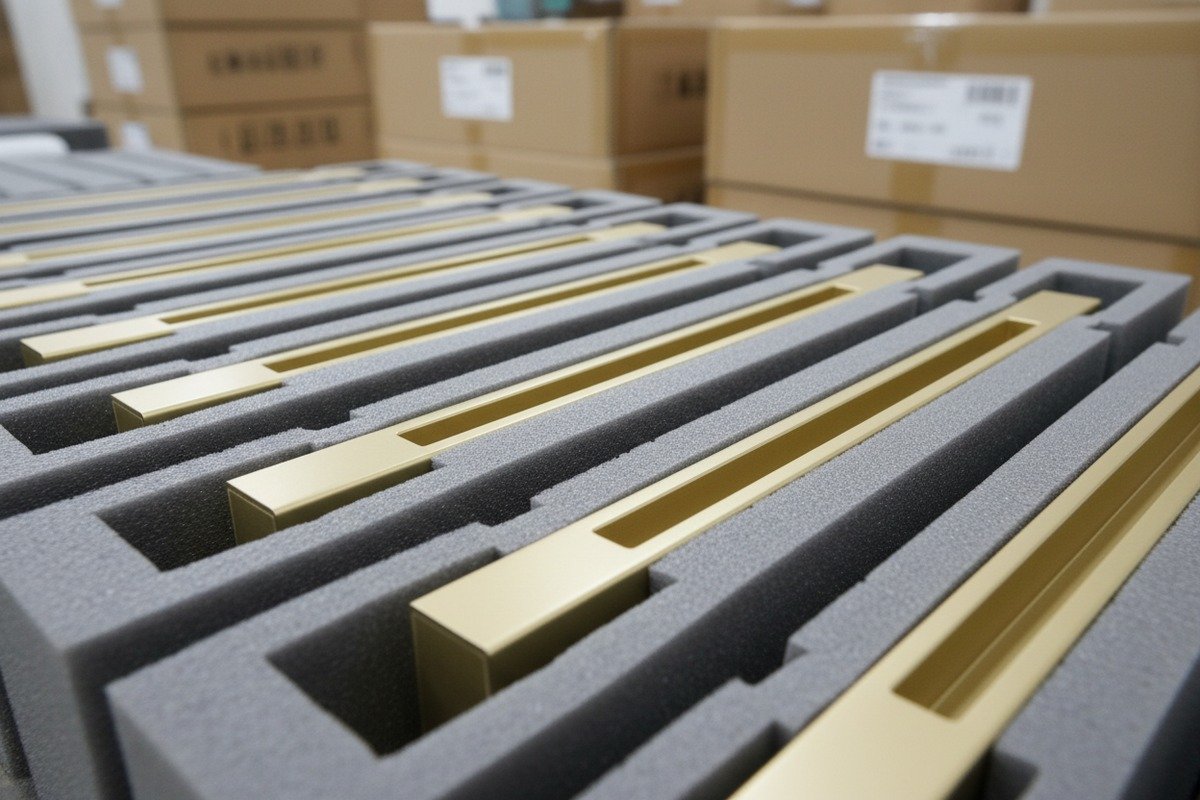
Use layered protective packaging with VCI (Volatile Corrosion Inhibitor) bags, PE foam wraps, and reinforced corrugated cartons. Separate each handle with EPE foam dividers and bundle them tightly to prevent shifting. This approach cuts surface damage by up to 50% on inter-island routes.
Why Standard Packaging Fails on Inter-Island Routes
Standard packaging that works fine for overland trucking often fails at sea. Indonesia's inter-island vessels face wave action, salt spray, and tropical humidity levels above 80%. A thin plastic wrap simply cannot protect brushed aluminum or champagne gold finishes from moisture-driven oxidation. When our production team tested standard export cartons on a Surabaya-to-Bali route, 12% of handles showed micro-scratches from vibration alone.
The Right Packaging Stack for Aluminum Handles
Think of packaging as a layered defense system. Each layer serves a purpose.
| Layer | Material | Purpose |
|---|---|---|
| Layer 1 (innermost) | VCI anti-corrosion bag | Blocks moisture, prevents oxidation and tarnishing |
| Layer 2 | EPE foam divider | Prevents handle-to-handle contact and scratches |
| Layer 3 | Bubble wrap or PE foam sheet | Absorbs vibration and minor impacts |
| Layer 4 | Reinforced corrugated carton | Structural protection against compression |
| Layer 5 (outermost) | Stretch wrap + desiccant packs 4 | Seals the carton, absorbs residual humidity |
In our Foshan facility, we pre-pack every order using this five-layer system before it even leaves the warehouse. For customers who consolidate shipments in Indonesian ports for inter-island redistribution, we always recommend they maintain or replicate this layering.
Bundling and Load Securing
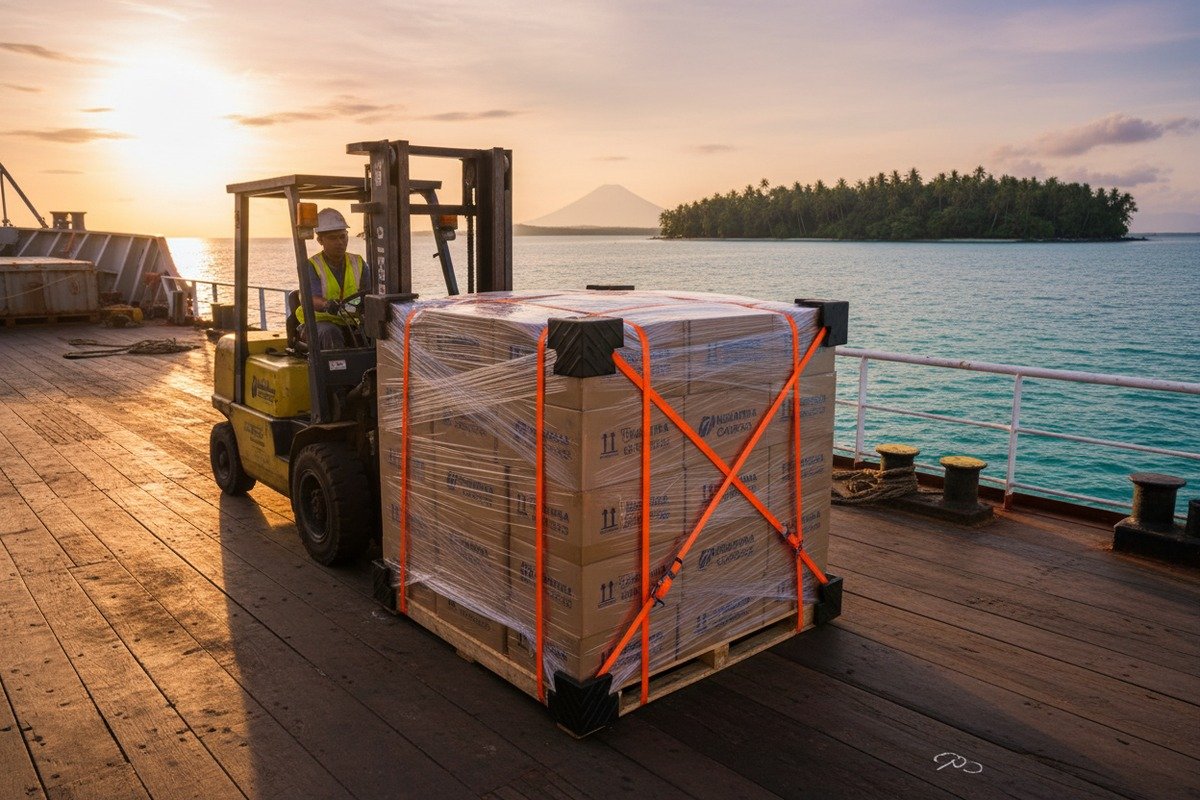
Loose items inside a carton are a recipe for damage. Each set of handles should be bundled with soft ties or foam-padded straps. Inside the container, cartons should be palletized, shrink-wrapped, and braced against container walls with airbags or foam blocks. A shifting load during rough seas between Java and Kalimantan can turn a neat stack of cartons into a pile of dented hardware.
Special Considerations for Finger Pulls and Edge-Mount Profiles
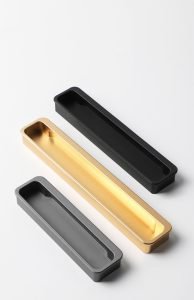
Minimalist edge-mount cabinet pulls and slim finger pull profiles are especially vulnerable. Their thin, elongated shape bends under lateral pressure. We use custom foam inserts cut to the exact profile shape. This prevents any movement inside the carton. One of our Indonesian distributors in Makassar reduced his damage rate from 5% to under 1% just by switching to profile-matched inserts.
What are my options for recovering costs if my aluminum profiles are damaged during transit?
We once had a long-time buyer in Surabaya lose an entire pallet of aluminum glass door profiles to saltwater ingress. The financial hit was significant. Knowing your recovery options before damage happens is critical.
Your main options include filing claims under marine cargo insurance (ICC A, B, or C clauses), pursuing carrier liability claims within Indonesia's one-year legal timeframe, negotiating supplier-backed damage warranties, and using third-party inspection reports as evidence to support your recovery case.
Marine Cargo Insurance: Your First Line of Defense
Marine cargo insurance 5 is not optional for inter-island aluminum shipments. Indonesia's inter-island damage rate for metal goods runs 3–5%, compared to the global average of 1–2%. The Marine/Air Cargo Insurance Inter-Island (MACII) product is specifically designed for domestic Indonesian routes. You should understand the three main coverage levels.
| ICC Clause | Coverage Scope | Best For |
|---|---|---|
| ICC A (All Risks) 6 | Covers all risks of loss or damage except specific exclusions | High-value or large-volume handle orders |
| ICC B (Named Perils) | Covers fire, explosion, stranding, sinking, collision, water damage | Mid-value shipments with moderate risk |
| ICC C (Basic) | Covers fire, explosion, stranding, sinking, collision only | Low-value shipments on short, calm routes |
For aluminum cabinet handles with premium finishes, we always recommend ICC A coverage. The premium is typically 0.3–0.8% of cargo value. On a $5,000 shipment, that is $15–$40 for peace of mind.
Carrier Liability Claims
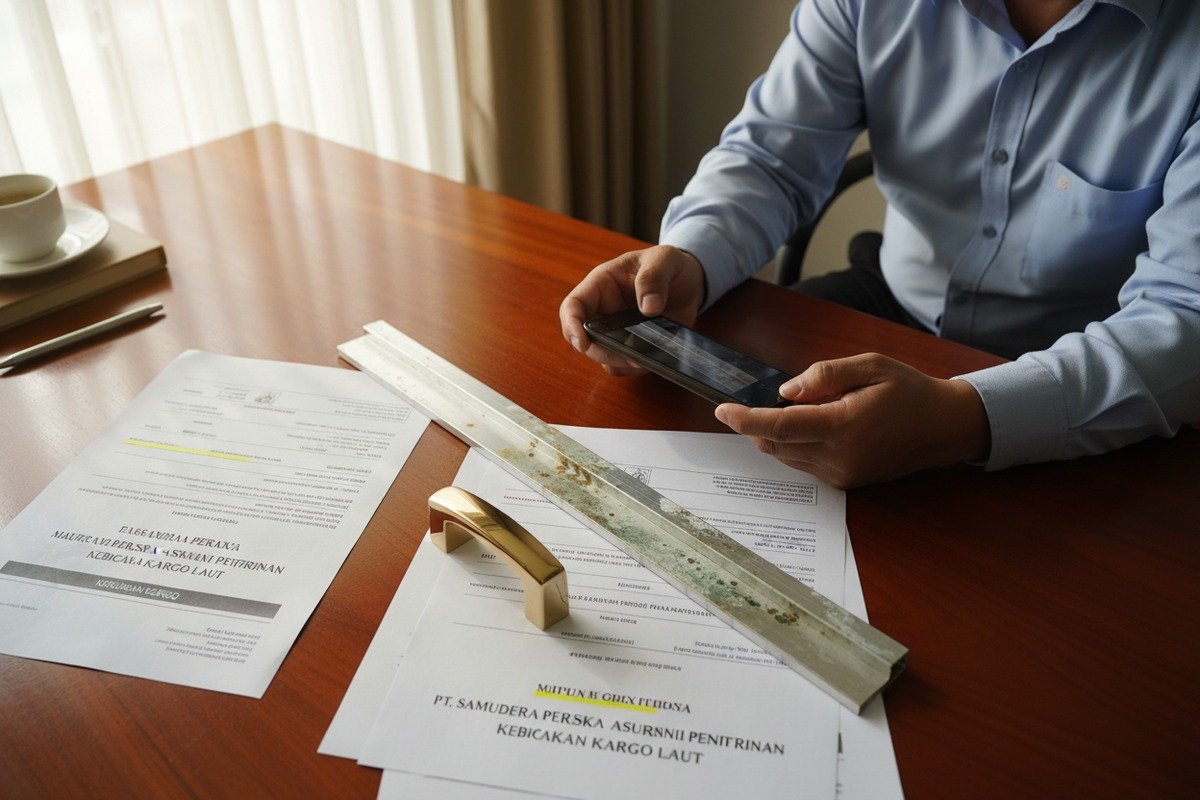
Under Indonesian maritime law 7, you have one year from the date of delivery to file a cargo damage claim against the carrier. However, you must document the damage immediately upon receipt. That means inspecting containers at the port or warehouse, photographing all damage, and noting it on the delivery receipt before signing. Missing this step can void your claim.
Supplier-Backed Damage Guarantees
Some suppliers offer partial or full replacement guarantees for transit damage. At our company, we work with buyers to establish clear damage protocols in the purchase agreement. If damage is proven to be a packaging failure on our end, we replace the goods at no cost. This kind of agreement should be in writing before the first order ships.
The Role of Third-Party Inspection
Hiring an independent quality control agent at the destination port adds cost—usually $150–$300 per inspection—but it creates an unbiased damage report that insurance companies and carriers accept. This is especially valuable for high-value orders or new shipping routes you have not tested before.
A Personal Recommendation
From years of working with Southeast Asian distributors, I strongly recommend partnering with large, reputable logistics companies. If necessary, sign a formal agreement with the logistics provider that clearly states liability terms, damage thresholds, and claim procedures. This single step has saved several of our buyers thousands of dollars in disputed claims.
How do I choose a supplier that guarantees the safety of my furniture hardware during long-distance delivery?
Not all suppliers think beyond the factory gate. When we first started exporting aluminum profiles 18 years ago, we quickly learned that product quality means nothing if the handles arrive scratched or bent.
Choose a supplier with proven inter-island logistics experience, documented packaging standards, transparent damage resolution policies, and willingness to provide on-site technical guidance. Verify their export track record, ask for packaging test reports, and confirm they offer OEM/ODM services with integrated supply chain support.
What to Look for Beyond Product Quality
Product samples can look perfect in a showroom. The real test is whether those same handles arrive in perfect condition after three days on a cargo vessel crossing the Java Sea. Here is what separates a logistics-aware supplier from the rest.
Supplier Evaluation Checklist
| Evaluation Criteria | What to Ask | Red Flag |
|---|---|---|
| Packaging standards | "Can you share your packaging spec sheet and test reports?" | No documented packaging protocol |
| Export experience | "Which inter-island routes have you shipped to?" | Only domestic land-based delivery experience |
| Damage policy | "What happens if goods arrive damaged?" | Vague answers or no written policy |
| Insurance support | "Do you arrange marine cargo insurance or help buyers with it?" | No awareness of MACII or ICC clauses |
| QC process | "Do you do final inspection before dispatch?" | No pre-shipment inspection |
| Customization | "Can you design profile-matched foam inserts for my handles?" | One-size-fits-all packaging only |
| Communication | "How do you handle damage reports? What's your response time?" | Slow or unresponsive communication |
Why Supply Chain Integration Matters
A supplier who only manufactures and hands off to a freight forwarder has no control over what happens next. In contrast, our team in Foshan coordinates with logistics partners at every stage—from factory floor to destination port. We select carriers, specify container loading plans, and provide detailed unloading instructions in both English and Bahasa Indonesia. This end-to-end approach is what we mean by "full supply chain services."
The Value of Ready Stock
Lead time problems compound shipping risks. If a buyer needs to reorder damaged goods, a 45-day production wait plus another 3–7 days of inter-island transit means nearly two months of lost sales. Suppliers with ready-to-ship stock, like we maintain for our most popular handle profiles, can send replacements within days. This is particularly important for building material wholesalers who cannot afford empty shelves.
Certifications and Standards
Look for ISO 9001 quality management certification 8. Also ask whether the supplier tests finishes for salt spray resistance (ASTM B117) 9 and adhesion (ASTM D3359). These tests predict how well a handle's surface coating will survive tropical maritime conditions. A supplier who invests in these certifications cares about the product's performance beyond the factory.
Communication and Transparency
We conduct most business with our Indonesian buyers via WhatsApp. Quick photo sharing, voice messages, and real-time updates make damage resolution faster. Choose a supplier who communicates on platforms you already use, and who responds within hours, not days. When a problem occurs mid-transit, speed matters.
Can I reduce my cargo damage rates by switching to a more experienced aluminum profile manufacturer?
After helping one of our Bali-based furniture factory clients switch from a local supplier with a 6% damage rate to our integrated supply chain model, their damage claims dropped to under 1% within two shipments.
Yes, switching to an experienced aluminum profile manufacturer with proven packaging systems, dedicated logistics coordination, and established carrier relationships can reduce your cargo damage rate from the Indonesian inter-island average of 3–5% down to below 1%, saving thousands annually in replacement costs and lost business.
The Direct Link Between Manufacturer Experience and Damage Rates
Experience is not just about years in business. It is about accumulated knowledge of what goes wrong and how to prevent it. When our engineering team designs a new minimalist finger pull or edge-mount cabinet handle, they consider shipping stress from day one. The profile geometry, the surface treatment, and the packaging design all work together.
A manufacturer who has shipped aluminum handles across hundreds of inter-island routes knows which carriers handle metal goods carefully, which ports have rough unloading equipment, and which seasons require extra moisture protection. This knowledge cannot be replicated by a new factory, no matter how good their machines are.
Cost Comparison: Cheap Supplier vs. Experienced Supplier
Many buyers choose the cheapest quote. That is understandable. But the total cost of ownership tells a different story.
| Cost Factor | Cheap Supplier | Experienced Supplier |
|---|---|---|
| Unit price (per handle) | $0.80 | $1.00 |
| Damage rate | 5% | 0.8% |
| Average damage claim per shipment (1,000 pcs) | $60 | $9.60 |
| Replacement shipping cost | $150 | $25 |
| Customer complaints / returns | High | Rare |
| Annual hidden cost (12 shipments) | $2,520 | $415 |
| Effective total cost per handle | $1.01 | $1.03 |
The price gap narrows to almost nothing when you factor in damage, replacements, and the cost of unhappy customers. And this does not even account for the reputational damage when a furniture factory receives scratched handles and delays their production line.
What "Experienced" Actually Means in Practice
An experienced manufacturer does the following things that a less experienced one does not:
- Tests packaging on simulated sea routes using vibration tables and humidity chambers
- Maintains relationships with 3PL providers who specialize in metal goods
- Provides container loading diagrams specific to each order's dimensions
- Offers IoT-compatible packaging options with humidity and shock sensors for high-value shipments
- Keeps ready stock of popular SKUs so damaged goods can be replaced in days, not weeks
Real-World Impact
One of our distributors in Jakarta was losing 4% of every aluminum profile shipment from a Central Java supplier. After switching to our supply chain model—where we handle everything from custom foam inserts to carrier coordination—their damage rate fell to 0.7%. Over 12 months, that saved them roughly $8,000 in direct costs and eliminated three customer disputes.
The Role of OEM/ODM Capability
Manufacturers who offer OEM/ODM services tend to have deeper engineering capabilities. That translates directly into better product design for transport resilience. For example, when we design a recessed center channel finger pull, we slightly radius the interior edges to reduce stress concentration points. This small design choice prevents micro-cracks that propagate during vibration. A generic factory copying a design from a catalog would not think about this.
Future-Proofing Your Supply Chain
Indonesia is investing $50 billion in logistics infrastructure upgrades by 2030. New port facilities, better container handling equipment, and digital tracking systems will gradually reduce baseline damage rates. But the manufacturers who are already ahead of the curve—using AI damage prediction, blockchain for claims documentation, and drone inspections at ports—will deliver the best results now and in the future.
Conclusion
Protecting your aluminum cabinet handles during inter-island shipping comes down to smart packaging, proper insurance, experienced suppliers, and proactive logistics management. Get these right, and damage becomes rare.
Footnotes
1. Authoritative logistics provider with relevant content on inter-island shipping in Indonesia. ↩︎
2. Details how VCI bags prevent corrosion on metal parts during storage and shipment. ↩︎
3. Comprehensive guide to polyethylene foam in packaging from a relevant industry publication. ↩︎
4. Describes desiccant packs, their function in absorbing moisture, and importance in packaging. ↩︎
5. Provides an overview of marine cargo insurance, its types, and importance for businesses. ↩︎
6. Explains Institute Cargo Clauses, specifically ICC A as the broadest “all risks” coverage. ↩︎
7. Details time limits and legal framework for cargo claims under Indonesian law. ↩︎
8. Explains ISO 9001, its benefits, and the process for quality management system certification. ↩︎
9. Provides details on ASTM B117, a standard practice for operating salt spray (fog) apparatus. ↩︎