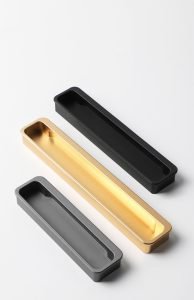
Shipping aluminum cabinet handles to Indonesian buyers used to give our logistics team 1 headaches. Long transit times from our Foshan factory, unpredictable customs delays, and warehousing costs that ate into margins — these were real problems our wholesale partners kept raising on WhatsApp calls.
To choose cost-effective Indonesian warehousing and distribution for aluminum cabinet handles, prioritize facilities near major ports like Jakarta or Surabaya, partner with local 3PL providers who understand hardware logistics, negotiate flexible lease terms, and maintain buffer stock to cut lead times while keeping storage costs low.
Below, we break down the four biggest questions our Indonesian distribution partners ask us — and share the practical answers we have learned from years of exporting mid-to-high-end furniture hardware across Southeast Asia.
How can I reduce lead times for my aluminum handle orders through local Indonesian warehousing?
Every week, we hear from building material distributors in Jakarta and Surabaya who lose projects because handles arrive two weeks late 3PL providers 2. The gap between order placement and delivery kills deals faster than price objections.
You can reduce lead times by pre-positioning popular aluminum handle SKUs in bonded or general warehouses near Indonesia's main ports, using a consignment or buffer stock model, and working with a local 3PL that offers same-day or next-day dispatch to your end customers.
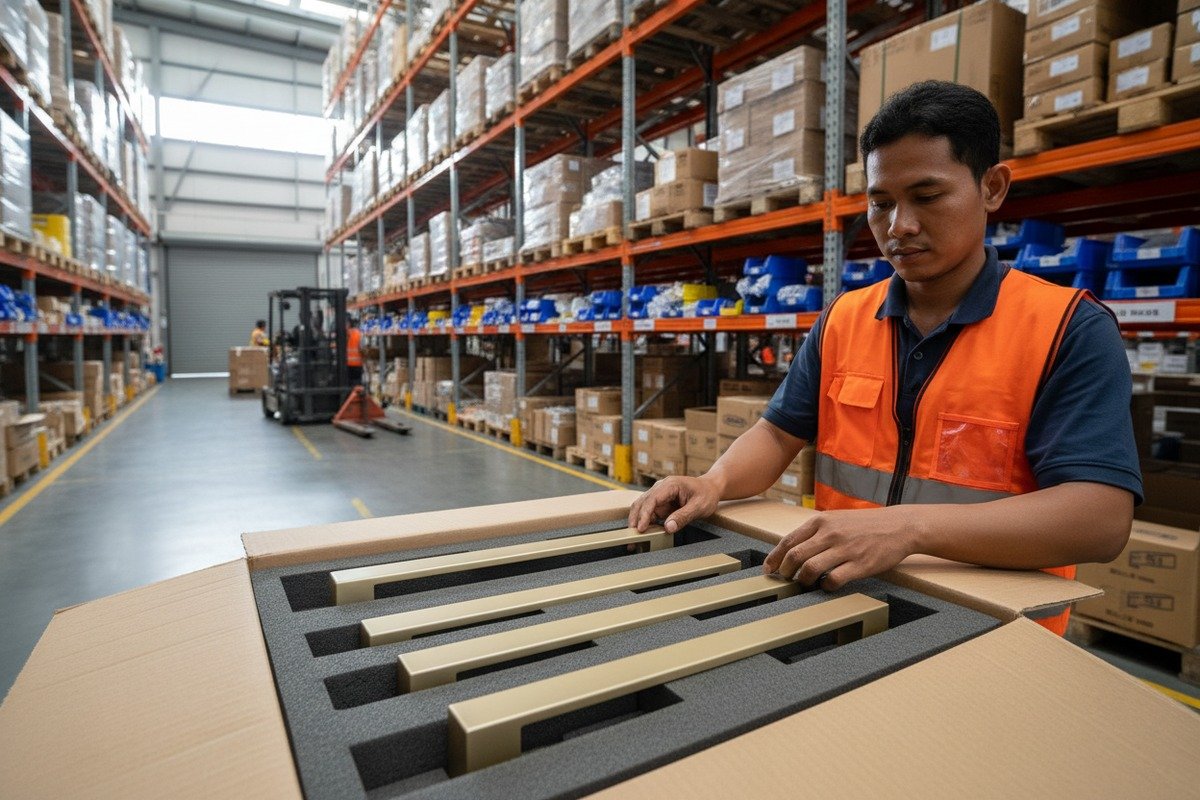
Why Lead Times Matter More Than You Think
In the furniture hardware business, a two-week delay does not just slow one project. It breaks trust. When our team analyzed order data from our Southeast Asian accounts over the past three years, we found that clients who received shipments within five business days reordered 40% more frequently than those who waited two weeks or longer. Speed is loyalty.
The Buffer Stock Model
The simplest way to cut lead times is to keep stock closer to your buyers. Buffer Stock Model 3 Here is how we help our partners do it:
- Identify fast-moving SKUs. Not every handle design needs to sit in an Indonesian warehouse. From our experience, about 20% of SKUs generate 80% of repeat orders. Focus on those.
- Ship in bulk to a local warehouse. Instead of sending small parcels per order, we send full container loads of best-sellers to a partnered warehouse in Jakarta every six to eight weeks.
- Use a 3PL with pick-and-pack capability. The warehouse operator picks, packs, and ships individual orders to your distributors. You avoid handling logistics yourself.
Comparing Warehousing Locations
Not all Indonesian cities offer the same cost-to-speed ratio. Here is a quick comparison:
| Location | Average Warehouse Rent (per m² / month) | Proximity to Major Port | Typical Last-Mile Delivery to Java Buyers |
|---|---|---|---|
| Jakarta (Cakung / Marunda) | $4.50 – $6.00 | Direct access to Tanjung Priok 4 | 1 – 2 days |
| Surabaya (Rungkut / Waru) | $3.00 – $4.50 | Direct access to Tanjung Perak | 1 – 2 days (East Java), 3 – 4 days (West Java) |
| Semarang | $2.50 – $3.50 | Access to Tanjung Emas | 2 – 3 days across Java |
| Makassar | $2.00 – $3.00 | Access to Soekarno-Hatta Port | 1 – 2 days (Sulawesi), 5+ days (Java) |
For most of our partners who sell across Java, a Jakarta-based warehouse hits the best balance of cost and coverage. If your main buyers are in East Java or Bali, Surabaya makes more sense.
Bonded vs. General Warehouses
Bonded warehouses 5 let you defer import duties until goods are released for domestic sale. This is useful if you want to hold stock without paying full duties upfront. General warehouses are simpler and cheaper to operate but require you to clear customs before goods enter. For aluminum handles — which typically face moderate import tariffs — bonded warehousing can free up cash flow significantly when you hold large quantities.
The key takeaway: get stock into Indonesia before your buyers need it, not after. Even a small buffer of 500 to 1,000 pieces of your top five handle designs can shave a full week off delivery times.
How do I ensure the quality of my bulk handle imports stays consistent during Indonesian distribution?
On our production floor in Foshan, every batch of aluminum handles passes through anodizing checks, dimension gauges, and surface finish inspections. But what happens after the container leaves our dock? That is where quality often slips — and where our partners need a plan.
Ensure consistent quality by implementing pre-shipment inspections at origin, requiring warehouse receiving checks in Indonesia, using protective packaging designed for tropical humidity, and setting clear acceptance criteria with your 3PL so damaged or off-spec handles are flagged before they reach end customers.
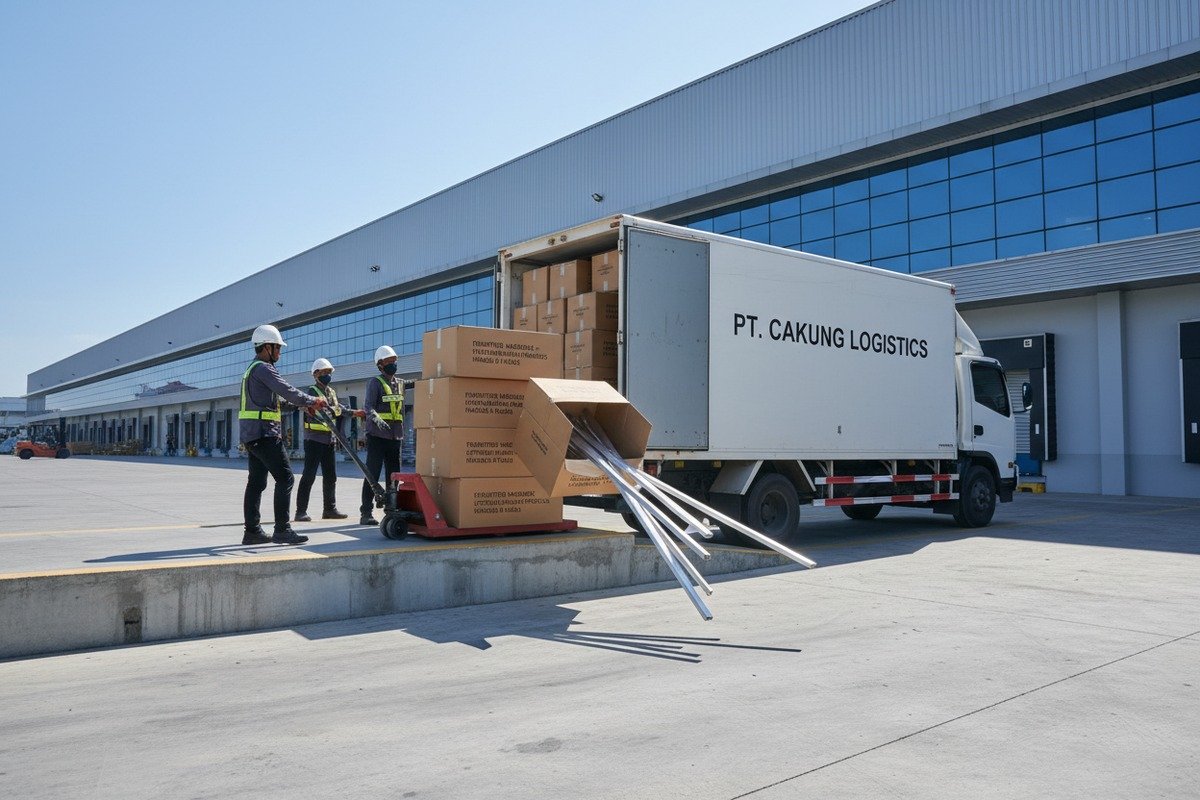
The Quality Chain Does Not End at the Factory Gate
Many distributors assume that if handles leave China in perfect condition, they will arrive perfect in Indonesia. This is not always true. We have seen three common failure points:
- Container humidity damage. Aluminum itself resists corrosion, but anodized or powder-coated finishes can show water spots or white oxidation marks if exposed to condensation during a long sea voyage through tropical waters.
- Handling damage at port. Rough container unloading can dent handle edges, especially on our sleek, low-profile edge-mount pulls where even a small ding is visible.
- Warehouse stacking errors. Improper stacking crushes packaging and causes surface scratches on brushed or matte finishes.
Packaging That Survives the Journey
When we ship our champagne gold or brushed aluminum finger pulls, each piece gets an individual PE foam sleeve. Then handles are packed in corrugated inner boxes, grouped into master cartons with silica gel desiccant packets. This matters more than most people think. We once had a batch of 3,000 pieces arrive in Surabaya with cosmetic blemishes because the buyer requested minimal packaging to save cost. The lesson was expensive.
Setting Up Receiving Inspections
Your warehouse partner should perform a basic inspection when goods arrive. Here is a simple checklist we share with our 3PL partners:
| Inspection Point | What to Check | Acceptable Threshold |
|---|---|---|
| Carton condition | No crushing, water damage, or tape failure | Less than 2% damaged cartons |
| Random piece inspection | Surface finish, dimensions, color match | AQL 2.5 (per ISO 2859-1) 6 |
| Quantity verification | Piece count vs. packing list | 100% match |
| Hardware function | Screw holes alignment, mounting fit | Zero tolerance for misalignment |
| Finish consistency | Compare to sealed reference sample | No visible deviation under standard lighting |
We always send a sealed golden sample to the warehouse. This gives the receiving team a physical reference point, not just a photo on a screen.
Humidity and Climate Considerations
Indonesia sits on the equator. Warehouse temperatures can reach 35°C with 85% relative humidity. For our aluminum handles with matte or satin finishes, this is usually fine — aluminum is naturally resistant. But if your handles include zinc alloy components or have decorative PVD coatings 7, you need climate-aware storage. Ensure the warehouse has adequate ventilation at minimum, or consider a dehumidified zone for premium finishes.
Traceability
Every carton we ship carries a batch code linked to our production records. If a quality issue surfaces in Indonesia, we can trace it back to the exact production run, anodizing tank, and packaging date. Ask your supplier for this level of traceability. It makes dispute resolution faster and fairer for both sides.
How can I find the most cost-effective warehousing solutions for my furniture hardware business in Indonesia?
When our Indonesian partners first asked us to help source warehouse space, we learned quickly that the cheapest rent per square meter is rarely the cheapest total solution. Hidden costs add up fast if you do not look at the full picture.
Find cost-effective warehousing by comparing total landed costs — rent, taxes, utilities, handling fees, and last-mile delivery — rather than rent alone. Negotiate flexible lease terms, choose locations that minimize transportation to your key buyers, and consider shared warehousing or 3PL fulfillment to avoid fixed overhead.
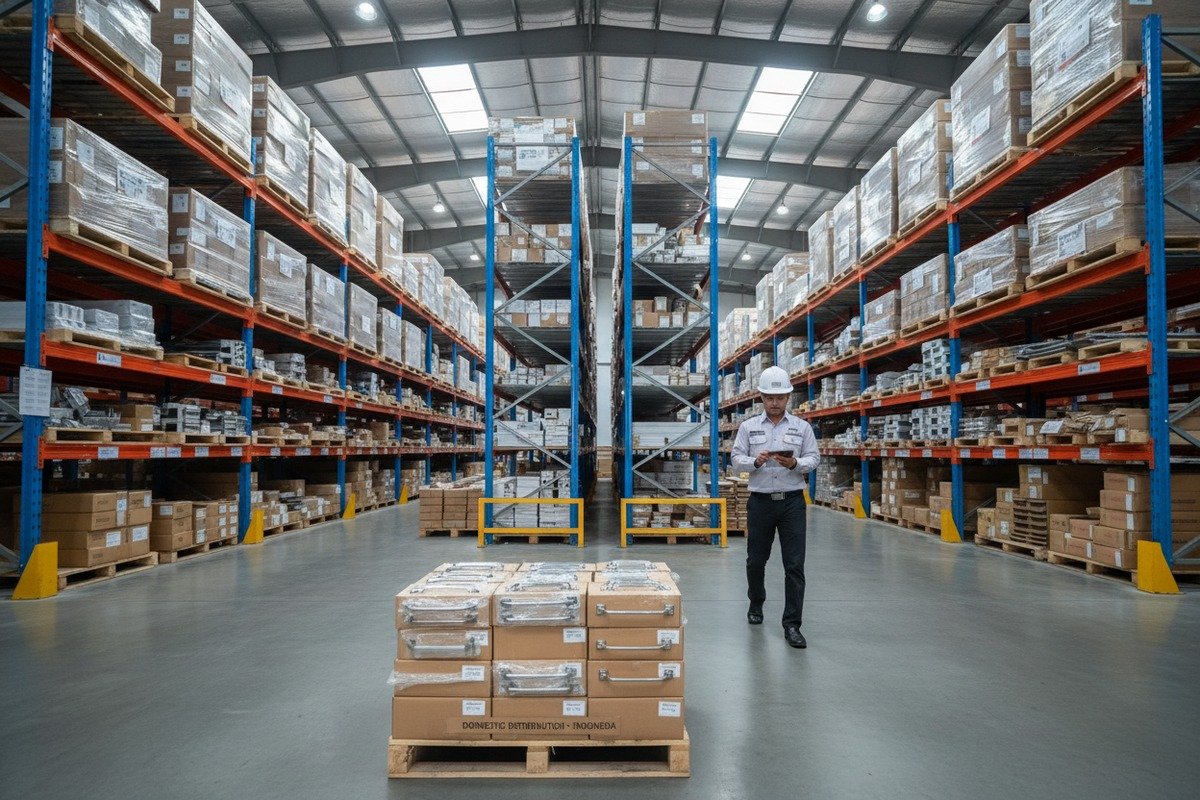
Rent Is Just the Starting Point
A warehouse in an outer Jakarta industrial zone might quote $3.50 per square meter per month. That sounds great. But add in PPN (value-added tax at 11% 8), property tax, electricity for lighting, security, and warehouse management staff — and your true occupancy cost might be $5.50 or more. Always request a fully loaded cost breakdown before signing.
Three Warehousing Models Compared
Not every furniture hardware business needs its own dedicated warehouse. Here are three common models:
| Model | Best For | Typical Cost Structure | Flexibility |
|---|---|---|---|
| Dedicated lease | High-volume distributors moving 5+ containers/month | Fixed monthly rent + utilities + staff | Low — locked into lease term |
| Shared warehousing (multi-client) | Mid-volume businesses, 1–3 containers/month | Per-pallet or per-cubic-meter monthly fee | Medium — can scale up or down quarterly |
| 3PL fulfillment | Businesses wanting zero warehouse management burden | Per-order handling fee + storage fee | High — pay only for what you use |
For most of our partners who are building material wholesalers importing one to two containers of handles per month, the shared warehousing or 3PL model is the sweet spot. You avoid the fixed cost of a lease and only pay for actual space used.
Negotiation Tips That Actually Work
From our experience helping partners set up distribution in Indonesia, here are practical negotiation tips:
- Ask for a trial period. Many warehouse operators will offer a one-month or three-month trial at a reduced rate to win your long-term business. Use this to test their service quality.
- Commit to volume, not duration. Instead of signing a two-year lease, offer guaranteed monthly volume. This gives you leverage without locking you into a bad deal.
- Bundle services. If the same provider handles customs clearance, storage, and last-mile delivery, you often get a package discount of 10–15%.
- Benchmark against competitors. Get quotes from at least three providers. Indonesian logistics is competitive, and pricing varies widely.
Do Not Forget Regulatory Costs
Importing and warehousing goods in Indonesia requires proper licensing. Your 3PL or importer of record needs an API-U (general import license) 9 or API-P (producer import license). Operating without proper permits can result in goods being held at customs, which is far more expensive than any licensing fee. Budget $500 to $2,000 annually for compliance-related costs, depending on your business structure.
The Value of Scalability
Our team has seen partners start with 20 pallets and grow to 200 within a year. Choose a warehousing partner that can grow with you. Moving warehouses is expensive and disruptive. A good 3PL will let you start small in a shared facility and transition to a dedicated section as your volume increases — all within the same building.
How do I balance my need for custom handle designs with ready-to-ship stock in the Indonesian market?
This is a question that hits close to home. Our Foshan factory runs both OEM custom orders and maintains a ready-stock catalog of over 200 handle designs. Balancing the two is not easy — but it is essential for serving Indonesian buyers who want both fast delivery and unique designs.
Balance custom and stock handles by maintaining a core range of 15–25 best-selling designs as ready-to-ship stock in Indonesia, while offering custom OEM options with 30–45 day production lead times. Use modular designs — standard bases with interchangeable finishes — to bridge the gap between customization and speed.
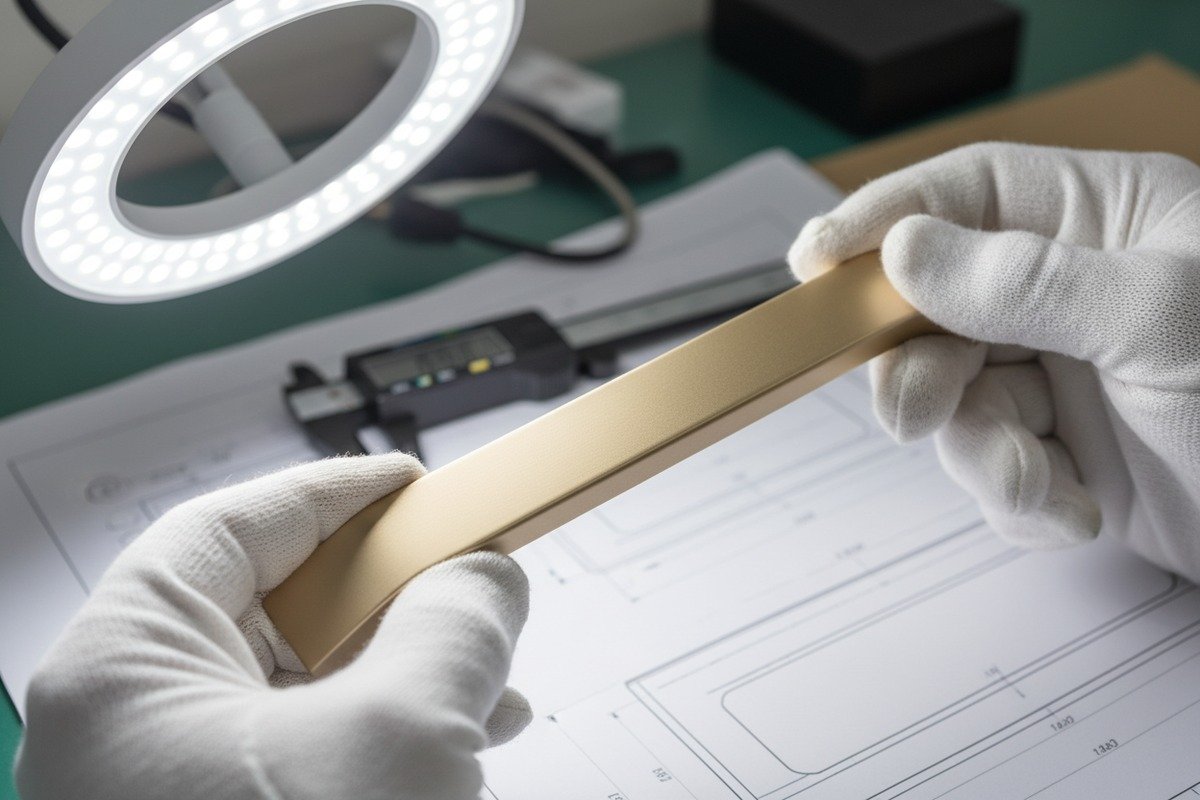
The Two Demands That Pull in Opposite Directions
Indonesian furniture factories and building material shops face a paradox. They want handles nobody else has — unique finishes, custom lengths, branded engravings — to differentiate their products. But they also want to order on Monday and receive on Wednesday. These two needs directly conflict. Custom work takes time. Stock items sacrifice uniqueness.
Our solution, refined over 18 years of working with Southeast Asian buyers, is a hybrid approach.
The 80/20 Stock Strategy
Not every order needs to be custom. In fact, when we analyzed our Indonesian order history, roughly 80% of volume came from just 20 standard designs — our minimalist edge-mount pulls and extruded finger pulls in brushed silver, champagne gold, and matte black. These are the SKUs we keep stocked in Indonesia.
The remaining 20% of orders are custom — unique lengths, special anodizing colors, or laser-engraved logos for furniture brands. These we produce to order in Foshan with a typical lead time of 30 to 45 days.
Modular Design: The Bridge Between Custom and Stock
One of the smartest things we did was develop modular handle systems. The base profile is standardized — same cross-section, same mounting holes, same packaging. extruded aluminum 10 But the finish and length can be varied. This means:
- We can stock the raw extruded profile in bulk.
- A "custom" order might only require cutting to a specific length and applying a different anodizing color.
- Turnaround drops from 45 days to 10–15 days because we skip the tooling and extrusion steps.
For our Indonesian partners, this is a game-changer. Their customers feel like they are getting a custom product. But the logistics are nearly as fast as stock.
How to Communicate This to Your Buyers
If you are a distributor, frame it this way to your furniture factory clients:
- Need it this week? Choose from our in-stock range. We have 20+ designs in three finishes, ready to ship from our Jakarta warehouse.
- Need something unique? We offer full customization — any length from 64mm to 1200mm, any finish, any surface texture. Lead time is 30–45 days from order confirmation.
- Want something in between? Pick a base profile and choose your custom finish. Ready in 10–15 days.
MOQ Considerations for Custom vs. Stock
This is where cost and customization intersect. Here is a realistic breakdown:
| Order Type | Minimum Order Quantity | Lead Time | Unit Cost Relative to Stock |
|---|---|---|---|
| Ready stock (Indonesia warehouse) | 50 pieces | 1 – 3 days | Baseline |
| Semi-custom (stock profile + custom finish) | 200 pieces | 10 – 15 days | +5% to +10% |
| Full custom (new design / new tooling) | 500 pieces | 30 – 45 days | +15% to +30% |
We deliberately keep MOQs low for semi-custom orders because we know Indonesian buyers often serve small furniture workshops that cannot commit to thousands of pieces. This flexibility is something our partners value deeply.
Keeping Your Catalog Fresh
The Indonesian market moves fast. Trends shift. What sold well last year might sit on shelves this year. We update our stock catalog every six months based on sales data from our distribution partners. If a champagne gold edge pull is slowing down and matte black is surging, we adjust production and warehouse allocation accordingly. Talk to your supplier about doing the same. Static catalogs lead to dead stock.
Conclusion
Choosing the right warehousing and distribution setup in Indonesia comes down to four things: location, quality control, true cost analysis, and a smart balance between stock and custom orders. Get these right, and your aluminum handle business will grow faster with happier buyers.
Footnotes
1. Explains the functions and responsibilities of a logistics department within a company. ↩︎
2. Defines Third-Party Logistics (3PL) providers and their role in supply chain management. ↩︎
3. Explains the concept of buffer stock in inventory management and its importance in logistics. ↩︎
4. Provides information about the Port of Tanjung Priok, Indonesia’s busiest seaport. ↩︎
5. Offers a general definition and explanation of bonded warehouses and their purpose. ↩︎
6. Details the ISO 2859-1 standard and the concept of Acceptance Quality Limit (AQL) in quality inspection. ↩︎
7. Explains Physical Vapor Deposition (PVD) coatings, their process, and applications. ↩︎
8. Provides information on Indonesia’s Value Added Tax (PPN), including the 11% rate. ↩︎
9. Explains the API-U (General Import License) in Indonesia and its requirements for businesses. ↩︎
10. Provides information on extruded aluminum handles, their design, and applications. ↩︎