I watched a Vietnamese furniture factory owner open a shipment box last month expecting 500 black anodized aluminium handles for cabinet doors—only to find they were 2mm too short for the pre-drilled holes. The supplier had promised "full custom capability" and collected a 50% deposit, but their production team apparently confused "we can do custom" with "we have the supply chain structure to deliver custom orders without breaking our schedule."
Here's what most first-time buyers don't realize about aluminium handle procurement: when a supplier says "custom in 3-7 days," they're not making a service promise—they're revealing their production structure. Suppliers who actually keep that timeline pre-stock raw aluminium profiles, run flexible finishing lines, and manage inventory risk you never see. Suppliers who can't keep it treat custom orders as production interruptions that delay everyone else's shipment. Your job isn't finding a supplier willing to accept custom orders; it's reading the operational signals that predict whether they can actually execute without making you the bottleneck.
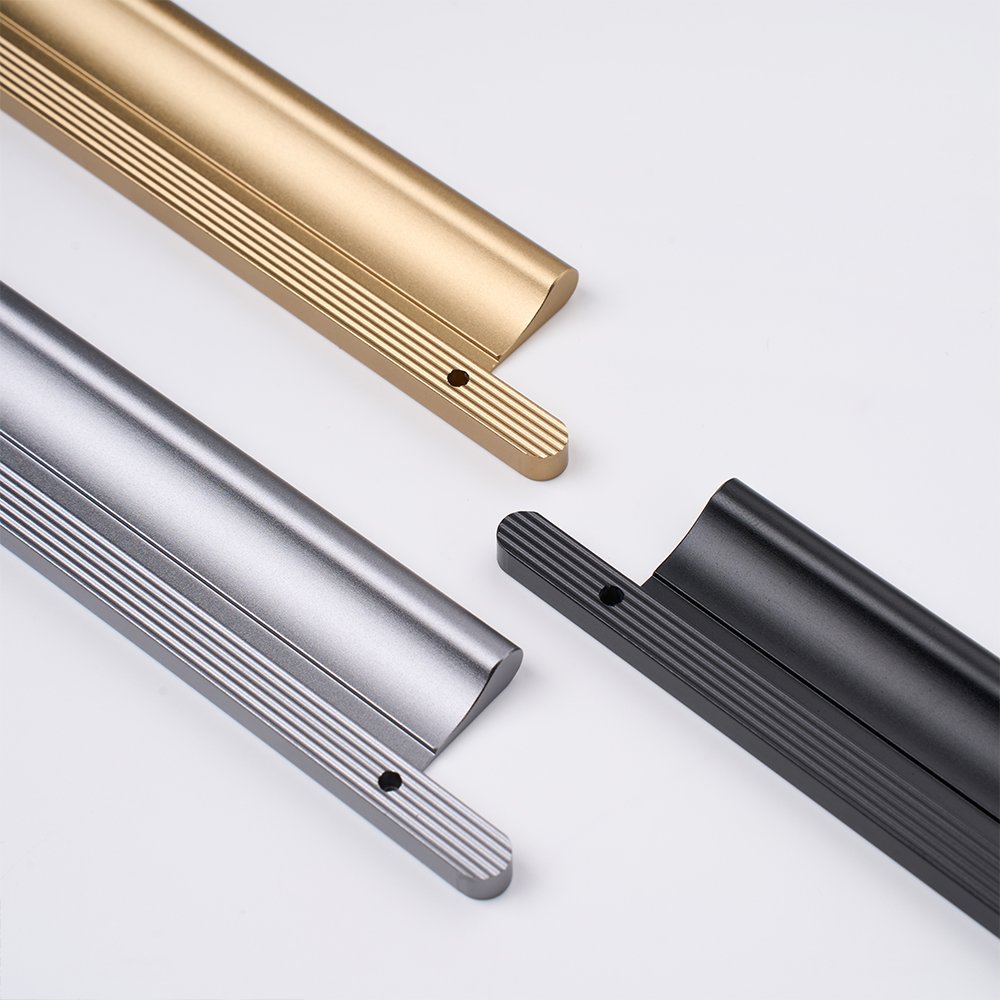
The procurement managers who avoid reorder disasters don't start by comparing spec sheets—they start by diagnosing which production promises a supplier's actual operations can keep. That Vietnamese factory owner I mentioned? They switched to a supplier who stocks 300 tons of raw profiles specifically so color-only custom orders don't require new extrusion runs. Their second shipment arrived in 4 days.
What Production Structure Actually Enables "Custom Aluminium Handles in 3-7 Days" When Most Suppliers Need 4 Weeks?
The timeline gap isn't about work ethic—it's about supply chain architecture.
Suppliers who deliver custom aluminium cabinet handles in under a week operate on a fundamentally different production model than suppliers who need a month. The fast ones pre-stock raw extruded profiles in common sizes (96mm, 128mm, 160mm, 192mm) and treat custom orders as finishing-stage variations, not full production runs. The slow ones start every custom request at raw material procurement—ordering aluminium billets, scheduling die extrusion, then surface treatment.
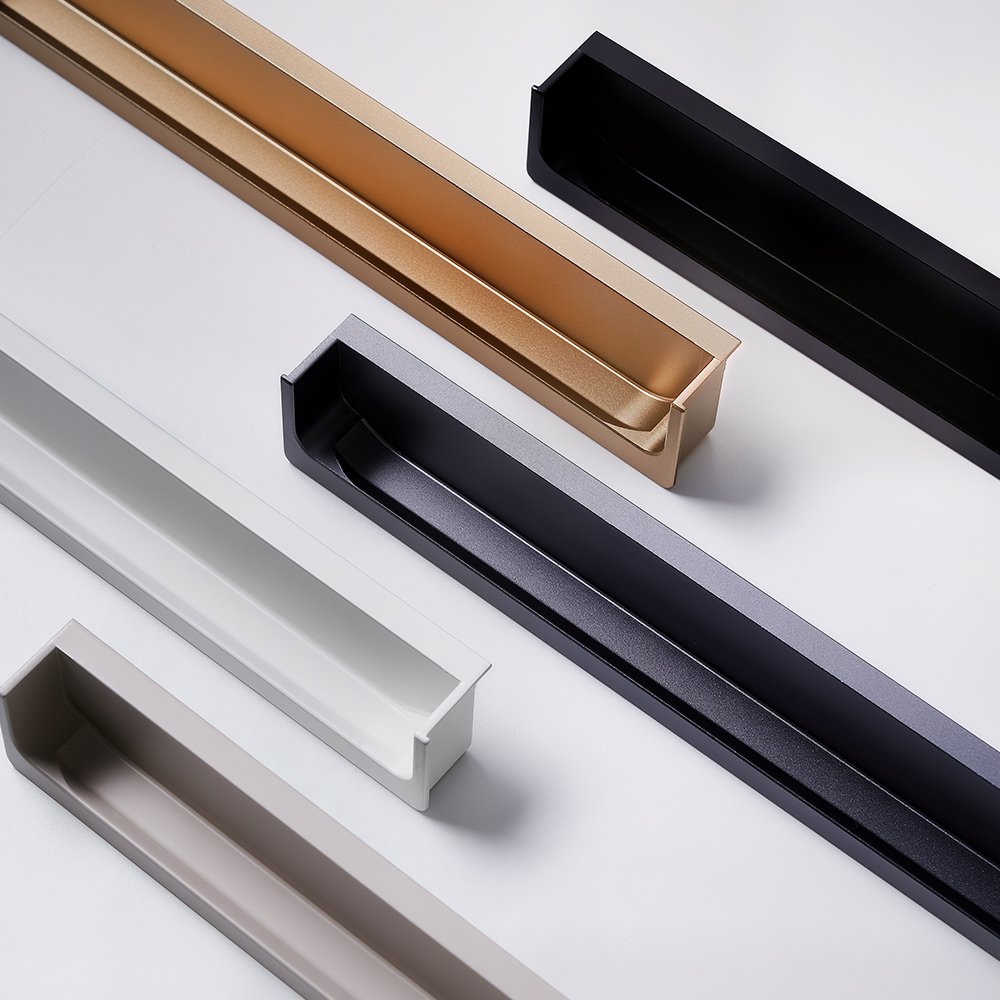
When a wholesaler in Ho Chi Minh City asked me why our 3-day custom delivery cost the same per unit as a competitor's 25-day lead time, I walked them through our warehouse. We keep 80+ profile SKUs in raw form specifically so a "custom black matte 128mm handle" request only requires pulling stock, CNC cutting to length, and powder coating—three operations we can schedule around existing production without creating bottlenecks. Our competitor who quoted 25 days doesn't stock raw profiles; they batch every custom request until they have enough volume to justify an extrusion run, which explains both the delay and their slightly lower unit price (they're amortizing setup costs across bigger batches).
The Inventory Trade-Off Most Buyers Don't See
Fast custom delivery requires suppliers to carry inventory risk. We stock 300 tons of raw profiles knowing some sizes will sit for months—that's a capital cost our pricing absorbs. Suppliers who don't carry that inventory pass the wait time to you instead.
How to Verify Pre-Stocking Claims During Supplier Evaluation
Ask: "If I order 200 black handles and 150 brushed nickel handles in 128mm length tomorrow, which materials do you need to order versus pull from stock?" A supplier with genuine fast-custom capability will answer: "We pull raw 128mm profiles from warehouse stock; only the finishing color is custom." A supplier who needs 4 weeks will say: "We order raw material based on your combined quantity."
Why Profile Dimension Custom vs Color-Only Custom Have Different Timelines
Color-only customization (black anodized instead of silver, matte powder coat instead of gloss) happens at the finishing stage—the raw profile is already cut and drilled. Profile dimension custom (you need 135mm but supplier only stocks 128mm and 160mm) requires either new extrusion (slow) or CNC modification of existing stock (fast but generates waste the supplier's pricing must cover). When suppliers quote "custom in 3-7 days," ask if that applies to non-stock dimensions or just stock sizes with custom finishes—the answer reveals their actual flexibility ceiling.
How Does Surface Treatment Process Create Color Consistency Risk That Ruins Reorder Batches?
A furniture factory procurement manager in Hanoi told me their previous supplier's "black anodized" handles arrived in three visually different shades across a 1,000-piece order. The factory had to sort handles into three groups and assign them to different furniture lines to avoid mismatched hardware on the same cabinet. The supplier claimed "minor batch variation is normal"—which is technically true, but only if you don't control the process variables that prevent it.
Surface treatment method determines your reorder consistency risk. Anodizing, powder coating, and electroplating each create different color variation tolerances, and most first-time buyers don't ask about the process controls that actually prevent batch mismatches.
Anodizing Color Consistency Depends on Voltage and Time Control
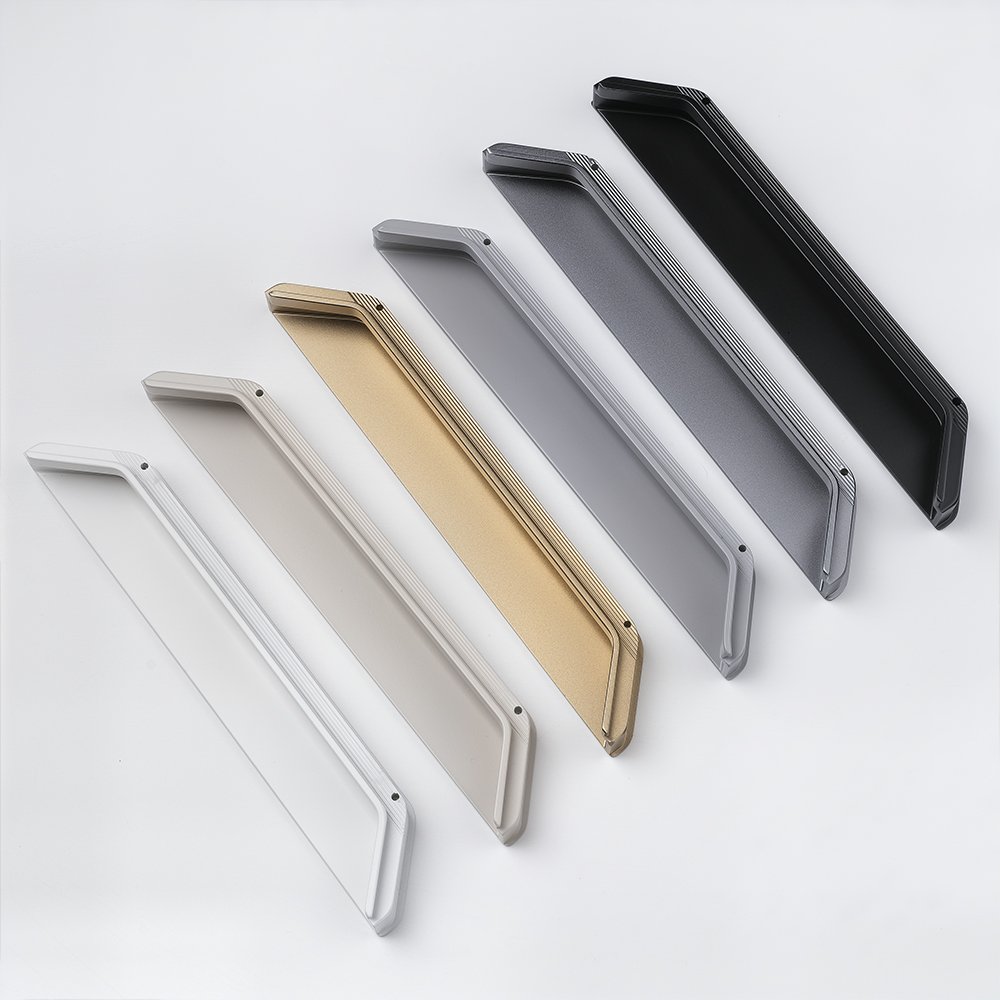
Anodizing creates color by growing an oxide layer on the aluminium surface—the layer thickness determines shade. Suppliers who run consistent voltage and immersion time across batches produce consistent color. Suppliers who batch-process mixed orders (your black handles sharing tank space with someone else's bronze handles on different schedules) create inconsistency because they optimize tank usage over color control.
When evaluating anodizing suppliers, ask: "Do you batch different colors in the same tank run, or do you dedicate tank cycles to single-color orders?" Dedicated cycles cost more (explaining premium pricing) but prevent cross-contamination and timing compromises that create shade variation.
Powder Coating Consistency Requires Spray Booth Environment Control
Powder coating applies electrostatically charged powder that cures in an oven. Color consistency breaks down when humidity, powder particle size, or spray gun distance varies between batches. I've seen procurement managers accept "close enough" color matches because they didn't realize their supplier runs powder coating in a non-climate-controlled booth where seasonal humidity shifts affect powder adhesion density.
Ask: "Is your powder coating booth climate-controlled, and do you use the same powder lot for reorders?" Suppliers who archive powder lot numbers for customer reorders are managing the variable most buyers never think about.
Electroplating Batch Size Determines Color Uniformity Economics
Electroplating consistency requires stable current density across the plating bath—easier in large batches than small mixed runs. Suppliers who advertise "low MOQ friendly" but use electroplating often compromise color consistency because they batch your 100-piece order with someone else's 200-piece order in different fixture positions (which changes current exposure).
The question that reveals risk: "What's your minimum electroplating batch size, and do you combine customer orders in the same bath?" If their plating minimum is 500 pieces but they're accepting your 100-piece order, they're either running inefficient dedicated batches (unlikely) or mixing orders (consistency risk).
Why Do Some Suppliers Offer 50-Piece MOQs While Others Require 1,000 Pieces for the Same Aluminium Handle?
MOQ isn't arbitrary negotiation leverage—it reveals the supplier's production economics and inventory risk tolerance. A Vietnamese wholesaler asked me why we accept 50-piece custom orders when their previous supplier required 1,000 pieces minimum for any non-stock color. The answer exposed a fundamental difference in how suppliers structure their operations.
Suppliers with low MOQs either pre-stock enough variety to treat "custom" as inventory selection, or they've designed production processes that minimize setup cost penalties for small batches. Suppliers with high MOQs are protecting profit margins on processes where small runs destroy unit economics.
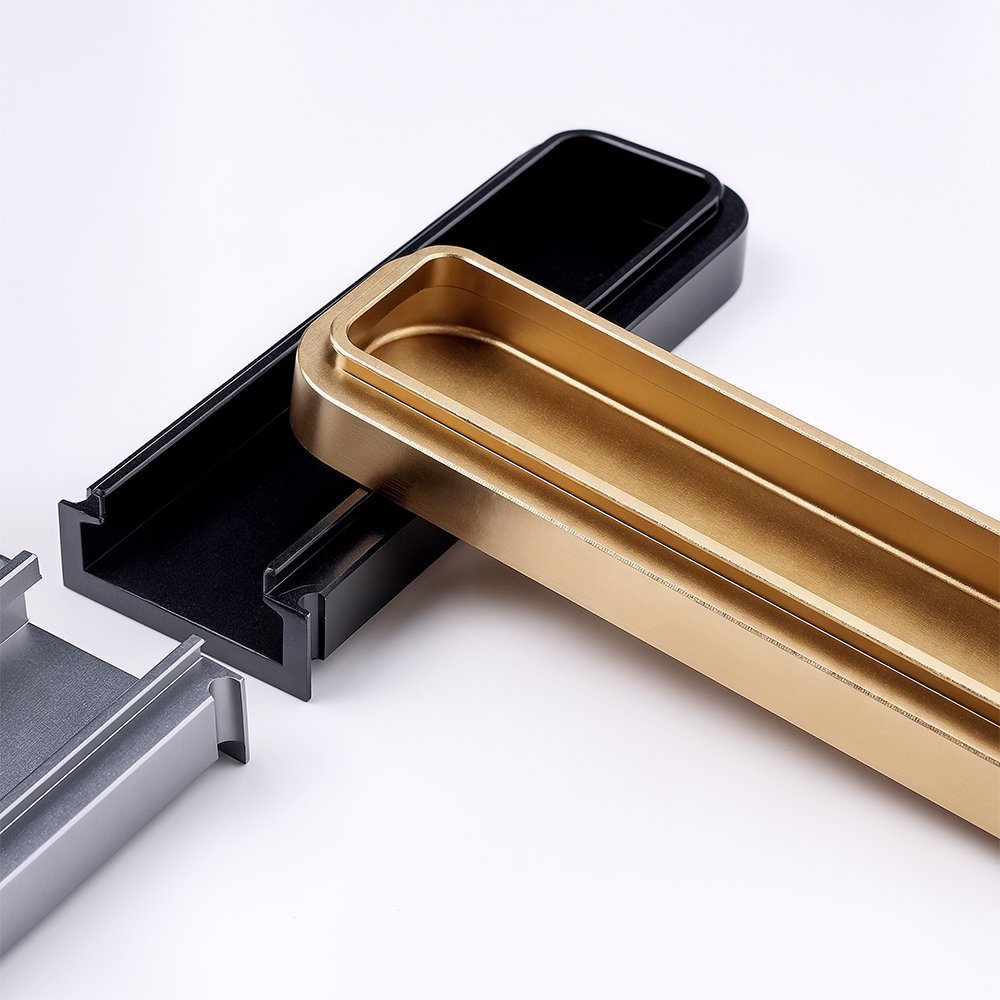
Die-Cast vs Extruded Profiles Create Different MOQ Economics
Die-cast aluminium handles require mold setup for each production run—the mold cost might be $3,000-$8,000 depending on complexity. Suppliers using die-casting need larger orders to amortize that setup cost; a 1,000-piece MOQ at $2.50/unit might include $0.50/unit mold cost recovery. If you order 100 pieces, that same mold cost becomes $5/unit—suddenly your $2.50 handle costs $7.50.
Extruded profiles work differently: the extrusion die is reusable across thousands of production runs, so setup cost per batch is primarily labor (loading the die, calibrating feed rate). Suppliers using extrusion can accept smaller MOQs because their setup penalty is measured in labor hours, not mold fabrication costs.
The question that reveals production method: "Is this handle die-cast or extruded, and what's the setup cost component in your MOQ calculation?" Suppliers who can explain their MOQ economics are usually reliable; suppliers who just say "that's our policy" often can't actually deliver small batches profitably and will cut corners to preserve margins.
Surface Treatment Batch Economics Explain Color MOQ Requirements
A supplier might accept 50-piece orders in stock colors but require 500 pieces for custom colors because their powder coating or anodizing process has minimum batch economics. Powder coating booth operators often won't run batches under 200-300 pieces because oven preheat and spray gun setup time destroys labor efficiency on tiny runs.
When a supplier says "50-piece MOQ for stock colors, 500-piece MOQ for custom colors," they're not being difficult—they're revealing their finishing line batch economics. You can sometimes negotiate by timing your custom order to coincide with another customer's similar color (the supplier batches both orders), but that requires asking: "Do you batch-schedule custom colors across multiple customers?"
Inventory Risk Tolerance Determines True Flexibility
Suppliers who maintain 300 tons of raw stock (like us) can accept 50-piece custom orders because we're converting existing inventory, not ordering new material for your specific order. Our risk is that the remaining stock (if you order 50 pieces from a 500-piece raw profile lot) sits in inventory. Suppliers without pre-stock inventory can't accept small orders profitably because they'd need to order 500-piece minimum raw material quantities from their suppliers, leaving them with 450 pieces of dead stock.
Ask during supplier evaluation: "If I order 50 custom handles, are you pulling from existing stock or ordering new material?" The answer tells you whether their low MOQ is real flexibility or a money-losing gamble they won't sustain.
What's the Actual Difference Between a Supplier Who Says "We Do Custom" vs One Who Delivers Custom Orders Without Delays?
I've watched furniture factory procurement managers pay deposits to suppliers who technically could execute custom orders but structurally couldn't do it without delaying everyone else's shipment. The difference isn't willingness—it's operational design.
Suppliers who reliably deliver custom orders without creating scheduling chaos run different operations than suppliers who treat custom as an exception that disrupts normal production. The reliable ones build custom flexibility into their core workflow; the others bolt custom capability onto a batch-production structure that resists it.
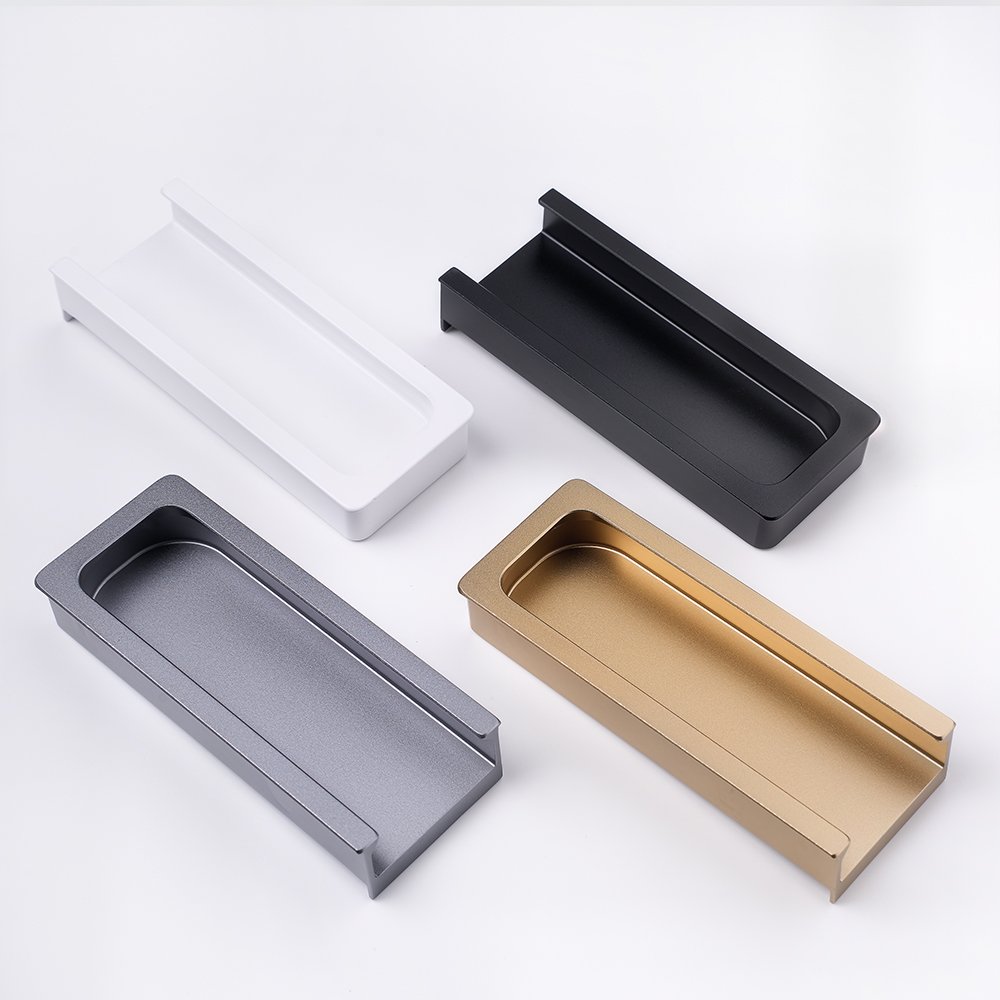
Flexible Line Scheduling vs Batch-Optimized Production
Our production team runs a mixed-order scheduling system where stock replenishment and custom orders share the same finishing lines. We can insert a 100-piece custom powder coating run between two stock orders because our booth operators expect schedule variation—it's designed in. A competitor who quoted the Vietnamese factory owner I mentioned earlier runs batch-optimized production: they group all powder coating runs by color to minimize booth changeovers, which means custom colors wait until they accumulate enough similar orders to justify a dedicated batch.
The operational signal: "How often do you changeover your finishing lines?" Daily changeovers indicate flexible scheduling; weekly or monthly changeovers indicate batch optimization that delays custom orders.
Stock-Custom Integration vs Sequential Processing
Suppliers who deliver custom orders quickly integrate stock and custom production at the process stage level. If you order 200 stock handles and 150 custom handles, they're cutting both from the same raw profile stock, drilling both on the same CNC line (maybe in the same run), and only separating them at the finishing stage. Suppliers who process stock and custom sequentially (finish all stock orders first, then run custom as a separate batch) create artificial delays because custom waits for stock to clear.
Ask: "If I order stock and custom handles in the same purchase order, do they ship together or separately?" Simultaneous shipping suggests integrated processing; split shipping suggests sequential workflows that delay custom.
Real-Time vs Periodic Capacity Planning
When a procurement manager requests a custom quote, suppliers with real-time capacity planning can confirm delivery dates within hours because they're looking at actual line availability. Suppliers with periodic planning (they review and schedule custom requests weekly or monthly) might say "we'll confirm lead time in a few days"—that delay signal means custom orders wait in a queue until the next planning cycle.
The question: "How quickly can you confirm a custom order delivery date?" Same-day confirmation indicates real-time capacity planning; multi-day confirmation indicates periodic batching.
How Do You Decode Which Supplier Promises Are Operationally Achievable vs Marketing Language?
A furniture hardware wholesaler in Da Nang asked me to review quotes from three suppliers all claiming "fast custom delivery, low MOQ, consistent quality"—but with wildly different pricing and lead times. The operational signals in their quote responses revealed which promises were real.
Marketing language sounds the same across suppliers; operational signals reveal structural differences. Your job is learning which questions expose the signals.
The Inventory Question That Separates Real from Fake Flexibility
"If I place a 100-piece custom order tomorrow, which materials do you already have versus what you need to order?"
Suppliers with real flexibility answer with specifics: "We stock raw profiles in your requested size; we'll pull from warehouse and apply your custom finish." Suppliers without structural flexibility give vague answers: "We'll check with our supplier" or "We maintain good relationships with material vendors."
The Process Question That Reveals Quality Control Structure
"When you run my custom order, how do you ensure color consistency with my next reorder six months from now?"
Suppliers with process control describe specific methods: "We archive powder lot numbers and process parameters for every custom order" or "We keep reference samples and run colorimetry checks before shipping." Suppliers without quality systems say general things like "We have strict quality control" without explaining the actual mechanism.
The Scheduling Question That Exposes Production Structure
"If I order today, what's the sequence of operations my order goes through, and which steps might cause delays?"
Suppliers who actually know their production flow can walk you through: "Raw profile cutting, CNC drilling, deburring, powder coating booth (2-day queue currently), curing oven, quality check, packing." Suppliers who don't understand their own bottlenecks give timeline estimates without explaining the dependency chain.
The Reference Question That Tests Real Custom Experience
"Can you show me a similar custom order you delivered recently—what was the specification and actual delivery timeline?"
Suppliers with genuine custom experience show you specific examples: "Last month we delivered 300 matte black handles in 128mm length with custom logo engraving—confirmed on Monday, shipped Thursday." Suppliers without custom delivery history either can't provide examples or describe only large-volume orders that don't demonstrate small-batch capability.
What Questions Should You Ask During Supplier Evaluation to Predict Delivery Risk Before Paying Deposits?
The Vietnamese factory owner who received mismatched handles told me they'd asked the supplier: "Can you do custom?" The supplier said yes. The buyer paid 50% deposit. The shipment arrived wrong. The mistake wasn't trusting the supplier—it was asking the wrong question.
"Can you do custom?" tests willingness. "How do you schedule custom orders relative to stock production?" tests capability.
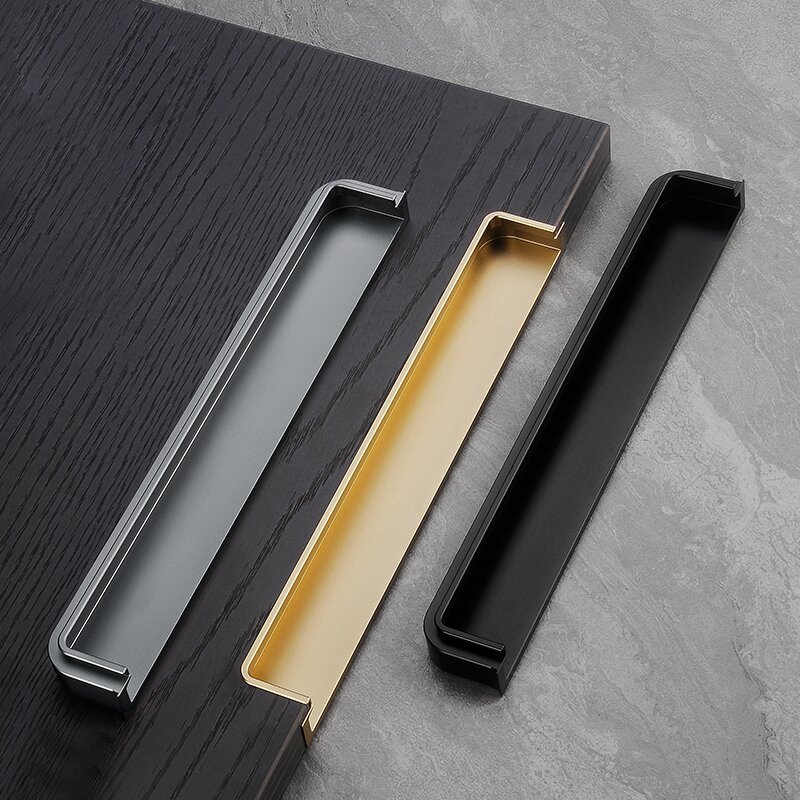
Questions That Reveal Production Structure
-
"What's your raw material inventory structure?" — Pre-stocked profiles indicate fast-custom capability; made-to-order material indicates delays.
-
"How do you batch surface treatment operations?" — Daily changeovers support quick custom; weekly batching creates queuing delays.
-
"What's your minimum profitable batch size for powder coating/anodizing/electroplating?" — Honest answers reveal true MOQ economics; vague answers hide unprofitable small-run acceptance.
Questions That Expose Quality Control Mechanisms
-
"How do you ensure color consistency between my first order and reorders?" — Specific process descriptions (archived parameters, lot tracking) indicate real control; generic answers indicate hope-based quality.
-
"What's your defect rate for custom orders vs stock orders?" — Higher custom defect rates indicate process capability problems; similar rates indicate integrated quality systems.
-
"Can you show me process control documentation from a recent custom order?" — Production travelers, quality checklists, or parameter logs prove systematic control; refusal or absence indicates ad-hoc processing.
Questions That Test Capacity Planning
- "If I order today, what determines whether you deliver in 3 days vs 7 days?" — Specific bottleneck identification (booth capacity, CNC queue)