I've spent 18 years watching furniture hardware buyers ask the same question in different languages: "Should I buy from a factory or a trader?" After handling hundreds of urgent orders—some delivered in 48 hours, others stuck in production delays for weeks—I realized the question itself is the problem. Buyers search "China handle suppliers" looking for organizational labels when they should be evaluating delivery models. You don't need a factory. You need a supplier whose inventory structure and production control can absorb your delivery urgency without forcing you into long lead times or high MOQs.
When selecting China handle suppliers, ignore the factory-versus-trader debate. Instead, evaluate suppliers by their delivery risk management: stock depth (can they ship 50 units in 5 colors within 48 hours?), MOQ flexibility (do they force 1,000-unit minimums on urgent orders?), lead time control (what happens when stock runs out?), and color consistency (do production batches match stock samples?). Suppliers who structure their operations to absorb your delivery urgency—through inventory staging, custom production control, or hybrid models—reduce your inventory pressure more than suppliers who simply claim "factory direct pricing" or "full customization."
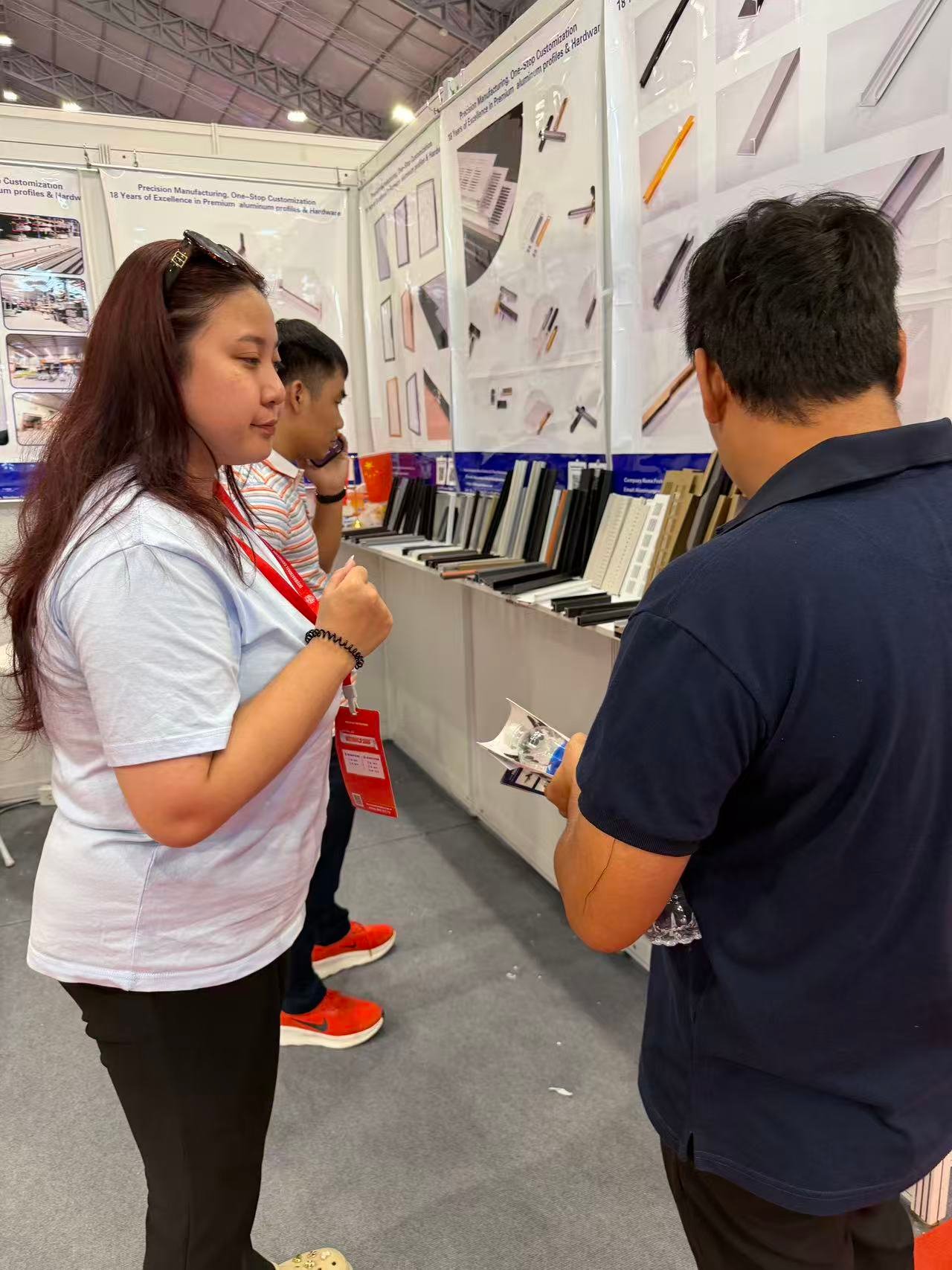
Most buyers I work with in Vietnam start their supplier search by comparing prices and organizational structures. They assume factories offer better pricing and customization, while traders offer faster delivery but higher markups. This mental model breaks down the moment you place an urgent order. A factory with no stock forces you into 30-day lead times and 1,000-unit MOQs. A trader with 300 tons of inventory ships 100 units in 8 colors within 48 hours. The question isn't "Who are they?" It's "How do they manage delivery when I need handles next week?"
How Do Stock-Based Suppliers Reduce Delivery Risk Compared to Order-Triggered Models?
Every buyer wants "factory direct" until they realize factories optimize for production efficiency, not delivery flexibility. The moment you request 50 units in 5 colors, a production-focused factory either rejects the order or quotes a 30-day lead time because they manufacture in batches of 1,000+ units to keep per-unit costs low.
Stock-based suppliers stage inventory specifically to absorb urgent orders that factories refuse. They invest capital in warehousing 300+ tons of handles across multiple styles and colors, allowing them to ship 50 units in 5 colors within 48 hours without triggering production delays. This model costs more in inventory holding but eliminates lead time risk for buyers who can't wait 30 days for production batches.
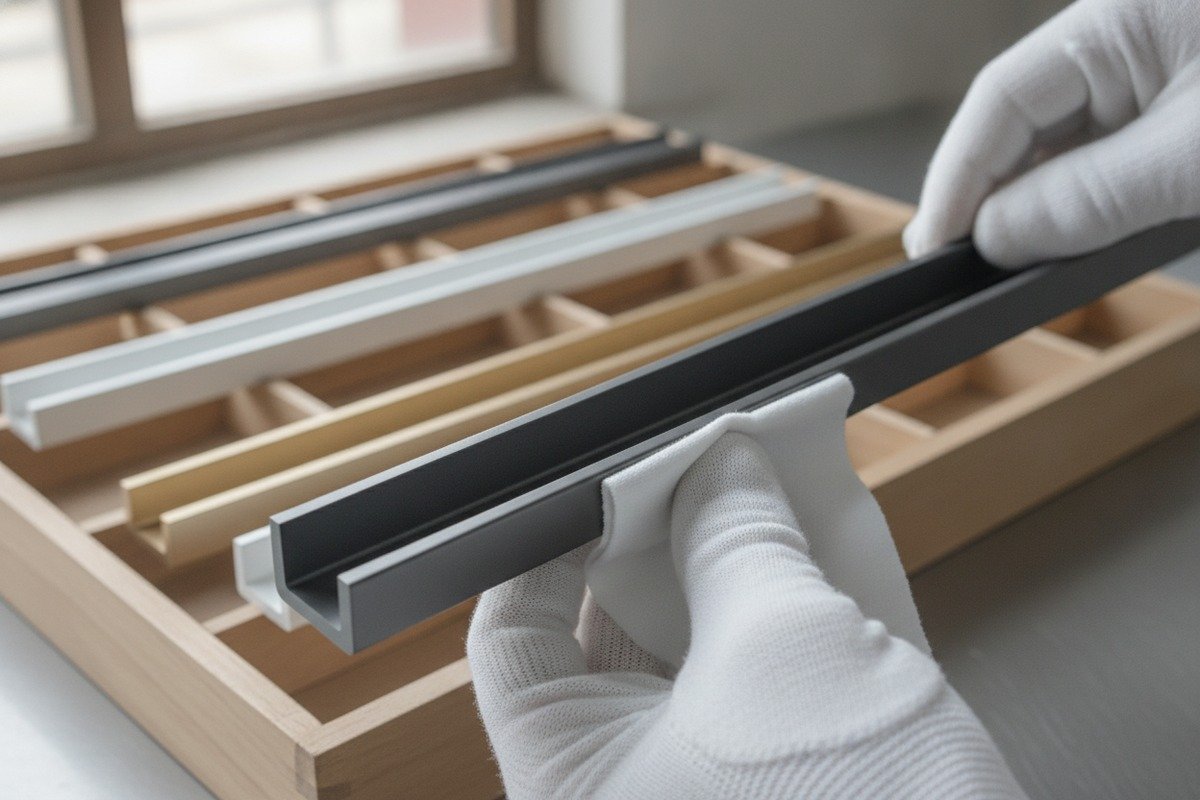
Let me show you how this plays out. A Hanoi wholesaler once contacted me needing 100 units of aluminum handles in 8 colors within 5 days. His previous supplier—a factory—quoted 25 days because they needed to batch-produce each color separately. He couldn't wait. We shipped from stock in 48 hours because we already held those 8 colors in inventory, staged specifically for urgent orders. The price per unit was 8% higher than the factory quote, but his revenue from selling those handles within the week covered the markup twice over.
Here's the critical thinking most buyers miss: stock-based models don't compete on per-unit cost—they compete on total cost of delivery risk. When you factor in lost sales from 25-day lead times, inventory pressure from 1,000-unit MOQs, and customer complaints from delivery delays, the 8% price premium becomes irrelevant.
When Stock-Based Models Work Best
Stock-based suppliers serve buyers who face these conditions:
- Urgent delivery windows: You need handles within 5–7 days, not 30 days.
- Small batch flexibility: You order 50–200 units across multiple colors, not 1,000+ units in one color.
- High customer unpredictability: Your end customers change color preferences mid-order, requiring you to adjust inventory without triggering production delays.
- Low inventory capital: You can't afford to hold 1,000 units of each color in your own warehouse just to meet urgent customer requests.
I work with furniture factory procurement managers in Ho Chi Minh City who order 100–300 units every two weeks because they produce custom furniture for retail clients. Their customers change handle colors based on cabinet finishes, meaning they need suppliers who can ship 50 units in a new color within 48 hours without forcing them into 1,000-unit MOQs. Factories can't serve this demand structure. Stock-based suppliers can.
When Order-Triggered Models Create Inventory Pressure
Order-triggered suppliers (typically factories) optimize for production efficiency. They quote low per-unit prices because they manufacture in batches of 1,000+ units, spreading tooling and setup costs across high volumes. This model works brilliantly for buyers who place predictable, high-volume orders. It fails catastrophically for buyers who need 50 units in 5 colors next week.
Here's what happens when you force an order-triggered factory into urgent delivery:
- MOQ inflation: The factory quotes 500–1,000 units minimum per color because they won't adjust production schedules for small batches.
- Lead time extension: They quote 20–30 days because your order sits in queue behind higher-volume clients.
- Color inconsistency: When they rush production, dye batches don't match previous samples because they skip the color stabilization process.
- Payment risk: They demand 50% deposit upfront because small urgent orders carry higher transaction costs.
A Vietnam wholesaler once told me his factory supplier quoted 1,000 units per color for an urgent order when he needed 100 units across 6 colors. The factory's logic: "We can't run the production line for 100 units—it costs us more in setup time than we make in profit." The wholesaler ended up holding 5,000+ units of inventory he couldn't sell within six months, creating massive cash flow pressure.
How Do MOQ Policies Signal Supplier Delivery Control?
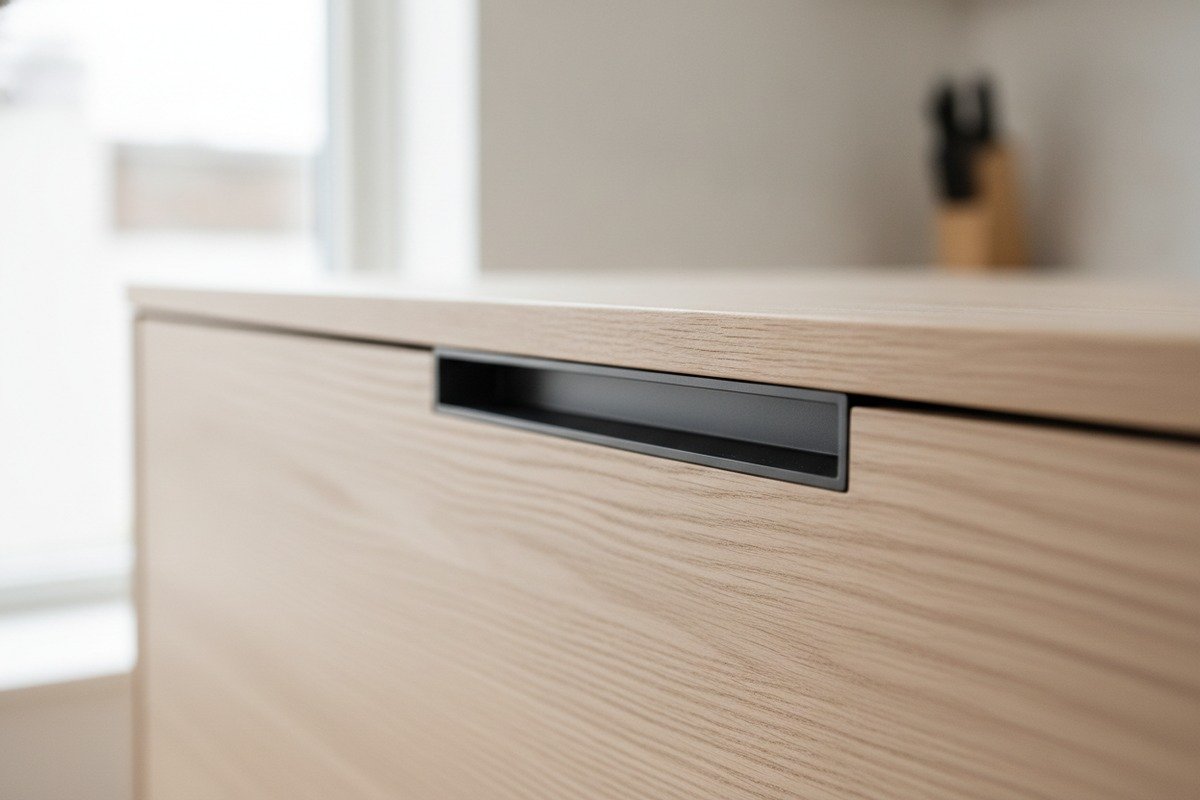
Most buyers treat MOQ (Minimum Order Quantity) as a pricing negotiation variable. They assume lower MOQs come with higher per-unit costs, so they accept 1,000-unit minimums to secure "factory pricing." This misses the real signal: MOQ flexibility reveals whether a supplier structures their operations to absorb your delivery urgency or forces you into inventory pressure to serve their production efficiency.
Suppliers with MOQs below 100 units typically operate stock-based or hybrid models, staging inventory to serve urgent buyers who can't wait for production batches. Suppliers with MOQs above 500 units optimize for production efficiency, meaning they force you into inventory holding just to meet their batch economics. When evaluating China handle suppliers, ask: "What's your MOQ for urgent delivery?" not "What's your MOQ in general?"
Diagnosing MOQ Structure Before Placing Orders
Here's how I diagnose a supplier's MOQ structure during presales:
Test question 1: "If I need 50 units in 5 colors within 5 days, what's your MOQ and lead time?"
Stock-based answer: "50 units per color if we have stock. 48-hour shipping."
Order-triggered answer: "500 units per color minimum. 20-day lead time."
Test question 2: "What happens when I need a new color not in your catalog?"
Stock-based answer: "We'll check if it matches an existing dye batch. If not, custom production takes 7 days with 100-unit MOQ."
Order-triggered answer: "Custom colors require 1,000 units minimum. 30-day lead time after sample approval."
Test question 3: "Can you split 500 units across 10 colors, or do I need 500 units per color?"
Stock-based answer: "We can split. You pay per-unit pricing, not per-color minimums."
Order-triggered answer: "We need 500 units per color to justify production setup."
These three questions reveal whether the supplier structures their inventory and production to serve your delivery model or forces you into their production efficiency constraints.
When High MOQs Make Sense
I'm not saying high MOQs are always bad. If you run a furniture factory producing 1,000+ cabinets per month with stable handle color requirements, you should order 5,000+ units per color from a factory at low per-unit cost. You have the volume to absorb MOQ requirements, and you have the inventory capital to hold stock.
But if you're a wholesaler serving 20+ furniture shops with unpredictable color preferences, or a factory procurement manager producing custom furniture for retail clients, forcing yourself into 1,000-unit MOQs creates inventory pressure that kills cash flow.
A Ho Chi Minh City wholesaler once told me he ordered 5,000 units of black aluminum handles from a factory because the per-unit price was 15% cheaper than stock-based suppliers. Six months later, he still held 3,200 units because his customers shifted to brushed nickel finishes. He lost more in inventory holding costs than he saved on per-unit pricing.
What Delivery Commitments Should You Test Before Trusting Supplier Claims?
Every China handle supplier claims "fast delivery" or "ready stock" on their website. These phrases mean nothing until you test them with specific scenarios that reveal whether the supplier has actual inventory control or just marketing language.
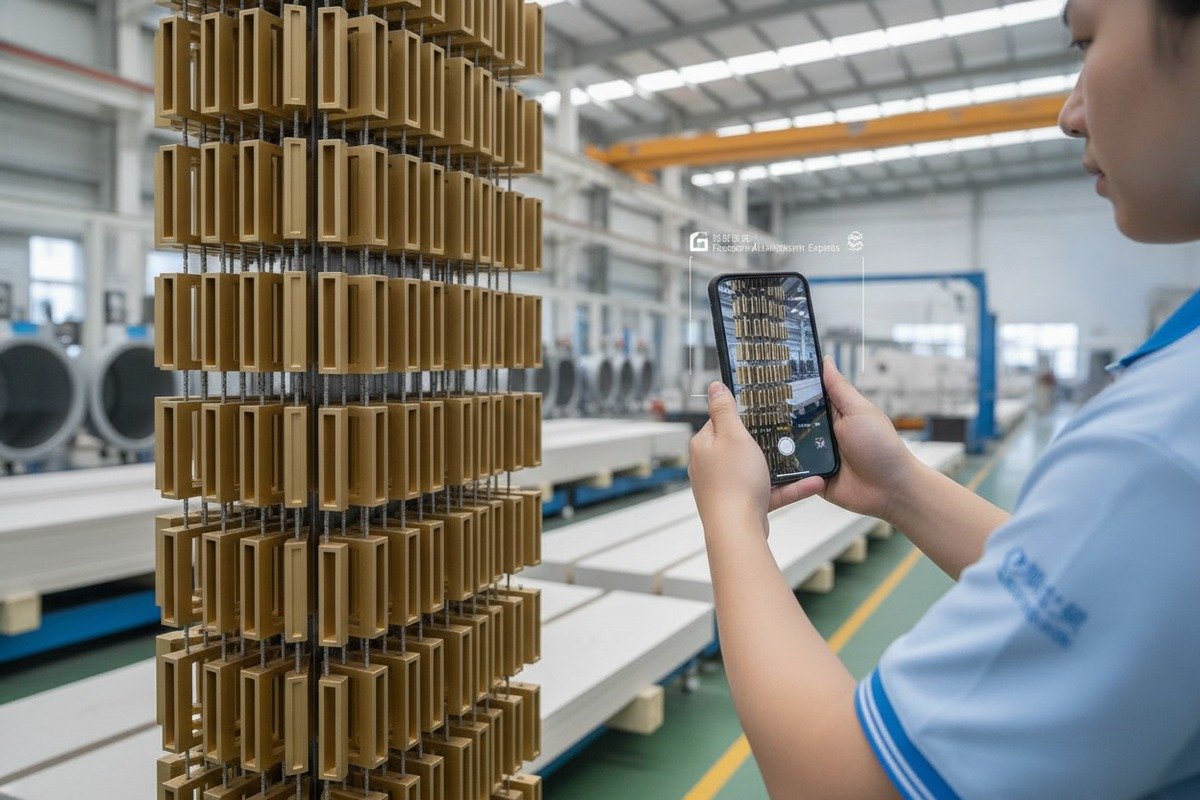
When evaluating delivery commitments, ask suppliers: "If I place an order today for 100 units in 6 colors, when will it arrive at my warehouse in Hanoi?" Suppliers with genuine stock depth give you a specific date within 48–72 hours. Suppliers without inventory control give you conditional answers like "It depends on stock availability" or "We'll check and confirm tomorrow." The difference isn't delivery speed—it's delivery predictability.
The 48-Hour Shipping Test
I use this test during every presales call: "If I order 50 units in 3 colors right now, when does it ship?"
Stock-based suppliers: "If the colors are in stock, we ship within 48 hours. If one color is out of stock, we'll tell you now and offer a substitute or custom production timeline."
Order-triggered suppliers: "We need to confirm stock with the factory. If they have inventory, 7–10 days. If they need to produce, 25–30 days."
The key difference: stock-based suppliers tell you now whether they can deliver within 48 hours. Order-triggered suppliers make you wait 1–2 days just to confirm whether your order is possible.
A Hanoi wholesaler once contacted three suppliers for the same order: 100 units in 8 colors, needed within 7 days. Supplier A (factory) said "We'll check and get back to you." Supplier B (trader) said "We don't have 8 colors in stock—can you accept 5 colors?" Supplier C (us) said "We have 7 of 8 colors in stock. For the 8th color, we can ship a substitute within 48 hours or custom-produce it in 7 days with 100-unit MOQ." He chose Supplier C because we gave him delivery certainty during the presales call, not two days later.
How Lead Time Control Reveals Production Capability
Most buyers assume "factory direct" means full customization capability. This is wrong. Factories optimize for production efficiency, meaning they batch-produce standard colors and styles. When you request a custom color or size, they either refuse the order (too small volume) or quote 30+ day lead times because custom orders interrupt their production schedule.
Lead time control means the supplier can absorb urgent custom orders without forcing you into 30-day waits or 1,000-unit MOQs. Here's how to test it:
Test question: "If I need a custom color not in your catalog, what's your lead time and MOQ?"
Strong answer: "Custom colors take 3–7 days with 100-unit MOQ. We'll send you a sample within 48 hours to confirm the color before full production."
Weak answer: "Custom colors require 1,000 units minimum and 30-day lead time after sample approval."
The strong answer signals the supplier has production control—they can adjust dye batches without disrupting standard production. The weak answer signals they optimize for high-volume efficiency and can't serve urgent custom requests.
Color Consistency as a Delivery Risk Variable
Here's a scenario buyers ignore until it's too late: You order 100 units of brushed nickel handles from stock. They arrive. Your customers love them. Two months later, you reorder 200 units. The new batch doesn't match—the color tone shifted from warm gray to cool silver because the supplier used a different dye batch.
Color consistency isn't a quality control issue—it's a delivery risk variable. Suppliers who manage inventory properly stage stock from consistent production batches. Suppliers who trigger production on-demand can't guarantee color matching because they source from different factories or use different dye suppliers based on availability.
Here's how I test color consistency during presales:
Test question: "If I order today and reorder in three months, will the color match?"
Stock-based answer: "We stage inventory from consistent production batches. If your reorder uses the same batch, the color matches. If we've moved to a new batch, we'll send you a sample before shipping so you can compare."
Order-triggered answer: "We'll do our best to match the color, but slight variations are normal in furniture hardware production."
The difference: one supplier takes responsibility for color consistency and gives you presales visibility. The other shifts the risk onto you by claiming "slight variations are normal."
How Do Hybrid Models Balance Stock Depth and Custom Production?
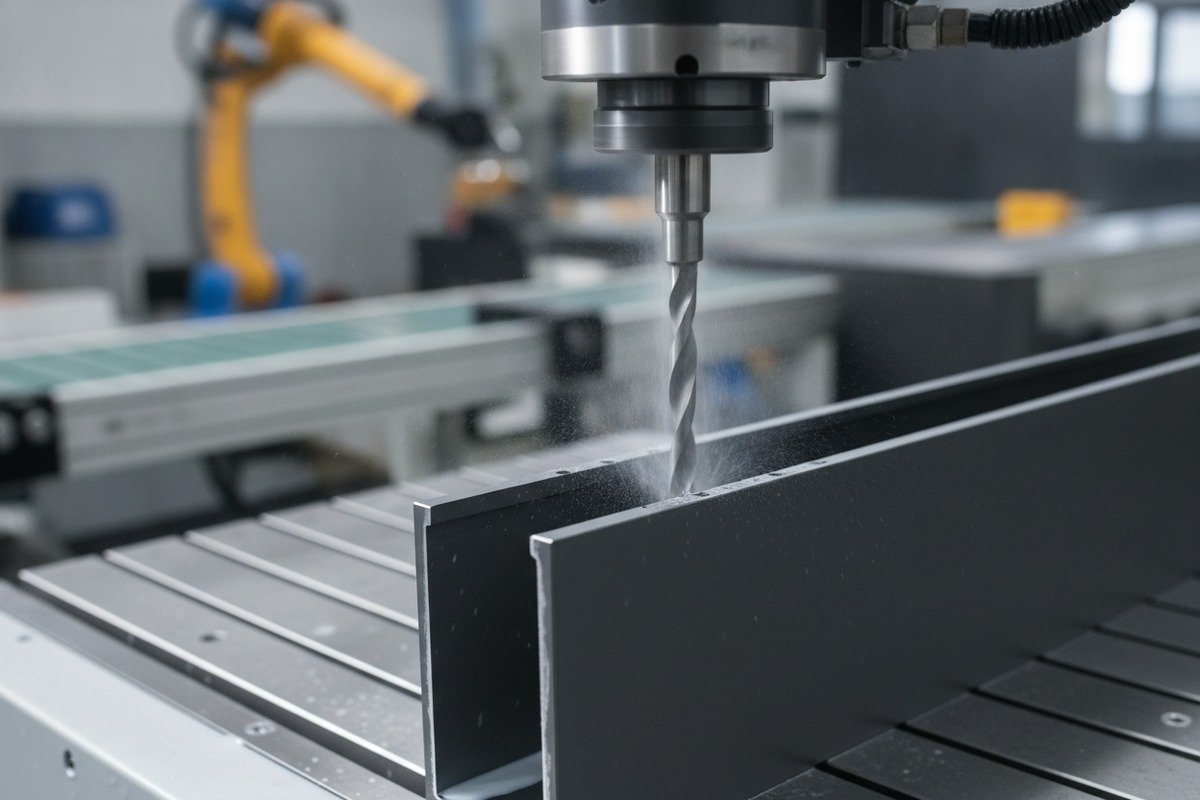
Most buyers think suppliers fall into two categories: stock-based traders or production-focused factories. This binary misses the most capable suppliers: hybrid models that stage ready stock for urgent orders while maintaining custom production capacity for non-standard requests.
Hybrid suppliers invest capital in inventory staging (allowing 48-hour shipping on standard colors) and production control (allowing 3–7 day custom orders with low MOQs). This model costs more to operate than pure stock or pure production models, but it absorbs both urgent delivery requests and custom specification needs without forcing buyers into long lead times or high MOQs.
When Hybrid Models Serve Complex Buyer Needs
I work with furniture factory procurement managers who face this scenario constantly: They produce custom cabinets for retail clients. 80% of their handle orders use standard colors (black, brushed nickel, chrome). But 20% require custom colors to match specific furniture finishes. They can't wait 30 days for custom production, and they can't hold inventory for every possible custom color.
Hybrid suppliers solve this by:
- Staging stock for standard colors: 80% of orders ship within 48 hours from inventory.
- Fast-tracking custom production: 20% of orders (custom colors) complete production in 3–7 days with 100-unit MOQs because the supplier controls their production schedule and prioritizes urgent custom requests.
- Offering color matching services: The supplier sends samples of custom colors within 48 hours so buyers can confirm matches before full production begins.
A Ho Chi Minh City factory manager once told me his previous supplier (a pure factory) couldn't handle his split order model. The factory wanted 1,000-unit MOQs for standard colors and 2,000-unit MOQs for custom colors, forcing him to hold 10,000+ units of inventory just to maintain color variety for his retail clients. We handled his orders by shipping 80% from stock within 48 hours and custom-producing the remaining 20% within 7 days at 100-unit MOQs. His inventory dropped from 10,000 units to 2,000 units, freeing up cash flow for other business needs.
How to Identify Hybrid Suppliers During Presales
Hybrid suppliers are rare because they require both inventory capital and production control. Here's how to identify them:
Test question 1: "Can you ship 50 units in 3 standard colors within 48 hours?"
Hybrid answer: "Yes, if the colors are in stock. We'll confirm availability within the hour."
Test question 2: "If I need a custom color not in your catalog, what's your lead time and MOQ?"
Hybrid answer: "Custom colors take 3–7 days with 100-unit MOQ. We'll send you a sample within 48 hours."
Test question 3: "What happens if I order 200 units split across 4 standard colors and 2 custom colors?"
Hybrid answer: "We'll ship the 4 standard colors within 48 hours from stock. The 2 custom colors ship within 7 days after you approve samples."
If a supplier can answer all three scenarios with specific timelines and low MOQs, they operate a hybrid model. If they hedge on any scenario with