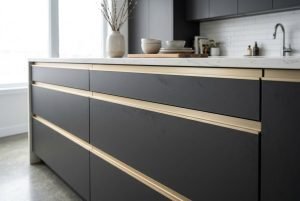
Choosing an aluminum handles manufacturer and supplier can look simple at first: compare prices, request samples, and place an order. The problem starts when delivery is late, colors shift between batches, or custom handles cannot move beyond a drawing. I see the better approach as supplier evaluation, not product shopping.
A good aluminum handles manufacturer and supplier should help buyers control delivery risk, color consistency, replenishment pressure, and customization feasibility. The best choice is not always the lowest quote. It is the supplier that can provide stable stock, realistic lead times, repeatable finishes, practical production guidance, and enough product range for long-term cabinet, wardrobe, and furniture projects.
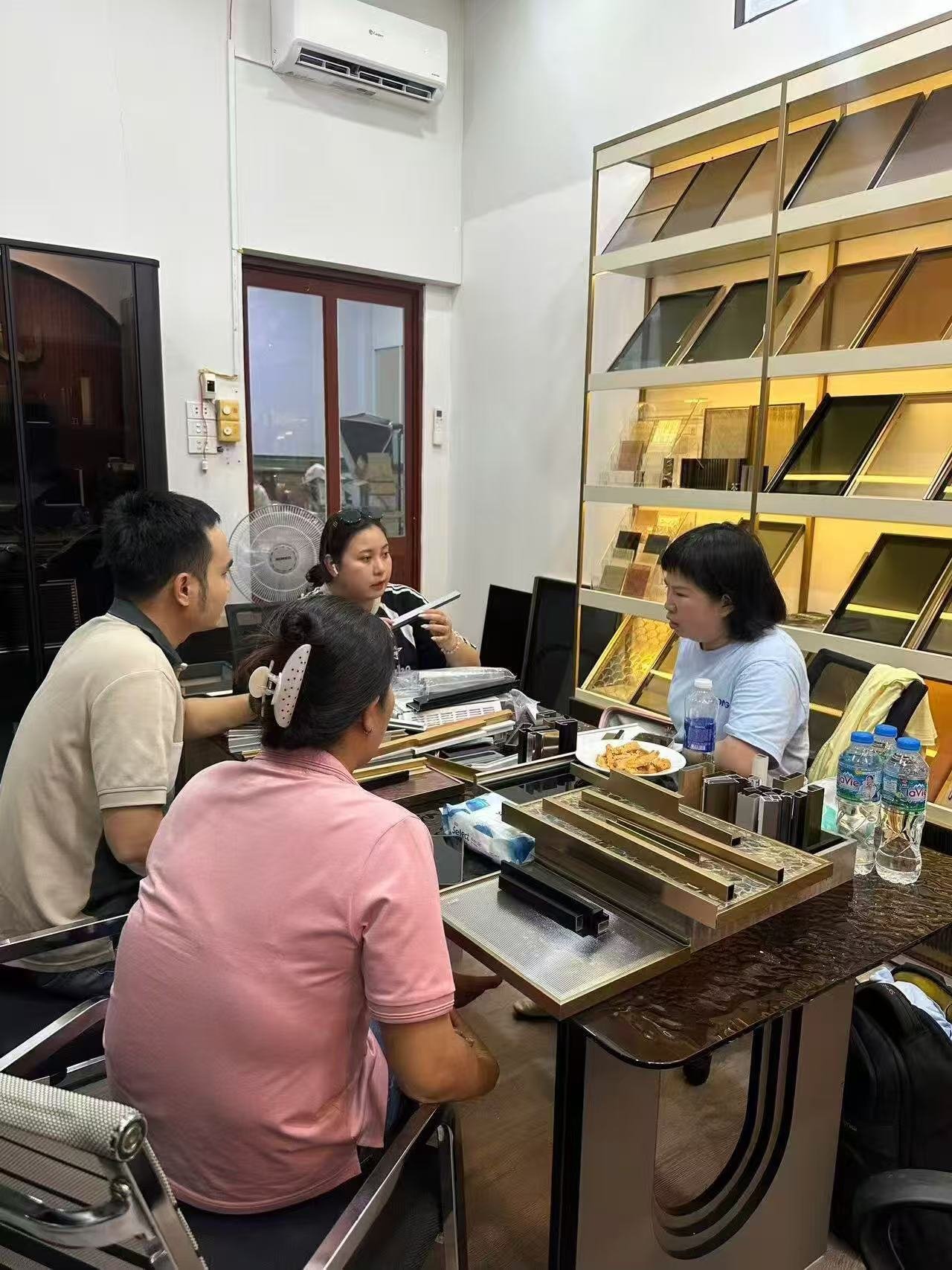
Many buyers come to me after they have already experienced a painful order. They usually do not ask only, “What is your price?” They ask, “Can you ship fast? Can you match this color again? Can you customize this profile without creating problems later?” Those questions matter more.
Why Is an Aluminum Handles Manufacturer and Supplier a Risk-Control Decision?
A buyer may treat an aluminum handles manufacturer and supplier as a normal vendor until one delayed shipment blocks a cabinet line or one color mismatch causes rework. The damage is rarely limited to the handle cost. It can affect project delivery, labor planning, customer trust, and repeat sales.
A reliable aluminum handles manufacturer and supplier should be evaluated by how well it reduces purchasing risk. Buyers should check stock depth, dispatch speed, custom lead time, color repeatability, replenishment capacity, and communication quality before focusing on unit price. These factors directly affect factory schedules and project delivery promises.
Price is visible, but risk is hidden
I have seen many buyers compare two aluminum handle quotations line by line. That is normal. Procurement teams must control cost. But I also see a problem: the cheapest quotation is often easier to understand than the risk behind it.
For cabinet and wardrobe factories, the real cost of a handle includes:
- Waiting time if the supplier has no stock.
- Rework cost if colors do not match previous batches.
- Storage pressure if MOQ is too high.
- Customer complaints if finish or style changes between orders.
- Lost production time if custom samples fail repeatedly.
- Communication cost if the supplier cannot give practical guidance.
A low unit price can become expensive when the order is unstable.
How I suggest buyers evaluate risk
When I speak with factory owners or procurement managers, I usually advise them to ask questions that connect directly to their own production schedule.
| Evaluation point | Why it matters | What buyers should ask |
|---|---|---|
| Stock availability | Reduces waiting time | Which models, colors, and lengths are ready now? |
| Dispatch speed | Protects urgent projects | How soon can stock orders leave the warehouse? |
| Custom lead time | Keeps OEM/ODM plans realistic | How many days are needed after confirming size, finish, and drawing? |
| Color consistency | Prevents rework | Can future batches stay close to the approved sample? |
| Product range | Supports matching sets | Can handles match profiles, rods, mesh, or other aluminum parts? |
| Replenishment | Supports repeat production | Can the same style be supplied again later? |
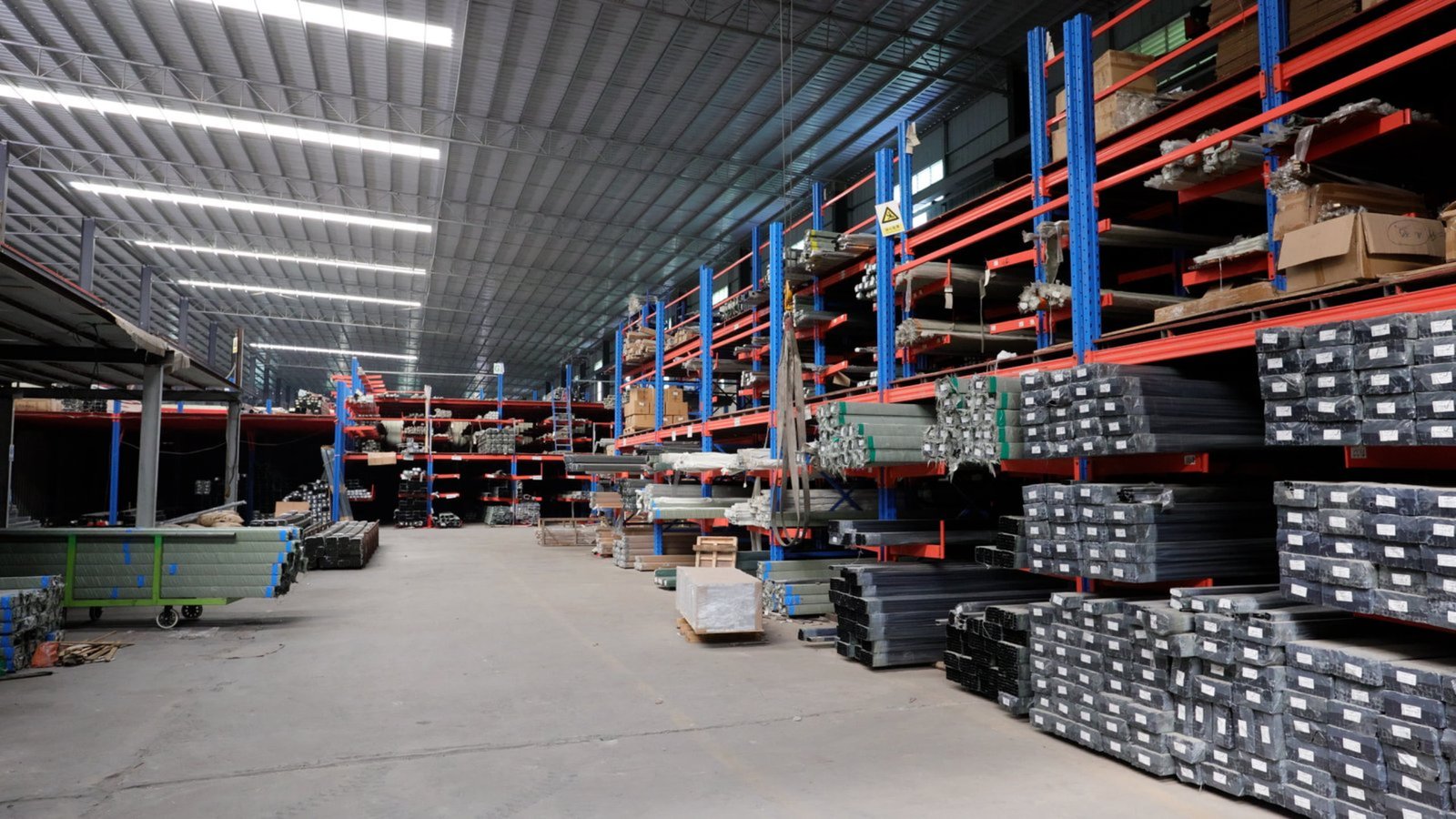
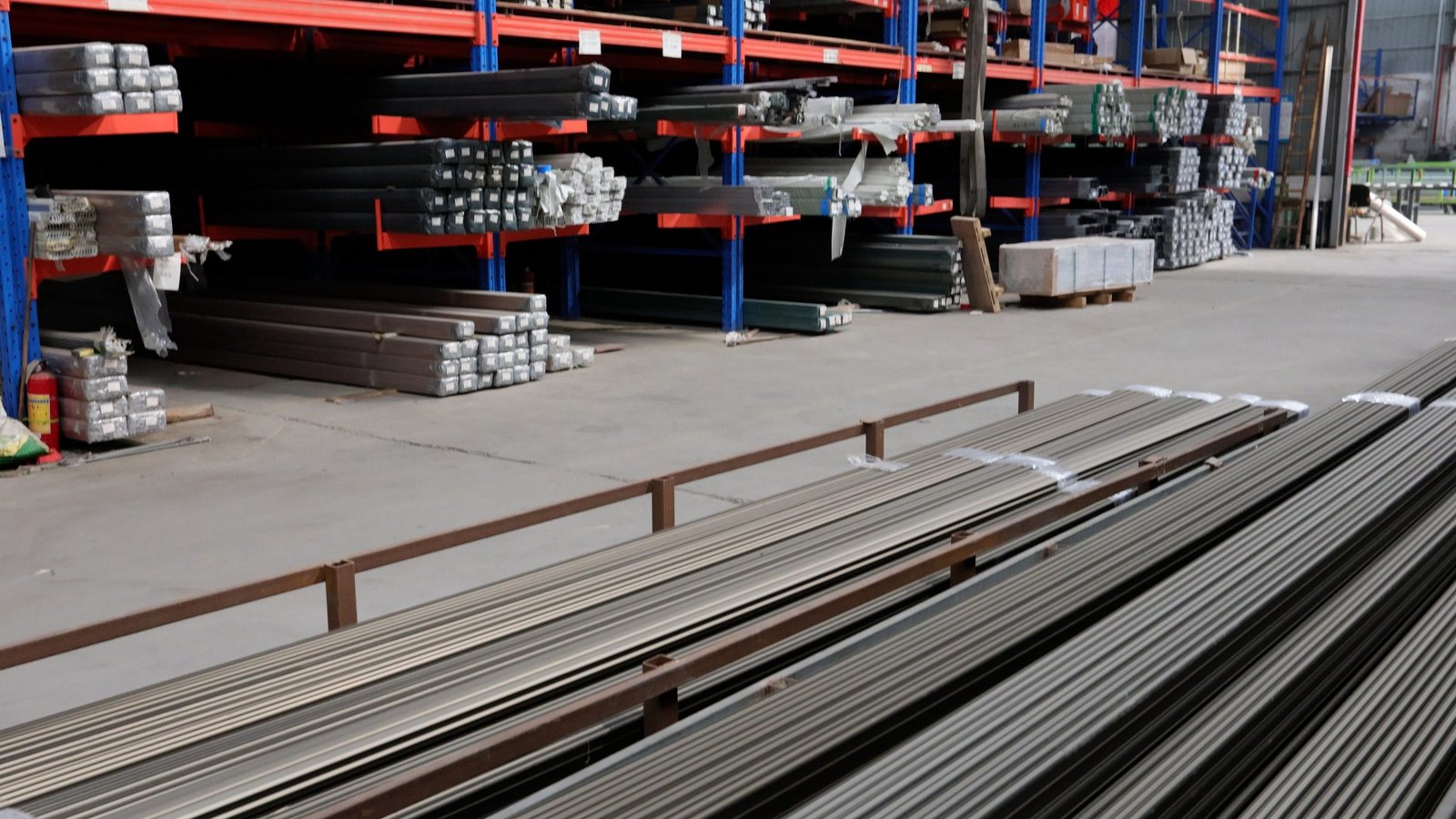
At LiliTONG, our business context shapes how I look at these questions. We are based in Foshan, China, and we manufacture furniture hardware and aluminum profile components for cabinet, wardrobe, and furniture production. We keep around 300 tons of ready inventory, which allows us to ship stock orders within 48 hours in many cases. Custom orders are usually handled in 3–7 days, depending on the confirmed design and production requirements.
I do not present these numbers as a substitute for buyer verification. Buyers should confirm stock, finish, drawings, packaging, and order terms before payment. But these numbers show the kind of operational details that matter when selecting an aluminum handle partner.
A supplier should not only answer, “How much?”
A supplier should also answer, “How fast, how consistent, and how repeatable?”
That is why I see supplier choice as a risk-control decision first.
What Should You Check Before Choosing an Aluminum Handles Manufacturer and Supplier?
Choosing an aluminum handles manufacturer and supplier without a clear checklist creates avoidable problems. Photos may look good, samples may pass a quick review, and the first order may seem fine. The real test appears when you need repeat orders, matching finishes, shorter lead times, or custom development.
Before choosing an aluminum handles manufacturer and supplier, buyers should check inventory depth, dispatch capability, MOQ rules, color and finish control, customization support, product range, packaging, replenishment ability, and communication speed. These factors show whether the supplier can support regular cabinet, wardrobe, and furniture production rather than only one-time orders.
Start with supply stability
Supply stability is the first checkpoint because it affects everything downstream. If your own customer expects delivery next week, you cannot wait for vague production promises.
I suggest asking:
- Which handle models are in stock now?
- Which colors are stocked regularly?
- How much quantity can be shipped within 48 hours?
- What happens if I need repeat supply next month?
- Can you support small replenishment orders without forcing unnecessary inventory?
For many furniture factories, inventory pressure is a serious issue. A buyer does not always want to purchase a full container of one model and one finish. Markets change. Project requirements change. A supplier with standing inventory can reduce the buyer’s need to overbuy.
Look at MOQ as a cash-flow issue
MOQ is not just a number. MOQ affects cash flow, warehouse space, and flexibility. A high MOQ can force buyers to accept colors or styles they do not need immediately. It can also create slow-moving inventory.
Here is how I usually compare MOQ impact:
| Supplier situation | Buyer impact |
|---|---|
| High MOQ with no stock support | More cash tied up and more warehouse pressure |
| Low stock range and many made-to-order items | Longer lead time and harder replenishment |
| Broad stock range with flexible ordering | Faster testing, easier repeat orders, lower risk |
| Custom-only production | Useful for special designs but slower for daily needs |
At LiliTONG, our stock depth is one of the reasons many buyers speak with us. We keep a wide variety of furniture hardware and aluminum profile components, including cabinet door handles, minimalist aluminum profiles for glass doors, aluminum honeycomb panels, aluminum ventilation mesh, and aluminum wardrobe hanging rods. For buyers, this range is not only convenient. It helps reduce mismatch when they need related components in coordinated finishes.
Check communication before the order
A supplier’s communication style before payment often predicts communication after payment. I pay attention to how quickly and clearly a supplier can confirm:
- Model number or drawing version
- Surface finish
- Color reference
- Length and size tolerance expectations
- Packing method
- Available stock
- Production time
- Delivery terms
- Replacement or shortage handling process
I have had conversations where a buyer sends only a photo and asks for “same handle.” I understand why they do it. They are busy. But I always prefer to confirm dimensions, application, finish, and usage scenario before quoting too confidently. A responsible aluminum handle supplier should slow down enough to prevent mistakes.
Do not skip sample review
Samples matter, but buyers should use them correctly. A single sample does not guarantee every future batch will be identical. It is a reference point for approval. Buyers should keep approved samples properly labeled, including:
- Date of approval
- Model name
- Color or finish code
- Order number
- Application project
- Buyer comments
This small habit helps future orders. It gives both sides a practical reference when discussing repeat production.
Why Does Color Consistency Matter When Buying Aluminum Handles?
Color consistency can seem like a cosmetic issue until installed handles sit next to cabinet doors, glass profiles, wardrobe rods, or other visible aluminum parts. When color changes between batches, buyers face complaints, rework, and difficult explanations to their own customers. The risk becomes commercial, not decorative.
Color consistency matters because aluminum handles are visible furniture components. Buyers should confirm finish standards, approved samples, batch control, and matching requirements before mass orders. Photos and color cards are useful, but they should not replace physical samples, repeat-order records, and clear communication about acceptable color variation.
Photos do not tell the full story
I often receive photos from buyers who ask us to match a champagne, matte black, brushed gold, or gray aluminum handle. Photos help us understand the direction. However, photos are affected by:
- Lighting
- Camera settings
- Screen brightness
- Background color
- Angle of reflection
- Surface texture
A matte black handle can look deep black in one photo and dark gray in another. Brushed gold can look warm, pale, or reddish depending on the light. That is why I do not recommend making final decisions based only on images.
Color cards are useful, but they are not enough
Color cards are better than photos, but they still have limits. A small color card may not show how a finish looks across a long handle, especially with brushed or textured surfaces. The visual effect can change when the part is installed horizontally, vertically, or near glass and wood panels.
For repeat orders, buyers should think about color in three levels:
| Color control level | Buyer action | Reason |
|---|---|---|
| Initial selection | Review physical samples | Confirms visual direction |
| Order approval | Keep signed or labeled sample | Creates a reference point |
| Repeat order | Compare against previous approved sample | Reduces batch mismatch risk |
Matching is harder when the product range is narrow
Cabinet and wardrobe factories rarely use handles alone. They may need matching aluminum profiles, glass door frames, hanging rods, ventilation mesh, or decorative trims. If these parts come from unrelated suppliers, color mismatch becomes more likely.
This is one reason product range matters. When a buyer can source related aluminum furniture components from one coordinated supplier, the finish discussion becomes easier. It does not remove all variation, but it reduces unnecessary complexity.
At LiliTONG, we support buyers who need handles and related aluminum profile components for furniture systems. Our role is not to promise impossible “perfect color forever.” Aluminum surface treatment can have controlled variation. My view is more practical: buyers and suppliers should create a clear reference system, communicate repeat-order needs early, and avoid relying only on photos.
Practical steps to reduce color risk
I suggest buyers use this process:
- Send the application photo so the supplier understands where the handle will be used.
- Confirm the desired finish with a physical sample when possible.
- Check matching parts such as profiles, rods, and panels at the same time.
- Keep approved samples for future comparison.
- Ask about stock availability in the same color before placing repeat orders.
- Avoid mixing batches in the same visible installation area when possible.
Color consistency is not only a quality-control point. It is a project protection point. If a furniture factory delivers wardrobes with mismatched aluminum parts, the customer usually does not blame the supplier. The customer blames the factory. That is why buyers should discuss color early and seriously.
How Should Custom Aluminum Handles Move From Drawing to Production?
Custom aluminum handles can fail when buyers and suppliers treat the process as “send drawing, get quote, make goods.” A drawing is important, but it does not answer every production question. Size, grip comfort, finish, installation method, packaging, and repeat production all need review before mass supply.
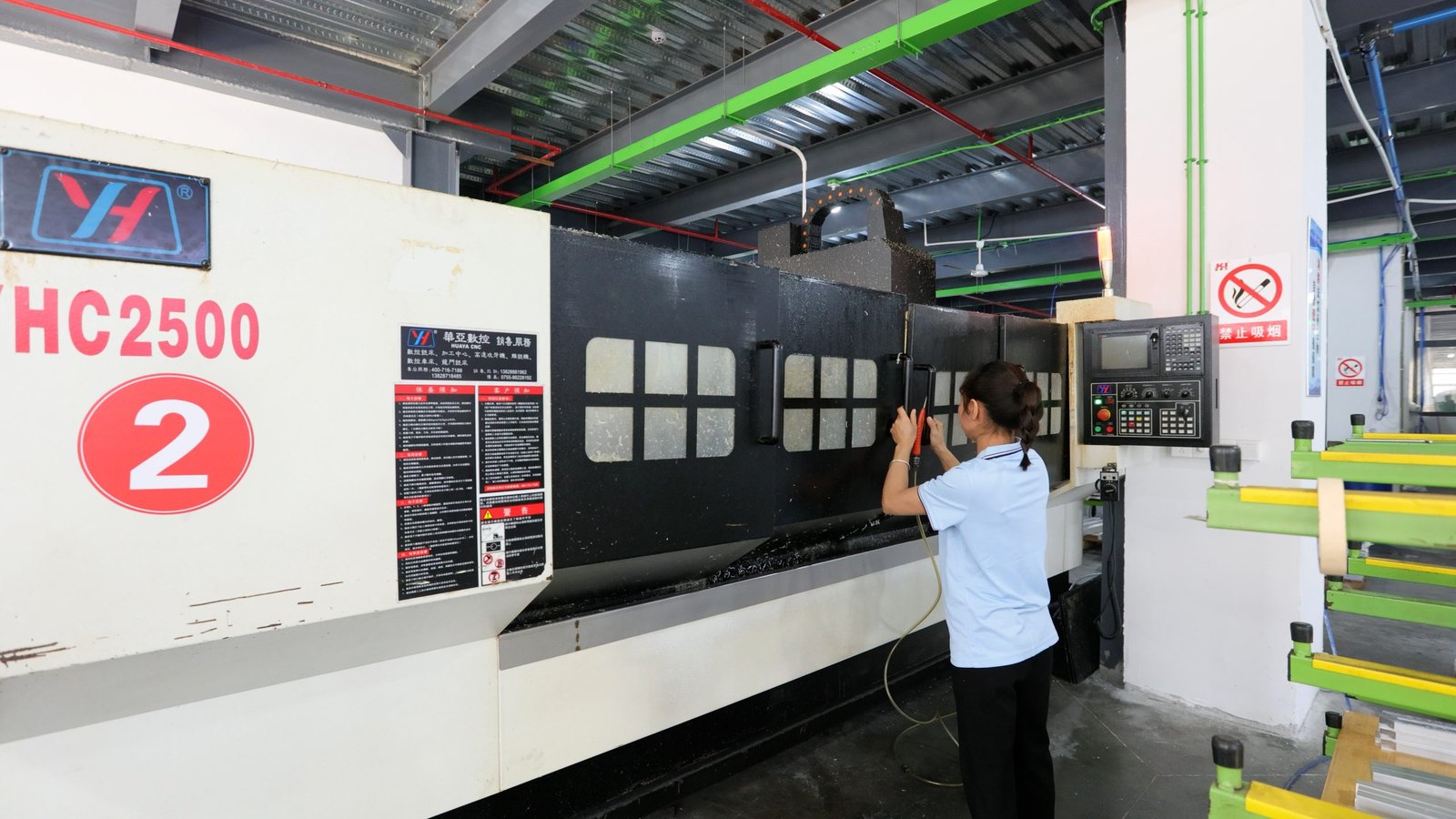
Custom aluminum handles should move from drawing to production through design review, application confirmation, sample approval, surface finish selection, feasibility discussion, lead-time confirmation, and batch control. A capable supplier should give practical production guidance, not only quote from a file. This helps buyers avoid costly changes after production starts.
A drawing is the start, not the finish
In OEM/ODM work, I have learned that drawings often describe shape better than usage. A handle may look good on paper but still create problems if the grip is uncomfortable, the screw position is difficult, or the surface finish does not match the furniture line.
Before production, I like to confirm:
- Where the handle will be installed
- Cabinet or wardrobe door material
- Door thickness
- Required length
- Screw hole position
- Visible surface direction
- Finish and color
- Packaging method
- Expected order quantity
- Future replenishment plan
This is not bureaucracy. It is prevention.
Feasibility protects both sides
A supplier with manufacturing experience should be able to say more than “yes.” Sometimes the better answer is: “This can be made, but this edge may be difficult,” or “This finish may show scratches more easily in this application,” or “This size may increase cost without improving function.”
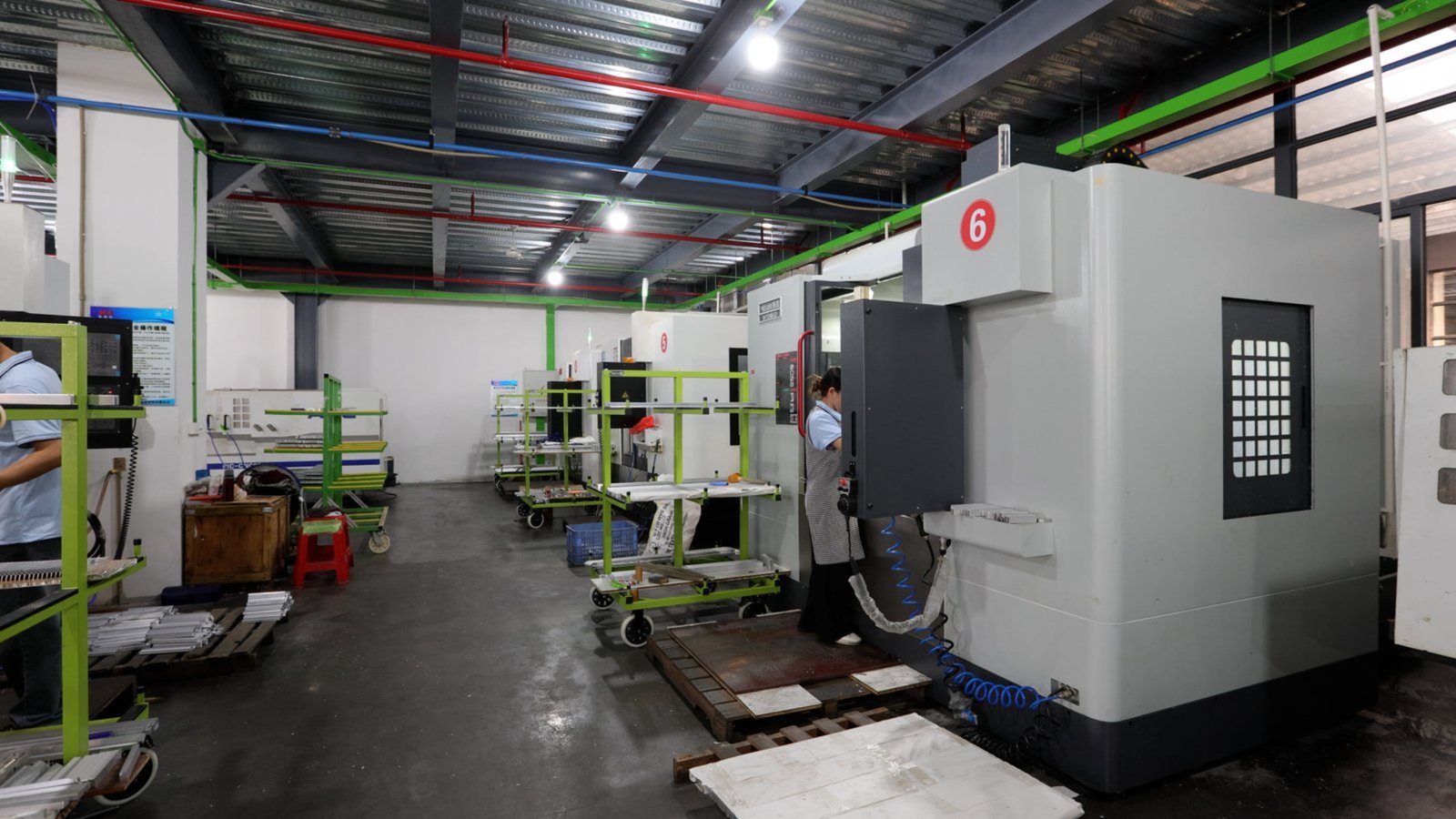
LiliTONG has 18 years of manufacturing experience in furniture hardware and aluminum profile components. I use that experience in customer communication and order execution. I do not present myself as an engineering certifier or laboratory authority. For application-specific structural or safety decisions, buyers should consult qualified professionals. But for practical production guidance, experienced supplier feedback can prevent many common problems.
A simple custom order workflow
A practical custom aluminum handle process may look like this:
-
Inquiry and application review
The buyer sends a drawing, sample, photo, or concept. The supplier checks usage and basic feasibility. -
Specification confirmation
Both sides confirm size, finish, color, order quantity, packing, and delivery expectations. -
Quotation and lead-time confirmation
The supplier gives a quote based on confirmed details, not vague assumptions. -
Sample or pre-production confirmation
The buyer approves a physical sample or detailed production reference. -
Mass production or stock preparation
The supplier follows the approved reference and communicates any issue early. -
Inspection and shipment preparation
The order is checked against agreed specifications and packed according to buyer needs. -
Repeat-order record keeping
The supplier and buyer keep reference information for replenishment.
Customization should not create chaos
Some buyers worry that customization means long delays and high MOQ. Sometimes that is true. But it depends on the supplier’s product base, inventory system, and production experience.
At LiliTONG, custom orders are commonly handled in 3–7 days after confirmation, depending on the product and finish. This timeline is useful for buyers who need flexibility but cannot let custom development delay their full furniture production plan.
Still, buyers should be realistic. If a custom handle requires a new structure, special finish, unusual length, or non-standard packaging, the timeline and MOQ may change. The supplier should explain this clearly before the buyer commits.
Good customization is not only about saying yes to a drawing. Good customization is about helping the buyer make a handle that can be produced consistently, delivered on time, and reordered without confusion.
Why Does Product Range Matter in an Aluminum Handles Manufacturer and Supplier?
A narrow supplier may handle one order well but fail when the buyer needs matching profiles, colors, styles, or replenishment across several furniture lines. Cabinet and wardrobe factories usually need long-term component support. A broad product range helps reduce mismatch, sourcing time, and coordination problems.
Product range matters because buyers often need aluminum handles, glass door profiles, wardrobe rods, ventilation mesh, panels, and related furniture hardware in coordinated styles and finishes. A broader supplier can support matching, replenishment, customization, and faster sourcing, which helps factories reduce procurement complexity and production delays.
Furniture production needs systems, not isolated parts
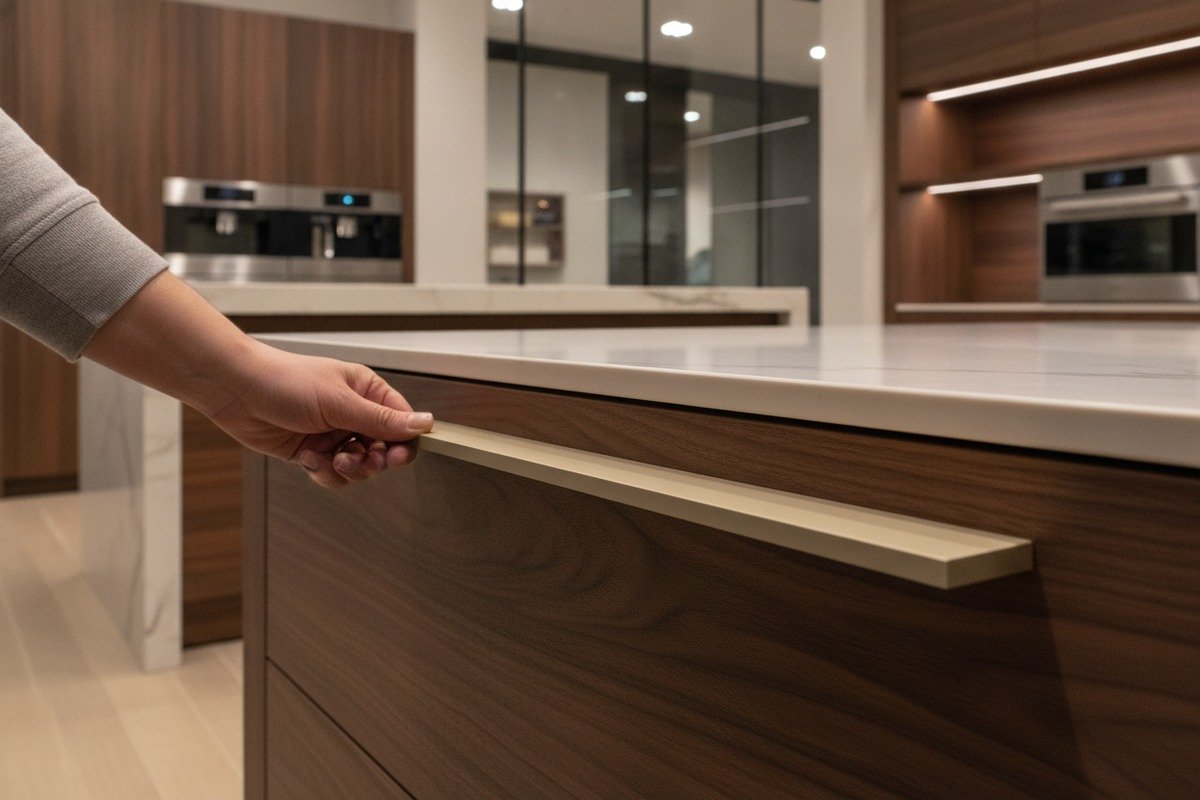
A handle is one visible part of a cabinet or wardrobe system. But buyers often need related parts that must look and function well together. A wardrobe project may require:
- Long cabinet handles
- Minimalist aluminum profiles for glass doors
- Aluminum wardrobe hanging rods
- Ventilation mesh
- Decorative aluminum trims
- Matching surface finishes
- Consistent packaging for production line use
If every part comes from a different supplier, procurement becomes harder. The buyer must manage several lead times, several color standards, and several communication styles. This increases risk.
Broad range reduces color and style gaps
A full range does not matter only because it gives buyers more catalog choices. It matters because it prevents gaps. For example, a factory may launch a matte black wardrobe line. The handle is available, but the matching glass door profile is not. Or the champagne handle is ready, but the hanging rod color looks different.
When a supplier keeps many styles and colors in stock, the buyer has more room to coordinate. This is especially useful for buyers serving local markets where styles change quickly and project deadlines are tight.
At LiliTONG, we produce cabinet door handles, minimalist aluminum profiles for glass doors, aluminum honeycomb panels, aluminum ventilation mesh, and aluminum wardrobe hanging rods. Our range helps buyers source related components while reducing the risk of obvious color mismatch or style inconsistency.
Product range also supports market testing
Many hardware buyers and furniture factories do not want to commit immediately to one large order. They may want to test a handle style in their market first. A supplier with standing inventory can support this better than a supplier that only produces after large MOQ confirmation.
A practical market-testing approach may include:
| Buyer goal | Supplier support needed |
|---|---|
| Test a new handle style | Small stock order and fast dispatch |
| Match existing furniture line | Physical sample and finish comparison |
| Launch a new wardrobe series | Handles plus related aluminum profiles |
| Replenish after sales growth | Repeat supply in the same style and finish |
| Develop private-label products | OEM/ODM support and production guidance |
One-stop sourcing should still be evaluated carefully
I believe one-stop sourcing is useful, but buyers should still verify details. A broad catalog alone does not prove execution ability. Buyers should ask:
- Are the main models actually in stock?
- Are colors available now or only shown in the catalog?
- Can the supplier replenish the same model later?
- Can custom colors or sizes be guided by production experience?
- Are packing and labeling suitable for resale or factory use?
For buyers sourcing from China, these questions save time. They also help identify whether the supplier is a trading-style catalog provider or a manufacturing partner with practical order execution ability.
A strong aluminum handles manufacturer and supplier should support the buyer’s future product planning, not only the current purchase order.
Frequently Asked Questions
What is the most important factor when choosing an aluminum handles manufacturer and supplier?
The most important factor is supply stability. Buyers should check stock availability, dispatch speed, repeat-order capability, color consistency, and customization support. Unit price matters, but it should not be separated from delivery risk, rework risk, and replenishment pressure.
How fast can aluminum handles be shipped from China?
Shipping speed depends on stock, finish, quantity, and logistics method. In our case at LiliTONG, stock orders can often be dispatched within 48 hours, while custom orders are commonly handled in 3–7 days after details are confirmed. Buyers should verify availability before ordering.
Why should I not choose aluminum handles only from photos?
Photos can distort color, texture, and surface reflection because of lighting, camera settings, and screen differences. Buyers should request physical samples, keep approved references, and compare repeat orders against those references, especially for visible cabinet and wardrobe projects.
Can aluminum handles be customized for OEM or ODM orders?
Yes, aluminum handles can be customized for OEM/ODM orders, but buyers should confirm more than a drawing. Size, finish, application, screw position, packing, order quantity, and production feasibility should be reviewed before mass production to avoid delays and inconsistent results.
What related products should I source with aluminum handles?
Cabinet and wardrobe factories often source aluminum handles together with glass door aluminum profiles, wardrobe hanging rods, aluminum ventilation mesh, honeycomb panels, and other furniture hardware. Coordinated sourcing can reduce color mismatch, style gaps, and communication delays.
Conclusion
Choosing an aluminum handles manufacturer and supplier is really a decision about production risk. Buyers should look beyond the quotation and evaluate stock depth, dispatch speed, color consistency, MOQ pressure, product range, and customization guidance. From my experience serving cabinet, wardrobe, and furniture factories, stable execution matters as much as product appearance. If you need aluminum handles or matching aluminum profile components from China, contact LiliTONG to discuss your stock order, custom requirement, finish matching, and delivery plan.