
Every monsoon season, our customer service inbox fills up with the same urgent question from Vietnamese distributors: why are my aluminum handles turning white and chalky after just a few months on the shelf neutral salt spray (NSS) test 1? The frustration is real. You invest in what looks like a premium handle, only to watch it degrade in Ho Chi Minh City’s relentless humidity or Da Nang’s salty coastal air. On our production floor in Foshan, we have spent years refining how we test and finish aluminum handles specifically for tropical export markets, and the truth is that most corrosion failures trace back to one root cause — inadequate testing before the order ships.
To test salt spray resistance on aluminum furniture handles, run a neutral salt spray (NSS) test per ASTM B117 or ISO 9227 on actual finished samples — including edges, screw holes, and assembled fasteners — for at least 96 to 240 hours depending on end-use exposure, then evaluate for white corrosion, blistering, pitting, and coating adhesion loss using predefined acceptance criteria.
This guide breaks down exactly how to interpret test hours, choose the right surface treatments, verify supplier reports, and pick the best aluminum alloy — so your next bulk shipment survives Vietnam’s toughest conditions. Let’s start with the numbers that matter most.
How do I interpret salt spray test hours to guarantee my aluminum handles won't corrode in coastal areas?
When we first began exporting recessed aluminum pulls to Vietnam's coastal provinces, our team assumed that a simple 48-hour salt spray pass was enough. We learned the hard way that it was not, and so did our customers.
Salt spray test hours indicate relative corrosion resistance under accelerated lab conditions, not a direct real-world lifespan guarantee. For coastal Vietnam, require a minimum of 240 hours NSS per ASTM B117, but always pair the hour count with clear pass/fail criteria covering white corrosion, pitting, blistering, and coating adhesion on the actual finished handle assembly.
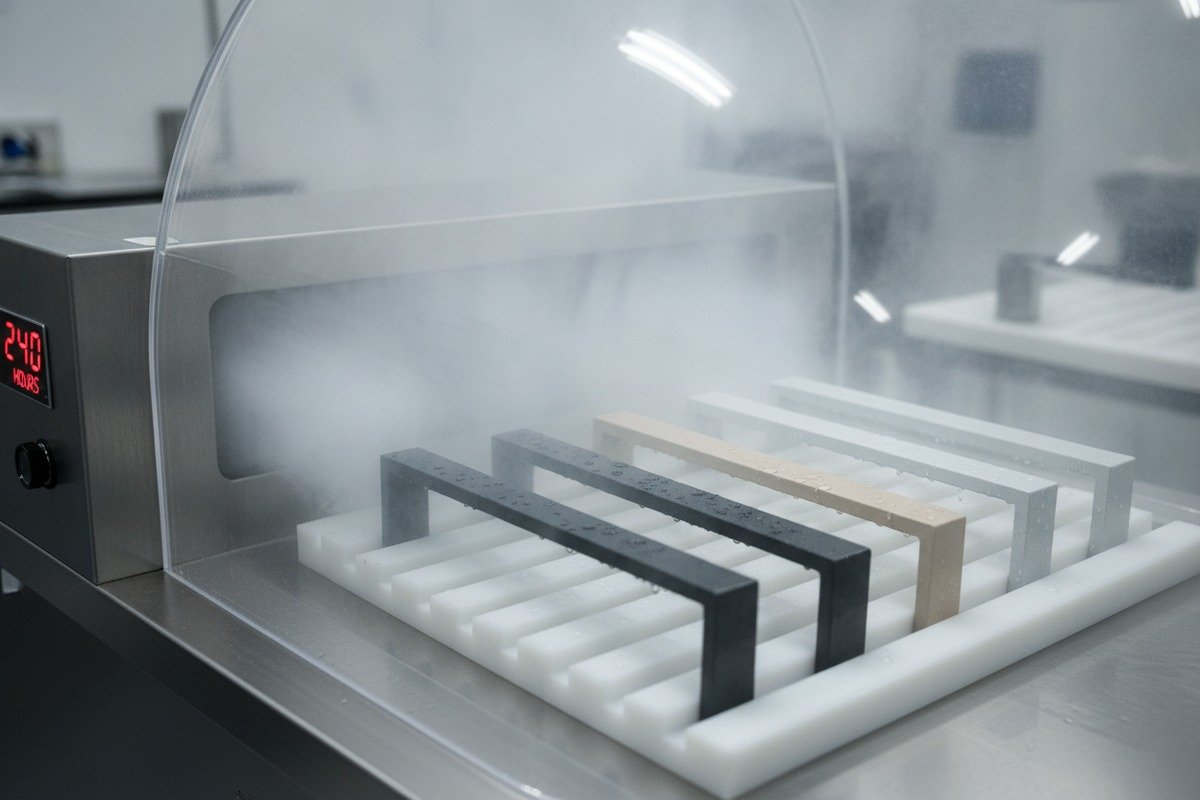
What the hours actually mean
A salt spray chamber creates an extreme environment. It continuously sprays a fine 5% sodium chloride mist 2 at 35°C and a pH between 6.5 and 7.2. This is far more aggressive than any single day in Hai Phong or Nha Trang. The purpose is to compress months or years of environmental exposure into hours or days. But here is the critical point: 96 hours in a chamber does not equal 96 days or 96 months outdoors. The relationship between lab hours and field life depends on the specific finish, the local climate, and how the handle is installed.
Common hour benchmarks and their real meaning
Many suppliers throw out hour numbers like marketing slogans. Here is a practical reference we share with our OEM partners:
| Application | Recommended NSS Hours | Why This Range |
|---|---|---|
| Indoor furniture, dry climate | 24–48 hours | Minimal moisture exposure; cosmetic standard only |
| Indoor furniture, humid climate (e.g., HCMC) | 96–120 hours | High indoor humidity, condensation risk |
| Semi-outdoor or bathroom furniture | 120–240 hours | Direct moisture contact, occasional splash |
| Coastal or outdoor-adjacent use | 240–500+ hours | Persistent salt-laden air, monsoon moisture |
Why hours alone can mislead you
A polished lab coupon can survive 500 hours easily. But the same alloy, cut into a handle shape with screw holes and assembled with a steel fastener, may show white corrosion at 120 hours. The difference is not the material — it is the finish integrity at edges, joints, and contact points. When we prepare samples for testing, we always include the actual production handle, complete with mounting screws and any inserts. We recommend you demand the same from any supplier.
What to look for after the test ends
Do not just ask "Did it pass?" Ask to see the handle. After testing, inspect for white powdery deposits 3 (aluminum oxide), any blistering or peeling of the coating, discoloration around screw holes, and pitting on exposed edges. For aluminum, "no red rust" is not the right criterion — aluminum does not produce red rust. The failure modes are white corrosion, pitting, and coating delamination.
Pair salt spray with humidity testing
Vietnam's real threat is not pure salt mist — it is the combination of salt residue, extreme humidity (often 85–100% RH), and heat cycling between day and night. A humidity-salt-fog test, where the chamber alternates between salt mist and 94–100% relative humidity phases, gives a much more realistic picture. We advise buyers targeting Da Nang, Vung Tau, or any coastal province to request this combined protocol in addition to standard NSS.
What surface treatment specifications should I include in my OEM order to maximize corrosion resistance?
Our engineers often say that the aluminum alloy is the skeleton, but the surface treatment is the armor. When we develop a new handle finish for a Vietnamese furniture factory, the surface spec discussion takes more time than the shape design — and for good reason.
To maximize corrosion resistance, specify in your OEM order the exact pretreatment process (chromate-free conversion or phosphate), the coating type and minimum thickness (e.g., anodizing ≥15 µm or powder coating ≥60 µm), the sealing method for anodized parts, edge coverage requirements, and fastener material compatibility — all tied to a defined salt spray test standard and minimum hours.

The surface treatment stack
Think of corrosion protection as a layered system. Each layer matters:
- Pretreatment — Cleans the raw aluminum and creates a chemical conversion layer that helps the top coat bond. Chromate conversion 6 (yellow or clear) has long been the standard, but many buyers now require chromate-free alternatives for environmental compliance.
- Primary coating — This is your main barrier. It can be anodizing 7, powder coating, electrophoresis (e-coat), or liquid paint.
- Sealing — For anodized handles, sealing closes the porous oxide layer. Hot water sealing or nickel acetate sealing are common. Without proper sealing, an anodized surface can absorb moisture and stain.
- Edge and hole protection — Cut edges and drilled holes expose raw aluminum. If the coating does not wrap these areas, corrosion starts there first.
Coating types and their corrosion performance
| Surface Treatment | Typical Thickness | NSS Hours (Well-Applied) | Best For | Watch Out For |
|---|---|---|---|---|
| Clear anodizing (Class I, ≥18 µm) | 15–25 µm | 240–500+ hours | Architectural, premium matte look | Must be sealed; edges can be thin |
| Hard anodizing (Type III) | 25–75 µm | 500–1000+ hours | High-wear, industrial | Darker color, limited decorative options |
| Powder coating 8 (polyester) | 60–120 µm | 240–500+ hours | Color variety, indoor/outdoor | Edge coverage depends on application method |
| Electrophoretic coating (e-coat) | 15–30 µm | 120–240 hours | Uniform thin coat, primer layer | Often used as base under powder coat |
| PVD (Physical Vapor Deposition) | 0.3–5 µm | Varies widely | Premium decorative finish (gold, bronze) | Thin film; performance depends on base prep |
What to write into your purchase order
Be specific. Do not just say "anodized" or "powder coated." Here is what we recommend including in every OEM surface treatment specification:
- Alloy grade (e.g., 6063-T5)
- Pretreatment method (e.g., chromate-free conversion coating)
- Coating type (e.g., polyester powder coat)
- Minimum dry film thickness (e.g., ≥ 60 µm on faces, ≥ 40 µm on edges)
- Color and gloss range (e.g., RAL 9005 matte, 10–20 GU)
- Sealing method for anodized parts (e.g., hot water seal at ≥ 96°C for 20 min)
- Fastener specification (e.g., stainless steel 304 screws only)
- Salt spray requirement (e.g., ≥ 240 hours NSS per ASTM B117, no white corrosion, no blistering ≥ 2 mm from scribed line)
The edge problem
On our production line, we pay extra attention to edges. When a handle profile is cut to length, raw aluminum is exposed. If the powder coat or anodizing does not adequately cover that cut face, it becomes the weakest link. For our champagne gold anodized recessed handles — the sleek, slim rectangular pulls with a deep finger channel — we apply a secondary edge treatment or ensure the anodizing bath fully coats the cut ends. Ask your supplier how they handle this. If they cannot answer clearly, that is a red flag.
Galvanic corrosion from mixed metals
If your aluminum handle ships with zinc-plated steel screws, you have a galvanic corrosion risk 9. In humid air, the steel screw and aluminum handle form an electrochemical cell, and the aluminum corrodes faster around the screw hole. Always specify stainless steel 304 or 316 fasteners for humid market handles. The cost difference is minimal compared to a warranty claim.
How can I verify that the salt spray test reports from my Chinese supplier are accurate for my bulk shipment?
We have seen it happen too many times. A buyer receives a beautiful test report showing 500 hours of salt spray resistance, only to find white spots on the handles three months after delivery. The report was real — but the tested sample was not representative of the actual shipment. Verification is not about distrust. It is about protecting your investment.
To verify a supplier's salt spray test report, confirm the test was performed by an accredited third-party lab, check that the tested samples match your exact production finish and assembly, review chamber conditions (temperature, pH, NaCl concentration), compare before/after photos, and conduct random re-testing from your received bulk shipment using an independent lab.
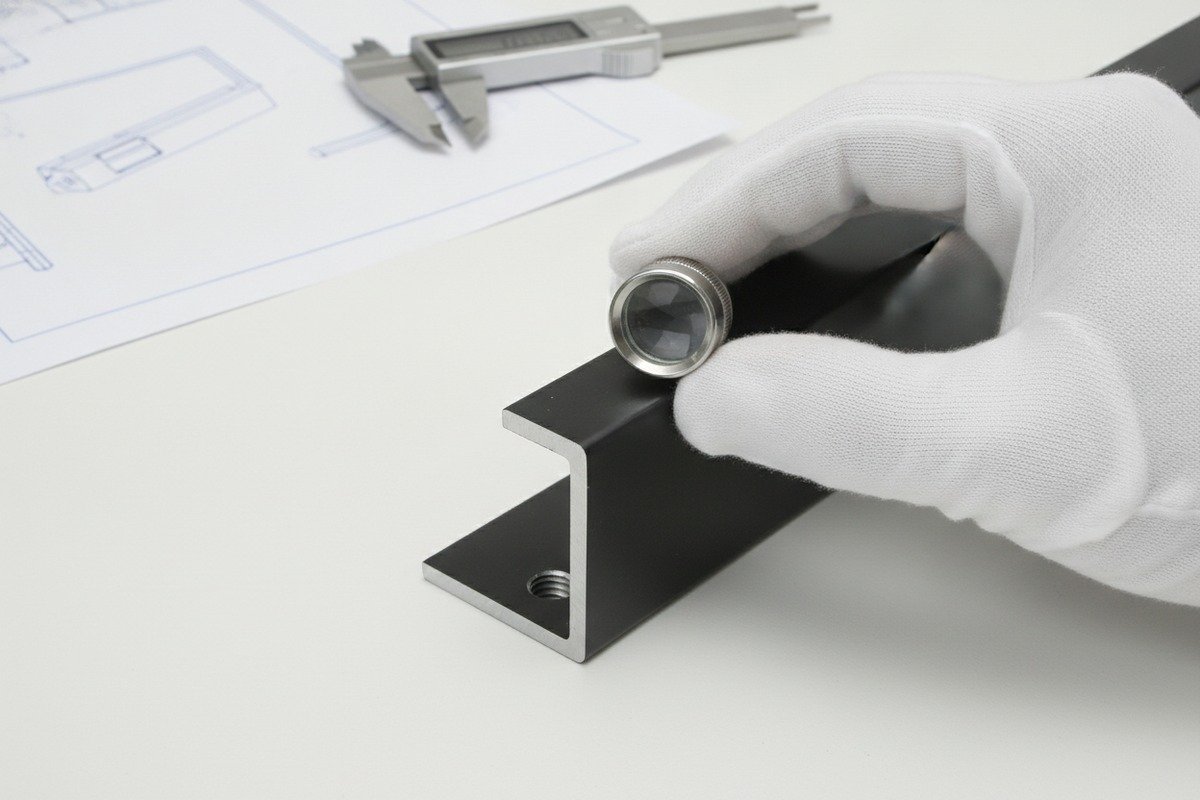
Step 1: Check who did the test
A test report from the supplier's own in-house lab is a starting point, but it is not proof. Ask whether the test was conducted by a CNAS-accredited or ILAC-recognized third-party laboratory. In China, reputable testing labs such as SGS, TÜV, Intertek, and regional CNAS labs issue standardized reports with lab accreditation numbers. If the supplier can only provide an internal report with no lab name or accreditation, treat it as a preliminary screening result, not a guarantee.
Step 2: Match the sample to your order
This is the most common gap. The test sample should be:
- The same alloy grade as your production order
- The same surface treatment (not a different color or finish batch)
- The same geometry (actual handle, not a flat coupon)
- Assembled with the same fasteners and inserts
- From the same production run or at least the same process parameters
Ask the supplier directly: "Was this test performed on a flat panel sample or on the actual handle?" If it was a flat panel, the result tells you about the coating, but not about how that coating performs on your handle's edges, channels, and screw holes.
Step 3: Read the report details
A credible salt spray test report should include:
| Report Element | What to Check |
|---|---|
| Standard referenced | ASTM B117 or ISO 9227 10 NSS/AASS/CASS |
| Test duration | Must match or exceed your specification |
| Chamber temperature | Should read 35 ± 2°C for NSS |
| NaCl concentration | 5 ± 1% by weight |
| Solution pH | 6.5–7.2 for NSS; 3.1–3.3 for AASS |
| Sample preparation | Cleaning method, masking of non-test areas |
| Sample positioning | 15–30° from vertical |
| Before/after photos | Clear, labeled, same angle |
| Failure description | Specific locations, type of corrosion observed |
| Pass/fail criteria used | Must be stated, not assumed |
Step 4: Conduct your own re-test
For any significant bulk order, pull random samples from the received shipment and send them to an independent lab in Vietnam or a third country. This is the only way to confirm that the production batch matches the tested sample. Our recommendation is to budget for re-testing on your first order from any new supplier, and periodically on repeat orders. The cost of a salt spray test at a commercial lab is typically between $100 and $400 depending on duration and number of samples — a small fraction of a container's value.
Step 5: Look for consistency across orders
One good report does not guarantee the next batch. Surface treatment quality can vary with chemical bath age, operator skill, ambient temperature, and line speed. We maintain batch tracking on our anodizing and powder coating lines specifically so we can trace any field complaint back to a production date and process record. Ask your supplier if they have similar traceability. If they do, it signals a mature quality system.
Red flags in supplier reports
Watch for these warning signs: reports with no lab name or accreditation number, photos that show a different handle model than what you ordered, test durations that conveniently round to exactly the number you requested (e.g., "passed 240 hours" with no detail on appearance at intermediate checkpoints), and any reluctance to share the full report rather than a summary.
Why is choosing the right aluminum alloy essential for passing rigorous salt spray tests in humid environments?
When we design a new handle profile — like our slim, low-profile recessed pulls with the deep geometric finger channel — the very first engineering decision is alloy selection. It happens before we discuss color, before we discuss finish, and before we cut a single die. The alloy is the foundation of everything.
Choosing the right aluminum alloy matters because different alloys contain varying levels of copper, magnesium, silicon, and zinc, which directly affect their natural corrosion resistance, their compatibility with anodizing and powder coating processes, and their ability to withstand salt spray exposure without pitting or intergranular corrosion in humid tropical environments.
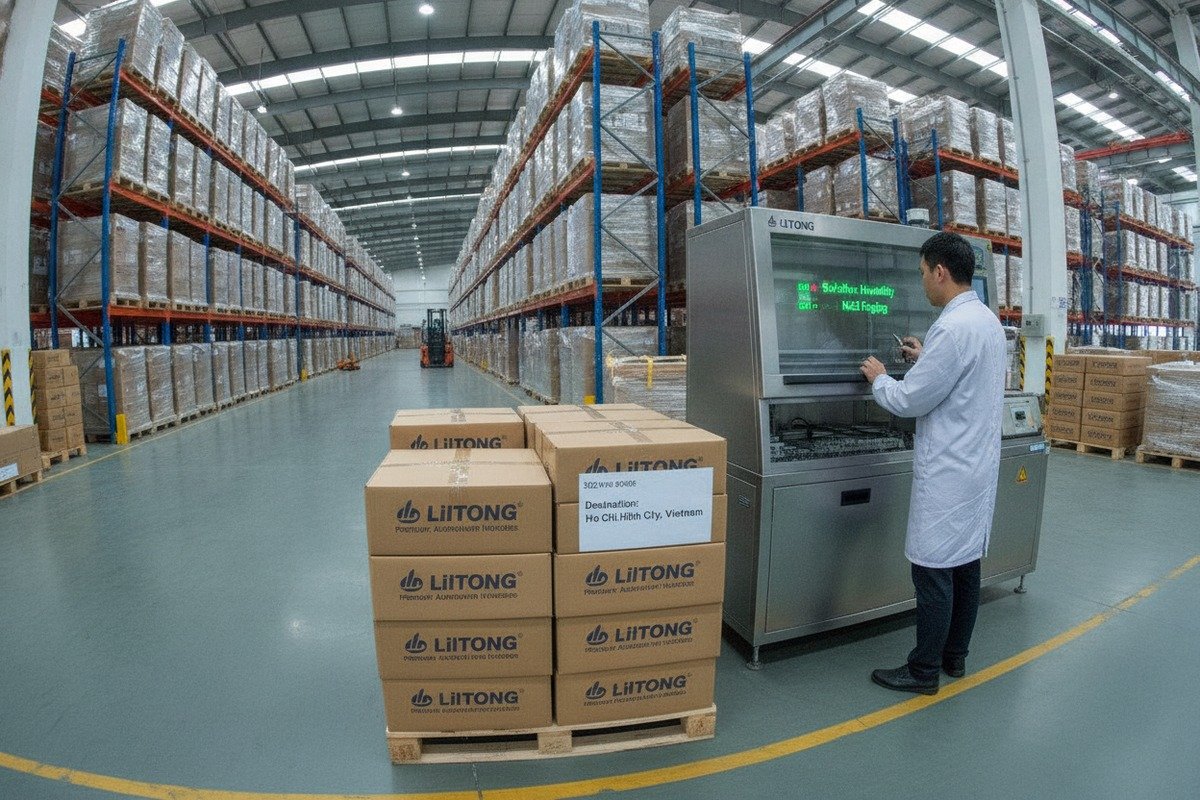
Not all aluminum is the same
Pure aluminum has excellent natural corrosion resistance because it quickly forms a thin, stable oxide layer when exposed to air. But pure aluminum is too soft for furniture handles. Alloying elements — copper, magnesium, silicon, zinc, manganese — are added to increase strength, hardness, and machinability. The trade-off is that some of these elements reduce corrosion resistance.
Alloy families and corrosion behavior
| Alloy Series | Key Alloying Element | Corrosion Resistance | Common Use in Handles | Salt Spray Notes |
|---|---|---|---|---|
| 1xxx (e.g., 1100) | Pure aluminum (≥99%) | Excellent | Rarely used; too soft | Great natural resistance, poor mechanical strength |
| 3xxx (e.g., 3003) | Manganese | Very good | Trim, decorative profiles | Good base resistance, responds well to anodizing |
| 5xxx (e.g., 5052) | Magnesium | Very good | Marine-grade parts | Strong corrosion resistance, harder to extrude in complex shapes |
| 6xxx (e.g., 6063, 6061) | Magnesium + Silicon | Good to very good | Most furniture handles | Best balance of extrudability, strength, and corrosion resistance |
| 7xxx (e.g., 7075) | Zinc | Moderate to poor | Structural, not handles | High strength but vulnerable to stress corrosion cracking |
| 2xxx (e.g., 2024) | Copper | Poor | Aerospace, not handles | Copper causes galvanic cells within the alloy; very corrosion-prone |
Why 6063-T5 dominates furniture handle production
In our factory, approximately 85% of the handles we produce for Vietnam and Middle East markets use 6063-T5 aluminum. Here is why:
- Excellent extrudability — It flows smoothly through complex dies, allowing us to produce the sharp, clean edges and deep channels our recessed handles require.
- Good natural corrosion resistance — The magnesium-silicon chemistry produces a stable oxide layer.
- Outstanding anodizing response — 6063 produces a uniform, attractive anodized surface with consistent color absorption. Our champagne gold and light bronze finishes depend on this.
- Adequate strength — T5 temper (air-cooled and artificially aged) gives enough hardness for daily furniture use without brittleness.
- Cost efficiency — Widely available, competitively priced, and well-understood by extrusion plants worldwide.
When to consider 6061 instead
For handles that will bear higher mechanical loads — such as large wardrobe pulls or commercial cabinetry in coastal restaurants — 6061-T6 offers higher tensile strength. Its corrosion resistance is slightly lower than 6063 due to higher copper content, but with proper surface treatment, it performs well in salt spray. The key is that 6061 requires a slightly thicker anodized layer or a more robust powder coat to compensate.
Alloy verification in practice
How do you know your supplier actually used 6063 and not a cheaper, recycled alloy with unknown composition? Request a mill certificate (material test certificate) for the extrusion billet. This document should state the alloy grade, temper, and chemical composition. On our end, we keep mill certificates on file for every billet lot and can provide them upon request. If a supplier cannot produce this document, you have no assurance of what is inside the handle.
The alloy-finish interaction
The alloy choice affects how well the surface treatment bonds and performs. Copper-rich alloys (2xxx, some 7xxx) produce uneven anodized layers with dark spots. High-silicon alloys can create a grayish anodized appearance. For the clean, modern matte aesthetics that Vietnamese and Middle Eastern markets prefer — the whites, charcoal greys, champagne golds, and blacks that define our recessed handle collection — 6063 consistently delivers the most uniform and attractive surface after anodizing or powder coating.
Choosing the right alloy is not just about passing a salt spray test on paper. It is about building a handle that stays beautiful and functional in a real kitchen, a real bathroom, or a real storefront in Vietnam's demanding climate.
Conclusion
The safest sourcing decision is never about which handle survived the most salt spray hours on paper. It is about which handle passed the right test, on the actual production finish and assembly, under conditions that genuinely reflect Vietnam's humid and coastal reality. Test smart, specify clearly, verify independently — and your handles will last.
Footnotes
1. Explains the standardized neutral salt spray test method for corrosion resistance. ↩︎
2. Confirms the standard concentration of sodium chloride solution used in salt spray tests. ↩︎
3. Explains aluminum oxide, the white powdery deposit formed during aluminum corrosion. ↩︎
4. Details the widely used ASTM B117 standard for neutral salt spray (fog) testing. ↩︎
5. Clarifies that salt spray tests provide relative corrosion resistance, not direct lifespan predictions. ↩︎
6. Describes chromate conversion coating, a chemical treatment for corrosion resistance. ↩︎
7. Explains the electrochemical anodizing process for enhancing aluminum’s durability. ↩︎
8. Describes the powder coating process for applying a protective finish to materials. ↩︎
9. Explains galvanic corrosion, which occurs when dissimilar metals are in contact. ↩︎
10. Explains the international ISO 9227 standard for salt spray corrosion tests. ↩︎