When I first started coordinating supply chains at our aluminum handle factory, I assumed buyers evaluated suppliers using technical specs and production capacity. Within my first month, I learned the reality: most procurement emails contained photos of handles with questions like "How much for 100 pieces exactly like this?" Buyers were making decisions based on surface appearances while overlooking the manufacturing variables that actually determine quality, price, and long-term performance.
If you're sourcing aluminum furniture handles, you need to understand that pricing reflects material grade compatibility, surface treatment complexity, and production batch economics—not just visual similarity or weight. Two handles that look identical in photos can differ by 100% in price because of hidden variables: alloy specification suitability for your climate, surface finish durability limitations, and MOQ cost structures tied to tooling amortization and color batch consistency. This article decodes the factory-side constraints that determine whether a supplier can actually deliver on their initial quote.
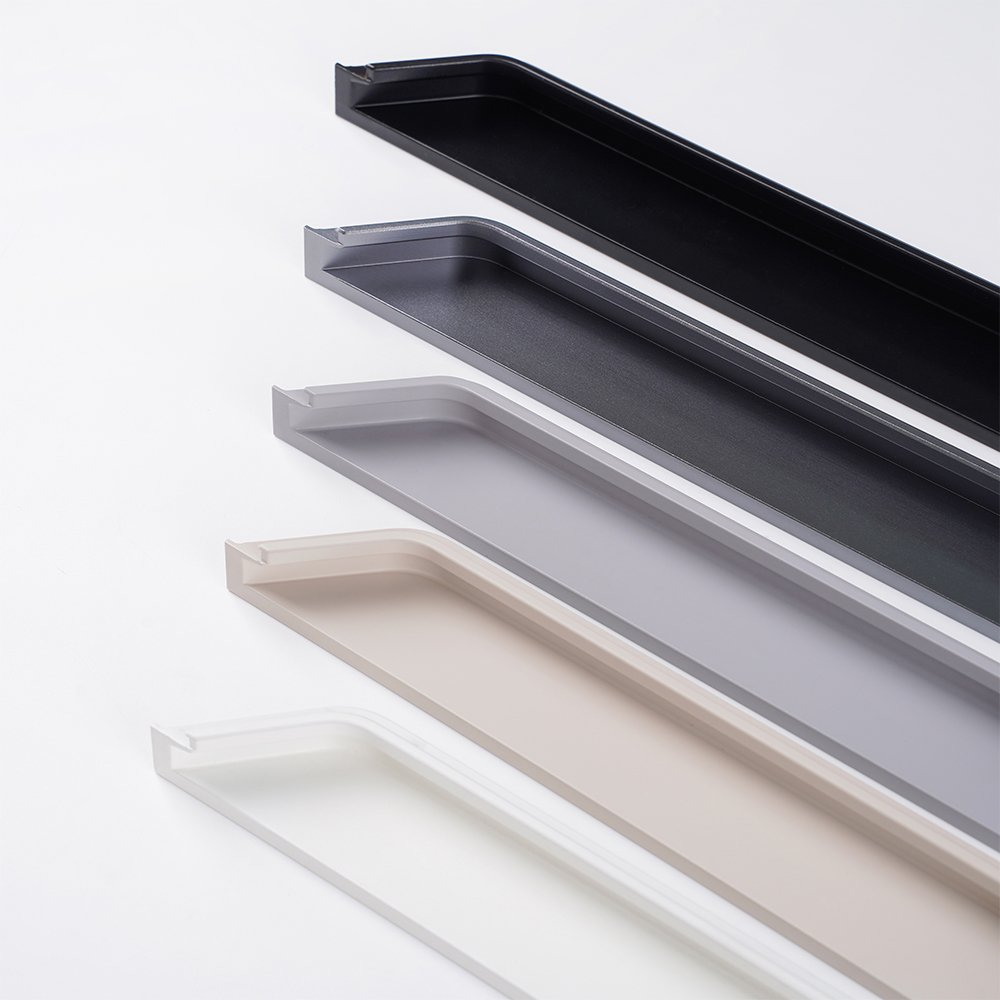
I'll walk you through the most common misconceptions I encounter from wholesalers, furniture factory buyers, and business owners—and show you how to ask the right questions before placing orders. You'll learn why weight is a misleading quality signal, why photo-based color matching sets you up for disappointment, and why extremely low prices often signal capability gaps rather than competitive advantages.
Why Does Weight Matter Less Than You Think for Aluminum Handles?
I receive at least three inquiries per week where buyers mention handle weight as their primary quality benchmark. They assume heavier handles indicate premium construction, while lighter designs suggest cost-cutting. This misconception causes buyers to either overpay for unnecessarily heavy handles or reject perfectly suitable lightweight options.
Handle weight reflects design intent and alloy selection for specific load requirements—not quality level. The appropriate weight depends on your application environment: residential furniture typically uses 6063 alloy handles optimized for aesthetics and corrosion resistance, while commercial or high-traffic installations may require 6061 alloy for superior strength-to-weight ratios. Choosing based on weight alone ignores whether the material specification matches your actual performance needs.
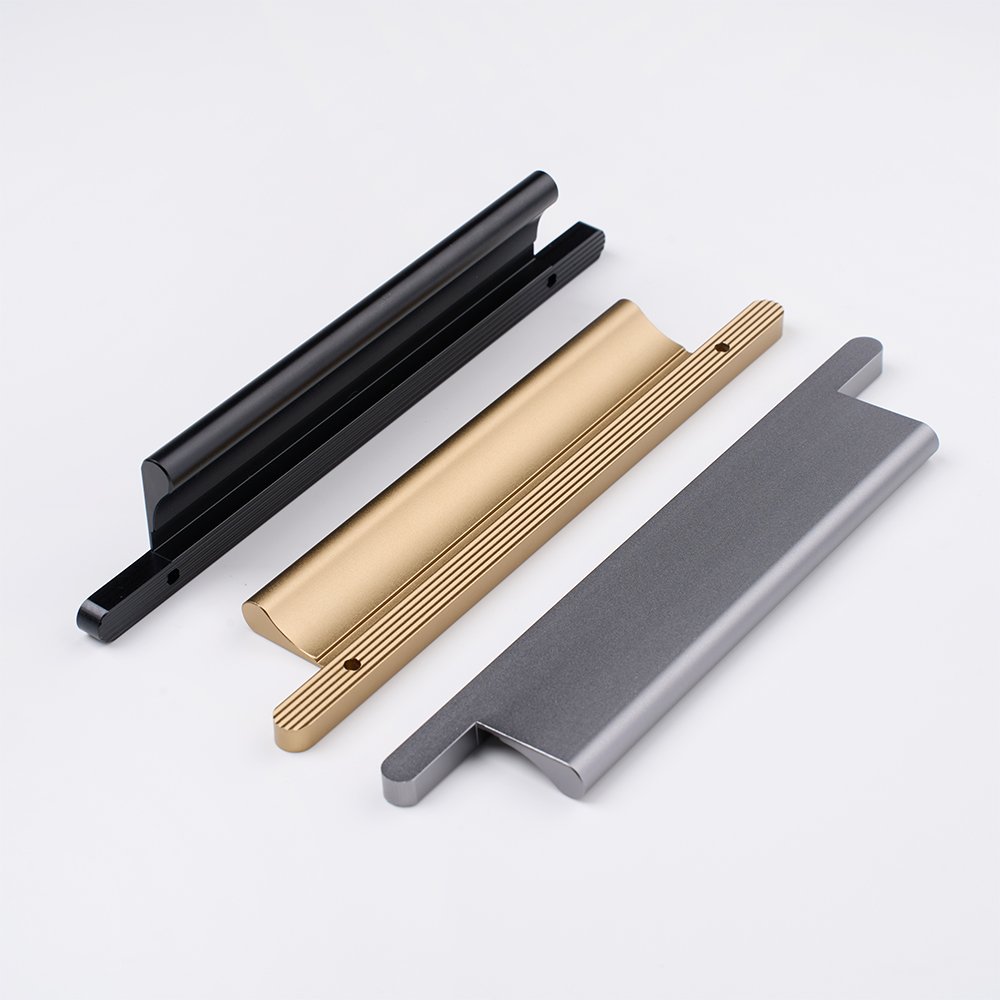
Understanding Alloy Grade Selection
When buyers compare handles, they rarely ask about alloy grade. I've seen procurement teams order 6063 handles for coastal hotel projects, then face corrosion complaints within six months because they didn't account for salt air exposure. Here's what actually matters:
6063 Alloy Characteristics:
- Excellent surface finish capability for anodizing
- Good corrosion resistance in normal indoor environments
- Lower tensile strength (approximately 186 MPa)
- Preferred for residential furniture and decorative applications
- More cost-effective for high-volume production
6061 Alloy Characteristics:
- Superior tensile strength (approximately 310 MPa)
- Better performance in humid or coastal environments
- Slightly more difficult to achieve ultra-smooth anodized finishes
- Required for heavy-duty applications or high-stress installations
- Typically 15-25% higher material cost
The weight difference between equivalent 6063 and 6061 handles might only be 5-8%, but the performance gap in corrosive environments can mean the difference between 5-year lifespan and 15-year lifespan. When clients ask why we recommend 6061 for their Vietnam coastal furniture factory, I explain that the higher upfront cost prevents warranty claims and replacement logistics costs that dwarf the initial savings.
Load Requirements vs. Material Optimization
I coordinate with furniture manufacturers who specify handle dimensions based on aesthetic preferences, then assume any aluminum material works equally well. This approach creates problems during quality inspections. A 400mm cabinet handle experiences different stress patterns than a 128mm drawer pull—the longer handle requires either thicker wall sections or higher-grade alloy to prevent flexing under normal use.
Our factory calculates minimum wall thickness based on handle length and expected load:
- Under 150mm length: 1.2-1.5mm wall thickness sufficient for 6063 alloy in residential use
- 150-300mm length: 1.5-2.0mm wall thickness recommended, 6063 adequate for most applications
- Over 300mm length: 2.0mm+ wall thickness, consider 6061 for commercial installations or 6063 with internal reinforcement ribs
Buyers who demand "lightweight premium handles" without specifying application environment often receive products optimized for the wrong performance criteria. I've coordinated returns where handles met all agreed specifications but failed in actual use because the buyer assumed weight reduction had no trade-offs.
Why Can't You Match Colors Exactly From Photos?
Photo-based color matching requests represent about 40% of my daily inquiries. Buyers send WhatsApp images of handles they saw at trade shows, competitors' catalogs, or installed in projects, expecting exact replication. When I explain that we need physical samples or at least surface treatment specifications, buyers sometimes suspect we're evading their requirements.
Surface finish type fundamentally determines achievable color range, texture, durability, and maintenance requirements. Anodizing, powder coating, and electrophoresis produce visually different results even when targeting the same color name because they involve different chemical processes. Expecting a powder-coated matte black to match an anodized black finish from a photo is technically impossible—the surface structure differs at microscopic level.
Surface Treatment Process Limitations
When coordinating custom color orders, I need to explain why we can't simply "match this exact shade" without understanding which surface treatment process the buyer prefers. Each method has distinct advantages and constraints:
Anodizing Process:
- Creates color through controlled oxide layer growth on aluminum surface
- Limited to natural aluminum tones (clear, bronze, black, grey spectrum)
- Exceptional wear resistance—color is integral to surface, not coating
- Cannot achieve bright reds, blues, or yellows effectively
- Provides best corrosion protection through sealed oxide layer
- Color consistency depends on alloy purity and electrolyte bath conditions
Powder Coating:
- Applies colored polymer powder electrostatically, then cures in oven
- Available in virtually unlimited color range including metallics
- Creates thicker coating (60-120 microns) with texture variation options
- Lower scratch resistance compared to anodizing—coating can chip
- More vulnerable to UV degradation in outdoor applications
- Color batch consistency depends on powder manufacturing lot control
Electrophoresis (E-coating):
- Uses electric current to deposit paint particles in liquid suspension
- Provides uniform coverage including internal recesses and complex geometries
- Excellent corrosion resistance, often used as primer + topcoat system
- Limited to darker colors for furniture applications (blacks, dark greys, bronzes)
- Superior adhesion compared to powder coating
- Higher process cost—typically reserved for high-volume or premium lines
I've witnessed buyers order powder-coated black handles expecting anodized-level scratch resistance, then complain when edges show silver aluminum after normal installation handling. The issue wasn't quality—it was mismatched expectations based on photo evaluation without understanding the underlying surface chemistry.
Color Consistency Across Production Batches
Even after agreeing on surface treatment method, buyers don't always grasp why we can't guarantee perfect color matching between orders placed six months apart. I coordinate reorders where clients compare new shipments against installed handles from previous batches and notice slight variations.
For anodizing, color depends on:
- Aluminum alloy silicon content (affects how oxide layer develops)
- Electrolyte bath age and contamination level
- Anodizing time and temperature parameters
- Dye lot consistency and concentration
- Sealing process variables
Most factories require 500-piece minimum orders for custom anodized colors because dye batches for anodizing lines typically process 300-500 pieces per run. Running smaller batches means either waiting to accumulate orders (extending lead time) or accepting higher per-unit costs for dedicated small-batch processing.
For powder coating, batch variation stems from:
- Powder manufacturing lot differences (pigment settling, storage conditions)
- Application gun settings and operator technique
- Curing oven temperature profile consistency
- Substrate surface preparation quality
When clients demand 100-piece custom color orders, I explain the factory economics: we either source powder in bulk (minimum 20kg, enough for 2,000+ handles) and store excess inventory, or we pay premium pricing for small powder quantities with no guarantee the exact formulation remains available for reorders.
What's Really Behind MOQ Requirements?
I field complaints about MOQ requirements almost daily. Buyers want 50-100 pieces for testing or small project orders, then express frustration when we quote significantly higher unit prices for low volumes or maintain 300-500 piece minimums for custom configurations.
MOQ requirements reflect tooling amortization costs, material batch minimums, and quality control economics—not arbitrary sales preferences. Custom handle production involves die setup, surface treatment line configuration, and packaging preparation with fixed costs that must be recovered across the production run. Below certain volumes, per-unit pricing increases exponentially because setup costs represent a larger percentage of total order value.
Extrusion Tooling Economics
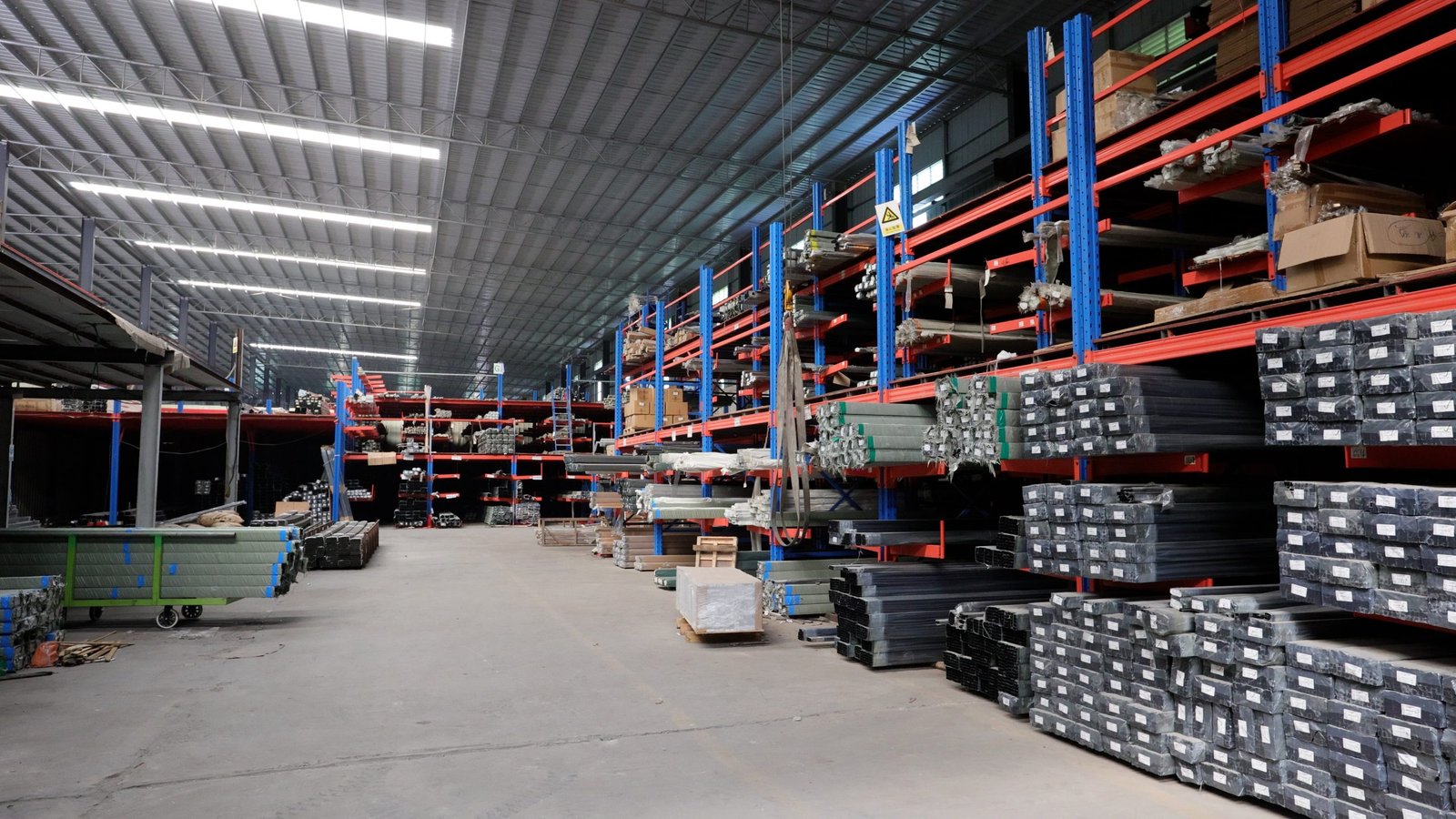
When buyers request custom handle profiles different from our stock designs, I need to explain extrusion die costs and minimum run lengths. Each aluminum extrusion die costs $800-2,500 USD depending on profile complexity. The die produces a specific cross-sectional shape—any design modification requires a new die.
For our factory, extrusion economics work like this:
| Order Quantity | Die Cost per Unit | Material Cost per Unit | Total Unit Cost Impact |
|---|---|---|---|
| 100 pieces | $15-25 | $2-4 | Die cost dominates pricing |
| 500 pieces | $3-5 | $2-4 | Balanced cost structure |
| 1,000 pieces | $1.50-2.50 | $2-4 | Material becomes primary cost |
| 5,000+ pieces | $0.30-0.50 | $2-4 | Die cost negligible |
Additionally, extrusion lines have minimum run lengths because:
- Initial profile sections contain setup waste (temperature stabilization, dimension adjustment)
- Line changeovers require 30-60 minutes of downtime
- Quality control sampling requires minimum statistical sample sizes
Most suppliers set 500-piece minimum orders for custom profiles because this quantity allows die cost amortization to around $2-5 per unit while maintaining acceptable profit margins. When buyers insist on 100-piece custom orders, we either decline (can't meet target pricing profitably) or quote at 2-3x standard pricing to cover unrecovered tooling costs.
Surface Treatment Batch Requirements
Beyond extrusion, surface treatment processes impose additional batch minimums. I coordinate production schedules where we group multiple orders to optimize anodizing tank utilization and powder coating line efficiency.
Anodizing batch constraints:
- Tank capacity determines maximum simultaneous load
- Pre-treatment chemical baths require minimum load weight for effective agitation
- Color dye batches serve 300-500 pieces efficiently
- Running half-capacity loads doubles energy cost per unit
Powder coating considerations:
- Color changes require gun cleaning and powder recovery system purging
- Small batches increase contamination risk (previous color particles mixing)
- Oven curing efficiency drops below minimum load threshold
- Powder material minimums from suppliers (typically 20kg packages)
When clients want 100 pieces in a custom powder coat color, I explain that we'll either:
- Wait to accumulate 300-500 pieces across multiple orders (extending lead time by 2-4 weeks)
- Run their small batch at premium pricing to cover inefficiency costs
- Suggest selecting from stock colors where we maintain inventory
Buyers sometimes interpret these explanations as inflexibility, but I'm just translating factory-side constraints that determine whether we can profitably serve their order.
Quality Control Sample Economics
Quality standards require statistical sampling that becomes cost-prohibitive below certain volumes. Our factory follows inspection protocols where we:
- Test 5% of production batches for dimensional accuracy
- Perform salt spray testing on representative samples (48-96 hour tests)
- Conduct adhesion testing for coated surfaces
- Verify hardness for anodized finishes
For a 100-piece order, 5% sampling means testing 5 handles—but minimum sample sizes for reliable quality data typically require 10-15 pieces. This means we're dedicating 10-15% of a small order to destructive or intensive testing, compared to 1-2% on larger orders.
When buyers question why custom 100-piece orders cost $12 per unit while stock 500-piece orders cost $4 per unit, I break down the hidden costs:
- Custom die amortization: +$15/unit
- Small-batch surface treatment: +$3/unit
- Proportionally higher quality control: +$1.50/unit
- Custom packaging and logistics: +$0.50/unit
- Total addition to base material cost: +$20/unit
The $4 stock pricing assumes our 300-ton ready inventory spread these fixed costs across thousands of units produced over time.
How Do Price Gaps Signal Supplier Capability Differences?
I review competitor quotes regularly when clients ask us to match lower pricing they received elsewhere. When a supplier quotes 50% below our pricing for seemingly identical specifications, buyers assume we're overpricing or the other supplier has better efficiency. The reality is usually more revealing about capability differences.
Significant price gaps between suppliers typically reflect different manufacturing capabilities rather than pure margin compression. A supplier quoting substantially below market likely lacks in-house surface treatment depth, uses non-optimal alloy specifications for the application environment, or cannot guarantee color batch consistency across reorders. The lower quote often excludes hidden costs that emerge during production or quality issues.
Integrated vs. Outsourced Manufacturing
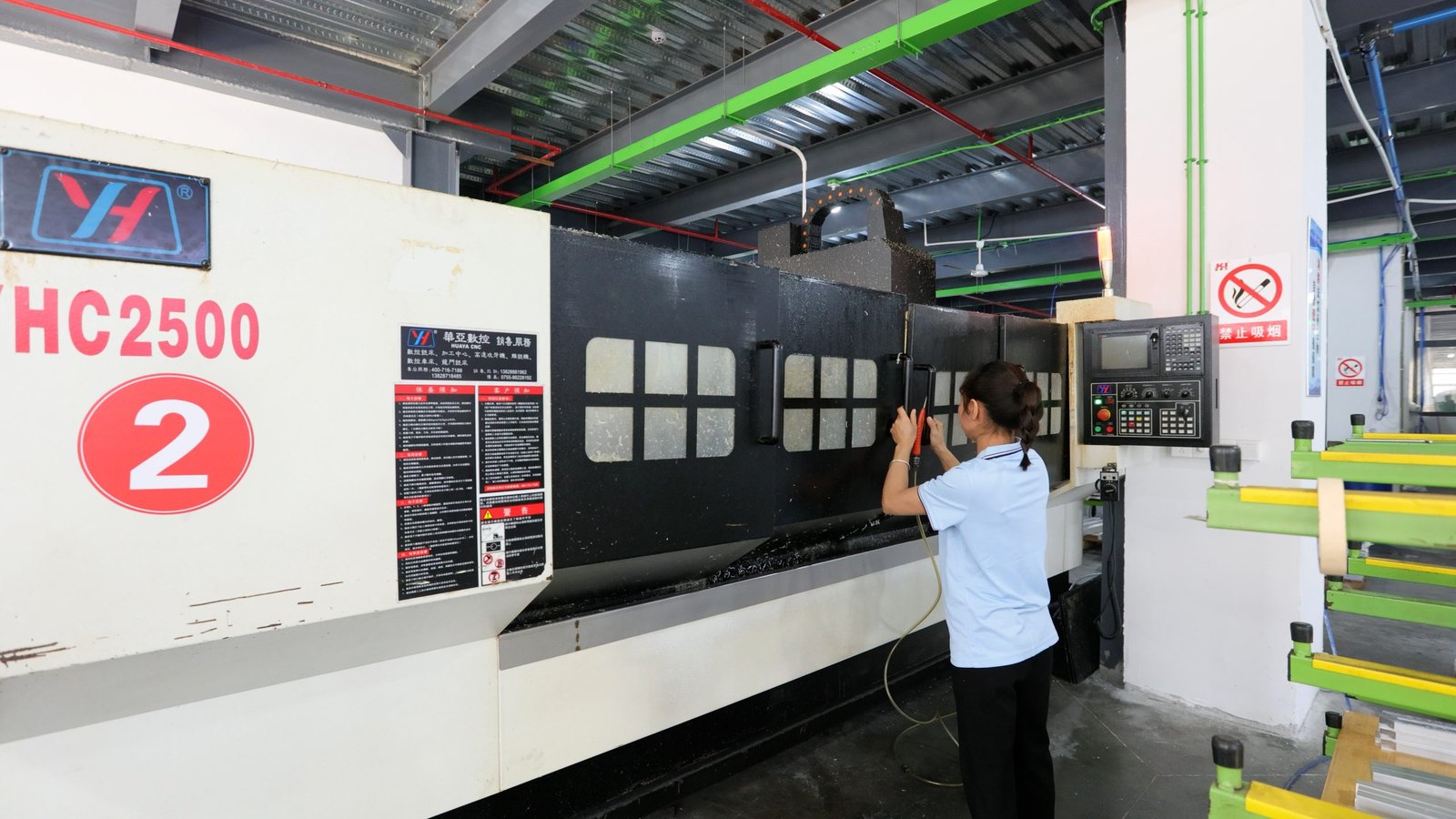
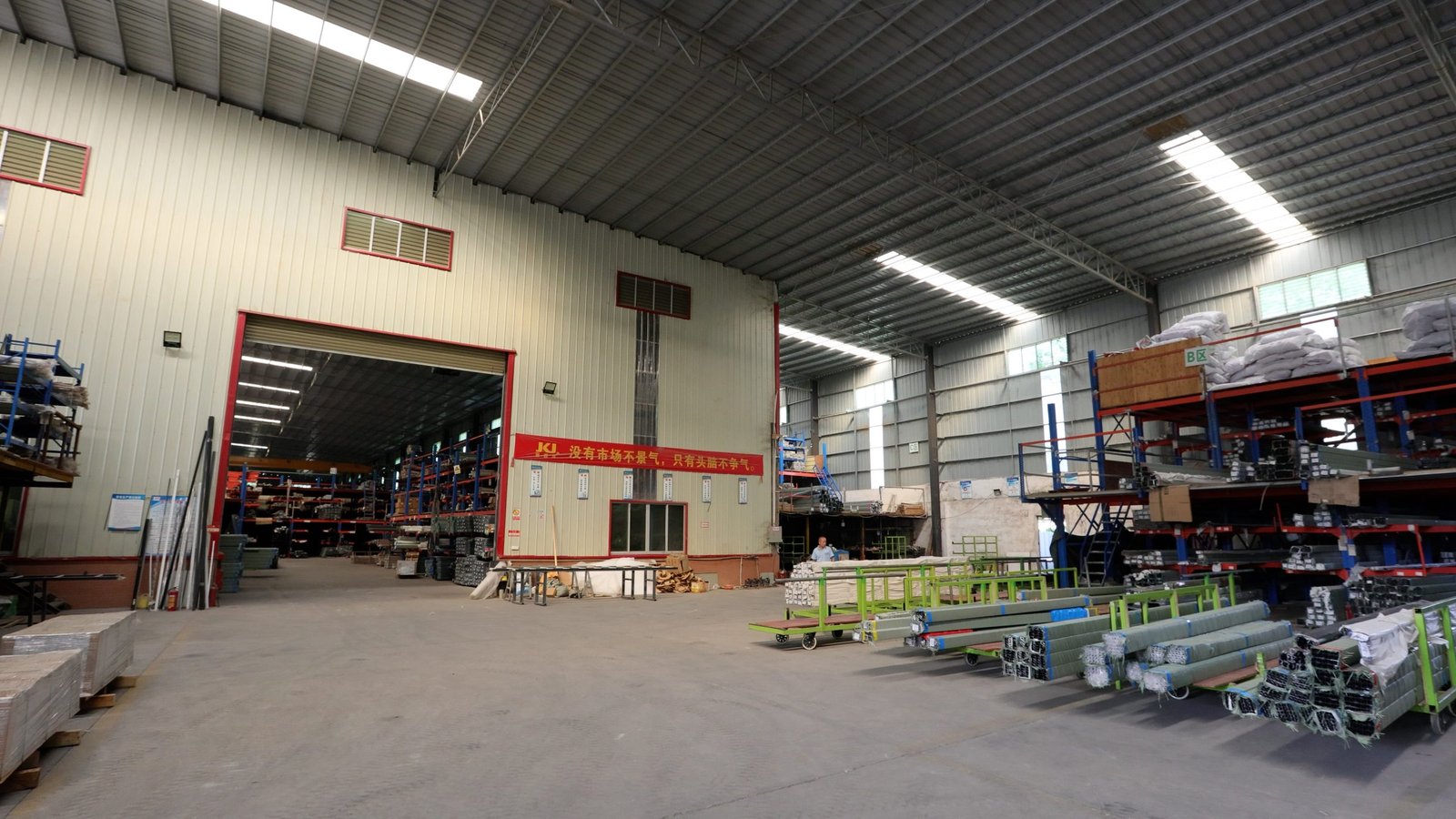
When coordinating with procurement teams, I explain our factory's vertically integrated structure: we control extrusion, surface treatment, assembly, and quality control in-house. This integration affects pricing in non-obvious ways.
Our integrated production:
- Higher fixed costs (own anodizing tanks, powder coating lines, etc.)
- Better quality control through single-point accountability
- Faster turnaround for stock items (48-hour shipping from inventory)
- Custom production in 3-7 days without subcontractor coordination delays
- Consistent surface finish across all handles in an order
Trading companies or assembly-only operations:
- Lower fixed costs (outsource surface treatment to job shops)
- Competitive pricing on low-complexity standard items
- Longer lead times (coordinate multiple subcontractors)
- Quality variation when different batches use different surface treatment vendors
- Limited ability to troubleshoot issues (lack direct process control)
I've seen buyers choose lower quotes from traders, then face problems when reorders don't match original samples because the trader switched to a different anodizing subcontractor. The original purchase saved $2,000 on a container order, but the replacement cost and project delays cost $15,000 in total impact.
Alloy Grade Substitution Risks
The most problematic price gaps occur when suppliers propose "equivalent" materials that don't actually match application requirements. When coordinating technical specifications, I ask buyers where the handles will be installed—but many procurement teams don't provide this context to suppliers, allowing capability gaps to hide.
Common alloy substitution scenarios I encounter:
-
Coastal or high-humidity environments: Buyer needs 6061 alloy or marine-grade 5083, but supplier quotes 6063 to meet target price. Initial samples pass basic inspection, but corrosion appears within 6-12 months.
-
Heavy-duty commercial applications: Buyer needs 2.0mm wall thickness handles, supplier proposes 1.2mm with assurances it's "just as strong." Handles pass static load testing but fail in long-term use from repeated stress.
-
Outdoor furniture: Buyer needs UV-stabilized powder coating formulation, supplier uses standard indoor-grade powder to reduce cost by $0.50/unit. Color fades noticeably within 6 months of sun exposure.
When I explain why we can't match a competitor's quote, I walk through the material specification implications: "If they're quoting $3.50 per unit for this 300mm handle with anodized finish, they're either using 6063 alloy at 1.2mm wall thickness when you need 6061 at 1.8mm, or they're amortizing tooling costs across much larger production runs than you specified."
Surface Treatment Quality Indicators
Price differences in surface treatment often signal process control depth. Our factory's anodizing line maintains:
- Temperature control within ±2°C across the bath
- Sulfuric acid concentration monitoring every 4 hours
- Post-anodizing sealing in 5-stage process
- 40-year track record of consistent color results
Lower-cost suppliers may use:
- Manual temperature monitoring (wider variation)
- Extended bath life between electrolyte replacement (contamination buildup)
- Abbreviated sealing processes (lower corrosion protection)
- Limited color stability testing across batches
The equipment investment difference between these approaches is $500,000