You're staring at another WhatsApp message from your Chinese supplier. The MOQ just doubled. The delivery window stretched from 4 weeks to 8. Your warehouse is packed with handles you can't sell because the anodized finish doesn't match what your customers approved three months ago. Now you're searching for "best China aluminum handles manufacturer" hoping the next supplier won't repeat the same disaster.
Here's what I've learned after 18 years at LiliTONG and hundreds of conversations with Vietnam furniture buyers: "best" has nothing to do with factory size or claimed certifications. The supplier that reduces your inventory lock-up risk while maintaining surface treatment consistency across batches—that's your best choice. Most buyers waste weeks evaluating the wrong variables because they misunderstand how Chinese aluminum handle supply chains actually work.
I'm going to walk you through the supplier selection framework we built after watching clients switch from high-MOQ factories. You'll see which questions actually predict supplier performance and which specifications hide delivery traps. This isn't a product ranking—it's the decision logic buyers use when they can't afford another inventory mistake.
Why Do Most Vietnam Buyers Choose the Wrong China Aluminum Handle Supplier?
You contact five suppliers. They all send similar catalogs. Three offer lower prices. Two promise faster delivery. Everyone claims quality control. You pick the one with the best price-to-lead-time ratio and cross your fingers.
The fundamental error: you're treating supplier selection like a transaction spreadsheet when it's actually a risk management decision. Buyers who reduce supplier switching costs focus on three gaps most Chinese manufacturers can't close—inventory flexibility, batch consistency, and delivery predictability.
The Real Cost Variables You're Not Calculating
When you calculate supplier cost, you probably compare unit price and shipping. But the buyers who email us after switching from high-MOQ factories discovered hidden costs:
-
Inventory holding cost: If your supplier requires 5,000-piece MOQ but your monthly sales average 800 pieces, you're financing 6+ months of dead inventory. Even if the unit price is 15% lower, the cash flow lock-up costs more.
-
Quality rejection waste: We've seen buyers receive containers where 30% of handles have inconsistent powder coating shades. They can't return them without eating reshipment costs and delaying customer orders. The "cheap" supplier just became expensive.
-
Rush order premiums: When your customer needs 500 custom handles in 10 days but your supplier only does bulk production runs, you either lose the order or pay air freight penalties that wipe out six months of "savings."
-
Specification guessing risk: Many Chinese suppliers quote low prices by under-specifying surface treatment thickness or using lower-grade aluminum alloys. You don't discover this until customer complaints start three months after installation.
In our experience, Vietnam furniture factory procurement managers usually ask us the same question after describing their previous supplier: "Why didn't they just tell me upfront they couldn't do small custom batches?" The answer reveals how most Chinese handle factories operate.
Why Chinese Aluminum Handle Factories Can't Do Stock AND Custom
Most buyers assume China suppliers either maintain ready stock or offer customization—not both. This isn't a choice manufacturers make. It's a structural constraint.
Traditional Chinese aluminum handle factories optimize for one business model:
-
High-volume OEM production: They run 20,000-50,000 piece batches for large furniture brands. Their machinery, workforce scheduling, and material procurement all assume long production runs. Taking a 500-piece custom order breaks their entire workflow.
-
Zero inventory: They hold no finished goods stock because inventory ties up capital they need for raw materials. Every order starts from scratch—extrusion, machining, surface treatment, packaging.
This creates the problem you're experiencing: MOQs that force you to over-order, or delivery times that kill time-sensitive opportunities.
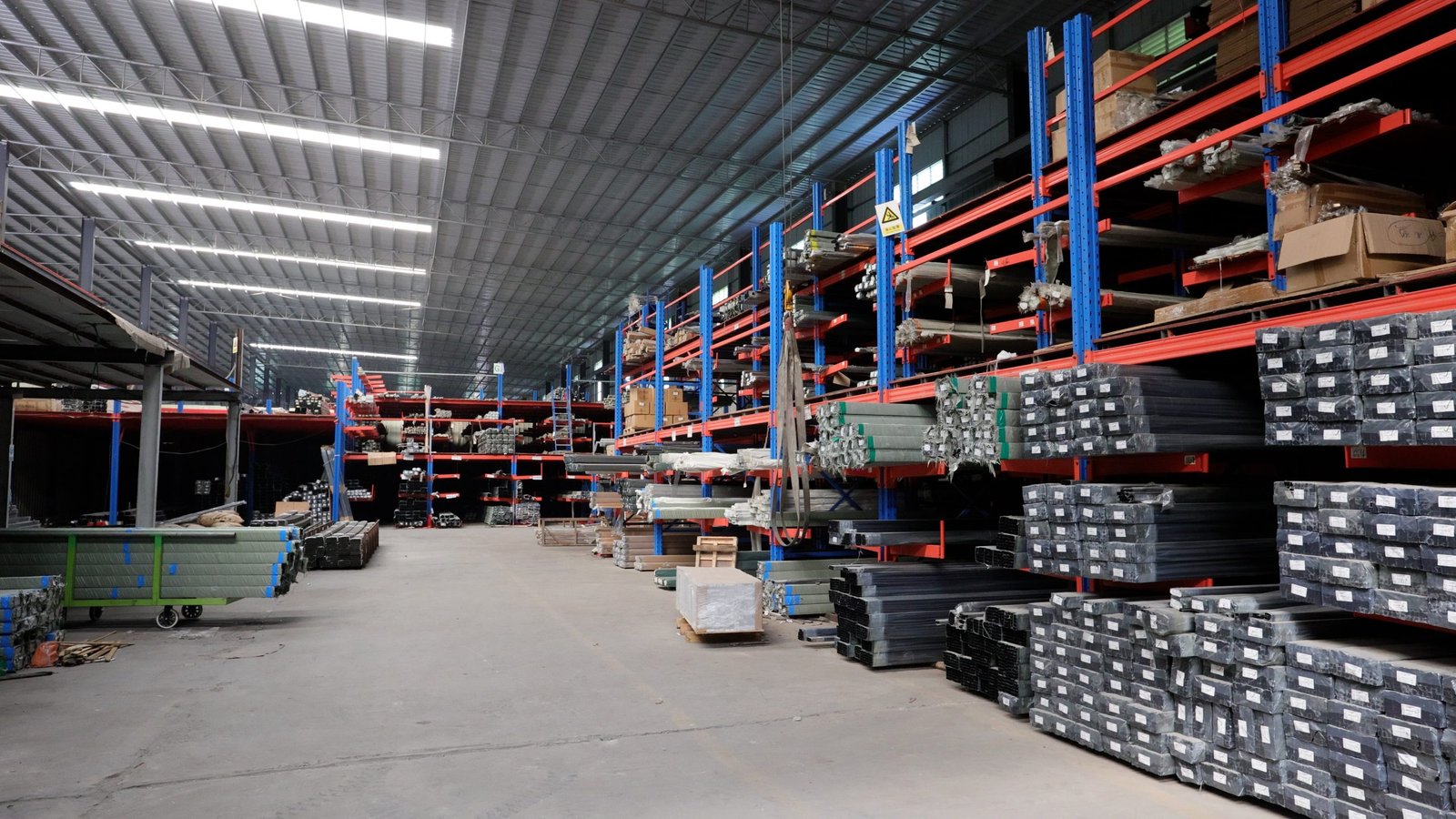
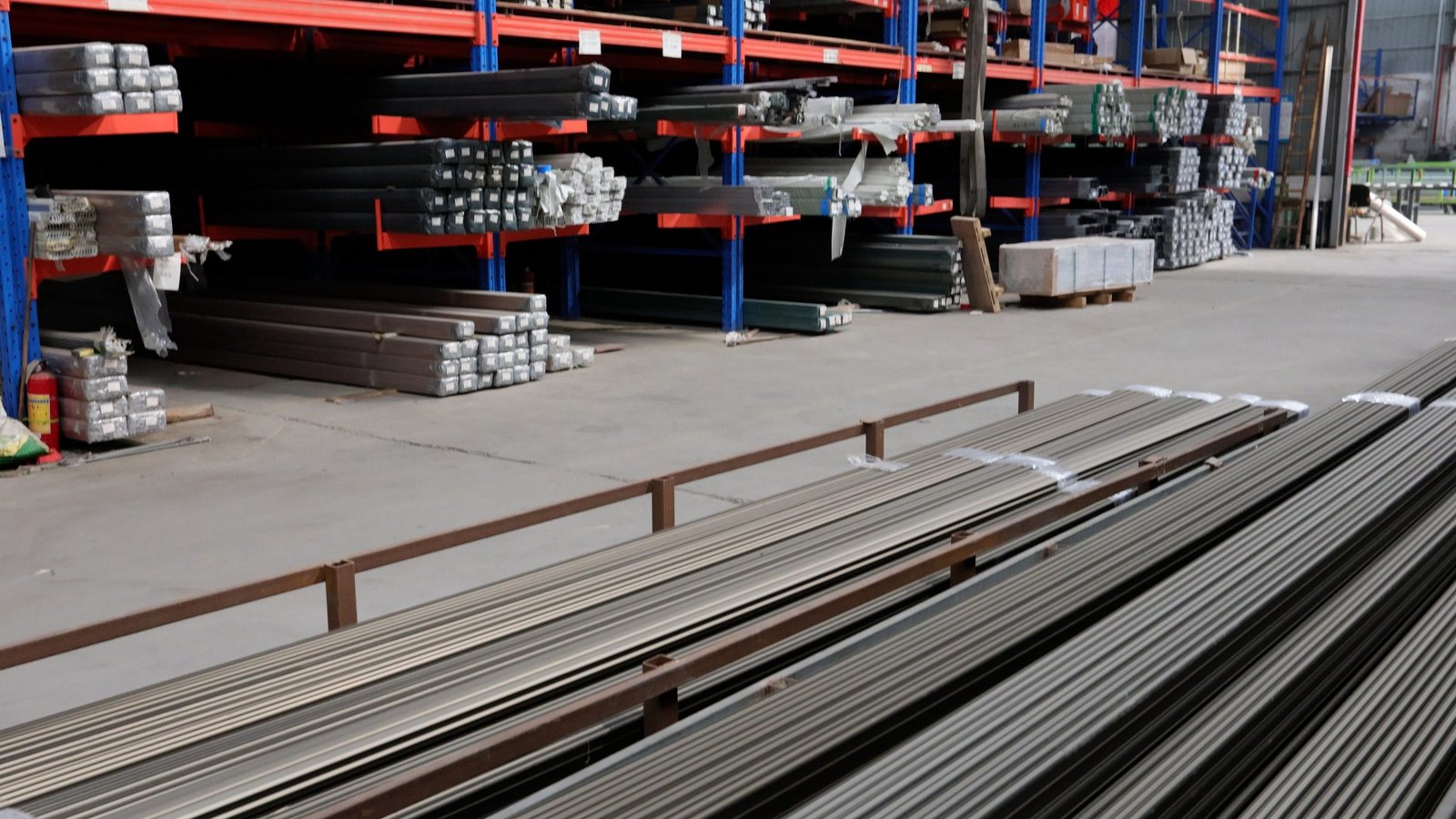
What we built at LiliTONG—300 tons of ready stock covering 200+ handle styles, plus 3-7 day custom order capability—required restructuring the entire supply chain. We maintain separate production lines for stock replenishment and custom orders. We hold inventory risk so our clients don't have to. Most Chinese suppliers can't or won't make that capital commitment.
When buyers tell us they're surprised we can ship 300 stock pieces in 48 hours AND deliver a custom color order in 5 days, it's because they've been conditioned to accept either/or from other suppliers.
| Traditional Supplier Model | LiliTONG Hybrid Model | Buyer Impact |
|---|---|---|
| MOQ: 5,000 pieces | Stock orders: 50 pieces<br>Custom orders: 500 pieces | Reduces inventory holding cost by 60-90% |
| Lead time: 30-45 days | Stock: 48 hours<br>Custom: 3-7 days | Captures time-sensitive orders, reduces stockout risk |
| Production planning: bulk batch only | Dual production lines | Doesn't force choice between speed and customization |
| Inventory risk: transferred to buyer | Shared inventory risk | Buyer finances working capital, not dead stock |
This structure isn't common because it requires higher upfront capital investment. But for Vietnam wholesalers and furniture factories ordering 500-2,000 pieces per month across multiple SKUs, it eliminates the two biggest pain points: cash flow pressure from high MOQs and lost orders from slow delivery.
What Makes an Aluminum Handle Supplier "Best" for Vietnam Furniture Buyers?
You need a decision framework that predicts which supplier will actually reduce your operational risk. In our client conversations, buyers who successfully switched suppliers verified these five capabilities before committing to trial orders.
The core question isn't "which supplier has the best product?" It's "which supplier's inventory model, quality control checkpoints, and delivery infrastructure align with how my business actually operates?"
Stock Availability: Can They Actually Ship Tomorrow?
When suppliers claim "ready stock available," most Vietnam buyers take it at face value. Then they place an order and discover "stock" means raw materials, not finished goods.
Here's what we've noticed: buyers who avoid this trap ask three specific questions before trusting stock claims.
Question 1: "Which specific SKUs do you stock, and what are current quantities?"
Vague answers like "we stock popular styles" or "all standard colors available" mean they're improvising. We maintain real-time inventory data for 200+ handle SKUs. When a Vietnam wholesaler asks about black anodized aluminum bar handles, 128mm hole spacing, we can tell them we have 2,400 pieces in warehouse B-3 before they finish the sentence.
Question 2: "What's your stock replenishment cycle?"
If a supplier restocks every 45-60 days, you might order during a gap. We run weekly replenishment for top 50 SKUs and monthly for the full 200+ item range because our Vietnam clients order unpredictably across many styles.
Question 3: "Can I see dated warehouse photos or inventory reports?"
This sounds paranoid, but we've talked to buyers who discovered their "stock supplier" was just a trading company with no warehouse. They verify stock claims by requesting photos with that day's newspaper or timestamped inventory spreadsheets.
The reason this matters: if you're a furniture wholesaler selling to 20+ retail clients, you can't predict which handle styles they'll order next week. True stock availability means you can respond to customer requests within 48 hours instead of saying "4-week lead time for everything."
Surface Treatment Consistency: Why Does Color Matching Matter More Than Price?
This is the pain point I hear about most. A buyer orders 5,000 matte black anodized handles. The first 2,000 pieces look perfect. The remaining 3,000 arrive with slightly different shade and texture. Now they can't use them for the same furniture project.
The problem isn't that Chinese suppliers don't know how to anodize aluminum. The problem is that most factories prioritize production speed over batch-to-batch color consistency because buyers don't know how to verify quality control systems upfront.
Here's what actually controls surface treatment consistency:
-
Anodizing bath maintenance frequency: Anodizing solution chemistry changes as you process more aluminum. Factories that don't monitor and adjust bath composition daily will produce color drift between batches. We test and document bath parameters twice per shift.
-
Temperature control precision: ±2°C variation during anodizing creates visible color differences. In our experience, factories that can't provide temperature monitoring logs usually don't have automated controls.
-
Pre-treatment surface preparation: If the aluminum substrate isn't degreased and etched consistently, anodizing won't take evenly. Buyers can't inspect this—it happens before the color layer—but you can ask suppliers to describe their pre-treatment process. Vague answers predict inconsistent results.
-
Sealing process timing: After anodizing, handles must be sealed to lock the color layer. If sealing temperature or duration varies, the surface will age differently after installation. We use closed-loop temperature control because manual process timing creates variance.
When Vietnam furniture buyers ask us "why does your matte black match across orders placed three months apart?" the answer isn't special chemistry. It's documented process controls at each step. Most suppliers don't maintain that documentation because buyers never asked for it.
If you've experienced color inconsistency problems, your next supplier conversation should include: "Can you share your anodizing process control logs from the past three months?" If they can't produce documentation, they're not measuring consistency—they're gambling.
Custom Capability: What Does "Customization" Actually Include?
Every Chinese aluminum handle supplier claims customization capability. Then buyers discover "custom" means "we'll consider it if you order 10,000 pieces and wait 60 days."
True customization capability means the supplier can economically produce variations without forcing you to over-order or over-wait. The buyers who successfully verify this ask suppliers to walk through a specific custom scenario.
Here's the test scenario we recommend: "I need 800 handles, 160mm hole spacing instead of your standard 128mm, in a custom RAL color my customer specified. What's your process, timeline, and minimum quantity?"
A supplier's answer reveals their actual flexibility:
-
Red flag answer: "Our MOQ for custom is 5,000 pieces, 45-day lead time." They can't actually accommodate your business model.
-
Partial capability answer: "We can do 800 pieces but lead time is 30 days because we need to coordinate a full production run." They technically offer customization but not fast enough for time-sensitive orders.
-
Full capability answer: "We'll need your RAL color code and 3D technical drawing. Once approved, we can deliver in 5-7 days. MOQ is 500 pieces." They've structured operations to handle small custom batches.
The difference comes from whether the supplier operates separate custom production capacity or tries to squeeze custom orders into bulk production scheduling.
At LiliTONG, we maintain dedicated tooling for common customization requests—non-standard hole spacing, custom lengths, special mounting configurations. This means we don't need to set up machinery from scratch for every variation. For surface treatment, we run custom color batches twice weekly, so your order doesn't wait for a full production queue.
When buyers ask "why can you deliver custom colors in 3-7 days when other suppliers need 30-45 days?" it's because we accept higher inventory carrying costs for custom tooling and schedule custom surface treatment runs independently from stock production.
MOQ Flexibility: How to Calculate Real Minimum Order Quantity
Suppliers advertise low MOQs to attract inquiries, then reveal hidden quantity requirements during negotiation. Here's what buyers miss when evaluating MOQ claims.
Published MOQ vs. economic MOQ: A supplier might say "500 piece MOQ" but that's the absolute minimum they'll accept while losing money. Their economic MOQ—the quantity where they make reasonable profit—might be 3,000 pieces. Guess what pricing and service priority you get at 500 pieces?
What we've learned from client conversations: buyers who avoid MOQ traps ask suppliers to quote three quantities—their minimum, their economic breakpoint, and their optimal volume—then evaluate the price curve.
For example, if a supplier quotes:
- 500 pieces: $4.80 per handle
- 2,000 pieces: $3.20 per handle
- 5,000 pieces: $2.90 per handle
The dramatic price drop from 500 to 2,000 reveals their real MOQ. They don't want to sell you 500 pieces.
At LiliTONG, our stock model creates different economics:
- Stock items 50-500 pieces: $3.80 per handle
- Stock items 500-2,000 pieces: $3.50 per handle
- Custom orders 500-2,000 pieces: $4.20 per handle
The pricing is flatter because we're not penalizing small orders—we built inventory specifically to serve them. Our economic model assumes mixed order sizes, not bulk volume from every client.
Per-SKU MOQ vs. total order MOQ: Some suppliers advertise "500 piece total MOQ" but require 500 pieces per style/color. If you need three different handle styles, you're actually committing to 1,500 pieces total.
When Vietnam furniture wholesalers tell us they need to stock 8-12 different handle styles to serve their retail customers, we structure pricing around total order value, not per-SKU minimums. You can order 100 pieces each of five styles (500 total) without penalty.
| Buyer Profile | Traditional Supplier Problem | What Flexible MOQ Solves |
|---|---|---|
| Furniture factory, 500-800 handles/month | Forced to order 5,000 pieces, finances 6-8 months inventory | Order 800 pieces monthly, maintain 1-month stock, free up cash flow |
| Hardware wholesaler, 15 SKU variety | Must order 500/SKU = 7,500 total pieces | Order 100-200/SKU based on actual demand, reduce obsolete stock risk |
| Custom furniture maker | Can't get custom colors below 3,000 pieces | Order 500-800 custom pieces, match specific client requirements |
The buyers who successfully reduce inventory pressure ask suppliers: "What's your per-SKU minimum and what's your total order minimum? Can I mix stock and custom items in one order?"
Delivery Speed: Why Lead Time Isn't the Same as Reliability
Suppliers promise delivery dates. Then buyers experience delays, excuses, and vague updates. The problem isn't always dishonesty—it's that most Chinese manufacturers don't control their own bottlenecks.
Delivery reliability depends on vertical integration and buffer inventory. If your supplier outsources surface treatment or doesn't stock raw materials, they can't actually guarantee delivery windows.
Here's what we've seen: buyers who verify delivery reliability before committing ask suppliers to describe their supply chain structure.
Question: "Which production steps do you control in-house, and which do you outsource?"
If a supplier outsources anodizing or powder coating to third-party plants, your delivery depends on that plant's schedule and capacity. During peak season (August-October for furniture hardware), those plants prioritize large orders. Your 500-piece order gets bumped.
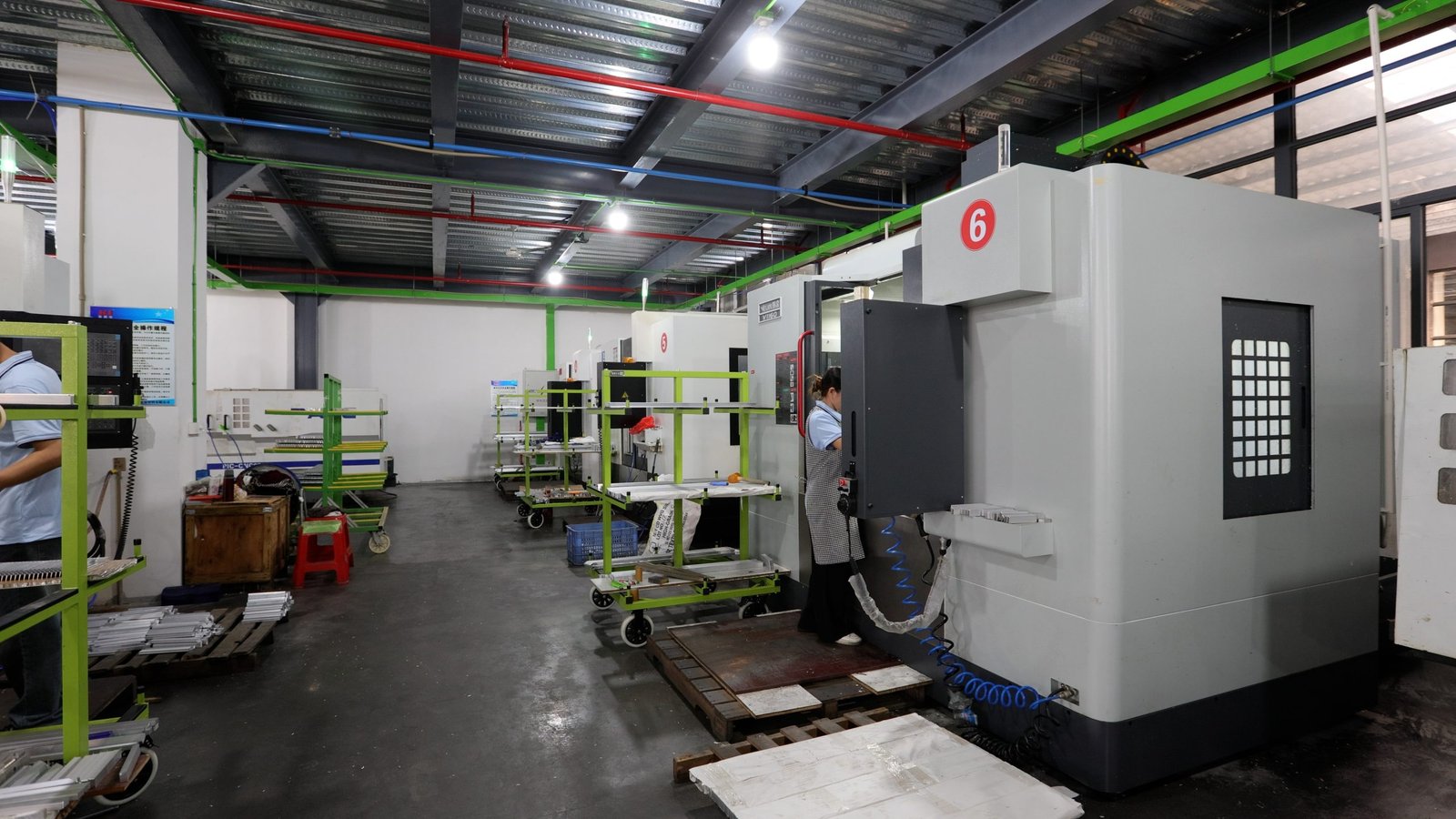
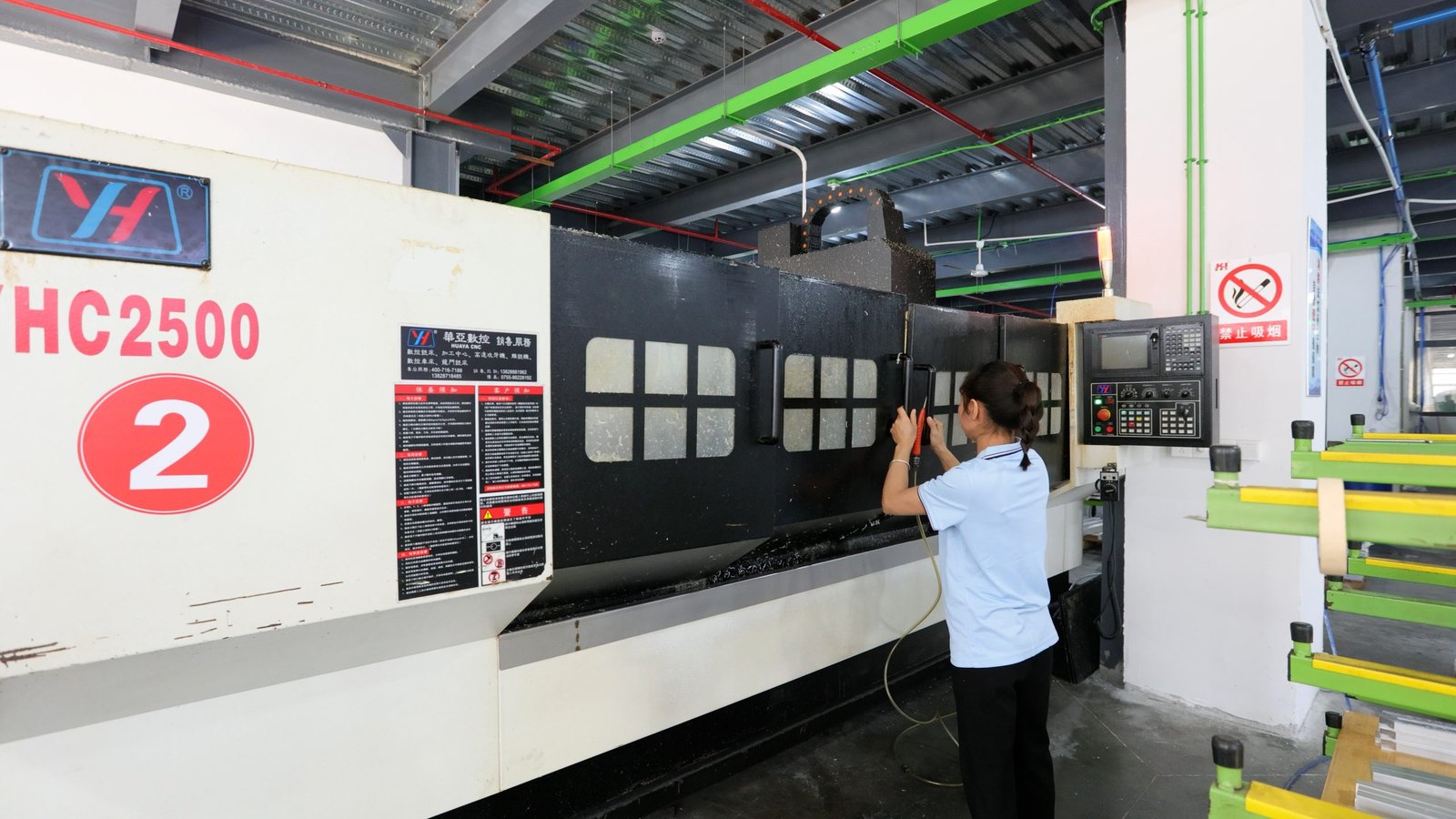
We invested in full vertical integration—extrusion, CNC machining, surface treatment, and packaging all happen in our facility—specifically because Vietnam buyers complained about missed delivery promises from suppliers who lost control at the outsourcing handoff.
Question: "What raw material inventory do you maintain?"
Aluminum extrusion suppliers typically deliver on 15-30 day cycles. If your handle supplier doesn't stock aluminum profiles, they can't start production until their next raw material shipment arrives.
We maintain 60 days of aluminum profile inventory for our top 200 SKUs. This costs us carrying capital but means we never tell clients "we're waiting on aluminum delivery."
Question: "Can you share tracking documentation from recent orders to Vietnam?"
Suppliers can claim fast delivery all day. Buyers who verify reliability ask to see redacted shipping records—order confirmation date, production completion date, shipping date, customer receipt date.
When buyers ask us "how do you actually ship stock orders in 48 hours?" the answer is that we hold finished goods inventory and maintain daily shipping operations. Most suppliers batch shipments weekly or twice monthly to reduce logistics costs. We built operational systems around client urgency, not our cost optimization.
How Do You Verify Supplier Claims Before Committing to Large Orders?
You've narrowed down to 2-3 suppliers who claim everything you need. Now comes the critical test phase that separates suppliers who can actually deliver from those who just say the right words.
The buyers who avoid switching costs later invest time upfront running specific verification tests. These aren't about inspecting product samples—samples always look good. These tests stress-test the supplier's operational systems.
Test 1: The Rush Stock Order
Place a small urgent order to test their claimed stock availability and shipping speed. The order should be:
- Mixed SKUs (3-5 different styles) to verify actual stock depth
- Below