Every week on our production floor in Foshan, we process orders where the finish choice makes or breaks a furniture handle project hard oxide layer 1. Buyers who pick the wrong surface treatment end up with color mismatches, scratched hardware, or handles that simply do not fit.
Anodizing converts aluminum’s surface into a hard oxide layer that becomes part of the metal, while powder coating applies a baked-on resin film on top. For furniture handles, anodizing delivers superior scratch resistance and precise dimensions, whereas powder coating offers wider color options and lower upfront cost. Your choice depends on the handle’s end use, environment, and design requirements.
Below, we break down every factor that matters when you are choosing between these two finishes for your next wholesale or OEM furniture handle order baked-on resin film 2. Let’s walk through durability, aesthetics, cost, and customization so you can source with confidence.
How Do I Determine if an Anodized or Powder-Coated Finish Will Better Resist Wear and Tear on My Aluminum Handles?
Our team has tested thousands of handle samples over 18 years, and we have seen firsthand how finish failures cost buyers money and reputation. Choosing the wrong finish for high-touch hardware is a problem that compounds with every unit sold.
Anodized finishes resist daily abrasion and scratching far better because the hard oxide layer is integrated into the aluminum itself. Powder coating is more flexible and absorbs minor impacts without cracking, but it can chip or scratch through to bare metal under sustained friction. For high-traffic furniture handles, anodizing usually wins on long-term wear resistance.
Why the Finish Structure Matters for Handle Durability
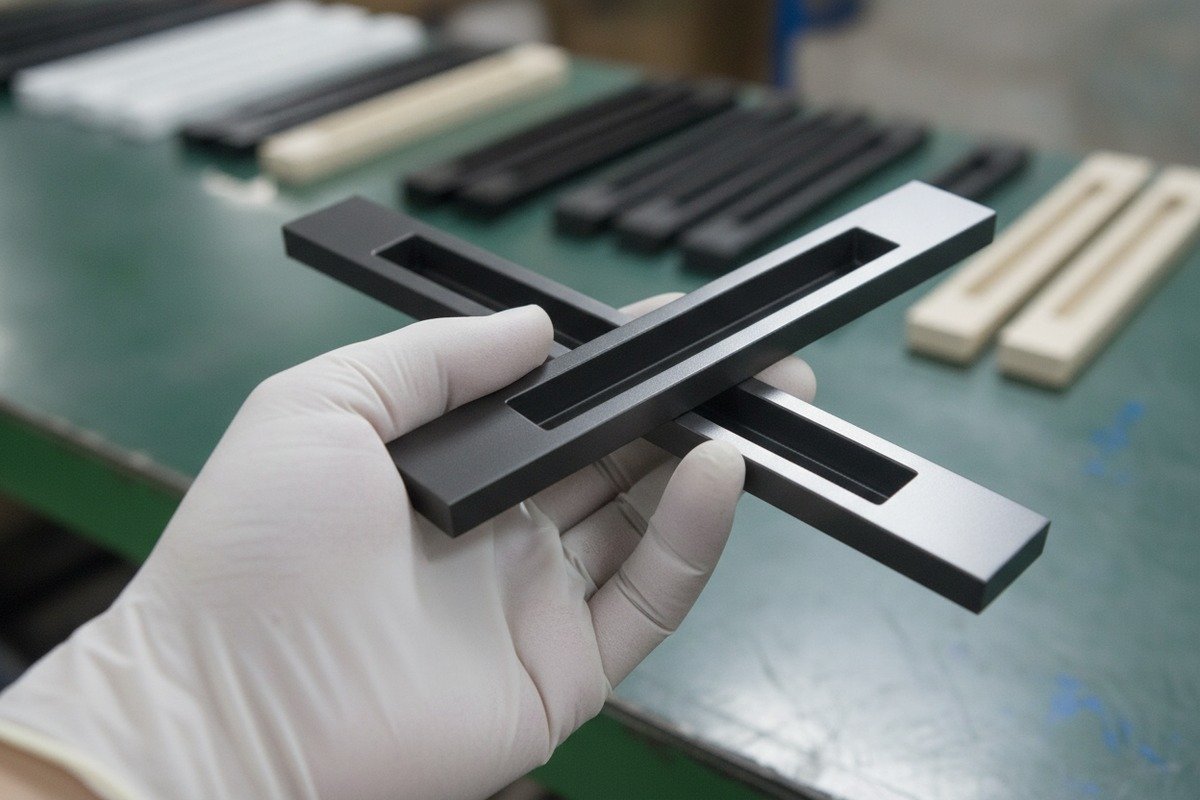
The core reason these two finishes wear differently comes down to how they bond with aluminum. Anodizing is an electrochemical process 3. It does not add a separate layer on top of the metal. Instead, it transforms the outer surface of the aluminum into aluminum oxide 4, which is one of the hardest natural compounds available. This oxide layer is locked into the metal's crystal structure, so it cannot peel or flake off the way a separate coating can.
Powder coating, on the other hand, is a distinct film. A dry powder of resin and pigment is sprayed onto the aluminum surface using an electrostatic charge 5. Then the part goes into an oven where the powder melts and cures into a continuous plastic-like shell. This shell protects the aluminum underneath, but it sits on top rather than becoming part of it.
For furniture handles, this structural difference creates very different failure modes. An anodized handle that gets rubbed thousands of times by human hands will maintain its appearance because the oxide is extremely hard. A powder-coated handle under the same conditions may eventually show wear paths where the coating thins out or gets scratched through.
Comparing Wear Performance by Application
Not all furniture handles face the same abuse. Here is a practical breakdown.
| Application | Primary Wear Risk | Better Finish Choice | Why |
|---|---|---|---|
| Residential kitchen cabinets | Moderate daily hand contact, occasional cleaning chemicals | Anodizing | Hard surface resists fingerprint abrasion and mild cleaners |
| Hotel room furniture | Heavy daily use by many users, frequent deep cleaning | Anodizing | Oxide layer withstands repeated friction and commercial cleaning agents |
| Outdoor patio furniture | UV exposure, rain, salt air, temperature swings | Either (depends on environment severity) | Anodizing excels in salt air; quality powder coating handles UV and moisture well |
| Children's furniture | Impacts, drops, rough handling | Powder coating | Flexible film absorbs bumps better without cracking |
| Commercial office cabinetry | Consistent moderate use, aesthetic longevity needed | Anodizing | Maintains original appearance longer under steady daily contact |
Impact Resistance vs. Abrasion Resistance
This is where many buyers get confused. Abrasion resistance 6 and impact resistance are not the same thing.
Anodizing scores high on abrasion resistance. The hard oxide surface shrugs off surface scratches. But it is brittle. If you drop a heavy object directly onto an anodized handle edge, the oxide can crack locally.
Powder coating scores higher on impact resistance 7. The resin film has some give. It can flex slightly under a sharp blow without shattering. But if you drag a key or a ring across a powder-coated surface every day, you will eventually see wear lines.
For most furniture handle applications, abrasion resistance matters more than impact resistance because handles get touched, gripped, and rubbed far more often than they get struck. That is why we generally recommend anodizing for handles in commercial and hospitality settings where longevity under daily contact is the priority.
Corrosion and Outdoor Considerations
When handles go outdoors or near coastal areas, corrosion becomes another form of wear. Anodizing's integrated oxide layer offers a natural barrier that can partially self-heal at a microscopic level. Powder coating creates a strong external shield, but if that shield is breached by a deep scratch, moisture can reach the bare aluminum underneath and cause localized corrosion.
For outdoor furniture handles, our recommendation depends on the exact environment. In dry climates with strong UV, powder coating with a UV-resistant formulation works well. In humid or salty coastal settings, anodizing gives better long-term corrosion protection 8, especially when the metallic appearance is acceptable.
Which Surface Treatment Provides the Specific Color Variety and Aesthetic Appeal My High-End Furniture Clients Demand?
When we develop new handle collections for furniture brands in Vietnam and the Middle East, the first conversation is almost always about color and finish appearance. Clients arrive with Pantone swatches, wood grain samples, and mood boards. The finish method determines whether we can match those visions or not.
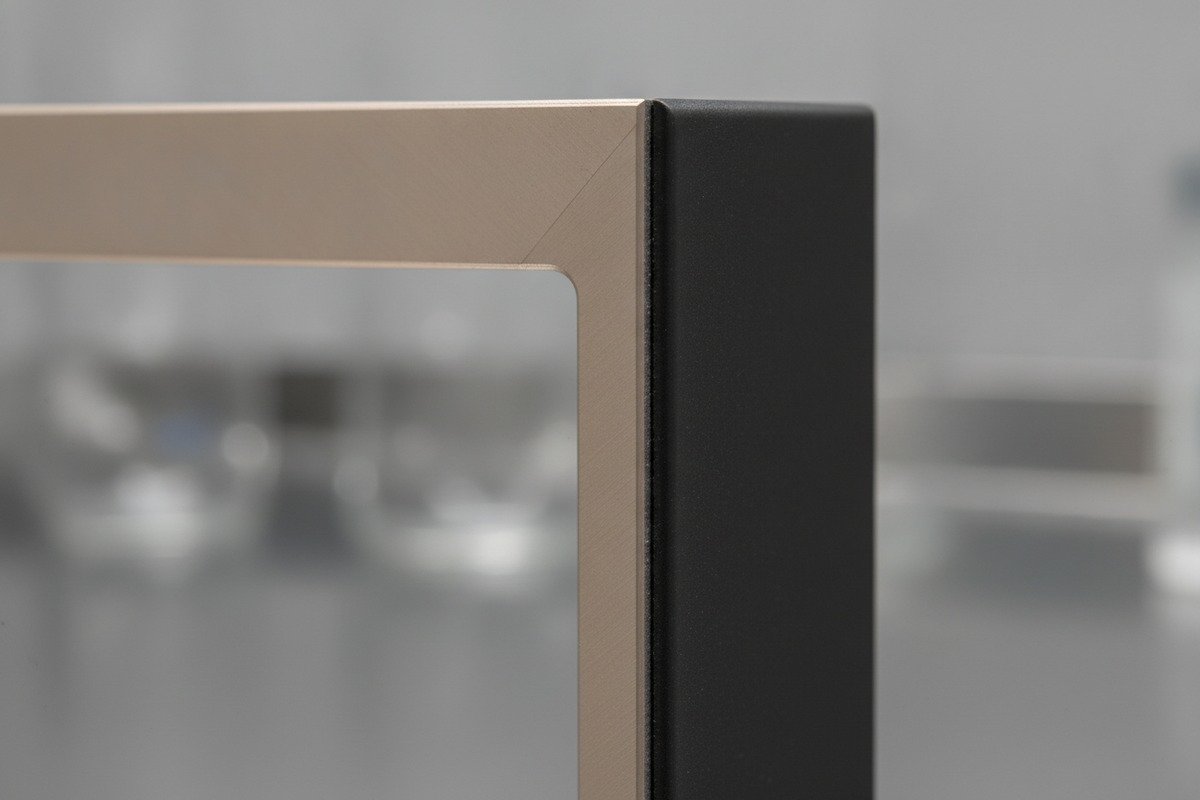
Powder coating offers a dramatically wider range of colors, textures, and special effects, making it the better choice when your furniture clients need custom brand colors or bold design statements. Anodizing delivers a refined, metallic aesthetic that showcases aluminum's natural beauty, ideal for premium minimalist and architectural handle designs where a sophisticated metal look is the goal.
The Color Range Gap
This is one of the clearest differences between the two finishes. Powder coating can produce virtually any color in the RAL or Pantone spectrum 9. Matte, satin, gloss, textured, metallic flake, wood grain effect — the options are nearly unlimited. If your client wants a specific shade of dusty rose to match a bedroom collection, powder coating can deliver it.
Anodizing is far more limited. The process produces translucent colors that allow the aluminum's metallic grain to show through. Common anodized colors include natural silver, black, bronze, champagne gold, and a handful of earth tones. You can get blues, reds, and greens through dye-based anodizing 10, but they tend to look different from paint colors because the metal always shows underneath.
Aesthetic Character and Market Positioning
The limited color palette of anodizing is not necessarily a weakness. For high-end furniture handles, the metallic depth that anodizing creates is a design feature. Architects and luxury furniture designers often specify anodized finishes because they look and feel like refined metal, not painted metal. The champagne gold anodized handles we produce, for example, have a warm, subtle luster that no powder coating can perfectly replicate.
Powder coating, by contrast, lets you build complete furniture programs with matched hardware. If a client has a line of cabinets in five different colors, powder coating makes it easy to produce handles that match each one exactly.
Batch-to-Batch Color Consistency
Here is a practical sourcing concern many buyers overlook. Anodized color can vary slightly between production batches. The electrochemical process is sensitive to alloy composition, bath chemistry, and processing time. Two batches of the same handle in "champagne gold" anodize may show a subtle difference when placed side by side.
Powder coating is generally more consistent across batches because the color comes from a pre-mixed powder with standardized pigments. As long as the same powder lot and curing parameters are used, the results are highly repeatable.
| Aesthetic Factor | Anodizing | Powder Coating |
|---|---|---|
| Color range | Limited (metallics, earth tones, some dyes) | Virtually unlimited (any RAL/Pantone color) |
| Surface texture options | Smooth, brushed, or matte metal finish | Smooth, matte, textured, wrinkled, sandy, wood grain |
| Metallic appearance | Excellent — shows natural aluminum grain | Possible with metallic powders, but less authentic |
| Batch color consistency | Can vary slightly between runs | Generally very consistent |
| Gloss level control | Limited (mostly matte to satin) | Full range from dead matte to high gloss |
| Premium visual impact | Strong architectural and minimalist appeal | Strong for colorful, branded, or decorative designs |
Matching Handles to Furniture Collections
For our OEM clients who supply furniture factories, the finish decision often comes down to how many SKUs need to match. If the furniture line is a single premium series in brushed aluminum or champagne gold, anodizing is the natural fit. If the furniture line spans ten cabinet door colors and the handles must coordinate with each one, powder coating is the practical choice.
We often suggest a hybrid approach for clients who serve both markets. Stock a core range of anodized handles in classic metallic tones for high-end orders, and offer powder-coated options for color-driven collections. This gives your catalog breadth without sacrificing quality perception.
What Are the Cost and Lead Time Differences I Should Expect When Sourcing Anodized Versus Powder-Coated Handles for My Wholesale Business?
When we quote projects for distributors in the Middle East, cost and delivery speed are often the deciding factors. A beautiful finish means nothing if it blows the budget or misses the shipping window. Understanding the economics behind each process helps you plan better.
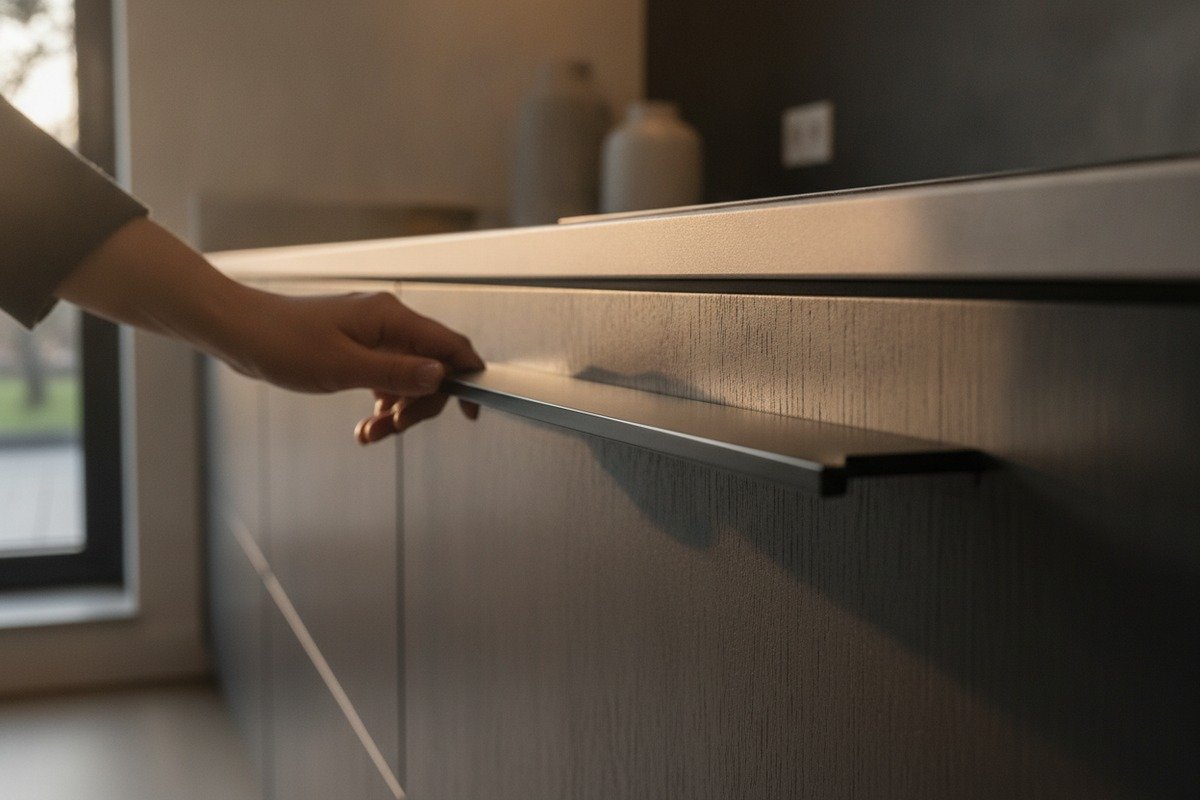
Powder coating is generally less expensive per unit than anodizing, especially for large color-varied orders, because the process is simpler and faster. Anodizing costs more due to its electrochemical complexity and tighter process controls. However, anodizing can reduce long-term replacement costs thanks to its superior durability, so total cost of ownership may favor anodizing for high-wear applications.
Why Powder Coating Costs Less Upfront
Powder coating is a high-throughput process. Handles are hung on a rack, sprayed with electrostatically charged powder, and moved into a curing oven. The equipment is widely available, the process is fast, and powder overspray can be reclaimed and reused. All of this keeps per-part costs low.
Anodizing requires chemical baths, precise electrical current control, temperature monitoring, and careful rinsing and sealing steps. The process takes longer per batch and demands more skilled operation. Wastewater treatment adds another layer of cost. These factors make anodizing inherently more expensive on a per-unit basis.
Cost Breakdown for a Typical Handle Order
Here is a simplified comparison based on what we see in our production facility for a standard 160mm aluminum cabinet handle.
| Cost Factor | Anodizing | Powder Coating |
|---|---|---|
| Surface preparation | Degreasing + etching (moderate cost) | Degreasing + pretreatment (similar moderate cost) |
| Finishing process cost per piece | Higher (electrochemical bath, sealing) | Lower (spray + oven cure) |
| Color change cost | Moderate (bath chemistry adjustment) | Low (powder color swap is fast) |
| Tooling or setup fees | Minimal | Minimal |
| Material waste | Low (oxide forms from existing metal) | Low (overspray is recoverable) |
| Typical price premium vs. raw aluminum | 15–30% above raw part cost | 8–18% above raw part cost |
| Best cost efficiency at volume | Medium to large batches of same color | Any batch size, especially multi-color runs |
These numbers are approximate and vary by order size, handle complexity, and finish specification. But the pattern is consistent: powder coating costs less for the finishing step itself.
Lead Time Considerations
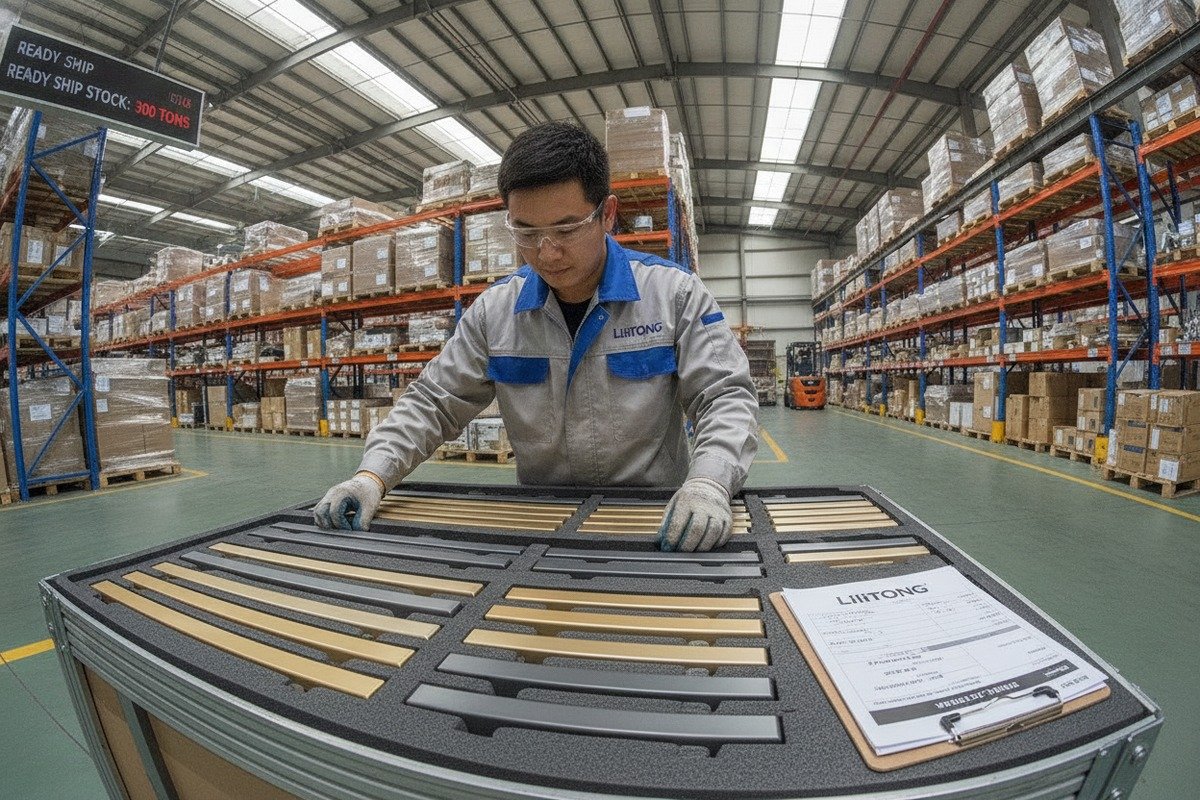
For wholesale buyers who need fast turnaround, lead time matters as much as price. Our stock items ship within 48 hours regardless of finish because they are already processed. But for custom orders, the finishing step adds time.
Powder coating is faster. A batch of handles can be coated and cured in a single day. Color changes between batches take minimal downtime.
Anodizing takes longer per batch. The electrochemical process itself requires more time, and if the order specifies a particular color depth or hardcoat specification, the immersion time increases further. Sealing and drying add additional hours.
For our custom OEM orders, we typically quote 3 to 5 days for powder-coated handles and 5 to 7 days for anodized handles, assuming the extrusion profiles are already in stock. If the order involves a new extrusion die, add the die fabrication time on top.
Total Cost of Ownership
Smart buyers look beyond the unit price. If a powder-coated handle needs replacement after two years in a hotel lobby because the finish wore through, the total cost includes the replacement handle, shipping, labor to swap it, and the reputational cost of worn-looking furniture.
An anodized handle in the same setting might last five or more years without visible wear. The higher upfront cost pays for itself in reduced maintenance and replacement cycles. We encourage our wholesale clients to factor in end-use conditions when comparing prices, not just the line item on the purchase order.
Can I Achieve Better Customization and Texture Options for My OEM Furniture Designs With Powder Coating or Anodizing?
Our engineers work with OEM furniture factories every day to develop handles that fit specific design briefs. We have learned that "customization" means different things depending on whether the priority is visual texture, dimensional accuracy, or unique surface effects. The answer is not always the same finish.
Powder coating provides far greater customization in colors, textures, and decorative effects, making it the go-to choice for unique OEM furniture designs. Anodizing offers superior customization in dimensional precision, metallic surface character, and subtle tonal variations. The best choice depends on whether your design priority is visual variety or engineering accuracy.
Texture and Surface Effect Options
Powder coating gives you a playground of textures. You can specify smooth gloss, smooth matte, fine texture, coarse texture, wrinkle finish, sand texture, leather effect, and even simulated wood grain. These textures change the tactile feel of the handle as well as its visual appearance. For furniture designers who want a handle that feels soft and warm to the touch despite being aluminum, a matte textured powder coat achieves that.
Anodizing textures are more subtle and depend on what happens before the anodizing step. You can brush the aluminum, bead-blast it, polish it, or etch it before anodizing. The anodize layer then locks in that surface texture with a clear or tinted oxide. The result is always metallic in character. You will not get a wood grain or a leather feel from anodizing.
Dimensional Precision for OEM Hardware
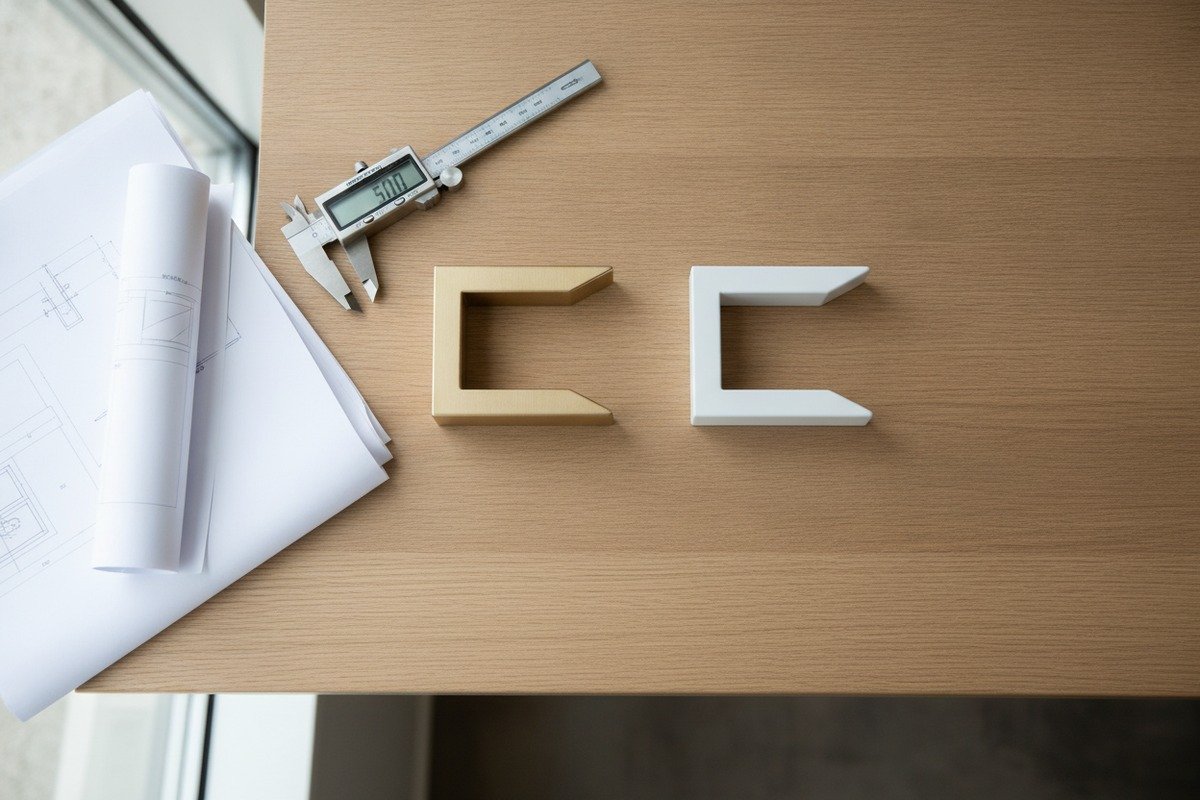
This is where anodizing has a major advantage that many designers do not appreciate until they encounter fit problems. Powder coating adds a measurable thickness to the part. Typical powder coat thickness ranges from 60 to 120 microns. On a small, precision handle that fits into a routed recess in a cabinet door, that extra thickness can cause problems. Screws may not align. The handle may sit proud of the surface instead of flush. Edges may feel rounded instead of crisp.
Anodizing adds very little thickness — typically 5 to 25 microns for decorative finishes. The handle retains its machined dimensions almost exactly. For recessed pulls, integrated grip channels, and any handle that mates with another component, anodizing preserves the designer's intent better.
Customization Decision Matrix
| Customization Need | Better Finish | Explanation |
|---|---|---|
| Specific brand color (e.g., Pantone match) | Powder coating | Nearly any color can be mixed and applied |
| Metallic brushed or satin metal look | Anodizing | Shows natural aluminum grain through transparent oxide |
| Rough or tactile surface texture | Powder coating | Textured powders create varied tactile surfaces |
| Flush-fit recessed pull with tight tolerances | Anodizing | Minimal thickness change preserves machined dimensions |
| Multi-finish collection (matte + gloss + textured) | Powder coating | Easy to vary finish type within one production run |
| Two-tone or dual-finish handle | Either (combined) | Some designs use anodizing on one section and powder coating on another |
| Sharp, crisp edge definition | Anodizing | Powder coating tends to build up and soften edges |
Combining Both Finishes
For truly custom OEM projects, we sometimes recommend using both finishes on a single handle. For example, the visible face of a long cabinet pull can be anodized in champagne gold for a premium metallic look, while the mounting flange hidden behind the door panel is powder-coated for added corrosion protection where appearance does not matter.
This hybrid approach requires careful masking during each process and adds cost, but it gives the designer the best of both worlds. We have executed this for several furniture factory clients who needed architectural-grade aesthetics on the front face and robust protection on hidden surfaces.
Questions to Ask Your Manufacturer Before Ordering
If you are still unsure which finish to specify, here are the practical questions we suggest you ask any supplier:
- What is the exact coating thickness, and how will it affect my handle's dimensional tolerances?
- Can you provide a production-finish sample on the actual aluminum alloy, not just a color chip?
- What pretreatment process do you use before anodizing or powder coating?
- Do you have salt-spray test data or outdoor weathering results for this finish?
- What is the minimum order quantity for a custom powder coat color?
- Can you guarantee batch-to-batch color consistency within a defined tolerance?
- What is the lead time difference between anodized and powder-coated versions of this handle?
These questions help you avoid the most common sourcing mistakes and ensure the finish you order performs in the real world the way it looks on the sample.
Conclusion
Choosing between anodizing and powder coating for aluminum furniture handles is not about finding one universally better finish. It is about matching the finish to your specific design, environment, budget, and client expectations. Use the comparisons and tables above to guide your next sourcing decision, and always request production-finish samples before committing to a large order.
Footnotes
1. Explains how anodizing forms a hard oxide layer on aluminum surfaces. ↩︎
2. Describes the resin components and curing process of powder coating. ↩︎
3. Defines anodizing as an electrochemical process that transforms metal surfaces. ↩︎
4. Provides general properties and applications of aluminum oxide. ↩︎
5. Explains how electrostatic charge applies powder coating to metal surfaces. ↩︎
6. Defines abrasion resistance as a material’s ability to withstand friction and surface wear. ↩︎
7. Defines impact resistance as a material’s ability to withstand sudden, high-force impacts. ↩︎
8. Discusses how anodizing enhances corrosion resistance of aluminum alloys. ↩︎
9. Explains the RAL color system used for standardized color communication. ↩︎
10. Explains the use of dyes to color anodized parts and types of dyes. ↩︎