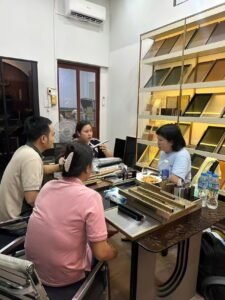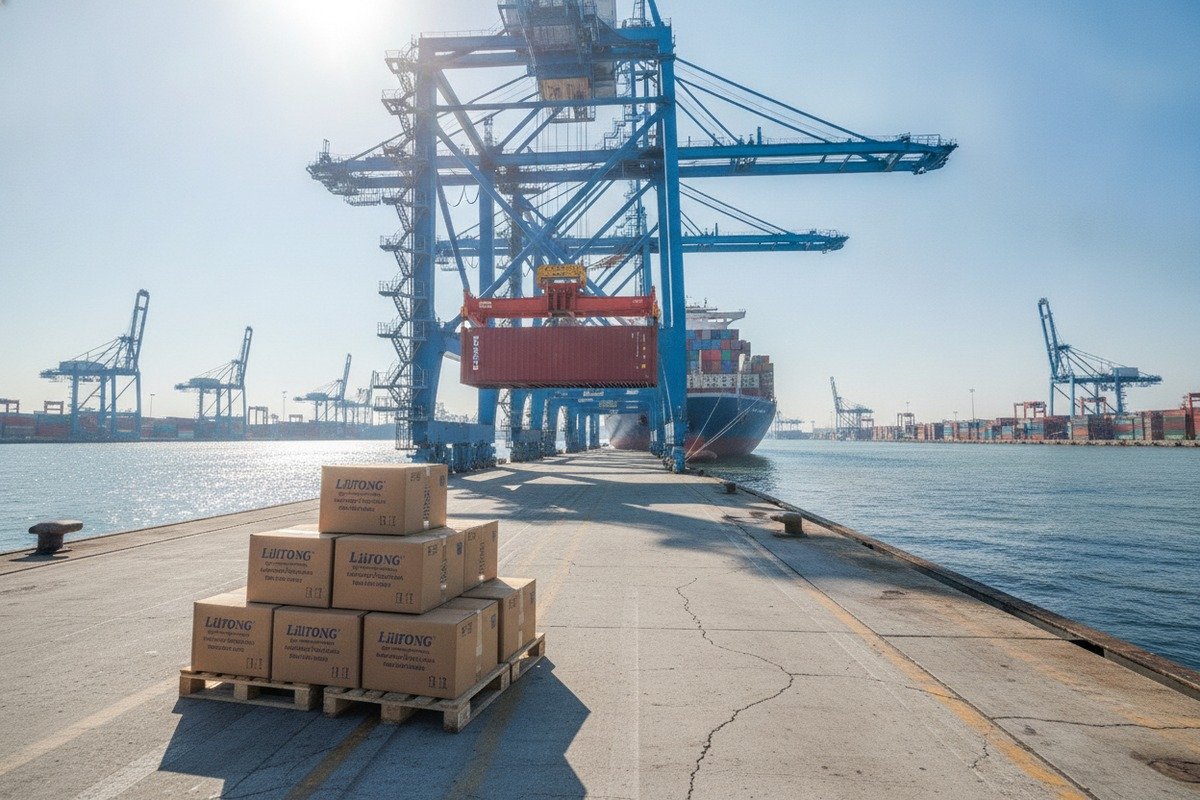
Every week, our sales team in Foshan fields questions from furniture hardware buyers about shipping terms on their quotation sheets.
FOB (Free On Board) and CIF (Cost, Insurance, Freight) are the two most common Incoterms used in sea shipments of aluminum furniture handles from China. FOB transfers cost and risk to the buyer once goods are loaded at the Chinese port, while CIF means the seller arranges and pays for ocean freight and basic insurance to the destination port, though risk still passes at the origin port after loading.
Understanding the difference is not just an academic exercise FOB (Free On Board) 1. It shapes your total landed cost, your control over logistics, and your ability to manage risk. Let me walk you through the details so you can pick the right term for your next order.
How do I decide if FOB or CIF is the right choice for my aluminum handle wholesale business?
We have shipped aluminum handles to wholesalers in Vietnam, the Middle East, and beyond for eighteen years, and this question comes up in almost every first conversation CIF (Cost, Insurance, Freight) 2.
Choose FOB if you already have a reliable freight forwarder and want full control over shipping costs and carrier selection. Choose CIF if you are a first-time importer or prefer the supplier to handle ocean freight and basic insurance, accepting less visibility into the freight cost breakdown.

Start With Your Logistics Capability
The single biggest factor is whether you have a freight team or a trusted freight forwarder 3. If you do, FOB almost always makes more sense. You can negotiate rates directly, pick faster routes, and consolidate shipments from multiple suppliers into one container. If you do not have those resources, CIF removes that burden and lets the supplier handle the booking.
Order Size Matters
For smaller orders — say, a few hundred kilograms of recessed cabinet pulls — the administrative effort of arranging your own freight may not be worth it. CIF simplifies the process. But for larger or recurring orders, the savings from controlling your own freight can add up quickly. We often see experienced buyers save 15–25% on shipping costs by switching from CIF to FOB once they establish their logistics network.
Transparency in Quotation Comparison
Here is a practical issue many buyers overlook. When you ask three different Chinese suppliers for CIF quotes, each one includes a different freight and insurance cost buried inside the price. That makes it nearly impossible to compare the actual product cost. FOB strips out the shipping, so you see the real factory price side by side.
| Factor | FOB | CIF |
|---|---|---|
| Who arranges ocean freight 4? | Buyer | Seller |
| Who pays for insurance? | Buyer | Seller (minimum coverage) |
| Where does risk transfer? | At loading port in China | At loading port in China |
| Best for which buyer? | Experienced importer with freight forwarder | First-time importer or small order buyer |
| Price transparency | High — freight is separate | Lower — freight is bundled into quote |
A Quick Self-Assessment
Ask yourself three questions before you decide:
- Do I have a freight forwarder I trust?
- Am I comparing quotes from multiple suppliers?
- Do I need to consolidate shipments from different factories?
If you answered yes to two or more, FOB is likely your better option. If you answered no to all three, CIF gives you a simpler path to getting your aluminum handles delivered.
What are the specific risks I take on when sourcing furniture hardware from China under FOB terms?
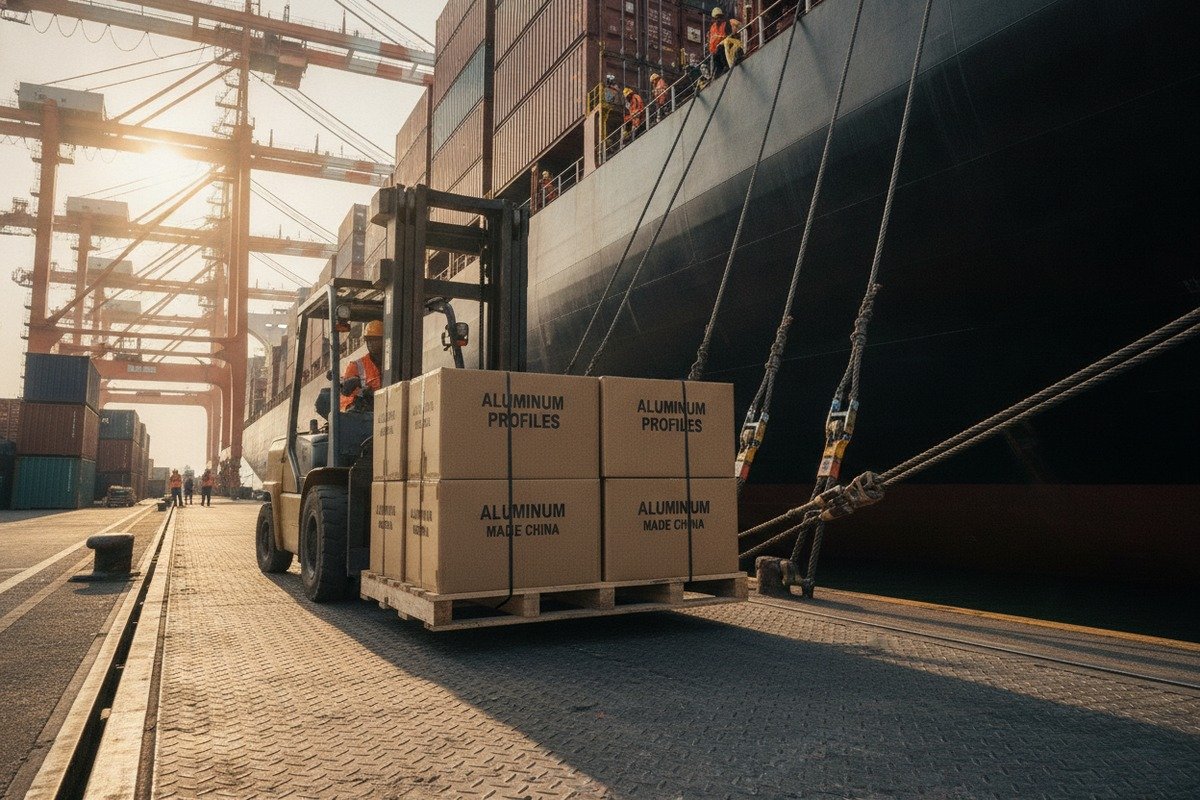
When our team prepares an FOB shipment of custom aluminum profiles or matte-finished recessed handles, our responsibility ends once those cartons are safely loaded onto the vessel at Nansha or Shenzhen port.
Under FOB terms, you as the buyer assume all risk of loss or damage once the aluminum handles are loaded onto the vessel at the Chinese port. You are also responsible for arranging and paying ocean freight, cargo insurance, destination port charges, customs clearance, and inland delivery to your warehouse or factory.
Risk During Ocean Transit
This is the most important risk to understand. Once the shipping line confirms the goods are on board, any damage from rough seas, container shifting, or even a vessel fire becomes your problem. Without proper insurance, you could lose an entire shipment of aluminum handles with no recourse.
Insurance Is Your Responsibility
Many buyers assume their supplier's insurance covers the cargo. Under FOB, it does not. You need to arrange your own marine cargo insurance 5. The good news is that you can choose comprehensive "all-risk" coverage (ICC Clause A 6), which protects against theft, rough handling, and water damage. This matters for aluminum furniture handles because surface scratches, dents on anodized finishes, or damage to the geometric channel of recessed pulls can make them unsellable.
Destination-Side Costs and Surprises
FOB does not cover anything that happens after loading. Here is a breakdown of common destination charges you need to budget for:
| Charge Type | Who Pays Under FOB | Typical Range |
|---|---|---|
| Ocean freight | Buyer | Varies by route and season |
| Marine cargo insurance | Buyer | 0.2%–0.5% of cargo value |
| Destination port handling | Buyer | $150–$400 per container |
| Import customs duties | Buyer | Depends on country and HS code |
| Inland trucking to warehouse | Buyer | Varies by distance |
| Container demurrage (if delayed) | Buyer | $50–$150 per day after free days |
Carrier Selection and Peak Season Pressure
Because you choose the carrier under FOB, you also take on the risk of booking delays during peak shipping season (typically August through October). If you cannot secure container space, your aluminum handles sit at the port in China, and your production or sales schedule slips. This requires proactive planning and a good relationship with your freight forwarder.
How to Mitigate These Risks
First, always buy all-risk marine insurance. Second, work with a freight forwarder who specializes in shipments from South China. Third, book container space early during peak season. Fourth, specify the named port clearly in your purchase contract — for example, "FOB Nansha Port" — so there is no confusion about where risk transfers. In our experience, buyers who take these four steps rarely encounter serious problems with FOB shipments.
How will choosing CIF over FOB affect the total landed price of my custom aluminum profiles?
One thing we notice regularly is that buyers compare a CIF quote and an FOB quote side by side without adjusting for hidden costs on either side, and that leads to bad purchasing decisions.
Choosing CIF means the quoted price already includes ocean freight and minimum insurance to your destination port, so it appears higher than FOB at first glance. However, the total landed cost depends on whether the seller's bundled freight rate is competitive and whether the minimum insurance is adequate — in many cases, experienced buyers achieve a lower total landed cost by using FOB and arranging their own logistics.
Breaking Down the CIF Quote
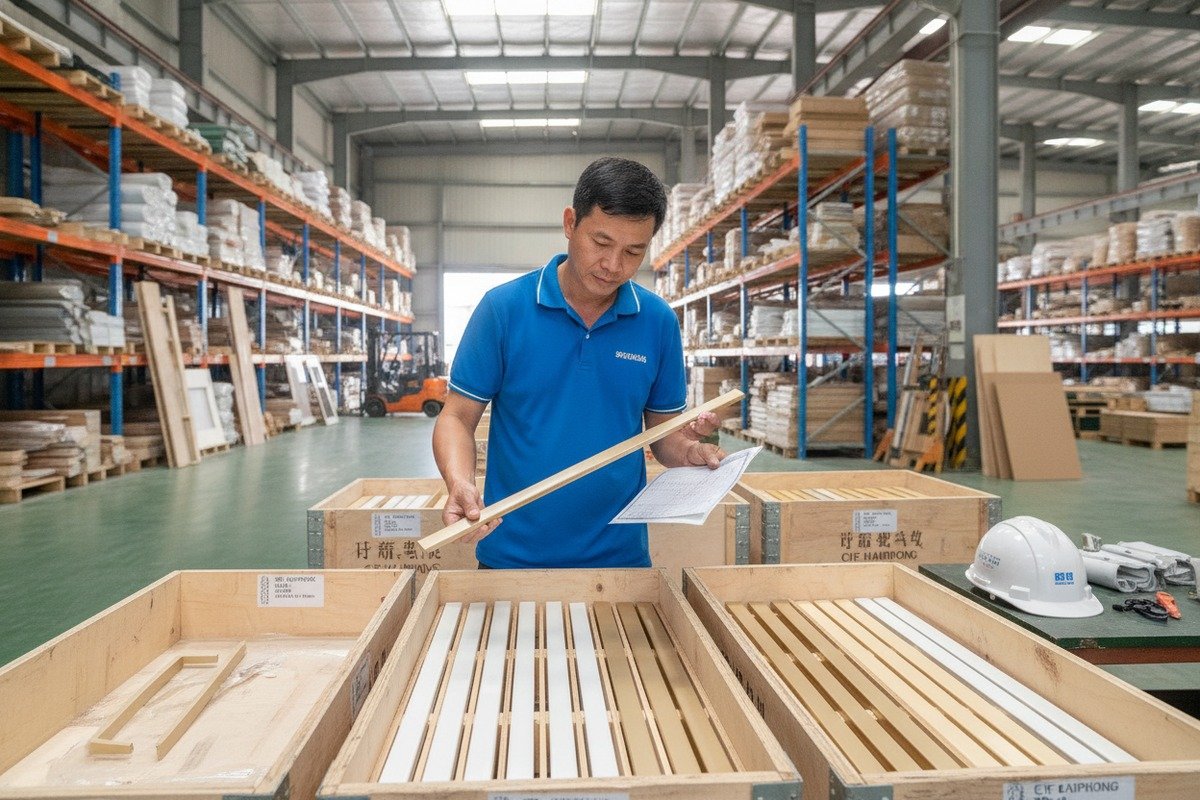
When a Chinese supplier quotes you CIF for a batch of champagne gold anodized aluminum handles, that number includes three things: the product cost, ocean freight to your named destination port, and minimum marine insurance (usually ICC Clause C 8). It does not include import duties, port handling at destination, or inland trucking. Many buyers forget this and are surprised by additional charges after the container arrives.
The Hidden Margin Problem
Some suppliers — not all, but enough to warrant caution — build a profit margin into the freight portion of a CIF quote. They may book freight at $1,800 per container but quote you $2,400 bundled into the CIF price. You would never know unless you ask for a cost breakdown or compare the freight rate independently. This is why sourcing professionals often request both FOB and CIF quotes from the same supplier. The difference reveals what the supplier charges for arranging freight.
A Real-World Cost Comparison
Let me illustrate with a simplified example for a 20-foot container of aluminum furniture handles shipped from Foshan to Ho Chi Minh City.
| Cost Component | FOB Scenario (Buyer Arranges) | CIF Scenario (Seller Arranges) |
|---|---|---|
| Product cost (factory gate) | $8,000 | $8,000 (embedded in CIF) |
| Ocean freight | $1,600 (buyer's forwarder rate) | $2,100 (seller's bundled rate) |
| Marine insurance | $45 (all-risk, buyer arranges) | $30 (minimum coverage, seller arranges) |
| Subtotal before destination charges | $9,645 | $10,130 |
| Destination port handling | $250 | $250 |
| Import duties | $400 | $400 |
| Inland trucking | $200 | $200 |
| Total landed cost | $10,495 | $10,980 |
In this example, the FOB buyer saves nearly $500 per container, mainly because they secured a better freight rate and chose their own insurance. Over twelve shipments a year, that adds up to $6,000 in savings.
When CIF Might Still Win
If your order is small — for instance, just a few cartons shipped as LCL (less than container load) — the administrative cost of arranging your own freight forwarder, insurance, and tracking may exceed the potential savings. In that case, letting the supplier handle everything under CIF is practical. The convenience has real value, especially if you are a furniture factory focused on production and not logistics management.
Insurance Quality Under CIF
This is a critical detail. CIF only requires the seller to provide minimum insurance, which is ICC Clause C. This covers major casualties like vessel sinking or fire but does not cover theft, rough handling, or water damage from rain or condensation. For aluminum handles with delicate anodized or matte finishes, surface damage from mishandling is a real concern. If you accept CIF, consider buying supplemental insurance on your own. Or, switch to FOB and get all-risk coverage from the start.
Can I ask my Chinese supplier for specific trade terms to better manage my furniture factory's inventory?
Our sales team works with furniture factories that run tight production schedules. They need handles to arrive on time, in the right quantity, and in perfect condition. The trade term they choose directly affects how much control they have over that process.
Yes, you can and should negotiate specific Incoterms with your Chinese supplier. Most established suppliers are flexible and can quote FOB, CIF, EXW, or even DDP depending on your needs. The key is to match the trade term to your inventory management strategy — FOB for maximum logistics control, CIF for simplicity, or DDP if you want the supplier to handle everything including import clearance.
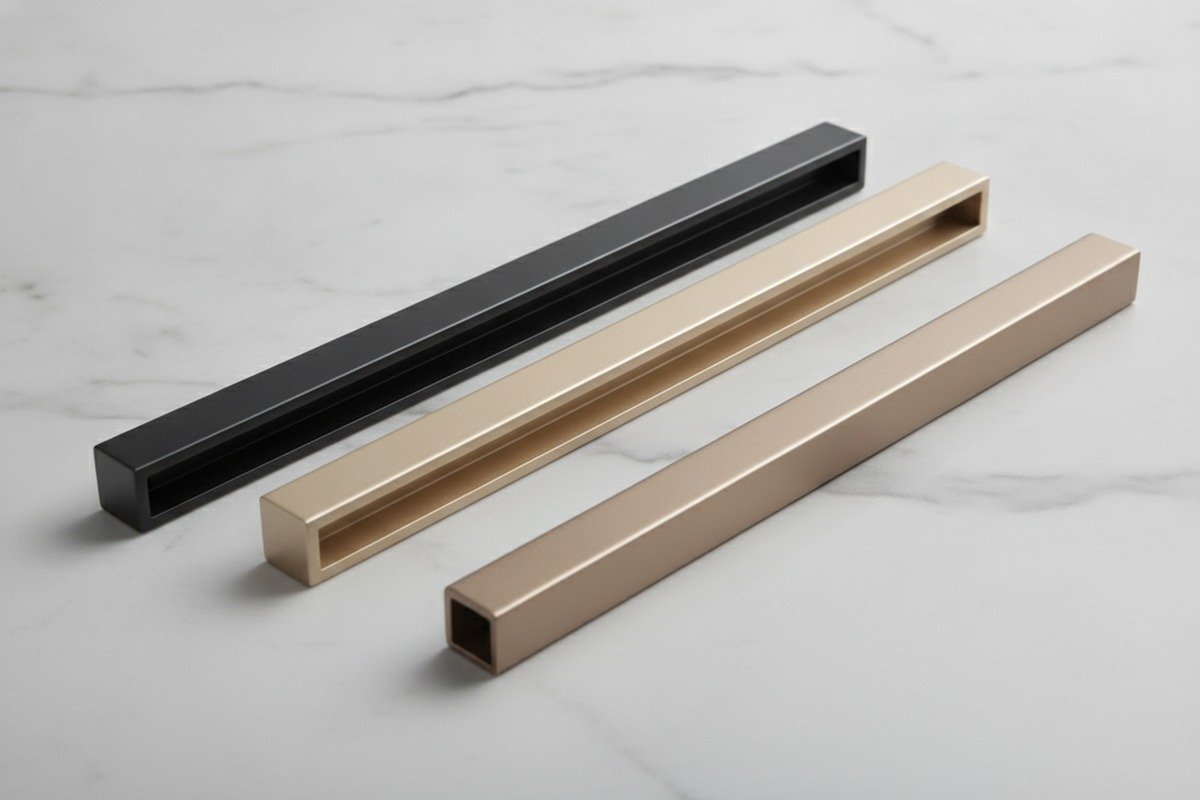
You Are Not Locked Into One Option
A common misconception among first-time buyers is that Chinese suppliers only offer one trade term. That is not true. When buyers reach out to us, we typically provide quotes in both FOB and CIF so they can compare. If a buyer specifically asks for EXW (Ex Works) 9 because they want to pick up goods directly from our warehouse in Foshan using their own logistics partner, we accommodate that too. The point is: ask for what you need.
Matching Incoterms to Your Inventory Strategy
If your furniture factory operates on a just-in-time model and needs handles to arrive within a precise window, FOB gives you the most control. You pick the carrier, you set the sailing schedule, and your freight forwarder gives you real-time tracking. This level of visibility lets you plan production around actual arrival dates rather than estimates.
If your factory keeps buffer stock and does not need precise delivery windows, CIF is simpler. You place the order, the supplier ships it, and you receive it at your local port. There is less work on your end, though less predictability too.
Beyond FOB and CIF: Other Terms Worth Knowing
While FOB and CIF dominate aluminum handle trade, a few other Incoterms 10 are worth understanding:
- EXW (Ex Works): You pick up the goods at the supplier's factory or warehouse. You handle everything — export clearance, loading, freight, insurance, import clearance, and delivery. This gives maximum control but requires strong logistics capability in China.
- DDP (Delivered Duty Paid): The supplier delivers the goods to your door, fully cleared for import, with all duties paid. This is the most convenient option but usually the most expensive, and it requires the supplier to have import clearance capability in your country.
- CFR (Cost and Freight): Similar to CIF, but without insurance. The seller pays freight to the destination port, but you arrange your own insurance. This is a middle ground that some buyers prefer.
Consolidation and Mixed Shipments
Many of our customers order aluminum handles alongside glass door profiles, honeycomb panels, or other hardware. If you use FOB, you can consolidate these different product categories into one container through your freight forwarder, even if they come from different suppliers. This reduces per-unit shipping costs significantly. Under CIF, each supplier arranges their own shipment, which often means you pay for multiple partial containers instead of one full one.
How to Negotiate Trade Terms Effectively
Be direct. Tell your supplier which Incoterm you prefer and why. Ask for itemized quotes that separate product cost, packaging cost, and freight cost. If you are comparing suppliers, request FOB quotes from all of them so you have an apples-to-apples comparison. Then, once you select a supplier, you can switch to CIF or another term if it suits your logistics setup. In our experience, the most successful long-term buyers start with CIF for their first order to test the relationship, then move to FOB once they are comfortable and have their logistics dialed in.
Specifying the Right Port
Always name the exact port in your contract. Do not just write "FOB China." Write "FOB Nansha Port, Guangzhou" or "CIF Hai Phong Port." This prevents disputes about where responsibilities begin and end. It also affects freight cost, since different Chinese ports have different rates and transit times to your destination.
Conclusion
Picking the right Incoterm is a business decision that shapes your cost, risk, and control when importing aluminum furniture handles from China. Match the term to your logistics capability, and always compare quotes on a landed-cost basis.
Footnotes
1. Defines the FOB Incoterm and its implications for buyers and sellers. ↩︎
2. Defines the CIF Incoterm and its implications for buyers and sellers. ↩︎
3. Explains the role and benefits of using a freight forwarder in logistics. ↩︎
4. Describes the concept of ocean freight in international shipping. ↩︎
5. Details the importance and types of marine cargo insurance for goods in transit. ↩︎
6. Explains the comprehensive coverage provided by ICC Clause A. ↩︎
7. Defines the process of customs clearance for imported goods. ↩︎
8. Describes the limited coverage of ICC Clause C in marine insurance. ↩︎
9. Explains the EXW Incoterm, where the buyer handles all logistics from the factory. ↩︎
10. Provides an overview of Incoterms, international trade terms. ↩︎