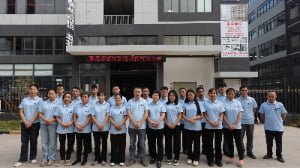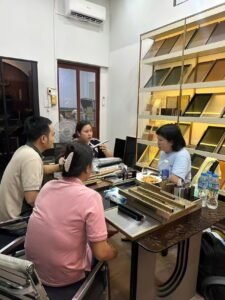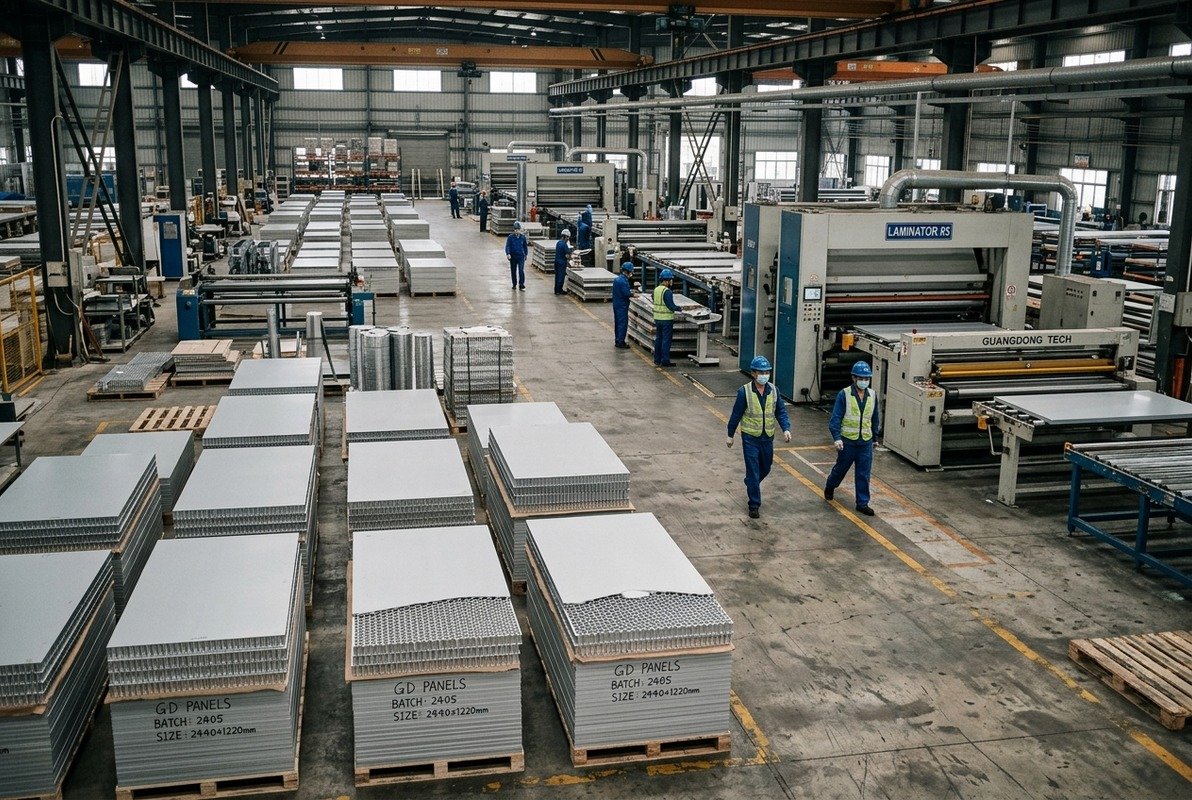
When our engineering team started sourcing honeycomb core materials for a cable tray project’s ceiling integration, finding truly reliable honeycomb panel manufacturers in China turned into a far bigger challenge than expected — too many factories, inconsistent quality, and missed deadlines everywhere.
The top 10 honeycomb panel manufacturers in China for 2026 include Guangdong Nanbeiwang, Foshan Liming, Winsom Xiamen, Suzhou Haxcore, and Hangzhou Holycore, all leading in production capacity, international certifications, custom panel solutions, and proven export capability to global construction and industrial markets.
This guide breaks down each leading manufacturer, explains what to check before signing a contract, and shares hard-won lessons from years of working inside China’s industrial supply chain OEM and ODM services 1. Let’s get into it.
How do I choose the most reliable honeycomb panel manufacturer in China for my 2026 projects?
A buyer from Singapore once told me his biggest regret was choosing the cheapest quote without visiting the factory — two containers arrived with warped aluminum honeycomb panels 2 and zero recourse.
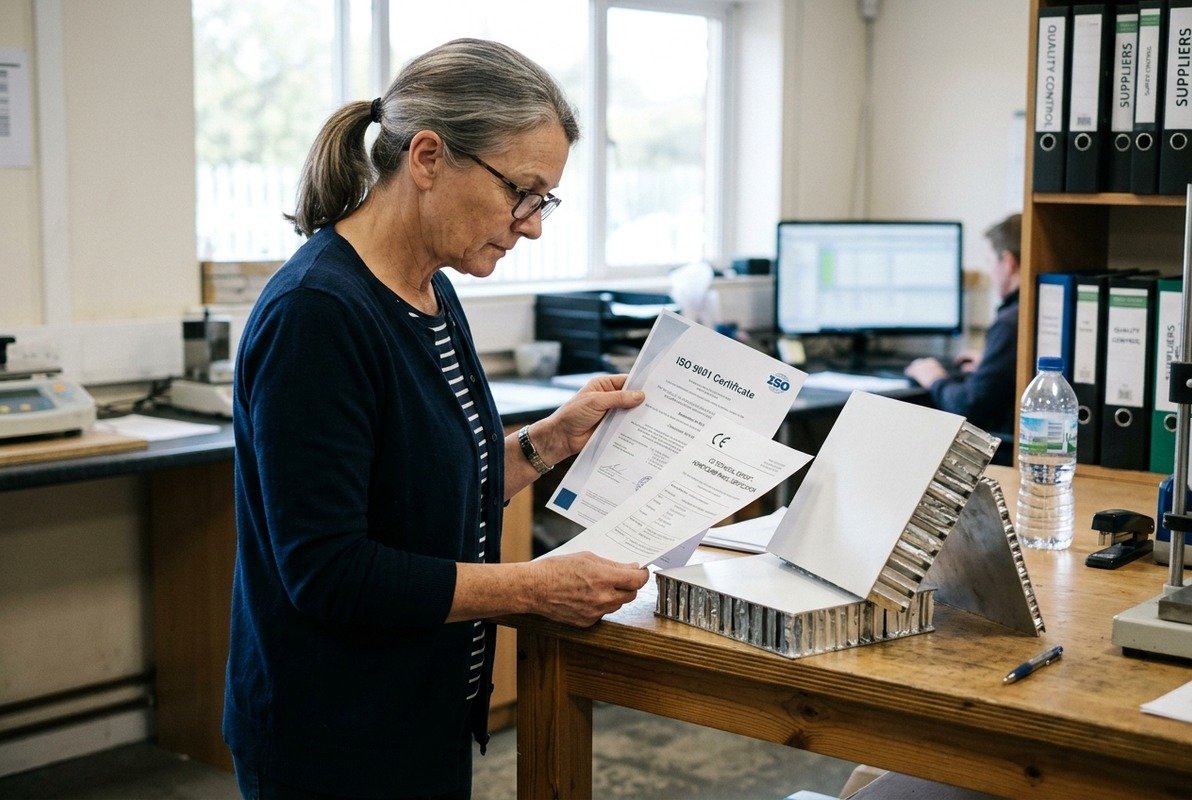
Choose the most reliable honeycomb panel manufacturer by evaluating five dimensions: production capacity (at least two automated composite lines), verified certifications (ISO 9001, CE), documented project case studies, on-site installation support, and responsive communication within 24 hours across time zones.
Reliability is not a single checkbox. It is a system of signals. I have learned this through years of coordinating with factories across Guangdong, Jiangsu, and Fujian for our own cable management supply chain. The same evaluation framework applies whether you are buying composite sandwich panels 3 or cable trays. Let me walk you through it.
The 5-Dimension Evaluation Framework
Before you send a single inquiry, build a scorecard. Rate every potential supplier across these five areas:
| Dimension | What to Check | Red Flag |
|---|---|---|
| Production Capacity | ≥2 fully automated composite lines; able to handle >50,000 m² urgent orders | Only one manual line; vague about output numbers |
| Certifications | ISO 9001 4, ISO 14001, CE, fire rating reports | Cannot produce original certificates on request |
| Case Studies | Photos of completed high-rise facades, transportation projects, overseas landmarks | Only renders or stock images; no verifiable references |
| Installation Support | Provides node design drawings; offers on-site technical guidance | "We just ship the panels" mentality |
| Communication Speed | Replies within 24 hours; dedicated project manager; WhatsApp/email accessible | Slow replies; no single point of contact |
Why Production Capacity Matters More Than Price
Many buyers focus on unit price. That is understandable. But in my experience coordinating urgent shipments to Southeast Asia and Africa, a factory that quotes 5% less but cannot scale production will cost you far more in project delays. A manufacturer with multiple automated lines can run parallel batches. This means your architectural cladding order and your interior partition order can be produced simultaneously.
Verify Case Studies — Do Not Just Trust Brochures
Ask for contract photos, not marketing photos. A trustworthy factory will show you time-stamped images of panels being loaded, installed, and inspected. I always request at least three references from different project types — a curtain wall project, a transportation application, and an interior job. This tells me the factory understands diverse requirements, from fire resistant panels 5 for building codes to lightweight building materials for transit.
Communication Is a Leading Indicator
If a supplier takes five days to reply to your first inquiry, imagine how they will perform during a production crisis. In our business, we prioritize factories that assign a dedicated project manager. This person knows your specifications, your timeline, and your shipping port. They do not make you re-explain everything each time you call.
Can I get custom OEM designs and specific dimensions from these top-tier Chinese suppliers?
Last year, a project contractor asked us to source honeycomb panels with a very specific sandwich thickness for a water treatment facility cover — 18mm core with 0.5mm aluminum skins on both sides, cut to non-standard trapezoidal shapes.
Yes, China's top honeycomb panel manufacturers offer full OEM and ODM services, including custom core thickness, skin materials, surface finishes, panel shapes, and specific dimensions — most can produce bespoke composite sandwich panels within 15 to 25 working days after design confirmation.
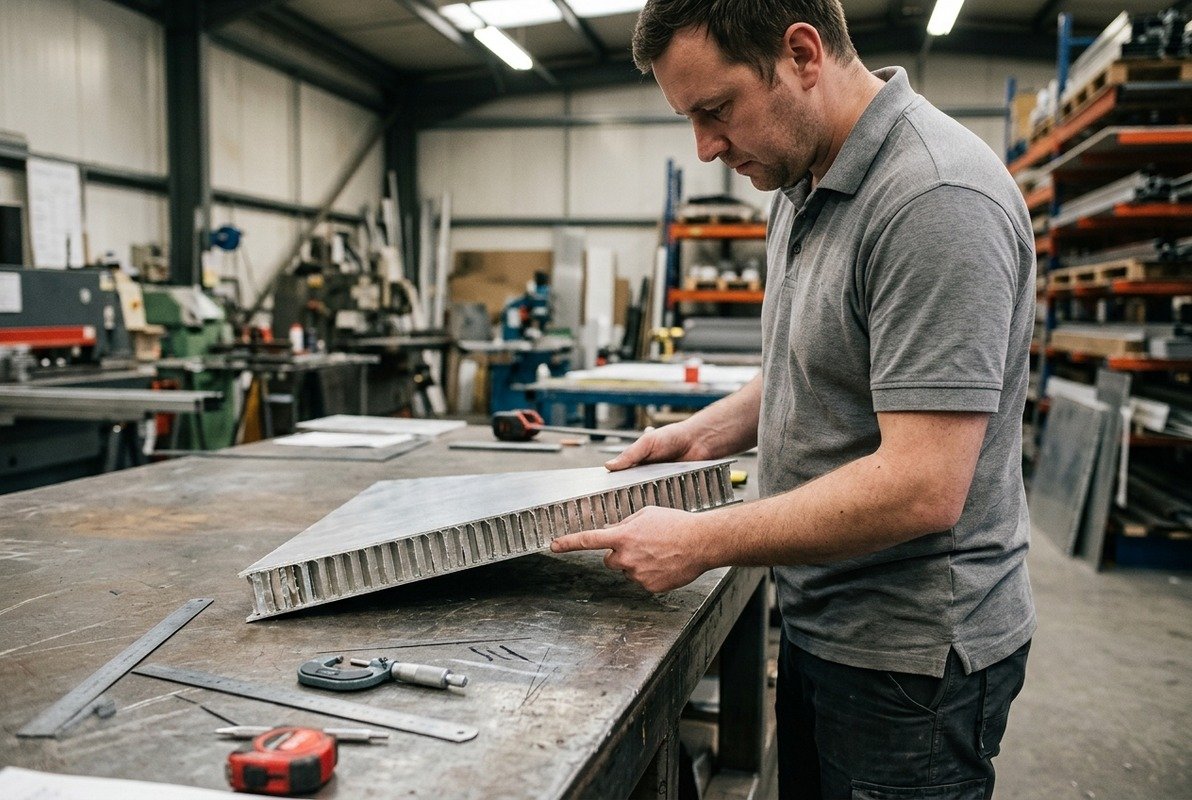
Customization is where the best Chinese factories truly separate themselves from average suppliers. The shift in this market is clear: it is no longer about who can mass-produce the cheapest standard sheet. Buyers in 2026 need tailored solutions — and the leading manufacturers have invested heavily to deliver them.
What Can Be Customized?
Here is a breakdown of common customization options offered by the top manufacturers:
| Customization Area | Options Available | Typical Lead Time Impact |
|---|---|---|
| Core Material | Aluminum, thermoplastic (PP), aramid, FRP | +0 to +5 days depending on material stock |
| Core Cell Size | 3mm to 25mm hexagonal cells | Standard sizes ship faster |
| Skin/Face Material | Aluminum, PVDF-coated aluminum, stone veneer, wood grain HPL, glass fiber | Stone and specialty finishes add 5–10 days |
| Panel Thickness | 4mm to 100mm+ total sandwich thickness | Thicker panels may require tooling adjustment |
| Panel Shape | Rectangular, trapezoidal, curved, perforated, irregular | Irregular shapes require CNC programming time |
| Surface Finish | Matte, glossy, brushed, anodized, wood grain, marble pattern | Color matching adds 3–5 days for new RAL codes |
| Fire Rating | A2 (non-combustible core), B1 (flame retardant) | A2-rated cores may require longer sourcing |
Manufacturer Specializations
Not every factory excels at every type of customization. Here is a quick guide:
- Nanbeiwang (Foshan): Strong in architectural custom panel solutions — curtain wall panels with PVDF coatings, large-format panels for commercial buildings.
- Foshan Liming: Specializes in honeycomb composite panels for interior decoration and complex surface finishes.
- Winsom (Xiamen): Known for aluminum honeycomb panels, composite panels, and single-skin panels with a focus on export-grade quality.
- Suzhou Haxcore: Leads in aerospace components and EMI shielding applications — ideal for technical, high-performance custom orders.
- Hangzhou Holycore: Pioneers in thermoplastic honeycomb for commercial vehicle walls and floors — their HolyPan® sandwich panels are a recognized brand.
The OEM Process: Step by Step
From our experience managing OEM orders in industrial products, the process typically follows this path:
- Inquiry & Specification Review — You send drawings or performance requirements. The factory's engineering team reviews feasibility.
- Design Confirmation — The factory produces a detailed technical drawing with material specs, tolerances, and finish samples.
- Sample Production — A physical sample ships to you for approval. This usually takes 7–10 days.
- Bulk Production — Once approved, production begins. Standard orders take 15–25 working days.
- Quality Inspection — In-process and final inspections against your approved sample.
- Packing & Shipping — Custom packaging to prevent damage during transit.
The key lesson I have learned: never skip the sample stage. Even if it adds a week, catching a color mismatch or dimensional error on one sample is infinitely cheaper than discovering it across 2,000 panels on-site.
What quality certifications should I verify before I partner with a honeycomb panel factory?
One hard lesson from our early days: we once trusted a supplier's word about ISO certification without asking for the actual certificate. The products looked fine — until they failed a fire resistance test on the job site.
Before partnering with any honeycomb panel factory, verify ISO 9001 (quality management), ISO 14001 (environmental management), CE marking (European compliance), and specific fire rating certifications (A2 or B1 class) — always request original certificates and check their validity dates and issuing bodies directly.
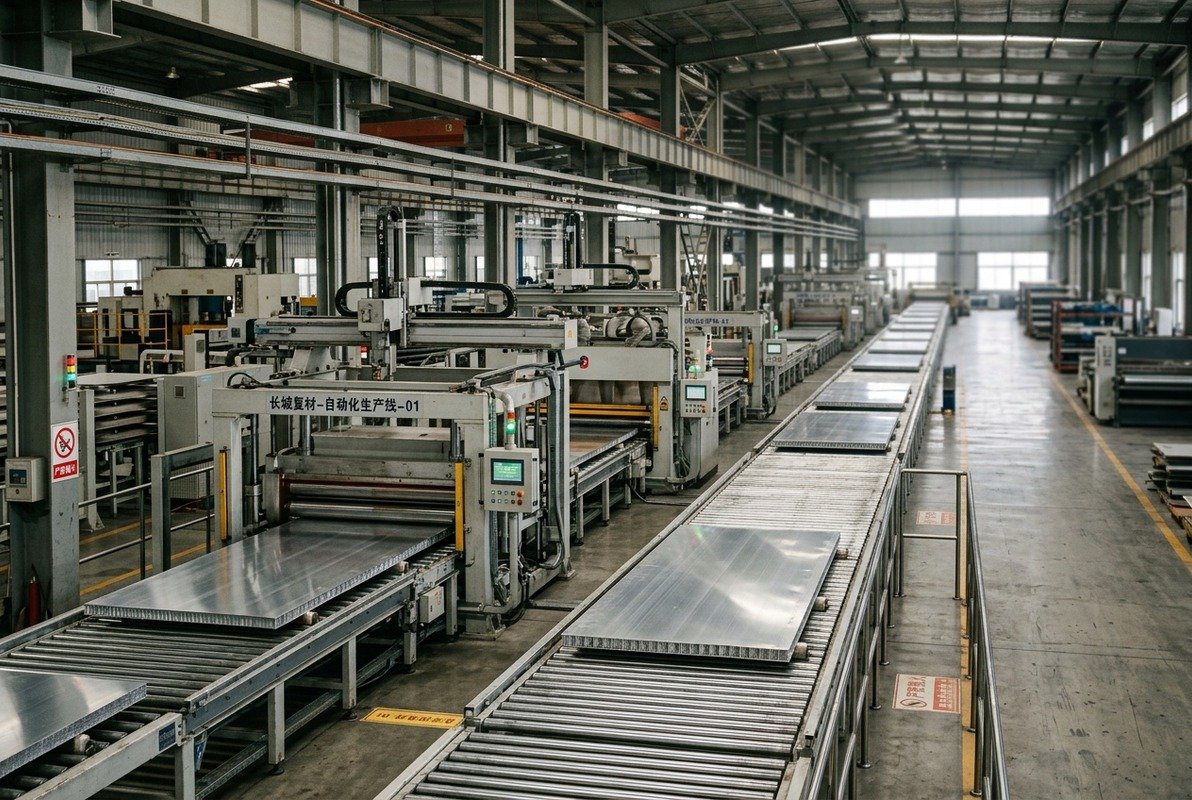
Certifications are not just marketing badges. They are contractual shields. When something goes wrong on a project — and eventually something will — certifications determine who bears liability. Here is what you need to know.
The Essential Certification Checklist
| Certification | What It Covers | Why It Matters for Buyers |
|---|---|---|
| ISO 9001 | Quality management systems | Confirms the factory has standardized production and inspection processes |
| ISO 14001 | Environmental management | Important for projects with green building requirements (LEED, BREEAM) |
| CE Marking 6 | European product safety standards | Required for any panels entering the EU market; covers mechanical resistance and fire safety |
| Fire Rating (A2/B1) | Non-combustible or flame-retardant classification | Critical for construction applications; building codes in most countries mandate specific fire ratings |
| RoHS | Restriction of hazardous substances | Relevant for panels used in electronics or sensitive indoor environments |
| SGS/TÜV Test Reports | Third-party independent testing | Provides unbiased verification of performance claims (thermal insulation properties, structural strength) |
How to Verify — Not Just Collect
Collecting a PDF of a certificate is step one. Verification is step two. Here is what I do:
- Check the issuing body. Is it an accredited certification body? Search their name on the IAF (International Accreditation Forum) database.
- Verify the certificate number. Most issuing bodies have online portals where you can enter the certificate number and confirm it is active.
- Check the scope. A factory might hold ISO 9001 for one product line but not for the honeycomb panels you are ordering. Read the scope description carefully.
- Look at the validity date. Expired certificates are worthless. Ask for the most recent version.
Fire Ratings Deserve Extra Attention
For any construction project, fire resistant panels are non-negotiable. Building codes in Singapore, the UAE, the EU, and most of Africa require specific fire classifications. An A2-rated aluminum honeycomb panel uses a non-combustible mineral core. A B1-rated panel uses a flame-retardant adhesive system. Do not assume — ask for the test report, not just the rating label.
In our cable tray business, we face similar scrutiny on material certifications. The principle is the same: your end client or the building inspector will ask for proof. If you cannot produce it, the project stops. So we always request test reports before placing the first order, not after.
Green Certifications and the 2026 Trend
China's honeycomb panel industry is shifting toward eco-friendly production. Life-cycle recyclability 7 is becoming a selling point, especially for lightweight building materials used in public buildings. Manufacturers like Holycore are promoting panels designed for easier material separation at end of life, aligning with circular economy principles. If your project has sustainability requirements, ask the factory about their recycling processes and environmental certifications.
How can I ensure my honeycomb panel delivery stays on schedule to avoid project delays?
Delivery delays nearly cost us a major client in Africa last year. The panels were ready, but the factory had not coordinated container booking in advance — and a port congestion event pushed the shipment back three weeks.
Ensure on-time honeycomb panel delivery by establishing a detailed production timeline with milestones, requiring weekly progress photos, booking logistics early, building a 10–15% time buffer into your project schedule, and assigning a dedicated logistics coordinator at both the factory and your end.
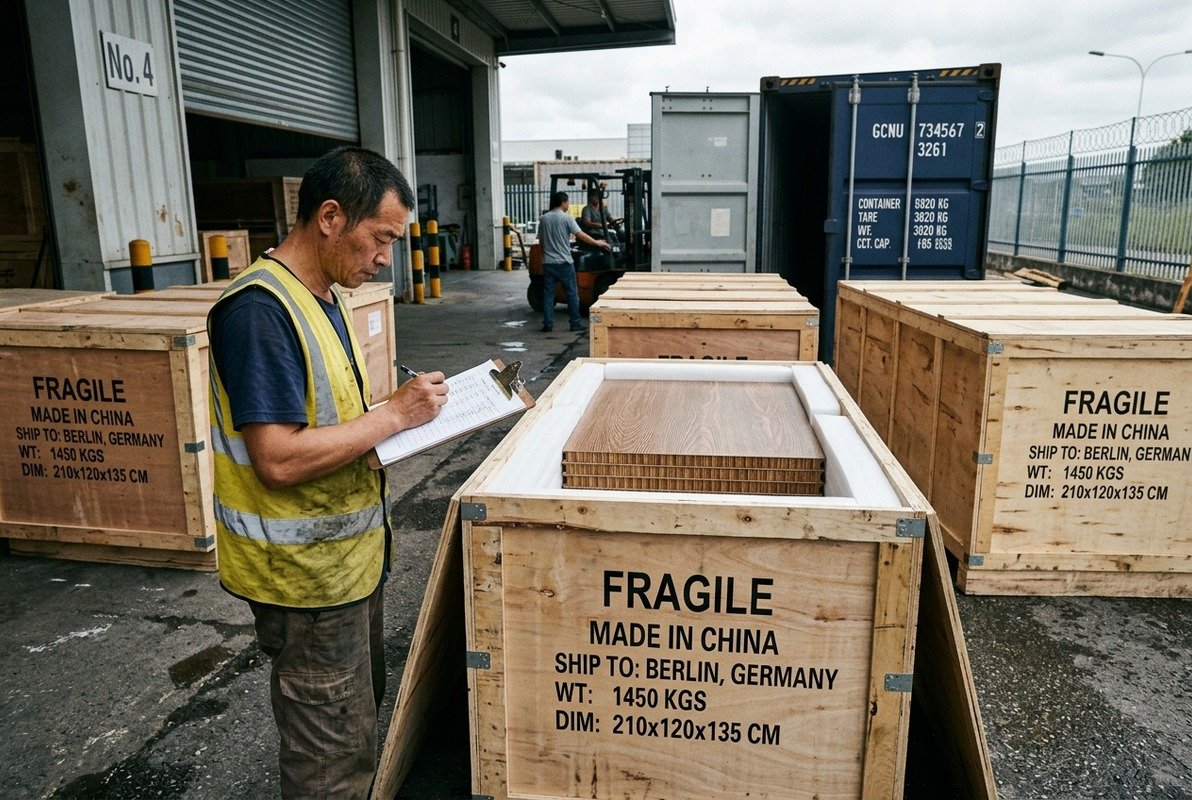
Delivery is where good intentions meet reality. A factory can have perfect panels sitting in their warehouse, but if the logistics chain breaks, your project still suffers. Here is a practical system I use to keep shipments on track.
Build a Milestone-Based Production Timeline
Do not accept vague promises like "about 20 days." Instead, agree on a timeline with specific checkpoints:
- Day 0 — Order confirmation and deposit received.
- Day 3 — Raw material procurement confirmed (aluminum coils, honeycomb core materials, adhesive films).
- Day 7 — First composite panel off the line; in-process quality check photos sent.
- Day 14 — 50% production milestone; mid-production inspection (either your own QC team or a third-party inspector).
- Day 20 — Production complete; final inspection and packing.
- Day 22 — Container loaded; bill of lading 8 issued.
- Day 23–45 — Ocean freight (varies by destination).
This is not a suggestion — it is a contract term. Write these milestones into your purchase agreement. If the factory misses a milestone by more than three days, you should have a clause that triggers corrective action.
Weekly Progress Photos Are Non-Negotiable
I require every factory we work with to send photos at least once a week during production. These photos should show:
- Raw materials staged for production
- Panels on the composite line
- Surface finish quality close-ups
- Packing and labeling
- Loaded containers with seal numbers visible
This is not about distrust. It is about transparency. In our experience exporting cable management systems to Southeast Asia and South America, the factories that willingly share progress photos are the ones that deliver on time. The ones that resist are usually hiding problems.
Book Logistics Early
This is the mistake that catches most buyers. You wait until production is done to book a container. But in peak shipping seasons, container availability can be tight, especially from major Chinese building materials export hubs like Foshan and Xiamen. Book your container at least two weeks before the expected production completion date. If you use a freight forwarder, make sure they are monitoring port conditions.
The 10–15% Buffer Rule
No matter how well you plan, something unexpected will happen. A typhoon delays a vessel. A customs inspection adds two days. A component fails QC and needs replacement. Build a 10–15% time buffer into your project schedule. If your project needs panels installed by March 1st, work backward and set a delivery target of February 15th. This buffer has saved us more times than I can count.
Third-Party Inspection: When to Use It
For orders above $50,000 or for first-time suppliers, I strongly recommend hiring a third-party inspection company (SGS, Bureau Veritas, or TÜV). They perform a pre-shipment inspection 9 at the factory, checking dimensions, surface quality, fire rating labels, and packing integrity. The cost is typically $300–$500 per inspection — trivial compared to the cost of receiving defective panels on the other side of the world.
Conclusion
Choosing the right honeycomb panel manufacturer in China for 2026 comes down to verified capacity, certifications, customization depth, and disciplined delivery management — invest time upfront to protect your project timeline and budget. If you are also evaluating manufacturers and suppliers beyond China, our guides on top honeycomb panel manufacturers in the world and top honeycomb panel suppliers in the world provide a broader global perspective.
Footnotes
1. Differentiates and explains the concepts of Original Equipment Manufacturer (OEM) and Original Design Manufacturer (ODM). ↩︎
2. Provides a comprehensive overview of aluminum composite panels, including their structure and uses. ↩︎
3. Explains the definition, structure, and applications of sandwich panels as composite materials. ↩︎
4. Official information on the ISO 9001 quality management standard. ↩︎
5. Discusses the importance, types, and standards of fire resistant panels in building safety. ↩︎
6. Official guidelines and information about CE marking for products in the EU. ↩︎
7. Explains life cycle assessment and the importance of recyclability in product sustainability. ↩︎
8. Provides a clear definition and functions of a bill of lading in shipping and trade. ↩︎
9. Explains the purpose, process, and benefits of conducting a pre-shipment inspection for quality control. ↩︎