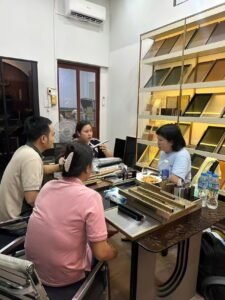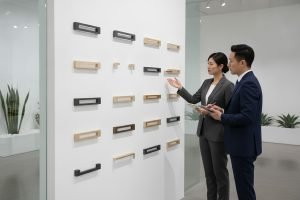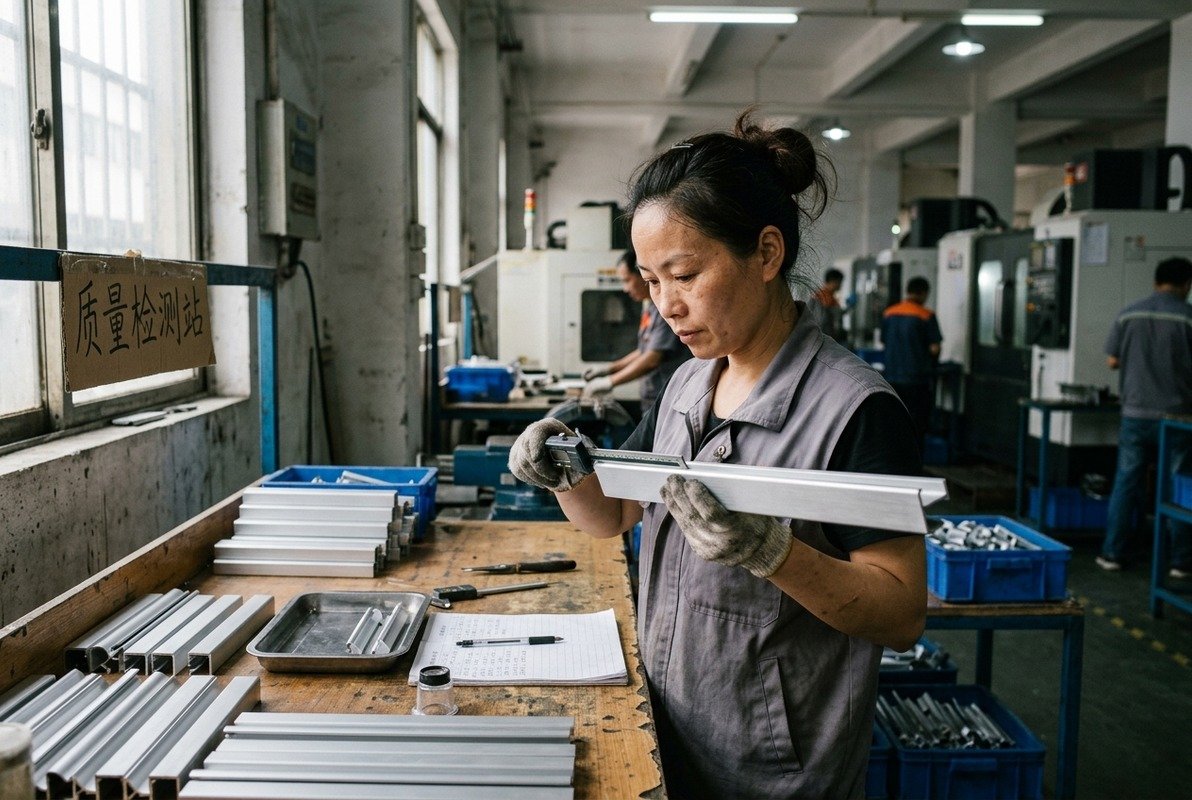
Finding the right aluminum furniture handle manufacturers in China can feel overwhelming when over 999 verified suppliers compete for your attention on major sourcing platforms 1.
The top 10 aluminum furniture handle manufacturers in China for 2026 include Ghonor, Temax, Meilv Hardware, KRC, Mebel-alu, and other leading suppliers verified on Alibaba and Made-in-China, selected for their OEM capabilities, strict quality control, CNC precision, and global export experience in cabinet handles China buyers trust.
This guide breaks down each manufacturer, compares their strengths, and gives you a practical checklist so you can pick the right partner without wasting time or money.
How do I choose the best aluminum handle manufacturer for my 2026 project requirements?
Last year, a project director in Singapore reached out because his previous supplier had missed two delivery windows in a row — and his client was threatening penalties OEM and ODM services 2. That conversation reminded me how much rides on choosing the right furniture hardware suppliers from the start.
Choose the best aluminum handle manufacturer by evaluating factory capacity, quality certifications like ISO 9001, OEM/ODM flexibility, delivery reliability, and after-sales support — then verify everything with samples and a factory audit before placing a bulk order for drawer pulls China sourcing demands.

Selecting a manufacturer is not just about price. It is about whether they can deliver consistent quality, on time, at the scale your project needs PVD (Physical Vapor Deposition) 3. Here is how I break down the decision process.
Start With Your Project Scope
Before you contact any supplier, define what you need Ergonomic and accessible design 4. How many pieces? What finish — anodized aluminum handles 5, brushed, or powder-coated? What profile dimensions? Do you need custom aluminum profiles or standard catalog items? Write these down first. Suppliers respond faster and more accurately when your requirements are clear.
Evaluate Factory Capabilities
Not every factory can handle every order. Some specialize in kitchen cabinet hardware for residential projects. Others focus on commercial-grade wardrobe handles or architectural applications. Ask about their CNC machining capacity, extrusion lines, and annual output. A factory with multi-line operations can scale with you.
Key Selection Criteria at a Glance
| Criteria | Why It Matters | What to Ask |
|---|---|---|
| Factory Size & Output | Determines if they can meet your volume | Annual capacity in units or tons |
| Certifications (ISO 9001 6, etc.) | Proves quality management systems exist | Request certificate copies |
| OEM/ODM Experience | Shows they can handle custom designs | Ask for past OEM project examples |
| Delivery Track Record | Directly impacts your project timeline | Request references from past buyers |
| After-Sales Support | Covers defects, returns, and replacements | Ask about warranty and return policy |
| Finish Options | Ensures aesthetic match for your project | Request finish sample cards |
Cross-Check on Multiple Platforms
I always recommend checking a manufacturer on both Alibaba and Made-in-China. Compare their listed products, verified badges, and transaction history. Then go to their own website. If the information is consistent and detailed, that is a good sign. If the website looks abandoned, move on.
Request Samples Before Committing
Never skip this step. Order samples of the exact aluminium alloy handles you plan to buy. Check the surface finish under good light. Test the mounting holes. Measure tolerances. A $50 sample order can save you $50,000 in returns.
Verify With a Factory Visit or Third-Party Audit
If the order is large enough, arrange a factory visit. If you cannot travel, hire a third-party inspection company. They will check the production floor, raw material storage, and QC stations. This is standard practice for EPC project managers sourcing from China.
Can I get custom OEM designs and specific finishes from these top Chinese suppliers?
One trade-off we constantly weigh in hardware sourcing is speed versus customization. A buyer once needed a unique brushed-bronze cabinet door pull with a 192 mm hole spacing — not a standard catalog item. That project taught me exactly how China's top aluminum handle factories handle bespoke requests.
Yes, leading Chinese aluminum furniture handle manufacturers offer full OEM and ODM services, including custom lengths, unique cross-section profiles, and specialized finishes like anodized, powder-coated, brushed, or wood-grain aluminum handle finishes — typically with MOQs starting from 500 to 2,000 pieces.
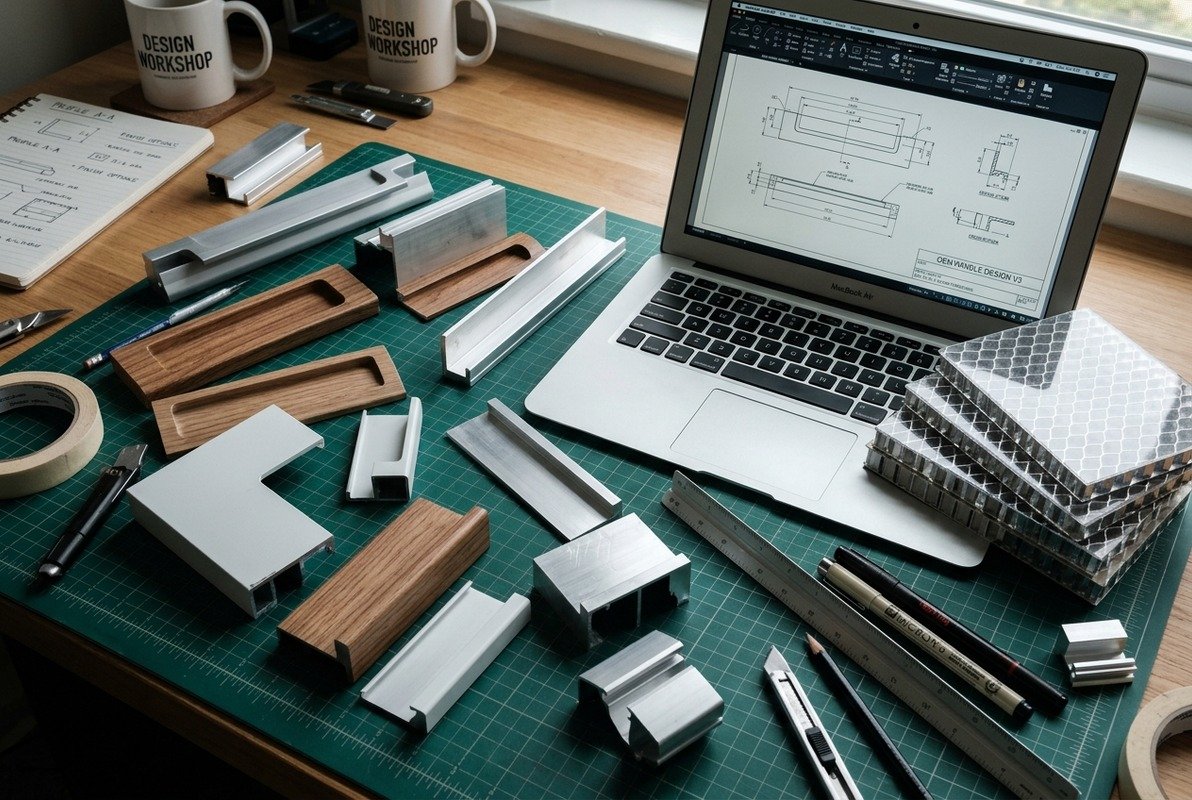
Customization is one of the biggest reasons global buyers source from China. The ecosystem of aluminum extrusion 7, CNC machining, and surface treatment facilities is unmatched. Here is what you need to know about each top manufacturer's OEM capabilities for 2026.
Top 10 Manufacturer Profiles and OEM Capabilities
| Rank | Manufacturer | Location | Key Strength | OEM/ODM | Notable Finish Options |
|---|---|---|---|---|---|
| 1 | Ghonor | Foshan, Guangdong | Luxury cabinet handles, 2 factories (China + Vietnam) | Full OEM/ODM | Anodized, brushed, matte black |
| 2 | Temax | Guangdong | Strict QC from raw material to packaging | Full OEM/ODM | Powder-coated, chrome, satin nickel |
| 3 | Meilv Hardware | Guangdong | Broad product range, reliable delivery | OEM supported | Anodized, electroplated, wood grain |
| 4 | KRC | Guangdong | CNC precision aluminum cabinet handles | OEM/ODM | Brushed, sandblasted, anodized |
| 5 | Mebel-alu | Guangdong | Aluminum glass door handles, precision design | OEM supported | Matte silver, champagne, black |
| 6 | Goldenwarm | Zhejiang | Modern minimalist drawer pulls | OEM supported | Brushed gold, brushed brass, black |
| 7 | Junfa Hardware | Foshan | High-volume kitchen cabinet hardware | Full OEM/ODM | Anodized, spray-painted, PVD |
| 8 | Aoyi Hardware | Guangdong | Budget-friendly wardrobe handles | OEM supported | Chrome, nickel, matte finishes |
| 9 | Liangyi Aluminum | Foshan | Custom aluminum profiles, extrusion specialist | Full OEM/ODM | Raw mill, anodized, PVDF coated |
| 10 | Hongjia Hardware | Zhejiang | Export-focused, fast delivery | OEM supported | Powder-coated, anodized, brushed |
What Finishes Are Available?
Aluminum handle finishes have expanded far beyond basic silver. In 2026, the most requested options include:
- Anodized aluminum handles: Durable, corrosion-resistant, available in dozens of colors.
- Powder-coated: Thick, even coating with excellent scratch resistance. Ideal for kitchen cabinet hardware.
- Brushed or satin: A subtle, modern texture that hides fingerprints.
- Wood-grain transfer: Aluminum panels printed with realistic wood grain patterns — increasingly popular in residential furniture.
- PVD (Physical Vapor Deposition): High-end finish for luxury cabinet door pulls.
The Custom Design Process
Most top factories follow a similar workflow for OEM handle manufacturing:
- Buyer submits drawings or samples — 2D/3D CAD files preferred.
- Factory reviews feasibility — engineers check extrusion die compatibility and surface treatment options.
- Quotation and MOQ confirmation — typically 500–2,000 pieces for custom runs.
- Mold or die creation — takes 7–15 days for a new extrusion die.
- Sample production — buyer approves before mass production.
- Mass production and QC — in-process and final inspection.
- Packing and shipment — custom packaging available.
This process generally takes 25–45 days from confirmed order to shipment. Factories like Ghonor, with operations in both China and Vietnam, can sometimes shorten this by running parallel production lines.
Honeycomb and Composite Panel Integration
Some manufacturers now offer aluminum handles designed to integrate with honeycomb composite panels — those sandwich-construction panels with a metallic hexagonal core between decorative surfaces. This is common in high-end cabinetry and commercial furniture where lightweight strength matters. If your project uses such panels, confirm that the handle supplier can match the panel thickness and mounting method.
How do I ensure strict quality control and avoid delays with my handle order?
A lesson I learned early in cross-border hardware sourcing: the order confirmation is not the finish line — it is the starting line. The real work begins when production starts, because that is when quality issues and schedule slips can quietly snowball. I have seen procurement managers lose weeks because they assumed the factory would self-police.
Ensure strict quality control by defining inspection checkpoints at raw material intake, in-process production, and final packaging stages; use third-party inspectors for large orders; and lock in a production schedule with penalty clauses to prevent delivery delays on your aluminum handle order.
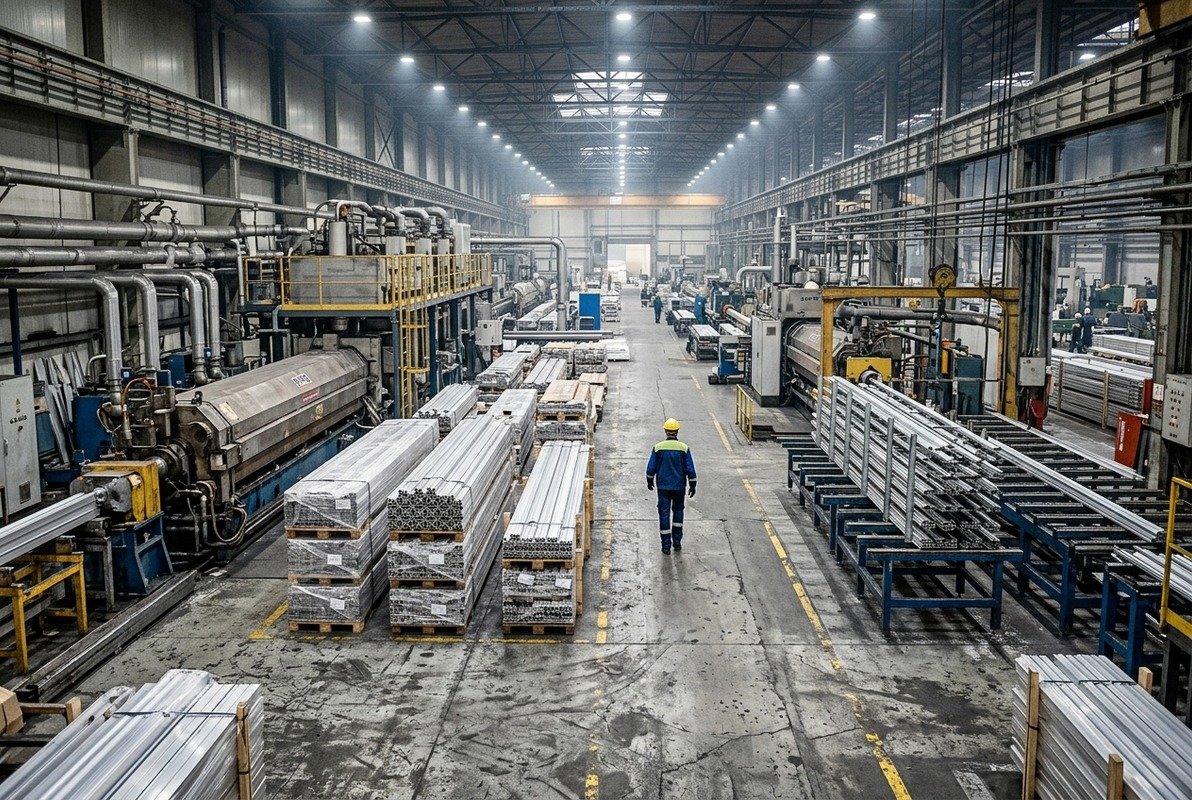
Quality control and on-time delivery are the two pain points I hear about most from project contractors and EPC managers. Let me walk through a practical QC framework.
The Three-Stage Inspection Model
Temax, one of the top-ranked manufacturers, is known for controlling quality at every stage — from raw materials to finished packaging. This three-stage model is industry best practice:
Stage 1: Raw Material Inspection. Check the aluminum alloy grade (6063-T5 8 is standard for furniture handles), surface condition of billets, and supplier certificates. Substandard alloy leads to brittle handles that crack during anodizing.
Stage 2: In-Process Inspection. Monitor extrusion tolerances, CNC machining accuracy, and surface treatment adhesion. Spot checks during production catch problems before they multiply across thousands of units.
Stage 3: Final Inspection and Packing. Verify dimensions, finish consistency, color matching, and packaging integrity. For anodized aluminum handles, use a color spectrophotometer to confirm batch-to-batch consistency.
Common Quality Defects to Watch For
| Defect Type | Cause | How to Prevent |
|---|---|---|
| Surface scratches | Poor handling during packing | Require protective film on each handle |
| Color variation | Inconsistent anodizing bath chemistry | Demand batch color samples before shipment |
| Dimensional deviation | Worn extrusion die or CNC tool | Set tolerance limits in purchase order (±0.1 mm) |
| Mounting hole misalignment | Programming error in CNC | Verify first-article inspection report |
| Packaging damage | Weak cartons, no inner dividers | Specify packaging standards in contract |
How to Prevent Delivery Delays
Delays often come from three sources: raw material shortages, production bottlenecks, and shipping logistics. Here is what works:
- Confirm lead time in writing before placing the order. Get a production schedule with milestones.
- Pay the deposit promptly. Factories schedule production based on deposit receipt, not order confirmation.
- Monitor production progress weekly. Ask for photos or short video updates. Factories that resist transparency are a red flag.
- Book freight early, especially during peak season (August–October). Container availability can add 1–2 weeks if you wait.
After-Sales Guarantees Matter
A manufacturer with strong after-sales support will replace defective units, share root-cause analysis reports, and adjust future production accordingly. This is what separates a reliable wholesale partner from a one-time vendor. Good quality, stable supply, fast delivery, and after-sales guarantees — these four factors define a trustworthy supplier.
What should I look for in a reliable wholesale partner for aluminum furniture hardware?
During a recent conversation with a procurement manager handling water treatment plant cabinetry, he mentioned something that stuck with me: "I don't need the cheapest supplier. I need the one who picks up the phone when something goes wrong." That sums up what reliability really means in this industry.
Look for a reliable wholesale partner that offers verified factory credentials, transparent pricing, flexible MOQs, consistent aluminium alloy handles quality, responsive communication, and proven export experience to your target market — these traits matter more than the lowest unit price.
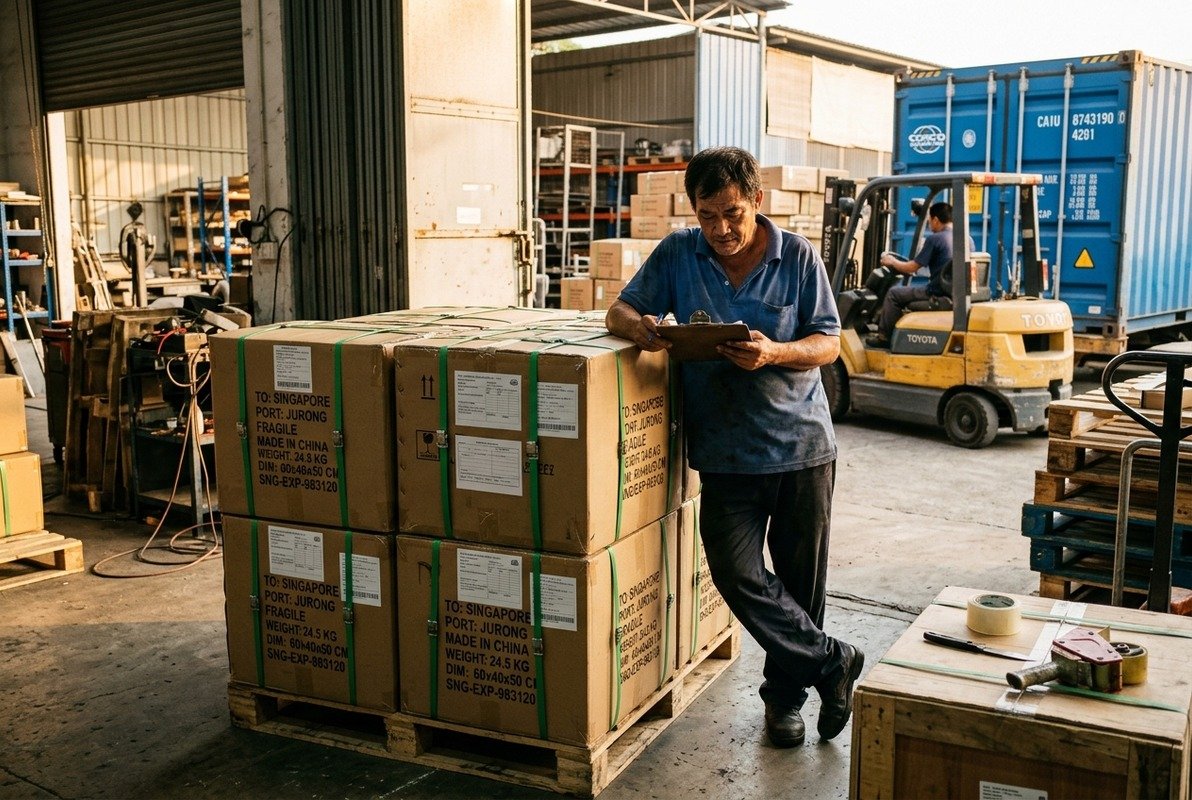
Finding a wholesale partner for aluminum furniture hardware is different from placing a one-time order. You are building a supply chain relationship. Here is what to prioritize.
The Reliability Checklist
Think of partner evaluation as a scoring exercise. I use a simple weighted checklist when comparing furniture hardware suppliers:
- Communication speed. Do they reply within 24 hours? Do they use WhatsApp, email, or both?
- Technical competence. Can they read your CAD files? Do they suggest improvements to your design?
- Production transparency. Will they share factory tour videos or allow third-party audits?
- Export documentation. Can they provide commercial invoices, packing lists, certificates of origin, and fumigation certificates without being asked twice?
- Scalability. If your first order is 2,000 pieces and the next is 20,000, can they handle the jump?
Platform Suppliers vs. Specialized Manufacturers
| Factor | Platform Suppliers (Alibaba, Made-in-China) | Specialized Manufacturers (Ghonor, Temax, KRC) |
|---|---|---|
| Product breadth | Very wide — thousands of SKUs | Focused on aluminum handles and hardware |
| Quality consistency | Variable — must verify each supplier | Generally higher — dedicated QC teams |
| Customization depth | Basic OEM, limited ODM | Full OEM/ODM with engineering support |
| Pricing | Competitive, sometimes too cheap | Mid-range, reflects quality investment |
| Communication | May use trading company intermediaries | Direct factory contact, faster decisions |
| Best for | Small trial orders, price shopping | Long-term partnerships, project-based orders |
Both channels have value. For initial research and price benchmarking, platforms are useful. For ongoing supply of cabinet handles China projects need, a direct relationship with a specialized factory gives you more control.
Emerging Trends to Discuss With Your Partner
The 2026 market is shifting. When you evaluate potential partners, ask about these developments:
- Recycled aluminum. Sustainability is becoming a buyer requirement. Leading manufacturers now highlight the use of recycled aluminum 9 in their extrusion feedstock.
- Smart handle features. Touch sensors, subtle LED lighting, and even basic IoT connectivity are entering the high-end segment. Factories investing in R&D for these features signal forward-thinking capability.
- AI-driven design. Some manufacturers use generative design tools to optimize handle profiles for material savings and ergonomic grip. This accelerates prototyping and reduces waste.
- Ergonomic and accessible design. Handles designed for universal accessibility — easier to grip for elderly users or those with limited hand mobility — are gaining traction in commercial and healthcare furniture.
Glass Door Handle Integration
For projects involving compact appliance cabinetry — wine coolers, display cases, or medical equipment enclosures — you may need aluminum handles integrated into glass door assemblies. Confirm that your supplier can provide handles compatible with tempered glass mounting. This requires precise hole placement and specialized hardware. Manufacturers like Mebel-alu, known for aluminum glass door handles, are strong choices for this niche.
Competitive Pricing Without Sacrificing Quality
China's aluminum furniture handle market is price-competitive. But the cheapest option is rarely the most cost-effective. A handle that costs $0.05 less but fails in the field costs you far more in replacements, lost time, and damaged reputation. Mid-range products from verified manufacturers deliver the best long-term value for project contractors and wholesalers alike.
Conclusion
Choosing among China's top aluminum furniture handle manufacturers in 2026 comes down to verified quality, OEM flexibility, delivery reliability, and genuine after-sales support — not just price.
Footnotes
1. Provides an overview of top B2B sourcing platforms in China. ↩︎
2. Explains the fundamental differences between OEM and ODM in manufacturing. ↩︎
3. Explains the PVD coating process, its types, and applications. ↩︎
4. Explains universal design principles, including ergonomics and accessibility, for inclusive products. ↩︎
5. Details the process, benefits, and types of anodized aluminum surfaces. ↩︎
6. Official ISO page explaining the ISO 9001 quality management standard. ↩︎
7. Describes the aluminum extrusion process and its role in shaping aluminum. ↩︎
8. Provides properties, applications, and characteristics of 6063-T5 aluminum alloy. ↩︎
9. Highlights the significant environmental benefits and energy savings of recycling aluminum. ↩︎