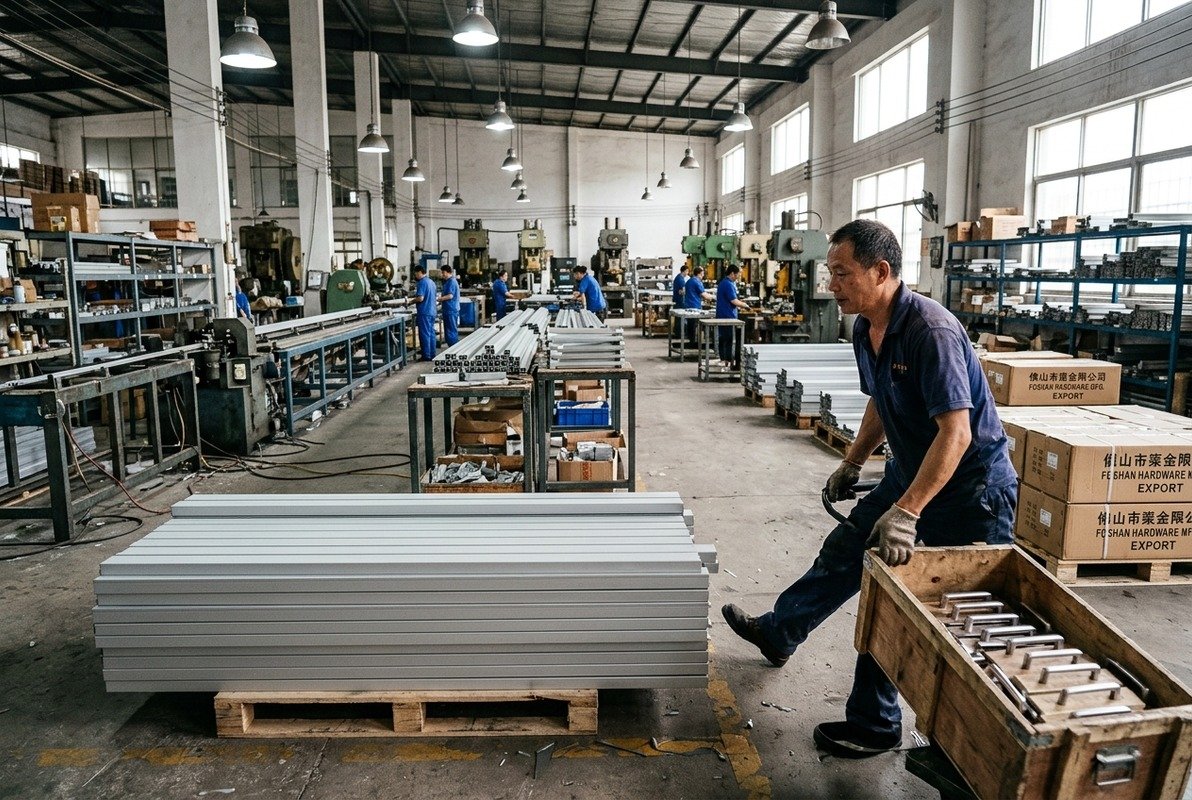
Finding reliable aluminum furniture handle manufacturers in China can feel overwhelming when over 999 suppliers flood every B2B platform you check.
The top aluminum furniture handle manufacturers in China for 2026 include Ghonor, TEMAX, Meilv Hardware, KRC®, and Mebel-alu, all verified for OEM/ODM capability, strict quality control, fast delivery, and global export experience from key production hubs like Foshan and Wenzhou.
I have spent years sourcing and evaluating hardware suppliers across Guangdong and Zhejiang for industrial and commercial projects ISO 9001 certification 1. The lessons I have learned about vetting manufacturers apply directly to anyone buying cabinet handles, drawer pulls, or any furniture hardware from China. Below, I break down exactly how to identify the best partners, customize designs, ensure quality, and lock in delivery timelines.
How do I identify the most reliable aluminum furniture handle manufacturer for my project?
A buyer from Singapore once asked me to recommend a handle supplier after two failed orders with unverified factories — that conversation taught me verification is everything RoHS compliance 2.
Identify reliable aluminum furniture handle manufacturers by checking verified supplier status on Alibaba or Made-in-China, requesting factory audit reports, confirming ISO 9001 certification, reviewing production capacity, and validating export history to your target market before placing any order.

Why Verification Matters More Than Price
The Chinese aluminum handle market has over 999 listed manufacturers on Alibaba alone PVD coating 3. That number sounds impressive, but it also means the market is crowded with traders posing as factories. I have seen procurement managers waste months chasing low quotes only to discover the "manufacturer" was a middleman with no quality control.
Start with platform verification. Gold Supplier status on Alibaba and verified manufacturer badges on Made-in-China are baseline filters. They do not guarantee excellence, but they eliminate the worst actors. Next, request a third-party factory audit. factory audit reports 4 Companies like SGS or Bureau Veritas can inspect the facility before you commit.
Key Criteria for Evaluation
Here is a practical checklist I use when evaluating any hardware supplier:
| Criteria | What to Check | Red Flag |
|---|---|---|
| Factory ownership | Business license, factory photos, video tour | Refuses to show production floor |
| Certifications | ISO 9001, CE marking 5, RoHS compliance | No certifications or vague claims |
| Export experience | Shipping records, container photos, market list | Only domestic sales history |
| Production capacity | Monthly output in units, number of CNC machines | Cannot specify capacity numbers |
| Sample quality | Surface finish, dimensional accuracy, packaging | Samples differ from bulk production |
| Communication | Response time, English fluency, technical knowledge | Slow replies, evasive answers |
Top Manufacturers Worth Investigating in 2026
Based on verified online presence and production capabilities, these manufacturers stand out:
- Ghonor — Operates two factories in Foshan, China and Cam Giang, Vietnam. Specializes in luxury cabinet handles with wholesale pricing. Their dual-factory setup reflects a smart supply chain diversification strategy.
- TEMAX — One of the most professional handle manufacturers in China. Known for strict quality control across raw materials, CNC processes, and packaging.
- Meilv Hardware — Listed as a Gold Supplier. Reliable for consistent supply and mid-range pricing on custom aluminum handles.
- KRC® Furniture Handle Supplier — Focuses on extruded aluminum profiles and CNC-machined handles. Strong in precision manufacturing for modern cabinet hardware.
- Mebel-alu — A top brand for aluminum glass door handles. Excellent for projects involving sleek glass door applications.
For a broader perspective on how these companies compare against international competitors, see our guide to the top 10 aluminum furniture handle manufacturers in the world.
Regional Strengths
Geography matters. Foshan and Zhongshan in Guangdong dominate aluminum handle production because of concentrated supply chains, skilled labor, and proximity to raw material suppliers. Wenzhou in Zhejiang is another hub, especially for zinc alloy and aluminum hybrid products. When I source components for projects in Southeast Asia, I prefer Guangdong suppliers because port access cuts shipping time by days.
Can I customize my handle designs to meet specific OEM requirements?
One of the most common questions I hear from project contractors is whether a Chinese supplier can actually deliver bespoke designs — not just catalog items with a logo stamped on.
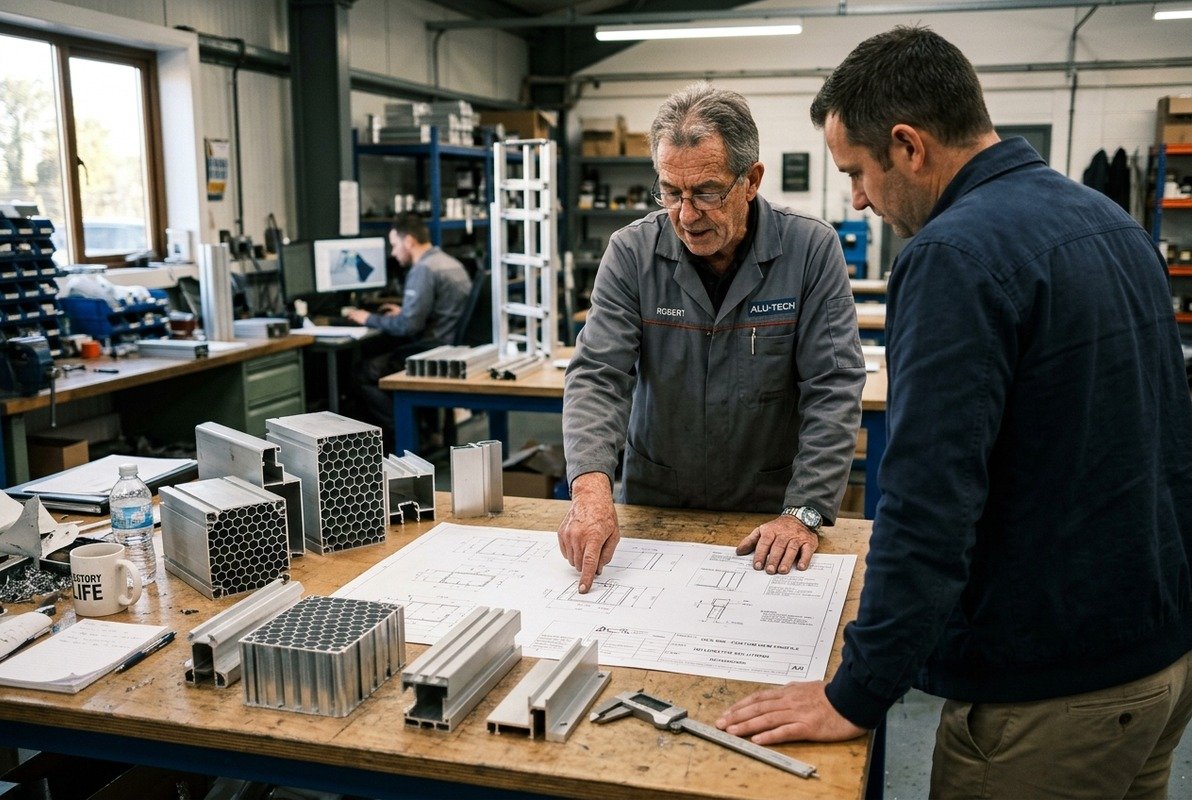
Yes, most leading Chinese aluminum handle manufacturers offer full OEM/ODM customization, including unique shapes, custom lengths, bespoke anodized finish colors, specific mounting configurations, and branded packaging, typically requiring a minimum order quantity and a 15–30 day sampling period.
What OEM/ODM Really Means in Practice
OEM means the factory produces your design under your brand. ODM means the factory designs the product and you brand it. In the aluminum handle industry, most buyers want something in between — they modify an existing extruded aluminum profile to fit their specific cabinet or drawer pull dimensions, then choose a unique finish.
Here is what a typical customization process looks like:
Step-by-Step Customization Workflow
- Design submission — You provide CAD drawings, sketches, or reference photos. Include exact dimensions, hole spacing, and mounting style.
- Material selection — Choose between 6063-T5 aluminum 6 (most common for furniture hardware), 6061 for heavier-duty applications, or aluminum-zinc alloy hybrids.
- Surface treatment — Options include anodized finish 7 (matte or glossy), powder coating, PVD coating, brushed nickel, chrome plating, or anti-microbial finishes.
- Prototype production — The factory makes 3–5 samples. Expect 15–30 days for CNC-machined prototypes.
- Approval and bulk production — After you approve samples, bulk production begins. Lead time depends on quantity.
Customization Options Comparison
| Feature | Standard Catalog Handle | Full OEM Custom Handle |
|---|---|---|
| Shape/Design | Fixed designs only | Any shape per your CAD file |
| Length options | 96mm, 128mm, 160mm, 192mm | Any length to specification |
| Finish | 3–5 standard colors | Unlimited RAL or Pantone colors |
| Logo/Branding | None or generic | Laser engraved or embossed |
| Packaging | Bulk poly bag | Custom branded box or blister pack |
| MOQ | 100–500 pcs | 500–2,000 pcs typical |
| Sample lead time | 3–5 days | 15–30 days |
Real-World Customization Scenarios
From my experience working with project directors who resell to construction and infrastructure projects, customization is not a luxury — it is a requirement. Kitchen cabinet hardware for a hotel chain in Southeast Asia will have different specifications than drawer pulls for residential furniture in South America. The handle length, the screw spacing, the finish — everything must match the project specification sheet.
Manufacturers like TEMAX and KRC® have invested heavily in CNC precision machining, which means they can handle complex geometries that simpler factories cannot. Ghonor's dual-factory setup in China and Vietnam also gives them flexibility to run custom orders on separate production lines without disrupting standard wholesale furniture handles production.
Smart furniture integration is another emerging customization trend for 2026. Some manufacturers now offer handles with embedded LED lighting or touch-sensitive surfaces. These require more advanced tooling, so confirm the factory's capability before committing.
What quality control standards should I expect to ensure my handles are durable?
I learned the hard way that skipping quality inspection on hardware components can derail an entire project timeline — a lesson that cost weeks of rework on a cable management installation.
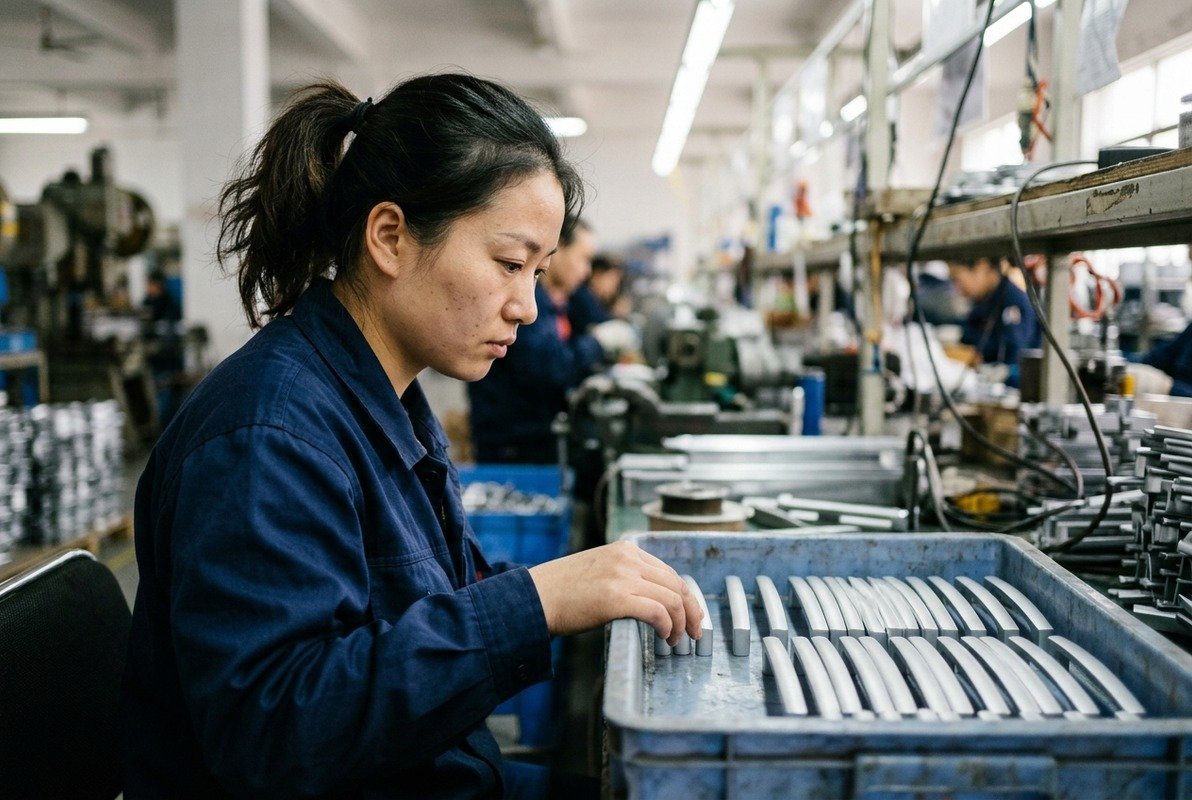
Expect manufacturers to follow ISO 9001 quality management, conduct raw material inspections, perform CNC dimensional checks, apply salt spray testing for corrosion resistance, and execute final packaging audits before shipment to ensure every aluminum handle meets international durability standards.
Why Quality Control Cannot Be Optional
Aluminum furniture handles seem simple. But a handle that fails — one that corrodes, loosens, or snaps — damages your reputation with the end client. In my work supplying cable trays and hardware to EPC projects, I have seen how a single batch of defective components can trigger product returns and delay project completion by weeks.
The best manufacturers build quality into every stage, not just the final inspection.
Quality Control Stages Explained
Raw material inspection is the first gate. Good factories test incoming aluminum billets for alloy composition and hardness. The 6063-T5 alloy is standard for most cabinet handles and drawer pulls because it extrudes cleanly and accepts anodized finishes well.
CNC machining tolerance is the second gate. Precision matters for screw holes and mounting dimensions. A tolerance of ±0.1mm is standard for furniture hardware. Anything looser, and the handle wobbles on installation.
Surface treatment quality is the third gate. Whether the finish is anodized, powder coated, or PVD treated, it must pass adhesion tests (cross-cut tape test) and salt spray testing 8. Salt spray testing simulates years of exposure to moisture. A good aluminum handle should withstand 48–72 hours minimum without visible corrosion.
Packaging inspection is the final gate. Handles must be individually wrapped or separated to prevent scratching during transit. I always ask for photos of packed cartons before shipment.
Quality Standards Quick Reference
| Test / Standard | Purpose | Acceptable Result |
|---|---|---|
| Alloy composition (XRF) | Verify 6063-T5 aluminum | Matches spec sheet ±2% |
| Dimensional check (calipers/CMM) | Confirm CNC accuracy | ±0.1mm tolerance |
| Salt spray test (ASTM B117) | Corrosion resistance | 48–72 hours, no white rust |
| Cross-cut adhesion (ASTM D3359) | Finish adhesion | Class 4B or 5B rating |
| Load test | Structural strength | Withstand 30kg pull force |
| Visual inspection | Surface defects | No scratches, pits, or uneven color |
How to Enforce Quality Remotely
If you cannot visit the factory, hire a third-party inspection company. Pre-shipment inspection (PSI) is the most common type. The inspector checks a random sample from finished goods against your approved sample and specification sheet.
I also recommend requesting a quality control report with photos for every shipment. TEMAX, for example, emphasizes strict quality control across every production step — from raw material to final packaging. This kind of end-to-end discipline is what separates top-tier manufacturers from the rest.
For projects requiring eco-friendly products, confirm whether the factory uses recycled aluminum and low-VOC coatings. Sustainable practices are no longer optional for many international buyers, especially those supplying to European markets with strict environmental regulations. If you are also evaluating aluminum furniture handle suppliers in China beyond just manufacturers, our dedicated supplier guide covers additional vetting criteria.
How can I guarantee on-time delivery for my furniture hardware orders from China?
Late deliveries have caused me more headaches than quality issues — when a project contractor in Africa is waiting for materials, every day of delay costs real money.
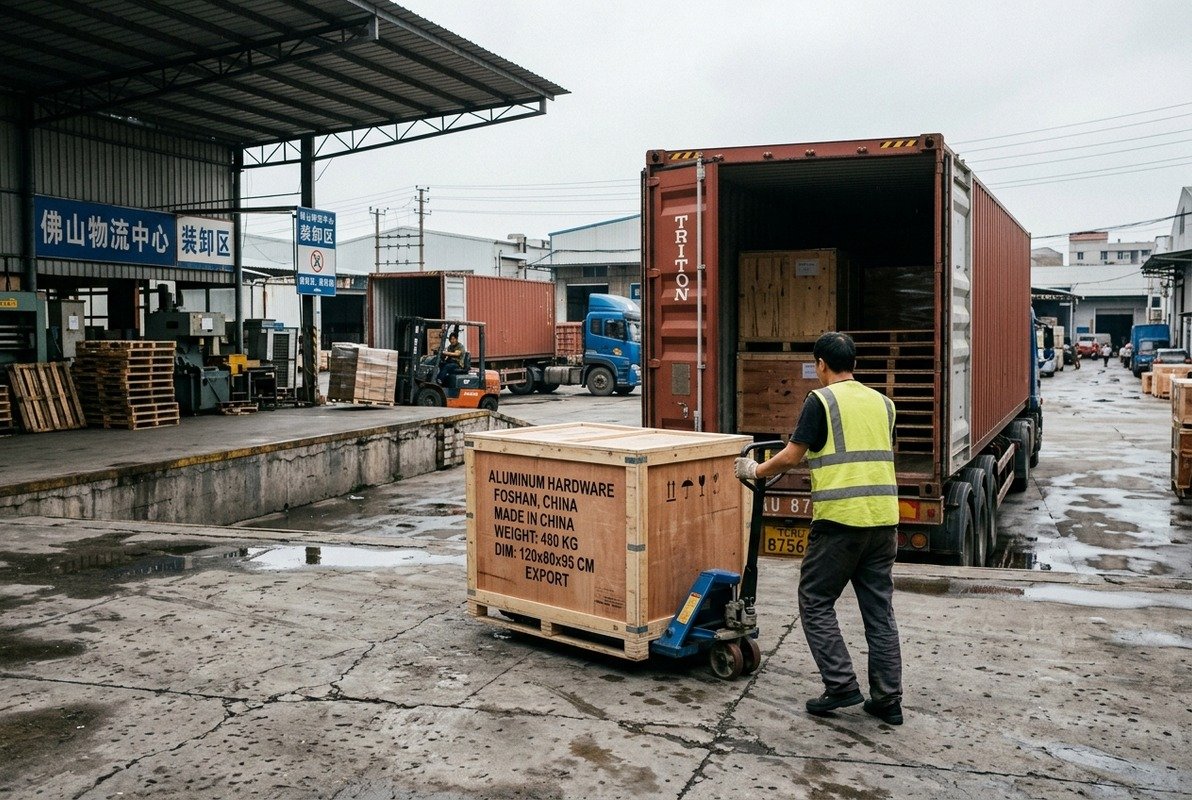
Guarantee on-time delivery by confirming the manufacturer's production capacity, agreeing on a detailed production schedule with milestones, requesting weekly progress updates with photos, specifying penalties for delays in your contract, and choosing manufacturers with proven export logistics experience.
Why Delivery Delays Happen
Most delivery delays in China trace back to three root causes: underestimated production time, raw material shortages, and logistics bottlenecks. During peak seasons — typically September through December — factories run at full capacity. If your order is not confirmed early, it gets queued behind larger clients.
Raw material supply can also fluctuate. Aluminum prices and availability shift with global commodity markets. A sudden spike in demand can leave smaller factories scrambling for billets, pushing your order back by weeks.
Practical Steps to Secure Your Timeline
Step 1: Lock in lead time before ordering. Get the factory to commit to a specific production start date and completion date in writing. I always include these dates in the purchase order, not just in a WeChat message.
Step 2: Request a production schedule. A good manufacturer will break the timeline into stages — material procurement, extrusion, CNC machining, surface treatment, packaging, and shipping. Each stage should have a target date.
Step 3: Ask for weekly updates. Photos or short videos of work in progress keep both sides accountable. Ghonor's dual-factory model in China and Vietnam can be an advantage here — if one facility hits a bottleneck, production can shift to the other.
Step 4: Plan for shipping logistics early. Book your container or freight forwarder before production finishes. Sea freight from Foshan to Singapore takes roughly 5–7 days. To Southeast Africa, expect 25–35 days. Air freight cuts time but multiplies cost.
Step 5: Build buffer time. I always add 7–10 days of buffer to my project timeline. This accounts for unexpected customs delays or factory schedule shifts.
Delivery Performance Factors
| Factor | Impact on Delivery | How to Mitigate |
|---|---|---|
| Factory capacity | Overbooked = your order delayed | Confirm current workload before ordering |
| Raw material supply | Aluminum shortage = production stall | Choose factories with stable supplier relationships |
| Holiday periods | Chinese New Year, National Day closures | Order 30–45 days before major holidays |
| Shipping method | Sea (slow, cheap) vs. Air (fast, expensive) | Match method to project urgency |
| Customs clearance | Documentation errors = port delays | Verify HS codes 9 and paperwork with forwarder |
| Payment terms | Late payment = factory halts production | Pay deposit on time per contract |
Supply Chain Diversification in 2026
One notable trend is manufacturers expanding beyond mainland China. Ghonor's Vietnam factory is a prime example. This dual-origin capability helps mitigate geopolitical risks and tariff impacts for buyers in markets sensitive to China-origin products. If your project requires "non-China" sourcing for compliance reasons, ask whether the manufacturer has alternative production sites.
For wholesale furniture handles orders, I recommend splitting large orders into two shipments. The first shipment covers your immediate need. The second ships 30 days later. This reduces warehouse pressure on your end and gives the factory flexibility to manage production smoothly.
Conclusion
Choosing the right aluminum furniture handle manufacturer in China comes down to four pillars: verified reliability, real customization capability, strict quality control, and proven delivery performance.
Footnotes
1. Official ISO page explaining the ISO 9001 standard for quality management systems. ↩︎
2. Nemko provides a comprehensive guide to the RoHS directive, restricting hazardous substances in electronics. ↩︎
3. Replaced HTTP 404 with a Wikipedia article on Physical Vapor Deposition, an authoritative and comprehensive source. ↩︎
4. Replaced HTTP 403 with a comprehensive guide to factory audits from a reputable inspection company. ↩︎
5. Official European Commission page detailing the CE marking requirements for products in the EEA. ↩︎
6. Explains the properties, advantages, and common applications of 6063-T5 aluminum alloy. ↩︎
7. The Aluminum Anodizers Council explains the electrochemical process of anodizing aluminum. ↩︎
8. Q-Lab details ASTM B117, a widely used standard for assessing corrosion resistance via salt spray testing. ↩︎
9. Official World Customs Organization page explaining the Harmonized System (HS) for product classification. ↩︎