
Every week on our production floor in Foshan, we see orders stall or disputes flare up because a buyer trusted a verbal promise instead of a written contract aluminum alloy grade 1. formal purchase contract 2
To protect your rights when sourcing aluminum furniture handles, sign a formal purchase contract that locks down exact product specifications, quality standards, delivery timelines, inspection rights, payment milestones, intellectual property ownership, and clear remedies for non-conforming goods—before production ever begins.
This guide walks you through the must-have clauses, shows you what to attach, and explains how to sign the contract the right way Intellectual Property Ownership 3. Each section below tackles a specific risk area so you can build a contract that truly defends your business.
What specific quality standards should I include in my contract to ensure the aluminum handles match my approved samples?
When we ship over 300 tons of aluminum handles each year, the single biggest source of complaints is not price—it is mismatch between what the buyer expected and what arrived at their warehouse.
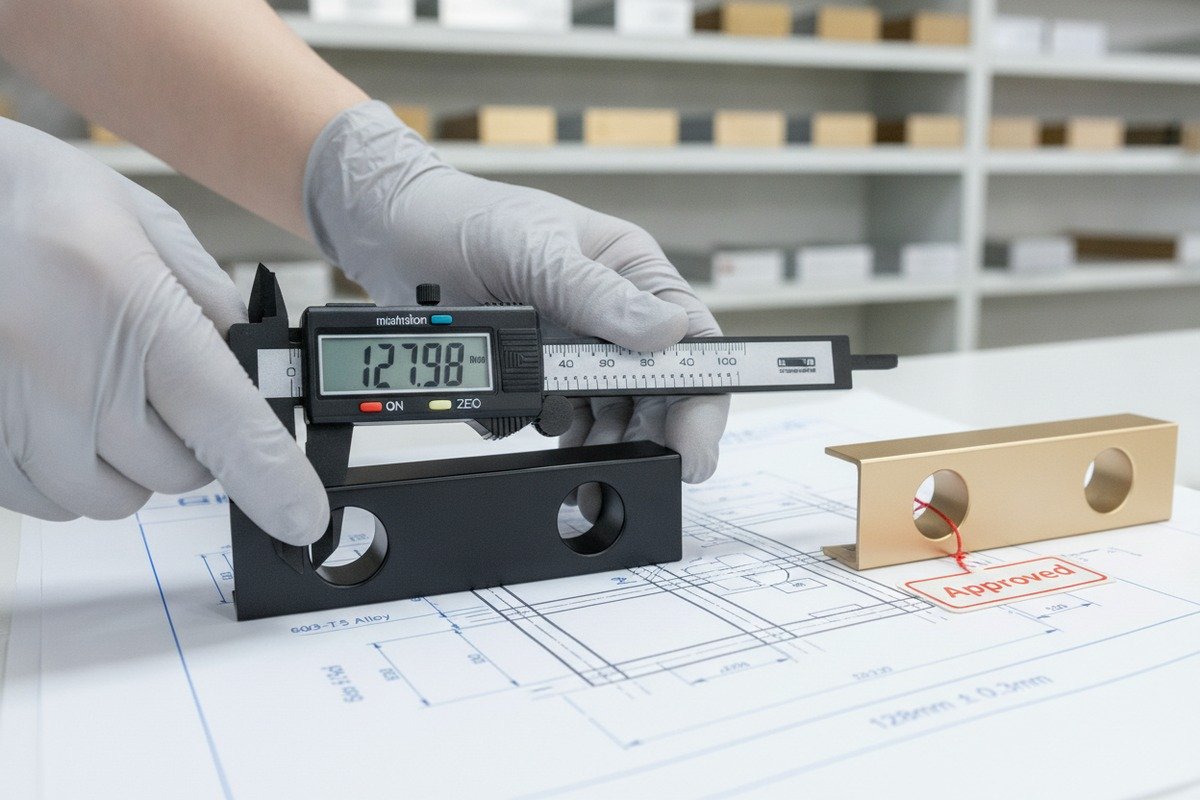
Your contract should specify the exact aluminum alloy grade, surface finish type, color code, dimensional tolerances, hole spacing, weight per piece, and a signed reference sample. These measurable standards let you reject goods objectively if they fail to match your approved sample.
Why Vague Descriptions Cause Expensive Disputes
A line that says "aluminum handle, champagne gold, 128 mm" is not a specification. It is a wish. Without hard numbers, the supplier can argue that any champagne-toned handle meets the deal. In our experience fulfilling OEM orders for furniture factories across Vietnam and the Middle East, we have learned that every measurable attribute needs its own row in a specification sheet attached to the contract. If you cannot measure it, you cannot enforce it.
What to Put in Your Specification Sheet
Your specification sheet should be a standalone attachment referenced by the main contract. Here is a practical template:
| Specification Item | Example Value | Why It Matters |
|---|---|---|
| Alloy Grade | 6063-T5 Aluminum 4 | Controls strength, machinability, and corrosion resistance |
| Surface Treatment | Anodized, matte finish | Prevents disputes over gloss or texture |
| Color Code | Champagne Gold, RAL or Pantone ref | Eliminates subjective color arguments |
| Handle Length | 192 mm ± 0.5 mm | Ensures fit in pre-drilled furniture panels |
| Hole Spacing (C-C) | 128 mm ± 0.3 mm | Critical for mounting accuracy |
| Profile Depth | 18 mm ± 0.3 mm | Affects ergonomics and finger grip |
| Weight per Piece | 85 g ± 5 g | Indicates material consistency |
| Salt Spray Resistance 5 | ≥ 48 hours, no pitting | Proves finish durability |
| Packaging | Individual PE bag, 50 pcs per carton | Prevents scratches in transit |
The Sample Approval Clause
Your contract should state that the supplier must produce a pre-production sample, the buyer must approve it in writing, and one signed sample is retained by each party. This "golden sample" becomes the physical benchmark. If the mass-produced handles deviate from it in color, texture, dimension, or weight beyond the agreed tolerance, you have the contractual right to reject the entire lot.
Warranty Language That Works
Add a clause requiring the supplier to warrant that all delivered goods conform to the approved sample, drawings, and specification sheet. The warranty should cover defects in materials and workmanship for a stated period—typically 12 months from delivery. State the remedy hierarchy clearly: replacement first, then rework, then refund. This removes ambiguity about what happens when something goes wrong.
How can I define delivery timelines and late penalties in my agreement to avoid delays in my furniture production?
Late handles can shut down a furniture assembly line. We know this firsthand because our 48-hour stock shipping and 3–7 day custom turnaround exist precisely to solve this pain point for our clients.
Your contract should state the exact production lead time, shipping method, Incoterm, delivery date, and a per-day or per-week liquidated damages clause for late delivery. Tie these deadlines to your own production schedule so the supplier understands the real cost of delay.

Breaking Down the Delivery Clause
A strong delivery clause has five parts: when production starts, how long it takes, how the goods ship, when they must arrive, and what happens if they do not. Each part should be written in plain language with exact dates or day counts.
Suggested Delivery Terms Table
| Clause Element | Recommended Wording Approach | Practical Tip |
|---|---|---|
| Production Start Date | "Within 3 business days after deposit receipt" | Avoid open-ended starts |
| Production Lead Time | "15 calendar days for standard finishes" | Separate timelines for stock vs. custom |
| Shipping Method | "By sea, FCL, from Foshan to Ho Chi Minh City" | Specify port-to-port or door-to-door |
| Incoterm 6 | FOB Foshan or CIF destination port | Clarifies who bears freight and risk |
| Delivery Deadline | "Goods must arrive at destination by [date]" | Use a calendar date, not just day count |
| Partial Shipment | "Permitted only with buyer's prior written consent" | Prevents surprise split deliveries |
| Late Penalty | "0.5% of order value per calendar week of delay, capped at 10%" | Gives the supplier a financial incentive |
| Termination for Delay | "Buyer may cancel if delay exceeds 30 days" | Protects you from indefinite waiting |
Why Liquidated Damages Matter
A late penalty clause is not about punishment. It is about making the cost of delay visible and shared. Without it, the supplier has little incentive to prioritize your order over a larger customer's. The penalty should be reasonable—courts in many jurisdictions will not enforce a penalty that looks like a punishment rather than a genuine pre-estimate of loss. A rate of 0.5% per week, capped at 5–10% of order value, is a common and defensible range.
Force Majeure: The Exception You Must Still Define
Every delivery clause needs a force majeure 7 carve-out. List specific events—natural disasters, government lockdowns, raw material embargoes—and require the supplier to notify you within a set number of days. State that force majeure suspends performance but does not eliminate it. If the event lasts beyond a threshold, say 60 days, either party should have the right to terminate without penalty.
Practical Advice from Our Export Desk
When we prepare contracts for furniture factory buyers in Vietnam and the UAE, we always recommend including a "weekly progress update" obligation. The supplier must report production status every seven days with photos. This small clause catches delays early, before they cascade into your own production schedule.
What clauses do I need in my purchase contract to protect my custom OEM designs from being copied or sold to others?
Over our 18 years making aluminum profiles and handles, we have seen buyers lose competitive advantage because their supplier sold the same custom design to a rival distributor in the same market.
Your contract must include intellectual property ownership clauses, a confidentiality (NDA) provision, tooling and mold ownership language, and a non-compete restriction preventing the supplier from manufacturing or selling your custom design to third parties without written consent.
The Four Pillars of Design Protection
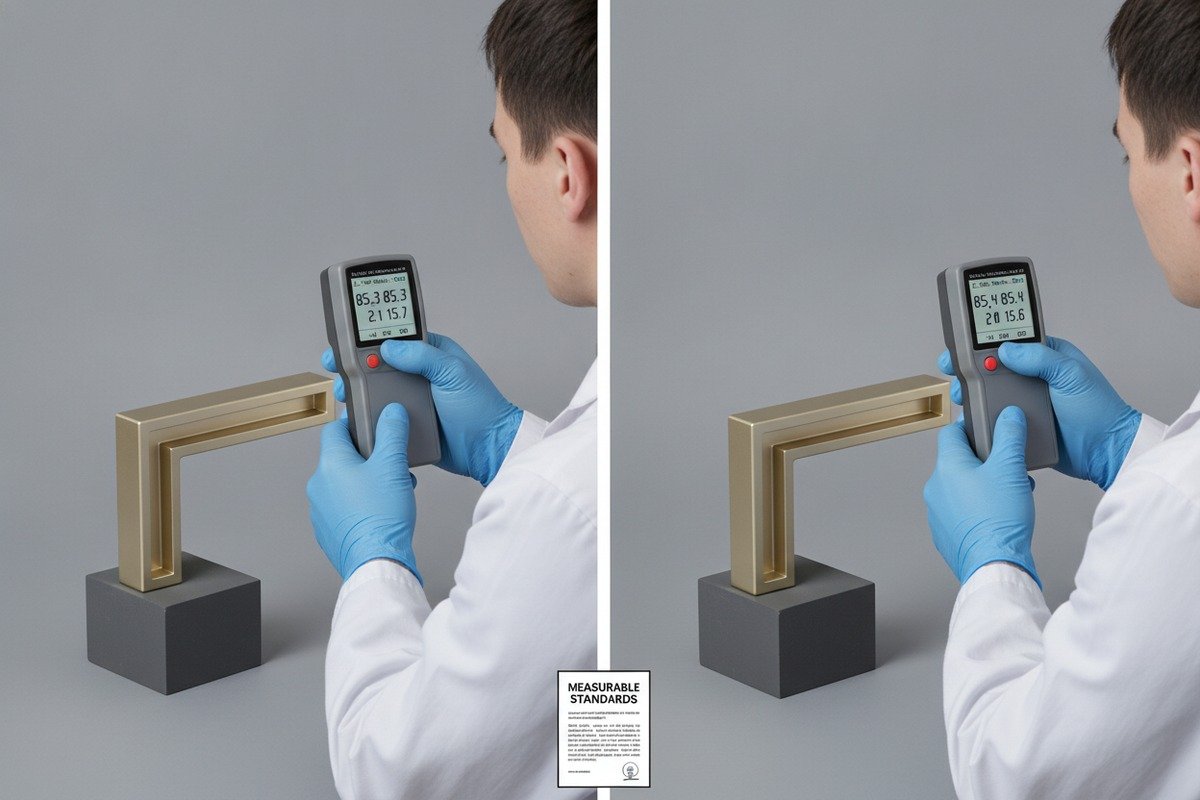
Protecting a custom handle design requires four interlocking clauses. If you leave out even one, you create a gap the supplier could exploit—intentionally or accidentally.
Pillar 1: Intellectual Property Ownership. State clearly that all drawings, CAD files, technical data, and design concepts provided by the buyer remain the buyer's exclusive property. Any designs developed jointly during the OEM process should also be assigned to the buyer unless you agree otherwise.
Pillar 2: Confidentiality. A confidentiality clause, or a separate NDA, should prohibit the supplier from disclosing your designs, dimensions, finish recipes, or packaging concepts to any third party. Set the confidentiality period to outlast the contract—three to five years after termination is common.
Pillar 3: Tooling and Mold Ownership. If you pay for custom extrusion dies or molds, the contract should state that you own them. The supplier holds them only for the purpose of fulfilling your orders. Upon contract termination, the supplier must return or destroy the tooling at your request. This is one of the most overlooked clauses in hardware sourcing.
Pillar 4: Non-Compete / Exclusivity. Add a clause that says the supplier shall not manufacture, sell, or offer for sale any product that is identical or substantially similar to your custom design to any third party. You can limit this geographically—for example, "within Vietnam and the Middle East"—if a global restriction feels too broad for the supplier to accept.
What Happens If the Supplier Breaches?
Your contract should specify remedies for IP violations. These might include:
- Immediate injunctive relief (the right to seek a court order stopping production).
- Liquidated damages for each proven instance of unauthorized production or sale.
- The right to terminate the contract without penalty.
- Recovery of legal costs incurred in enforcement.
A Common Mistake to Avoid
Many buyers assume that paying for the product automatically gives them ownership of the design. It does not. Unless the contract explicitly assigns IP rights, the supplier may argue that they own the tooling, the extrusion die profile, or even the finished design. Write it down. If it is not in the contract, assume you do not own it.
How should I structure payment terms and final inspection rights to protect my investment before the goods leave the factory?
In our daily operations, the moment goods leave our warehouse in Foshan, the buyer's leverage drops sharply. That is why smart procurement managers tie payment to inspection results, not shipping dates.
Structure your payment in stages—a small deposit to start production, a mid-production milestone payment if needed, and a final balance payable only after you or your third-party inspector confirms the goods pass quality checks at the factory gate.

The Golden Rule: Acceptance Triggers Payment
The single most important principle is this: final payment should follow acceptance, not shipment. If you pay 100% before inspection, your only leverage is a warranty claim after the goods arrive—a slow, expensive, and uncertain process. By holding back 20–30% until inspection is complete, you give the supplier a strong financial reason to get quality right the first time.
Recommended Payment Structure
| Payment Stage | Percentage | Trigger Event | Buyer Protection |
|---|---|---|---|
| Deposit | 30% | After contract signing | Commits both parties; funds raw material purchase |
| Mid-Production | 0–30% | After production sample approval (optional) | Only for large or high-risk orders |
| Pre-Shipment Balance | 40–70% | After buyer or third-party inspection approval at factory | Ensures quality before goods leave |
| Final Holdback | 0–10% | 30 days after delivery and acceptance at destination | Covers hidden defects found after unpacking |
Your Inspection Rights Clause
The contract should guarantee the buyer (or an authorized agent) the right to inspect goods at the supplier's facility before shipment. Spell out the following:
- Notice period: The supplier must notify the buyer at least five business days before goods are ready for inspection.
- Scope: The inspector may check dimensions, finish, weight, color, packaging, and labeling against the specification sheet.
- Sampling method: Define the sampling plan. AQL 2.5, General Inspection Level II 9 is standard for hardware components.
- Reject threshold: If the defect rate exceeds the agreed AQL, the buyer may reject the lot and require sorting, rework, or re-production at the supplier's cost.
- Re-inspection: After the supplier reworks, the buyer has the right to re-inspect at no additional charge.
Withholding Rights
Add a clause that allows you to withhold or offset payment if the goods do not conform. For example: "Buyer may deduct from any payment the documented cost of defects, shortages, or non-conforming packaging discovered during inspection or within the warranty period." This gives you a self-help remedy that does not require going to court.
Avoid the Full Prepayment Trap
Some suppliers offer a small discount for 100% advance payment. Resist this unless you have a long, proven track record with the supplier. The discount rarely compensates for the risk of receiving substandard goods with no financial leverage. In our work with building material wholesalers, we have seen buyers lose thousands of dollars because they paid everything upfront and then had no practical recourse when the finish color was wrong or the hole spacing was off by two millimeters.
Document Everything
Require the supplier to provide commercial invoices, packing lists, material test certificates, inspection reports, and photos before each payment milestone. Make document delivery a condition precedent to payment. If the paperwork is missing, you hold the money until it arrives.
Conclusion
A signed purchase contract is your strongest tool when sourcing aluminum furniture handles. Lock down specifications, protect your designs, tie payment to inspection, and keep everything in writing.
Footnotes
1. Provides an overview of different aluminum alloy grades and their properties. ↩︎
2. Explains the essential elements and legal binding nature of a purchase contract. ↩︎
3. Provides an authoritative overview of intellectual property and the concept of ownership rights. ↩︎
4. Details the specific mechanical and physical properties of 6063-T5 aluminum alloy. ↩︎
5. Describes the ASTM B117 standard for operating salt spray (fog) apparatus for corrosion testing. ↩︎
6. Explains Incoterms rules, defining responsibilities for buyers and sellers in international trade. ↩︎
7. Replaced with a working URL from the Legal Information Institute (LII) at Cornell Law School, an authoritative legal source. ↩︎
8. Defines liquidated damages in contracts and discusses their enforceability in legal contexts. ↩︎
9. Explains AQL (Acceptable Quality Limit) standards for quality control inspections and sampling. ↩︎