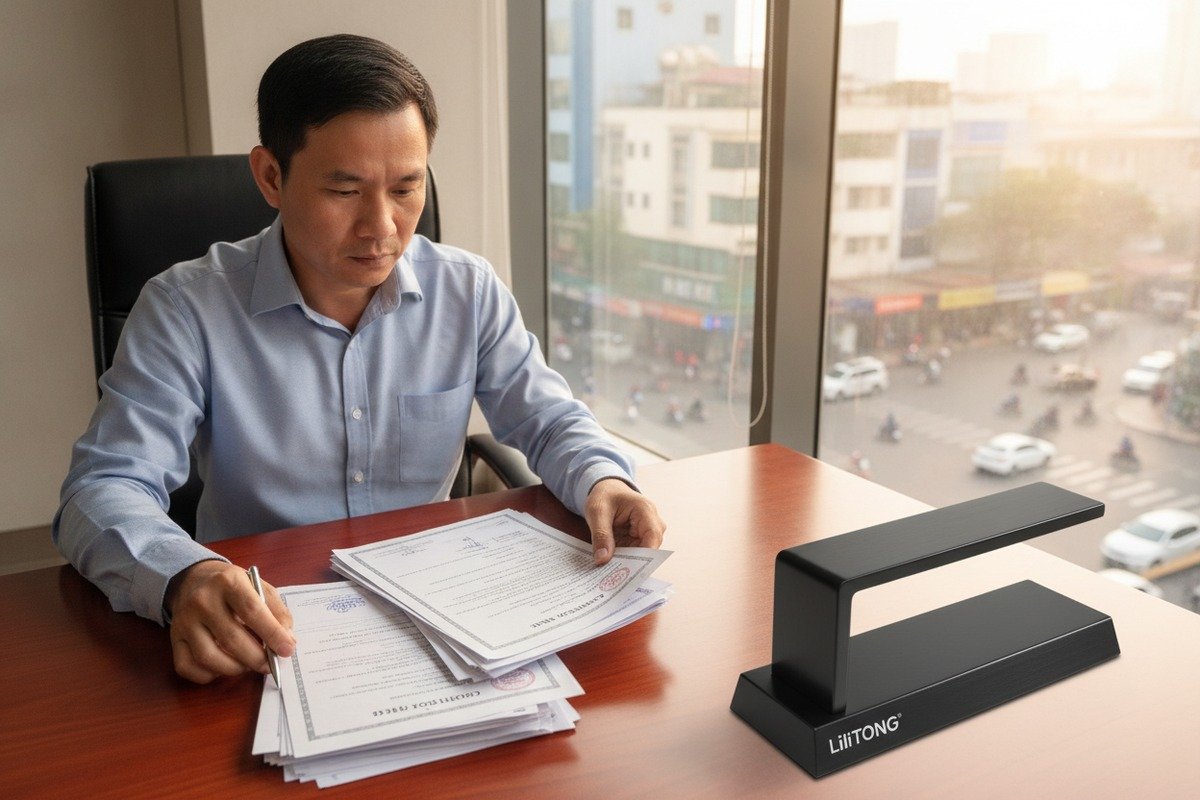
Every month, our shipping team in Foshan deals with freight forwarders and customs brokers across Southeast Asia, and few things cause more stress than a surprise detention notice from Vietnam customs on a container of aluminum furniture handles.
If Vietnam customs detains your aluminum furniture handles from China, treat it as an origin-compliance issue first. Gather your commercial invoice, packing list, bill of lading, Certificate of Origin, and supplier production records immediately. Respond through your customs broker with consistent, truthful documentation to resolve the hold and avoid penalties.
Detention does not mean your goods are illegal. It means customs wants proof. The faster you provide clean, consistent documents, the faster your handles clear. Below, we break down exactly what to prepare, what to do when flagged, how your supplier can help, and whether a Form E certificate 1 is worth pursuing.
What documents should I prepare to ensure my aluminum handles pass Vietnam customs smoothly?
Our logistics team has learned through years of shipping recessed aluminum pulls and extruded handle profiles to Vietnam that missing even one document can turn a routine clearance into a two-week nightmare.
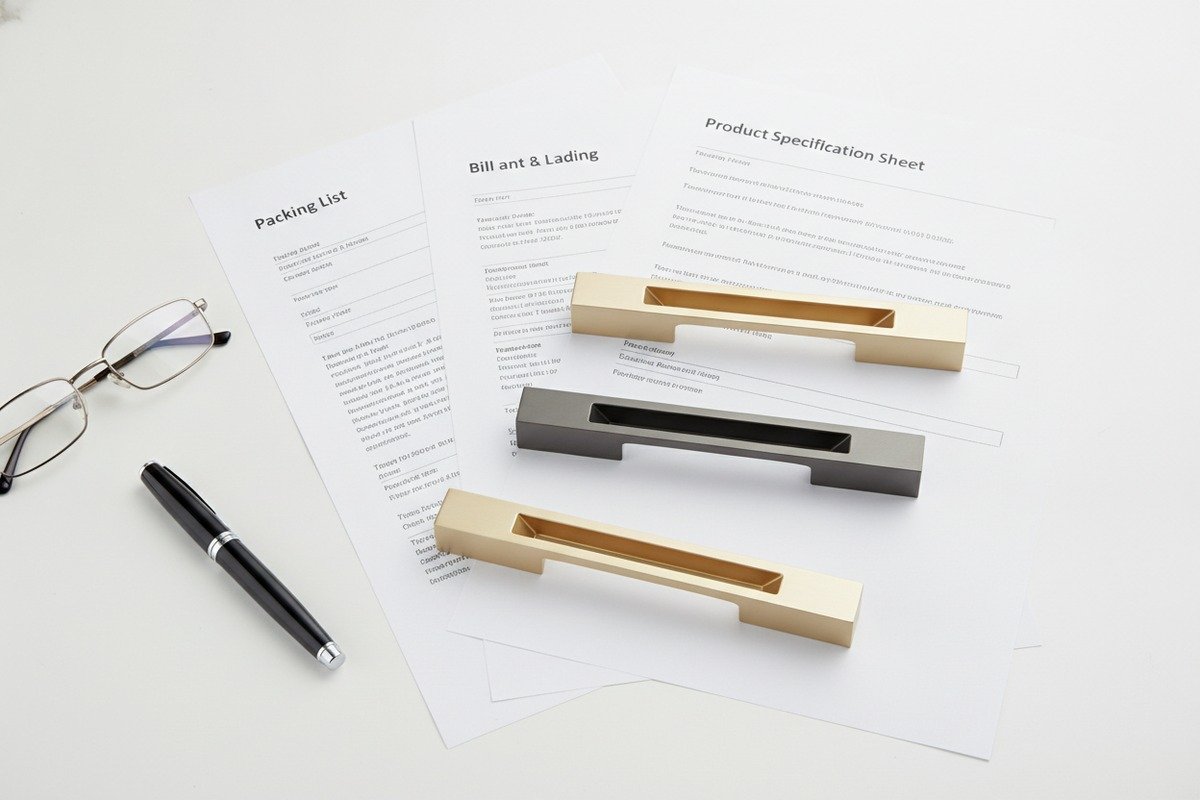
To clear aluminum furniture handles through Vietnam customs smoothly, prepare a complete set: commercial invoice, packing list, bill of lading, Certificate of Origin, purchase order, product specification sheet, and material traceability records. Every document must match in quantity, description, and declared origin.
Why Document Consistency Matters More Than You Think
Vietnam customs does not just glance at your paperwork. Officers cross-check every detail. If your commercial invoice 2 says "aluminum cabinet handles, 6063 alloy, champagne gold anodized" but your packing list 3 says "metal pulls, gold finish," that mismatch alone can trigger a hold. The product description, quantity, weight, HS code 4, and country of origin must be identical across all documents.
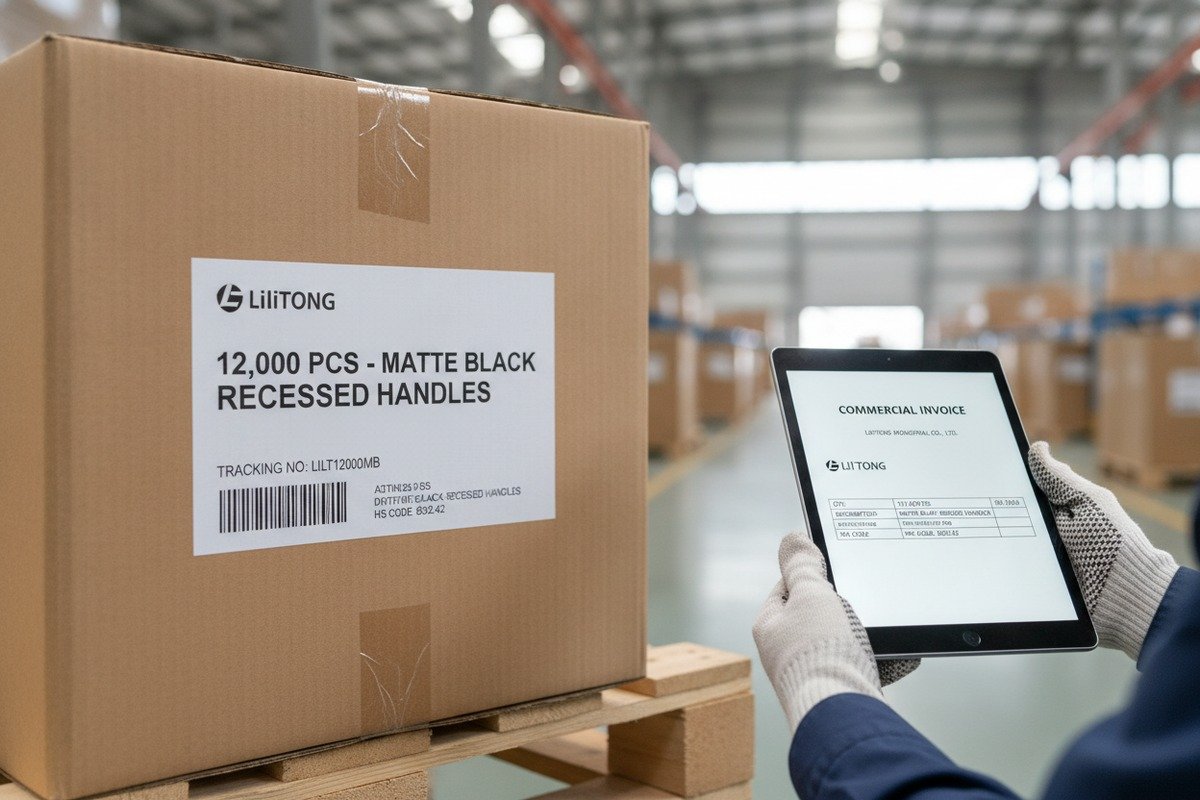
We once had a customer in Ho Chi Minh City whose shipment of matte black recessed handles was held for nine days. The reason was simple. The invoice listed 12,000 pieces. The packing list listed 120 cartons of 100 pieces each. That is 12,000 pieces, but the bill of lading 5 said 121 cartons. One extra carton of samples had been added at the last minute without updating the paperwork. That small inconsistency cost the buyer time and storage fees.
Your Core Document Checklist
| Document | Purpose | Key Detail to Verify |
|---|---|---|
| Commercial Invoice | Declares value, origin, product details | Unit price, total value, origin country, HS code |
| Packing List | Lists carton count, net/gross weight, dimensions | Must match invoice quantity exactly |
| Bill of Lading (B/L) | Shipping contract, shows shipper and consignee | Carton count, container number, port of loading |
| Certificate of Origin 6 (C/O) | Proves where goods were manufactured | Must match the actual production country |
| Purchase Order | Shows buyer-seller agreement | Product specs, quantity, agreed Incoterms |
| Product Specification Sheet | Describes alloy, finish, dimensions | Alloy grade (6063 vs. 6061), surface treatment |
| Material Traceability Records | Shows raw material source and production batch | Billet supplier, extrusion date, anodizing batch |
HS Code Accuracy Is Critical
Aluminum furniture handles typically fall under HS code 8302.42 or related subheadings for base metal mountings and fittings for furniture. If you declare the wrong code, you risk either overpaying duties or, worse, triggering an inspection because the code does not match the physical goods. Work with your customs broker to confirm the correct Vietnamese tariff classification before shipping.
Photos and Production Evidence
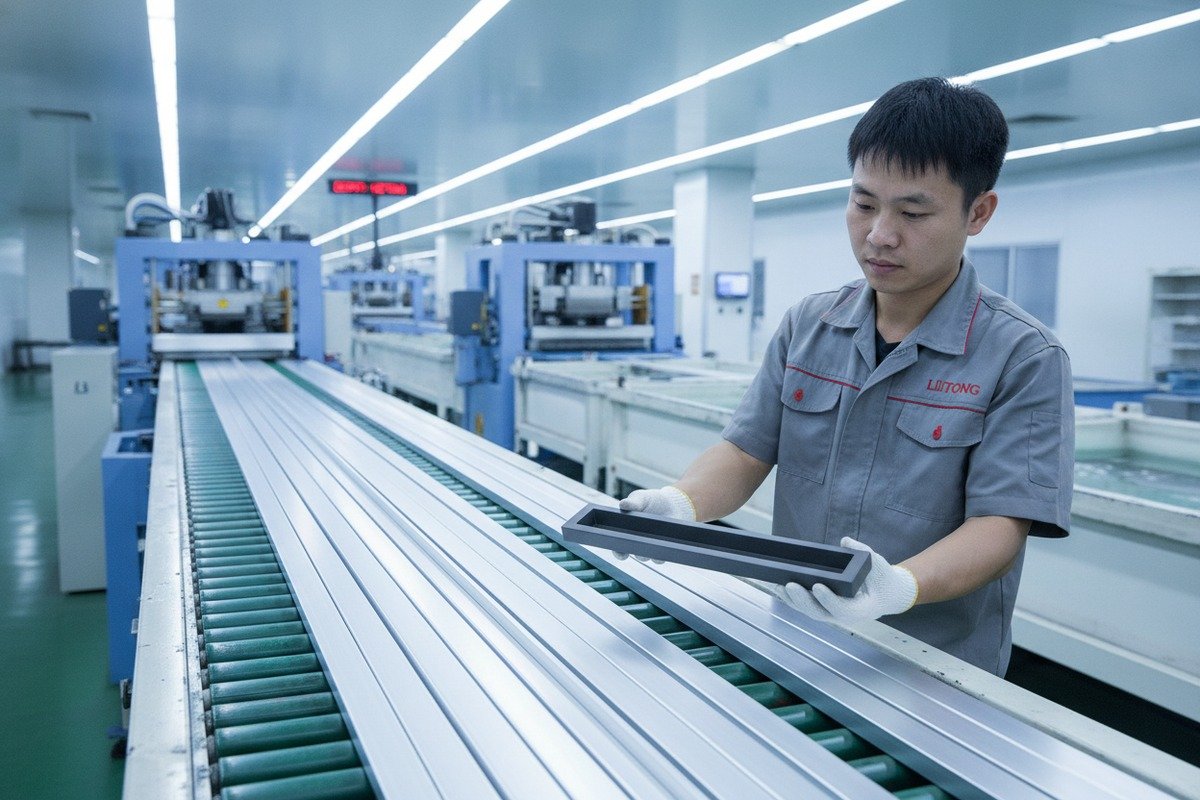
Beyond standard trade documents, we now include factory photos and production records with every shipment heading to Vietnam. A short set of images showing the extrusion line running your profile, the anodizing tank with your batch, and the packing line with your labeled cartons can make a huge difference if customs asks for verification. This is not legally required, but it builds a factual trail that is hard to dispute.
What steps can I take if my shipment from China is flagged for inspection at the Vietnam border?
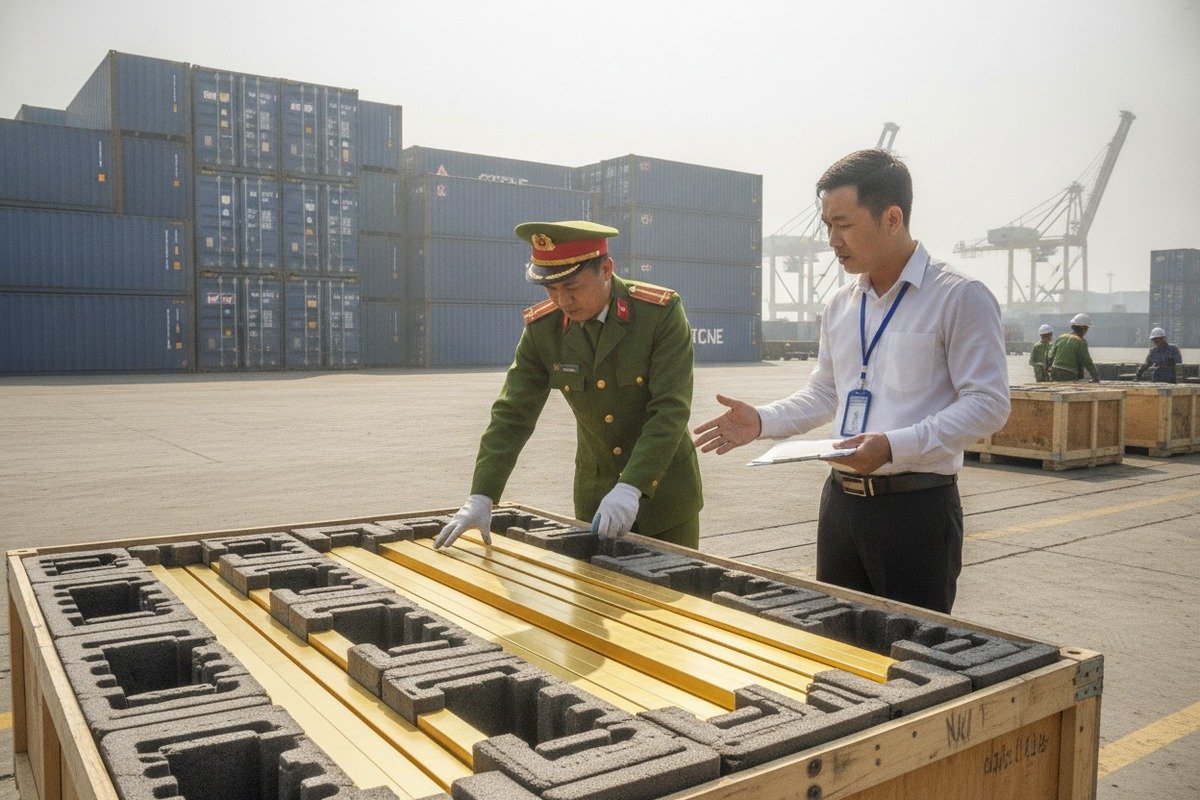
When we get a call from a panicked buyer saying their container of champagne gold recessed handles is sitting in a bonded warehouse at Cat Lai port, the first thing we tell them is: do not guess, get the exact reason.
If your aluminum handle shipment is flagged, immediately contact your customs broker to obtain the specific reason for detention—whether origin verification, HS code dispute, or valuation review. Then gather all matching documents from your supplier, respond factually through your broker, and avoid submitting contradictory information.
Step-by-Step Action Plan When Detained
Do not treat detention as a random delay. It is an active inquiry by customs authorities, and your response determines whether you get your goods in days or weeks.
Step 1: Get the detention reason in writing. Your customs broker should obtain the official notification. Vietnam customs typically flags shipments for one of four reasons: suspected origin fraud 7, HS code mismatch, undervaluation, or physical discrepancy.
Step 2: Do not respond until you verify your own documents. Before your broker says anything to customs, check every document yourself. Does the invoice match the packing list? Does the declared origin match the Certificate of Origin? Does the HS code match the actual product?
Step 3: Contact your Chinese supplier immediately. Ask for production records, material certificates, extrusion batch records, and packaging photos. At our factory, when a customer faces this situation, we send a complete documentation package within 24 hours, including photos of the production run, the raw billet certificate, and the anodizing process record.
Step 4: Respond through your broker with one consistent story. The biggest mistake importers make is sending conflicting explanations. If your handles are made in China, say so clearly. If they were processed or assembled in Vietnam, provide proof of that processing. Never claim Vietnam origin if the goods are simply transshipped through Vietnam.
Step 5: Be prepared for physical inspection. Customs may open cartons and check labels, product markings, and actual specifications against your documents. If your matte black recessed handles are labeled "Made in China" and your documents say China origin, there is no problem. If labels say "Made in Vietnam" but the goods clearly came from our Foshan factory, you have a serious issue.
Common Detention Reasons and Responses
| Detention Reason | What Customs Wants | Your Best Response |
|---|---|---|
| Suspected origin fraud | Proof that declared origin matches actual manufacturing location | Supplier factory declaration, production photos, material certificates |
| HS code dispute | Verification that product matches the declared tariff code | Product specification sheet, alloy test report, photos of the product |
| Undervaluation suspicion | Evidence that declared value reflects real transaction price | Purchase order, payment records, bank transfer receipts |
| Physical discrepancy | Explanation for mismatch between docs and cargo | Updated packing list, explanation letter from shipper, photo evidence |
What Not to Do During Detention
Do not fabricate documents after the fact. Vietnam customs has become very skilled at identifying backdated or inconsistent paperwork. Do not argue with the customs officer through informal channels. Everything should go through your licensed customs broker. Do not try to reclassify the goods mid-inspection to avoid duties. And do not blame your supplier publicly—resolve the issue privately while presenting a united front to customs.
One of our customers in Da Nang once tried to resolve a detention by having their Vietnamese partner write a letter claiming the handles were assembled locally. But the handles still had our Foshan factory stickers inside the carton. That contradiction turned a routine inspection into a formal investigation. The lesson is clear: tell the truth, and make sure your documents support that truth.
How can my Chinese aluminum profile supplier help me minimize the risk of customs detention?
In our 18 years of exporting aluminum furniture handles from Foshan, we have learned that customs problems in the destination country almost always start with incomplete preparation at the origin. The supplier's role is not just to make good handles—it is to arm the buyer with every document customs might ever ask for.
A reliable Chinese aluminum supplier minimizes detention risk by providing accurate commercial documents, detailed product specifications, material test certificates, factory production records, and proper labeling. They should also use correct HS codes, declare true product values, and support the buyer's customs broker with supplementary evidence when needed.
What Your Supplier Should Provide Before Shipping
At our factory, every export shipment of recessed handles or extruded aluminum profiles leaves with a documentation package that includes more than just the basic trade documents. We include an alloy composition certificate from our billet supplier, an anodizing process record showing the exact finish applied (whether matte champagne gold, charcoal grey, or satin black), dimensional inspection reports, and carton-level packing details.
This matters because Vietnam customs may want to verify that what is inside the carton matches what the documents describe. If your supplier cannot produce these records, that is a red flag about their own manufacturing transparency.
Supplier Red Flags vs. Green Flags
| Supplier Behavior | Risk Level | Why It Matters |
|---|---|---|
| Provides full material certificates and production batch records | Low risk | Demonstrates genuine manufacturing capability and traceability |
| Offers to label goods "Made in Vietnam" even though production is in China | Very high risk | This is origin fraud, and Vietnam customs is actively targeting it |
| Cannot provide photos of your order in production | Medium risk | Suggests possible trading company reselling, not actual manufacturing |
| Uses correct HS codes and accurate product descriptions on invoices | Low risk | Reduces chance of classification disputes at customs |
| Undervalues goods on the invoice "to save you duties" | High risk | Undervaluation is a common trigger for customs inspection and penalties |
| Responds within 24 hours with supplementary documents during detention | Low risk | Fast supplier response is critical to resolving holds quickly |
How We Support Our Buyers at LiliTong
When a Vietnam-based buyer orders our slim architectural recessed pulls in multiple finishes—white, black, champagne gold, charcoal grey—we assign a dedicated export coordinator who prepares all documents in parallel with production. Before the container ships, the buyer receives digital copies of every document so they can share these with their customs broker in advance. If anything looks inconsistent, we fix it before the goods leave port.
We also keep detailed records of every shipment. If customs asks a buyer to prove that a previous shipment of the same handles cleared without issue, we can provide historical documentation going back years. This pattern of consistent, clean imports builds credibility with Vietnam customs over time.
Communication Between Supplier, Buyer, and Broker
The triangle between your Chinese supplier, your company, and your Vietnamese customs broker needs to be tight. Misunderstandings happen when the buyer tells the broker one thing and the supplier's documents say another. We recommend a pre-shipment document review call where all three parties confirm that descriptions, quantities, values, and origin declarations are aligned. This takes 30 minutes and can save you weeks of detention.
Will applying for a Form E Certificate of Origin help me reduce inspection delays for my furniture hardware?
We get this question from nearly every Vietnamese buyer who orders our aluminum handles. The logic seems straightforward: a Form E certificate means lower or zero tariffs under ASEAN-China Free Trade Agreement 8 (ACFTA), so it should also mean smoother customs clearance. But the reality is more nuanced.
A Form E Certificate of Origin can reduce or eliminate import tariffs on Chinese-made aluminum furniture handles entering Vietnam under ACFTA, but it does not guarantee faster customs clearance. Customs may still inspect shipments for origin fraud, and the Form E itself must be accurately completed and consistent with all other shipping documents to avoid triggering additional scrutiny.
What Is a Form E and How Does It Work?
A Form E is the Certificate of Origin used under the ASEAN-China Free Trade Agreement. It certifies that goods were manufactured in China (or an ASEAN member state) and qualifies the importer for preferential tariff rates. For aluminum furniture handles, this can mean a significant reduction in import duty compared to the standard Most Favored Nation (MFN) rate 9.
At our factory, we help buyers apply for Form E through the Foshan branch of the China Council for the Promotion of International Trade (CCPIT) 10 or the local customs authority. The process requires us to submit the commercial invoice, packing list, and a declaration that the goods were manufactured at our facility. The Form E is then issued with a unique reference number and stamped by the authorized body.
Form E Benefits vs. Limitations
| Aspect | Benefit | Limitation |
|---|---|---|
| Tariff reduction | Can reduce or eliminate import duty on aluminum handles | Does not reduce VAT or other applicable taxes |
| Origin proof | Serves as official proof of Chinese manufacturing origin | Must be perfectly consistent with all other documents |
| Customs clearance speed | May reduce likelihood of origin-related queries | Does not prevent inspection for other reasons (HS code, valuation) |
| Anti-fraud protection | Shows legitimate, documented supply chain | Can increase scrutiny if customs suspects the Form E was fraudulently obtained |
| Cost | Relatively inexpensive to obtain | Requires advance planning and supplier cooperation |
When Form E Can Actually Increase Scrutiny
Here is what many buyers do not realize. Vietnam customs has seen cases where Form E certificates were used to legitimize goods that did not actually qualify. For example, goods manufactured in a third country, routed through China, and then given a Chinese Form E. Or goods made in China but with a Form E that contains errors in product description or value. When customs officers see a Form E on a product category they consider high-risk—like aluminum hardware or furniture components—they may examine the certificate more carefully, not less.
This does not mean you should avoid Form E. It means you should make sure the Form E is accurate. The product description on the Form E must match your commercial invoice exactly. The FOB value must match. The HS code must match. If there is any discrepancy, the Form E loses its protective value and becomes a liability.
Practical Tips for Using Form E Effectively
First, apply for the Form E early. Do not wait until the goods are already on the water. The application process in China typically takes two to three business days, but delays happen. Second, verify the Form E details against your invoice before the certificate is finalized. We always send a draft to the buyer for confirmation before the official stamp is applied. Third, make sure your Vietnamese customs broker understands how to present the Form E correctly. Some brokers are not experienced with ACFTA documentation and may attach it incorrectly or fail to reference it in the customs declaration.
Fourth, keep the Form E as part of a complete documentation set. A Form E alone does not clear your goods. It works best when combined with a consistent commercial invoice, packing list, bill of lading, and product specifications. Together, these documents tell a coherent story: genuine Chinese-manufactured aluminum furniture handles, legitimately exported under ACFTA, with proper tariff treatment requested.
In our experience, buyers who use Form E correctly and consistently build a track record with Vietnam customs that makes future shipments easier to clear. Customs authorities maintain importer risk profiles, and a history of clean, well-documented imports reduces the probability of future inspections.
Conclusion
Customs detention of aluminum furniture handles in Vietnam is a solvable problem when you treat it as a documentation and origin-compliance challenge rather than a random obstacle. Prepare clean, consistent documents, work with a transparent supplier, and respond truthfully when flagged. If you need a supplier who provides full traceability and export documentation support for aluminum furniture handles, reach out to us at Al**************@********************************************te.com.
Footnotes
1. Provides official documentation and context for the Form E certificate under ACFTA. ↩︎
2. Outlines the essential requirements and importance of a commercial invoice for customs. ↩︎
3. Authoritative government source defining a packing list. ↩︎
4. Authoritative government source explaining Harmonized System (HS) Codes. ↩︎
5. Explains the function of a bill of lading as a receipt and contract for cargo shipment. ↩︎
6. Authoritative government source explaining Certificates of Origin for Free Trade Agreements. ↩︎
7. Defines origin fraud and its implications in customs inspections and trade. ↩︎
8. Authoritative source from the official ASEAN portal providing an overview of the agreement. ↩︎
9. Explains the concept of the MFN tariff rate and its application in international trade. ↩︎
10. Describes the role and functions of CCPIT in promoting international trade and issuing documents. ↩︎