
Over 18 years of shipping aluminum handles from our Foshan factory, one pattern keeps showing up: the buyers who get our best pricing are rarely the ones who push hardest on price.
To establish long-term, stable supplier relationships for aluminum furniture handles, treat your supplier as a strategic partner rather than a transactional vendor. Commit to clear specifications, consistent order volume, timely payments, and regular performance reviews. This approach lowers your total sourcing cost, reduces quality variation, and earns you priority service during peak seasons.
This article walks through the exact steps you can take — from finding the right factory, to building transparency, to negotiating smarter, to collaborating on engineering total sourcing cost 1. Each section includes practical tools you can use right away.
How do I identify a reliable Chinese manufacturer that offers both custom aluminum handle designs and ready-to-ship inventory?
When our sales team talks with new buyers from Vietnam or the Middle East, the first question is almost always the same: "Can you do both stock and custom?" The struggle is real — most factories specialize in one or the other, and picking wrong wastes months aluminum extrusion process 2.
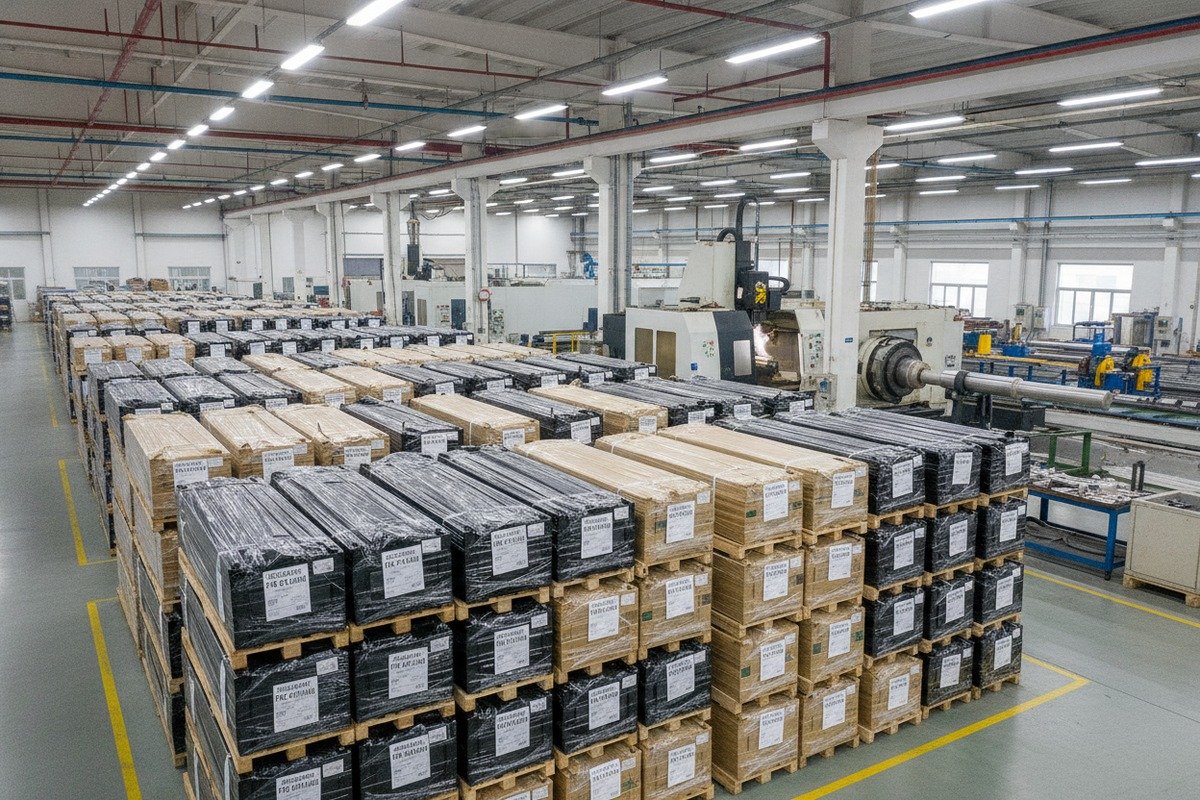
Look for a manufacturer that maintains at least 200–300 tons of ready-to-ship inventory for standard profiles while also operating in-house extrusion, CNC, and anodizing lines for custom orders. Verify capacity by requesting a factory tour or video walkthrough, checking monthly output data, and asking for references from current export clients.
Why the Stock-Plus-Custom Model Matters
A factory that only does custom work cannot help you when a client needs handles next week CNC 3. A factory that only sells from stock cannot help you when your furniture design calls for a unique champagne-gold recessed pull with a specific channel depth. The ideal partner bridges both worlds.
From our production floor, we keep around 300 tons of popular profiles — matte black, charcoal grey, champagne gold, light beige — ready to ship within 48 hours AQL 2.5 for minor 4. At the same time, our tooling shop can turn around a new custom extrusion die in 3 to 7 days. That dual capability is what you should screen for.
Key Qualification Checklist
Before you commit to deeper conversations, run each potential supplier through a simple checklist.
| Qualification Criteria | What to Ask or Verify | Red Flag If Missing |
|---|---|---|
| In-house extrusion capability | Do they own extrusion presses? What tonnage? | They outsource core production |
| Anodizing and finishing line | Can they do matte, brushed, electrophoresis in-house? electrophoretic deposition 5 | Finish consistency will drift |
| Stock inventory level | How many tons on hand? Which SKUs? | Long waits for basic orders |
| Custom tooling turnaround | How many days from drawing to first sample? | Slow iteration, slow launch |
| Export experience | Which countries? Which certifications? | Packaging and logistics problems |
| Monthly capacity | Tons per month during peak and off-peak? | Capacity squeeze during Q3/Q4 |
| MOQ flexibility | What is the MOQ for stock vs. custom? | Overstocking risk for small tests |
How to Verify Claims
Do not rely on a supplier's word alone. Request a live video call showing the factory floor. Ask for shipping records or container photos from recent orders. Contact one or two of their existing buyers if possible. Check if they have an independent website with real product photos rather than stock images. A serious manufacturer invests in showing their actual capability.
Watch for These Positive Signals
A factory that openly shares production schedules, provides clear tooling-ownership terms, and assigns you a dedicated account manager is signaling partnership readiness. When we onboard a new wholesale client, we send a specification sheet that covers alloy grade, surface treatment options, dimensional tolerances, and packaging configurations upfront. That level of transparency is what separates a reliable partner from a quote machine.
What steps can I take to build a transparent partnership that ensures my supplier prioritizes my quality requirements?
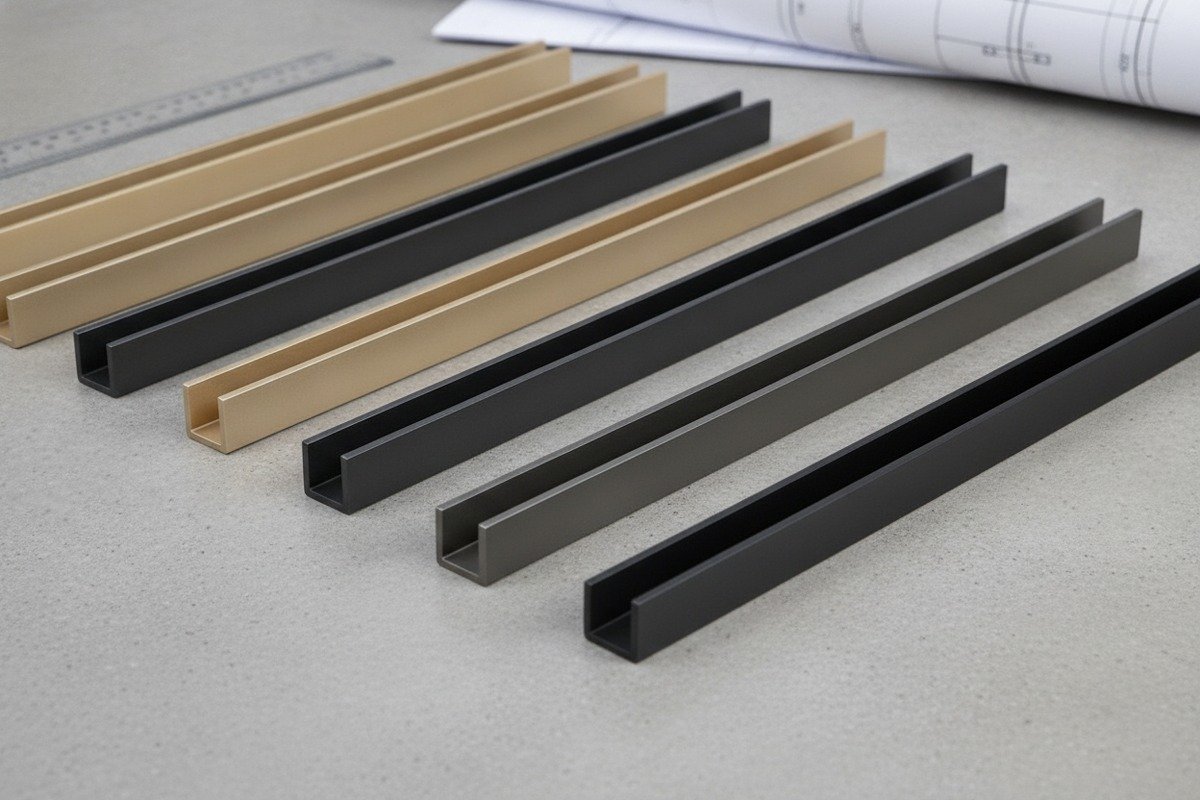
We have seen buyers lose entire container loads to finish defects that could have been prevented with a single master sample agreement. The root cause is almost never bad intent. It is unclear expectations on both sides.
Build transparency by defining quality standards in writing before the first production run. Share master finish samples, dimensional tolerances, packaging specs, and acceptance criteria. Then schedule regular quality reviews — monthly or quarterly — and track KPIs such as defect rate, on-time delivery, and complaint resolution time to keep both parties accountable.
Start with a Written Quality Agreement
A verbal understanding is not enough when you are shipping thousands of handles across borders. Put the following into a simple document both parties sign:
- Alloy grade (e.g., 6063-T5 6)
- Surface treatment type and finish code
- Dimensional tolerances for length, width, channel depth
- Color matching standard (master sample or RAL/Pantone reference 7)
- Acceptable defect level (e.g., AQL 2.5 for minor, AQL 1.0 for major)
- Packaging method and labeling requirements
- Replacement or credit policy for non-conforming goods
Set Up a Finish Master Sample System
For aluminum handles, small shifts in anodizing bath chemistry or timing can change the color tone noticeably. This is why we keep sealed master samples at our factory for every active client SKU. When a repeat order comes in, the production team matches against that physical reference — not a photo on a screen. Ask your supplier to do the same and send you a duplicate master for your own QC.
Define KPIs and Review Them
Tracking performance turns a vague relationship into a measurable one. Here are practical KPIs for aluminum handle sourcing:
| KPI | Target | How to Measure |
|---|---|---|
| On-time delivery rate | ≥ 95% | Compare promised ship date vs. actual ship date |
| Defect rate (incoming) | ≤ 2% | Count rejected pieces per shipment |
| Sample approval speed | ≤ 5 business days | Track days from sample request to approval sample received |
| Complaint resolution time | ≤ 48 hours initial response | Log time from complaint email to supplier's first action |
| Finish consistency score | Pass/fail vs. master sample | Side-by-side comparison each batch |
Review these numbers every quarter. Share the data openly with your supplier. In our experience, suppliers respond well when feedback is specific and data-driven rather than emotional or general. A buyer who says "your defect rate was 3.8% last quarter, let us work together to get it below 2%" gets a much better response than one who says "your quality is bad."
Build Escalation Paths
Agree in advance on what happens when something goes wrong. Who do you contact first? What is the timeline for a corrective action plan? Under what conditions do you receive a credit, replacement, or refund? Defining this upfront removes friction from crisis moments and protects both parties.
Pay on Time — Every Time
This is often overlooked. Timely payment is one of the strongest trust signals you can send. When cash flow is predictable, a supplier can plan raw material purchases and production scheduling more efficiently. That stability flows back to you as better lead times and more willingness to prioritize your orders during busy periods.
How can I leverage my consistent order volume to negotiate more competitive pricing and better service terms?
Every month, we allocate production capacity across dozens of clients. The ones who get scheduled first are not always the biggest. They are the most predictable. Predictability is currency in a factory.
Leverage consistent order volume by sharing quarterly or annual demand forecasts with your supplier, committing to framework agreements that guarantee minimum quantities, and offering longer payment terms or larger batch sizes in exchange for unit price reductions. Predictable demand lets the supplier optimize material purchasing and production scheduling, which creates real cost savings they can pass on to you.

Why Predictability Beats Volume Alone
A buyer who orders 10,000 pieces once a year is less valuable to a factory than a buyer who orders 2,500 pieces every quarter. The steady buyer allows the factory to plan aluminum billet purchases, reserve anodizing line time, and schedule labor without guessing. That efficiency reduces waste and overhead — savings that fund better pricing.
Negotiation Strategies That Work
Here are proven tactics that respect both sides:
Share your forecast. Even a rough estimate — "We expect to order approximately 15,000 matte black recessed handles and 8,000 champagne gold handles over the next 12 months" — gives the supplier confidence to offer volume-based pricing.
Propose a tiered pricing structure. Ask for pricing at 5,000, 10,000, and 20,000 piece breakpoints. This gives both of you a clear incentive ladder.
Bundle standard and custom orders. If you source both stock handles and custom profiles from the same factory, the combined volume strengthens your negotiating position. We often provide package pricing for clients who consolidate their handle sourcing with us rather than splitting across multiple vendors.
Offer longer-term commitments. A 6-month or 12-month supply agreement, even with flexible delivery scheduling, reduces the supplier's customer-acquisition cost and production uncertainty. That justifies a price concession.
What Better Service Terms Look Like
Price is just one outcome. Consistent volume also earns you service benefits that are harder to quantify but equally valuable:
| Service Benefit | How It Helps You | How to Earn It |
|---|---|---|
| Priority production scheduling | Your orders are processed before spot buyers | Consistent monthly or quarterly orders |
| Dedicated account manager | Faster responses, fewer miscommunications | Long-term relationship with steady volume |
| Flexible MOQ for new SKUs | Test new handle designs with smaller batches | Proven track record of reorder commitment |
| Reserved stock allocation | Handles set aside for you before general inventory | Shared forecast and framework agreement |
| Free or reduced sample costs | Lower cost to develop new designs | Ongoing business relationship |
| Extended payment terms | Better cash flow on your side | Payment history of on-time settlement |
Avoid the Race to the Bottom
Pushing a supplier's margin below a sustainable level is a short-term win and a long-term loss. The factory will eventually cut corners — thinner walls, cheaper surface treatment, looser QC — or simply deprioritize your account. A better approach is to discuss target pricing openly and ask the supplier what order patterns or terms would make that price viable. This collaborative framing builds trust and often uncovers creative solutions like adjusted packaging, consolidated shipments, or off-peak production scheduling.
How do I collaborate with my supplier's engineering team to streamline my custom furniture production and reduce lead times?
When a furniture factory owner in the Middle East sends us a handle sketch on WhatsApp, the real work begins on our engineering side. The gap between a concept drawing and a production-ready extrusion profile is where most delays hide — and where collaboration saves the most time.
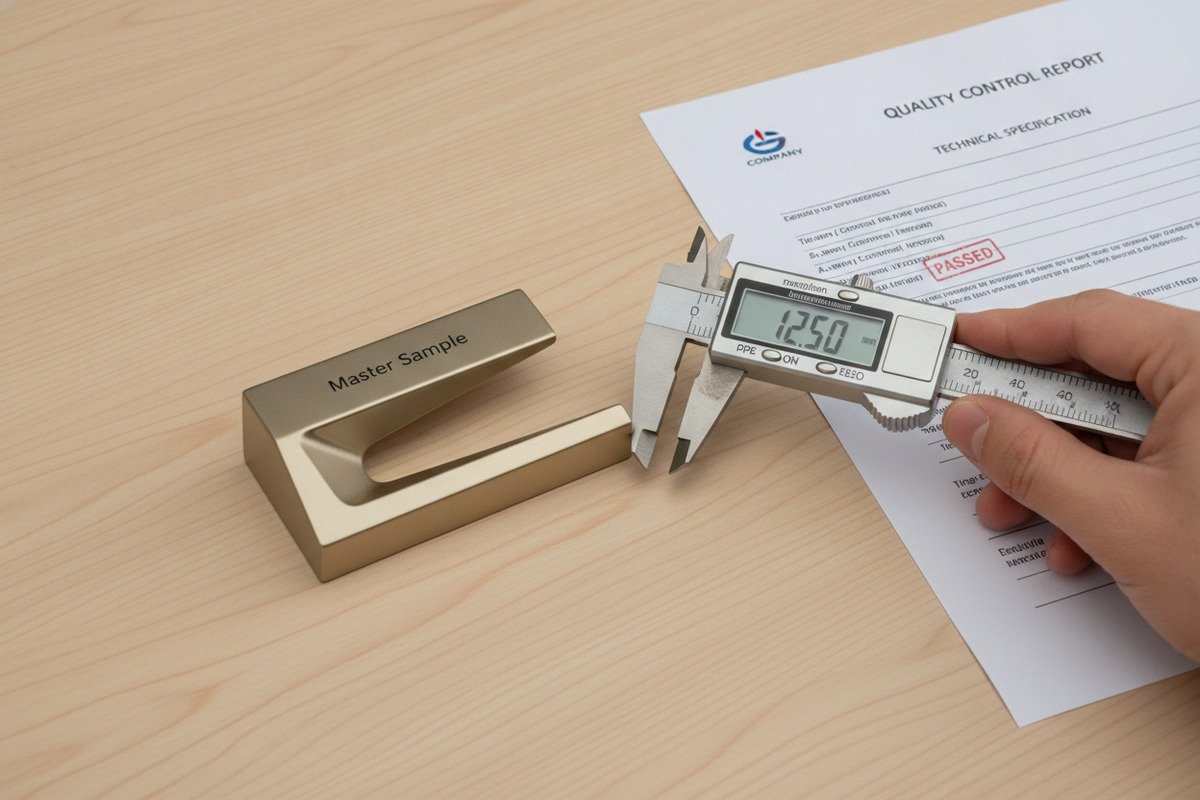
Collaborate with your supplier's engineering team by providing detailed CAD drawings or dimensioned sketches early, participating in Design for Manufacturability (DFM) reviews, approving tooling designs before die production begins, and establishing a fast-track sample revision process. This joint approach can cut custom handle lead times by 30–50% and reduce costly design changes after tooling is complete.
Share Complete Design Information Upfront
The number one cause of custom-order delays is incomplete information at the start. Before your supplier's engineers can begin, they need:
- Profile cross-section dimensions with tolerances
- Surface finish type (matte anodized, brushed, electrophoresis, powder coat)
- Color reference (RAL code, Pantone code, or physical sample)
- Mounting method (screw hole positions, adhesive channel, snap-fit)
- Length options and cut tolerances
- Any special features (rounded edges, anti-fingerprint coating, logo engraving)
The more complete your initial brief, the fewer back-and-forth rounds you will need. On our side, when a buyer sends a full spec sheet with their first inquiry, we can often deliver a first sample within 3 days instead of 7.
Engage in DFM Reviews
Design for Manufacturability is a conversation — not a one-way instruction. Your supplier's engineers understand what the extrusion press can and cannot do efficiently. A wall thickness that is too thin may cause warping. A channel depth that is too narrow may complicate the anodizing process 9. A complex cross-section may require an expensive multi-cavity die.
Ask your supplier to review your design and suggest modifications that simplify production without compromising the handle's appearance or function. We regularly suggest small changes — shifting a radius by 0.5mm, adjusting a draft angle — that save tooling cost and improve yield rate with zero visual impact on the final product.
Establish a Sample Revision Protocol
Custom projects often need 2 to 3 sample iterations. Define in advance how revisions will work:
- Who pays for revision samples? (Often the supplier absorbs the first revision; subsequent revisions may be charged.)
- What is the turnaround time for each revision?
- How will samples be shipped? (Express courier with tracking is standard.)
- Who signs off on the final production-approval sample?
Clarify Tooling Ownership Early
Tooling ownership is a critical but often overlooked term. If you pay for a custom extrusion die, you should own it. That means if you ever need to change suppliers, the die belongs to you and can be transferred. Get this in writing before tooling production starts. At our factory, we clearly document tooling ownership in every custom project agreement — it protects both parties and reduces switching anxiety for the buyer.
Reduce Lead Times Through Joint Planning
Beyond design collaboration, you can shorten lead times by aligning your order timing with the supplier's production rhythm. Ask when their peak and off-peak seasons are. Place custom orders during slower periods when possible. Provide rolling 90-day forecasts so the supplier can pre-purchase aluminum billets in the right alloy. These small planning steps compound into meaningful time savings across multiple orders.
When our engineering team and a furniture factory's design department work closely, the result is not just a faster timeline. It is a better product — handles that fit perfectly, finish consistently, and install cleanly on the production line.
Conclusion
Stable supplier relationships are built on clear specs, consistent volume, timely payments, and honest communication — not just price negotiation. Treat your aluminum handle supplier as a partner, and better pricing and service will follow naturally.
Footnotes
1. Explains the comprehensive cost beyond unit price in procurement decisions. ↩︎
2. The Aluminum Extruders Council (AEC) is an authoritative industry source providing a detailed overview of the aluminum extrusion process. ↩︎
3. Explains the computer numerical control process used in manufacturing. ↩︎
4. Defines the Acceptable Quality Limit standard used in quality control. ↩︎
5. Wikipedia offers an authoritative explanation of electrophoretic deposition (EPD), which is the technical term for electrophoresis in metal finishing. ↩︎
6. Provides technical specifications and uses of this common aluminum alloy. ↩︎
7. Explains international color matching systems used in manufacturing. ↩︎
8. Explains the importance of predicting future customer demand in supply chain operations. ↩︎
9. Wikipedia provides a comprehensive and authoritative overview of the anodizing process, including its electrochemical nature and applications. ↩︎
10. Explains the engineering process to optimize designs for manufacturing. ↩︎