
I've spent 18 years working with furniture hardware buyers across the Middle East1, and I can tell you that Saudi cabinet manufacturers face a unique challenge: every supplier claims fast delivery, competitive pricing, and "guaranteed quality" — but half of them will create mid-project crises that cost you time, reputation, and profit margins. Last month, I walked through a supplier evaluation with a Riyadh-based cabinet factory that had just canceled an order from their previous Chinese vendor because 40% of the handles arrived in mismatched colors2. They asked me the same question I hear from most Saudi buyers: "How do we know you're different?"
Saudi cabinet manufacturers selecting Chinese hardware suppliers should verify operational evidence—inventory turnover records, batch consistency mechanisms, and emergency response documentation—rather than relying on static parameters like sample quality, quoted lead times, or price comparisons. Reliable suppliers demonstrate capability through real-time stock breakdowns (not "we have inventory"), QC protocols traceable to specific production batches (not generic certificates), and documented project pivot examples showing how they've handled urgent specification changes. The difference between a supplier who delivers 500 identical pieces in 7 days and one who ships "close enough" samples that fail on-site isn't visible in inquiry-stage quotations—it shows up in fulfillment records, client reference calls, and their willingness to answer verification questions that expose operational gaps.
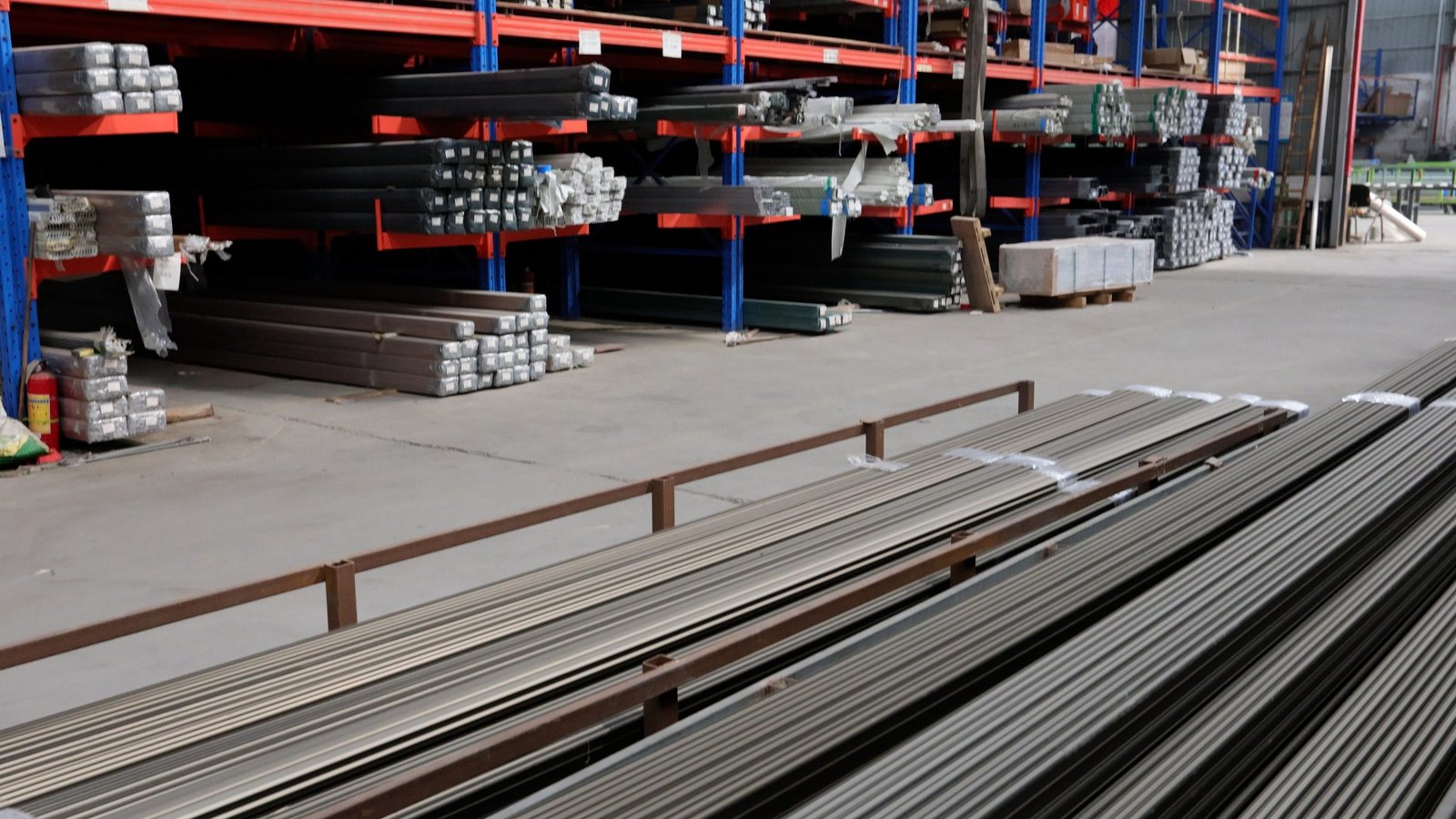
Here's what most Saudi buyers don't realize: the supplier selection mistake happens before you even request a quotation. When you open with "What's your price and MOQ?" you're signaling that you've been burned before and you're trying to protect yourself with surface-level filters3. I understand why—previous suppliers over-promised and under-delivered, so now you're screening harder on the metrics that seem objective. But the suppliers who caused those problems in the first place also had competitive prices, low MOQs, and good sample quality. The real question isn't "How much?" — it's "How do I verify your supply chain performance before I commit to a container?"
What Questions Should Saudi Cabinet Buyers Ask During the Inquiry Stage?
When I receive an inquiry from a Saudi cabinet manufacturer, I can predict within three exchanges whether they've been burned by previous suppliers. The tell-tale sign? They lead with price comparison and avoid asking about operational specifics. This approach feels safe—numbers don't lie, right?—but it actually filters out suppliers based on the wrong evidence.
Saudi buyers should open supplier conversations by asking for inventory structure breakdowns ("What cabinet handle SKUs do you have in stock today, and in what quantities?"), batch consistency protocols ("How do you ensure color and finish uniformity across a 500-piece order?"), and recent project examples with similar specifications. Suppliers who respond with vague promises ("We have plenty of stock" or "We guarantee quality") instead of specific evidence are revealing their operational gaps in real time.
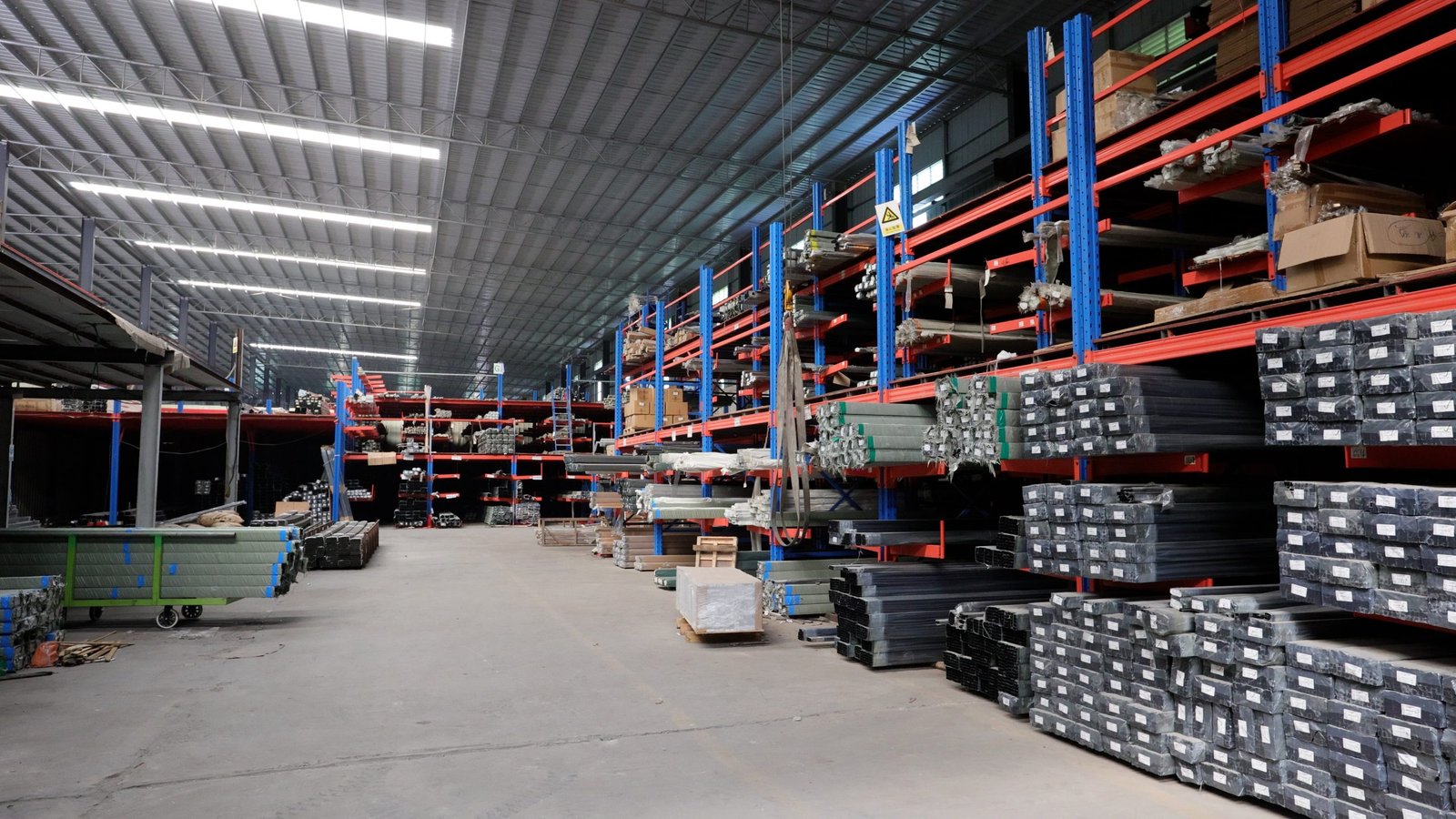
The Inquiry-Stage Evidence Gap
Here's what I've learned from tracking inquiry conversations that turned into successful projects versus ones that ended in mid-production crises: buyers who ask about price first and operational capability second always struggle to verify supplier claims later. The problem isn't that they care about cost—of course budget matters—it's that starting with price frames the entire relationship as a transaction instead of a partnership where both sides share risk.
When a Saudi procurement director tells me "Your MOQ is higher than another supplier," I know they're trying to protect themselves from inventory risk. Fair concern. But here's what I ask them to verify with that low-MOQ competitor: "Can they show you their current inventory breakdown? Not 'we have stock' — I mean specific SKU counts, production dates, and storage locations." About 70% of the time, the competitor can't provide this documentation4 because they're quoting lead times based on planned production, not ready stock. This creates a hidden risk: when your cabinet project timeline shifts (as it always does), the low-MOQ supplier's "7-day delivery" suddenly becomes "21 days, plus we need to restart production."
What Reliable Inventory Evidence Looks Like
I maintain 300 tons of ready stock5 across multiple handle styles, finishes, and sizes. But that number means nothing to you unless I can prove it. When Saudi buyers ask me "What's in stock today?" I send them a spreadsheet showing:
- SKU-level quantities (e.g., 5,000 units of Model LT-108 in brushed nickel, 3,500 units in matte black)
- Production batch dates (so you can verify freshness and batch consistency)
- Storage location codes (proving the inventory isn't theoretical)
- Reserved quantities (showing which stock is already allocated to other orders)
This level of transparency feels excessive to some buyers—until they've dealt with a supplier who promised "plenty of stock" and then couldn't fulfill a rush order because their inventory claim was actually next week's production plan.
The Lead Time Verification Method
I tell Saudi cabinet buyers to test every supplier with this question: "If I need 500 handles tomorrow, which SKUs can you ship within 48 hours, and what's the batch consistency mechanism?"
Suppliers with real operational depth will answer with:
- Specific SKU codes they can fulfill immediately
- The batch number or production date range (proving they're pulling from existing inventory, not promising future production)
- Their QC verification process for ensuring color and finish consistency across those 500 pieces
Suppliers who deflect with "We can meet any deadline" or "Just tell us your specs" are revealing that they don't have auditable inventory systems. This isn't necessarily dishonest—many smaller factories operate on a make-to-order model—but if your project requires fast turnaround or emergency reorders, you need a supplier whose inventory claims you can verify.
How Do You Verify Batch Consistency Before Placing a Large Order?
Three months ago, a Jeddah cabinet manufacturer sent me photos of a handle shipment where 30% of the pieces had noticeably different color tones—all supposedly from the same batch. Their previous supplier blamed "lighting differences" and refused to acknowledge the quality gap. This is the nightmare scenario that keeps Saudi procurement directors up at night: you approved the sample, negotiated the price, received the order confirmation, and then discovered the production batch doesn't match.
Reliable suppliers prevent batch inconsistency through documented QC protocols that track production parameters (anodizing bath chemistry, spray coating thickness, polishing pressure) across every manufacturing run. Before approving a large order, Saudi buyers should request the supplier's batch consistency mechanism—not certifications or capability statements, but the actual process documentation showing how they ensure piece #1 and piece #500 are identical.
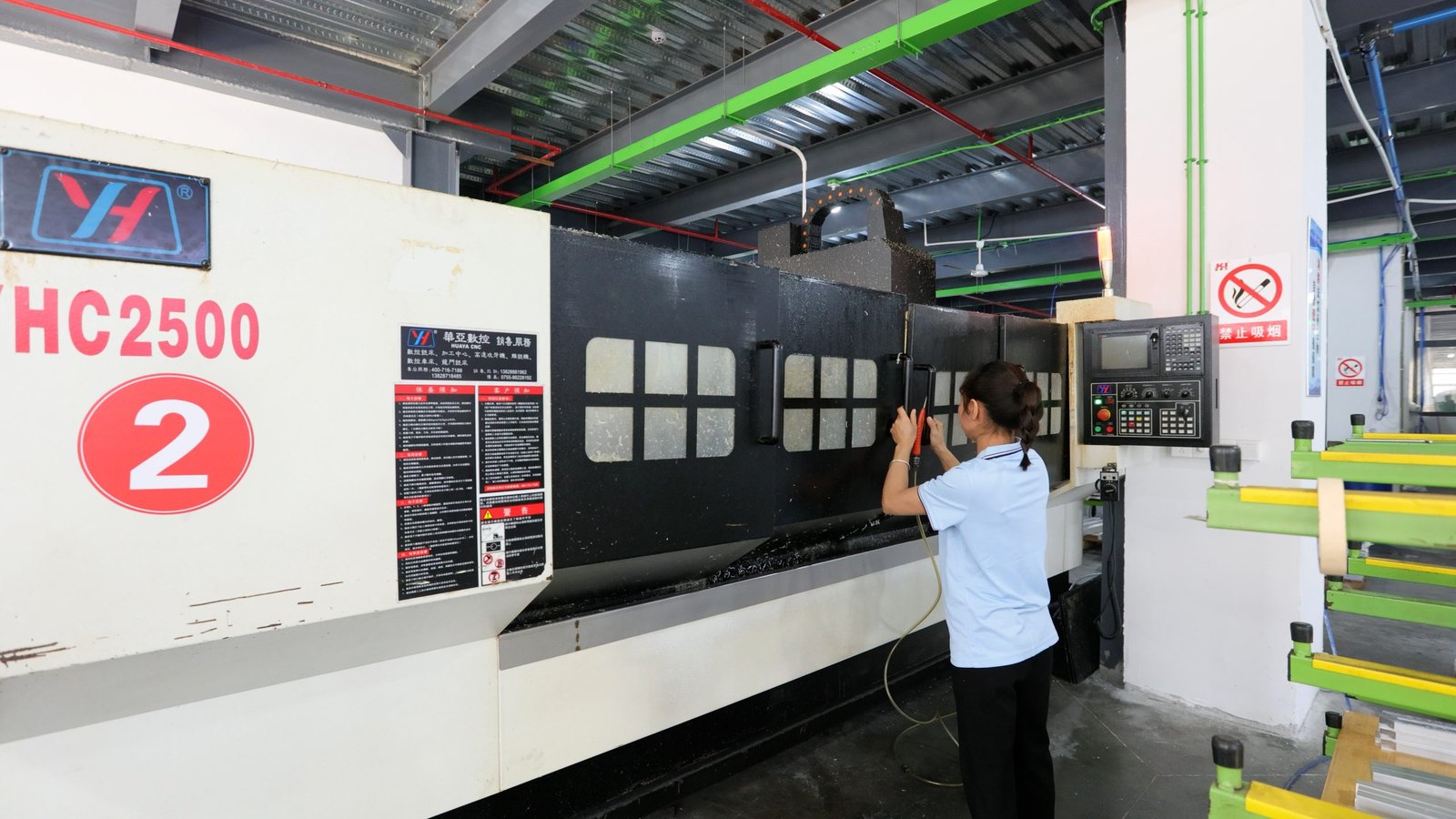
The Sample-to-Production Gap
Here's the mistake I see Saudi buyers make repeatedly: they judge supplier capability based on sample quality, then express shock when the production batch arrives with visible inconsistencies. The gap isn't that the supplier "bait-and-switched" intentionally (though that happens too)—it's that producing one perfect sample and producing 500 identical pieces require completely different operational systems6.
When you approve a sample, you're verifying that the supplier can hit your specifications under controlled conditions. When you receive a production batch, you're experiencing their quality control systems under normal manufacturing pressure—multiple orders running simultaneously, different operators, material variations, and time constraints. The supplier who carefully hand-selected your sample pieces might assign your production order to a less experienced team, or they might source handle blanks from a different material batch, or they might rush the finishing process to meet their quoted lead time.
What Batch Consistency Protocols Should Look Like
I require my production team to log specific parameters for every manufacturing run:
- Material batch codes (so we can trace any quality issue back to the aluminum extrusion source)
- Anodizing bath chemistry readings (proving the color-treatment process stayed within specification)
- Surface finish measurements (gloss levels, texture consistency, coating thickness)
- Operator signatures (creating accountability for each production stage)
- Sample retention (we keep reference pieces from every batch for 12 months)
This documentation doesn't just help me catch problems—it helps Saudi buyers verify my capability before they commit to a large order. When a procurement director asks "How do you ensure batch consistency?" I don't send them a generic quality policy document. I send them actual production logs from recent orders similar to their specifications, showing the parameter tracking and QC checkpoints that prevented color drift or finish variations.
The Verification Questions Saudi Buyers Should Ask
Before approving a production order, ask your supplier:
-
"Can you show me production logs from a recent batch similar to my specifications?" — Reliable suppliers will provide anonymized documentation showing their QC tracking. Unreliable suppliers will deflect with "We follow strict quality standards" without evidence.
-
"What happens if I receive pieces with visible finish inconsistencies?" — You want a supplier who responds with their replacement protocol and turnaround time, not one who argues about "acceptable tolerance ranges."
-
"How do you handle mid-production specification changes?" — Cabinet projects shift constantly (client changes color preference, architect adjusts handle placement, contractor discovers installation conflicts)7. Suppliers with rigid production systems can't pivot without restarting the entire order. Suppliers with flexible batch management can accommodate changes within specific windows.
-
"Can I speak with a previous client who ordered similar quantities and specifications?" — This request separates suppliers with real project history from ones quoting capabilities they haven't actually delivered. If a supplier hesitates or offers only glowing references, that's evidence of selection rather than transparency.
Why "Sample Approval" Isn't Enough
I've had Saudi buyers tell me "Your sample looks identical to the competitor's sample, but your price is 15% higher—why should we choose you?" Fair question. My answer: "Because you're not buying a sample. You're buying 500 pieces that need to match, delivered on a timeline that aligns with your cabinet installation schedule, backed by a supplier who can handle urgent reorders when your client expands the project scope."
The sample tells you the supplier can hit your specification once. The batch consistency protocol tells you they can hit it reliably under production pressure. The difference shows up three weeks into your project when you need 200 more handles immediately and the low-price competitor can't deliver matching pieces because they've already moved to a different material batch.
What Supply Chain Evidence Should You Verify Beyond Product Quality?
Last year, a Riyadh cabinet factory contacted me in crisis mode: their current supplier promised 1,000 handles within 10 days, then pushed the delivery to three weeks when another client's order took priority8. The Saudi manufacturer had already committed installation dates to their client and now faced penalty clauses. They asked me, "How do we prevent this from happening again?"
Saudi buyers should verify supplier emergency response records and order prioritization mechanisms before signing contracts. Ask specific questions: "Show me an example of when a client needed to change specifications mid-production—how did you handle it?" or "What's your protocol when competing orders have overlapping deadlines?" Suppliers who respond with generic reassurances instead of documented examples are revealing their crisis management gaps.
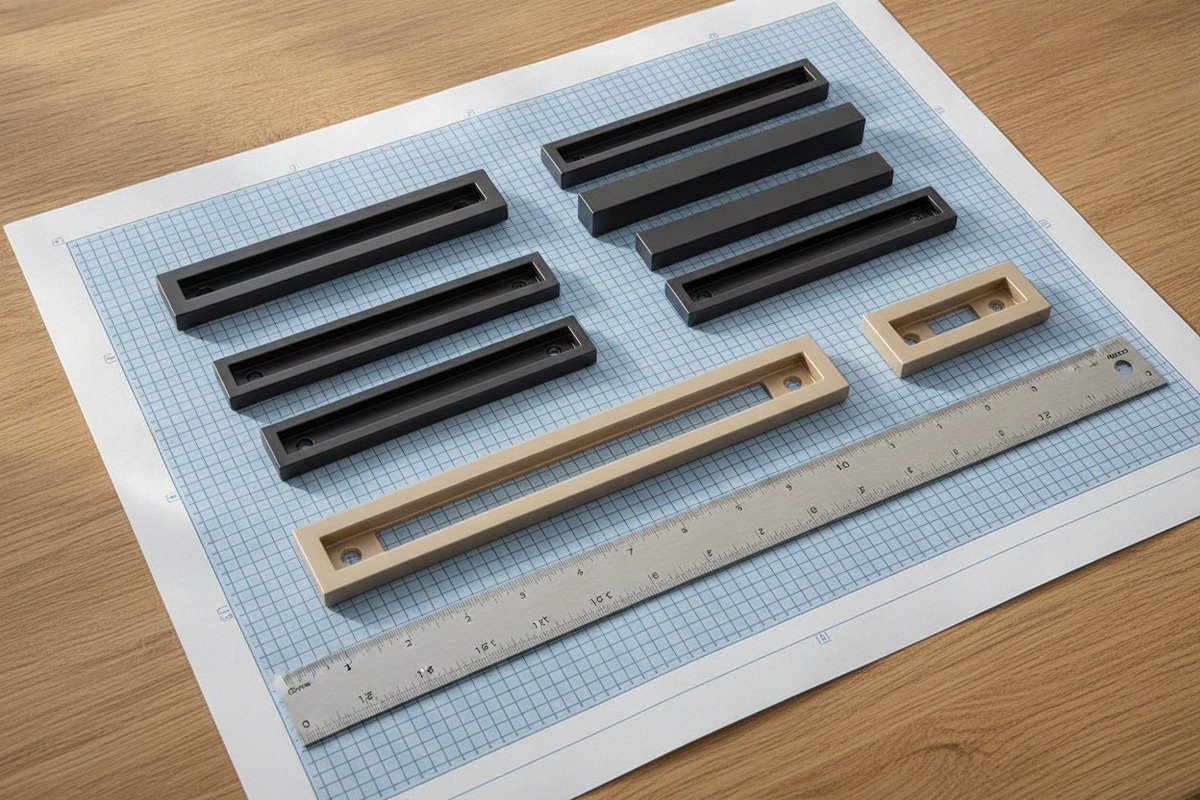
The Delivery Promise Verification Method
When suppliers quote lead times, they're making assumptions: their current production schedule won't shift, material shipments will arrive on time, no quality issues will trigger rework, and your order won't compete with higher-priority clients. Any of these assumptions breaking creates delivery delays—but only some suppliers have systems to absorb disruptions without passing the consequences to you.
Here's how I teach Saudi buyers to test delivery reliability:
Ask the supplier: "Walk me through your last three projects where the client changed specifications after production started. What was the impact on delivery timeline, and how did you communicate with the client?"
Reliable suppliers will describe specific situations:
- The specification change (client switched from brushed to polished finish)
- The operational impact (required stopping current batch, re-sourcing material, adjusting production sequence)
- The communication timeline (notified client within 4 hours, provided updated delivery estimate, offered expedited shipping options)
- The outcome (delivered 5 days later than original promise, absorbed partial shipping cost due to production inefficiency)
Unreliable suppliers will deflect with "We always meet our commitments" or "That doesn't happen to us." This response isn't necessarily dishonest—it might mean they're inexperienced with complex projects—but it signals they don't have rehearsed protocols for managing disruptions. When (not if) your cabinet project hits a specification change, you'll be dealing with a supplier improvising their crisis response.
Order Prioritization Transparency
I maintain a visible production schedule that shows all active orders, their priority levels, and projected completion dates. When a Saudi buyer asks about lead times, I don't just quote a number—I show them where their order would slot into current production capacity. This transparency sometimes costs me business (buyers see we're at 85% capacity and worry about delays), but it prevents the scenario where I promise 7 days and deliver in 14 because another client's urgent order took precedence.
Here's the verification question Saudi buyers should ask every supplier: "If I place this order today, what's currently in your production queue, and how do you prioritize competing orders with similar deadlines?"
Suppliers who refuse to share production visibility are either:
- Protecting proprietary information (understandable for some manufacturers, but a red flag for suppliers claiming to prioritize your project)
- Operating without formal scheduling systems (meaning they're juggling orders reactively rather than managing capacity strategically)
- Hiding the fact that they're overcommitted and your "urgent" order will wait behind higher-value clients
The Emergency Response Documentation Test
Three months ago, a Saudi cabinet client called me at 9 PM their time (we're in China) saying their architect had just revised handle specifications and they needed to confirm whether we could still deliver within the installation deadline. This wasn't a hypothetical scenario—it was Tuesday night, production was scheduled to start Thursday, and they needed an answer before their morning meeting with the general contractor.
I pulled our production manager into a video call, reviewed the specification changes against current material inventory, identified which SKUs we could substitute without affecting appearance or functionality, and sent updated documentation within 90 minutes. The project stayed on schedule because we had protocols for:
- After-hours emergency contacts (not "email us and we'll respond within 24 hours")
- Real-time inventory access (so I could verify material availability immediately)
- Cross-functional authority (production manager could approve substitutions without waiting for senior management)
- Documentation templates (we didn't spend an hour formatting updated spec sheets)
When you're evaluating suppliers, ask: "Describe your process for handling urgent mid-project changes outside business hours. Who do I contact, what's the expected response time, and can you show me documentation from a previous emergency response?"
Suppliers who deflect with "Just call us anytime" without demonstrating documented emergency protocols are making promises they can't audit. You need to see evidence that they've actually coordinated urgent changes before, not just assurances that they theoretically could.
How Do You Match Hardware Selection to Your Cabinet Positioning Strategy?
A Jeddah-based cabinet manufacturer once sent me specifications for 15 different handle styles across three project types—luxury residential, mid-range commercial, and budget hospitality. When I reviewed their selection logic, I noticed they were over-complicating their SKU count and creating inventory risk. They had chosen handles based on aesthetic preference rather than matching the hardware selection to their cabinet positioning and target market expectations.
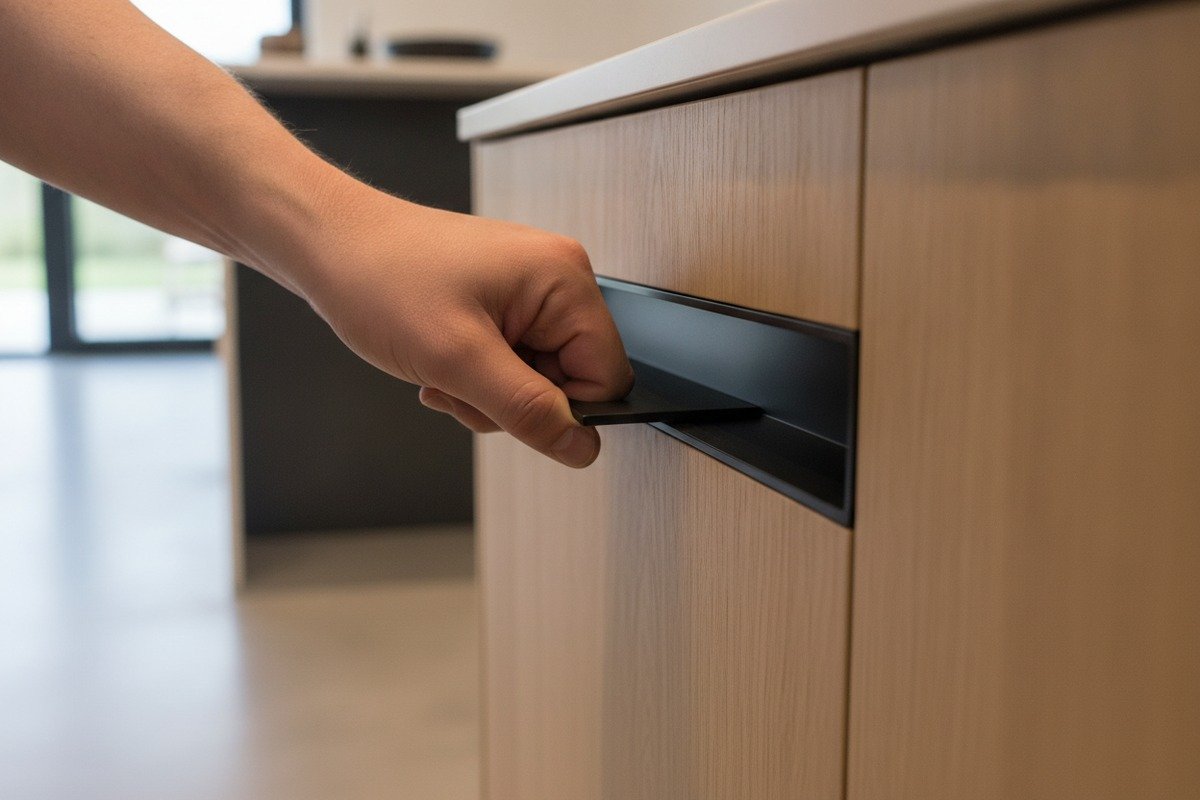
Saudi cabinet manufacturers should align hardware selection with their business model: luxury residential projects require handles that signal quality through material weight, finish complexity, and distinctive design9 (justifying premium pricing); mid-range commercial projects need handles that balance appearance with durability and replacement cost; budget hospitality projects prioritize uniform availability and fast reorder cycles. The supplier's value isn't offering 500 handle styles—it's helping you narrow to the 8-12 SKUs that reduce inventory risk while meeting your clients' expectations.
The Selection Consulting Moment
Here's what I've learned from working with Saudi cabinet buyers: they don't need more options—they need risk-reduction logic for their specific market positioning. When a procurement director sends me photos of 20 handle styles they're considering, my response isn't "We can supply all of them." It's "Which cabinet segments are you targeting, and what do your clients expect when they see mid-range versus luxury finishes?"
This question often surprises buyers because it shifts the conversation from transactional ordering to strategic planning. But it's the most important supplier capability I can offer: I've guided 30+ Middle East cabinet projects through hardware selection, so I've seen which handle choices:
- Over-deliver on perceived quality without increasing cost proportionally (luxury residential)
- Fail durability expectations in high-traffic commercial applications (office buildings, retail)
- Create reorder challenges when clients expand projects (hospitality chains needing 500 more pieces two years later)
Matching Hardware to Cabinet Positioning
I help Saudi buyers structure their handle selection around three positioning tiers:
| Project Type | Handle Selection Priority | Typical Features | Inventory Strategy |
|---|---|---|---|
| Luxury Residential | Perceived quality signals | Solid brass construction, complex finishes (brushed gold, antique bronze), |
"Luxury Furniture Market in Middle East Growth Analysis", https://www.technavio.com/report/luxury-furniture-market-in-middle-east-industry-analysis. Industry analysis of Middle East construction and furniture manufacturing indicates substantial reliance on imported hardware and components, with procurement patterns shaped by regional construction boom cycles, quality expectations for commercial and residential projects, and supply chain considerations including lead times from Asian manufacturing centers. Evidence role: general_support; source type: research. Supports: Market research on Middle East furniture manufacturing and building materials sectors. Scope note: General market context rather than verification of procurement challenge specifics ↩
"Furniture Quality Control in Mass Production: A Buyer's Guide", https://www.radiantfurn.com/blogs/news/furniture-quality-control-mass-production-guide?srsltid=AfmBOopaMAZfJgOAeZrxxLt7p3Ey-sdCqb0kR2QOeu0JrNmXsTdf2LwF. Studies of surface finishing quality control in manufacturing demonstrate that color consistency across production batches requires documented process controls, with variations commonly occurring when anodizing bath chemistry or coating thickness parameters shift between production runs. Evidence role: general_support; source type: research. Supports: Research on manufacturing quality control systems documents typical batch consistency challenges in metal finishing processes. Scope note: Evidence addresses general manufacturing consistency principles rather than this specific incident rate ↩
"Exploring Consumers Risk Mitigation Strategies in E- ...", https://scholarspace.manoa.hawaii.edu/bitstreams/1d1b35ad-b324-471f-9021-90eaff57c7ac/download. Studies of organizational buying behavior indicate that buyers who have experienced supplier performance failures often adopt more conservative evaluation approaches, emphasizing easily quantifiable criteria (price, lead time, specifications) as screening mechanisms, though research suggests these objective parameters may provide limited predictive validity for actual supplier reliability. Evidence role: general_support; source type: research. Supports: Research on procurement behavior and risk-mitigation strategies following supplier failures. Scope note: General procurement psychology rather than specific validation of this behavioral pattern ↩
"Sharing Information to Boost the Bottom Line", https://www.gsb.stanford.edu/insights/sharing-information-boost-bottom-line. Studies of supply chain transparency practices indicate that many suppliers, particularly smaller manufacturers, lack information systems enabling real-time inventory visibility and detailed SKU-level documentation, with operational transparency varying significantly based on supplier size and system sophistication. Evidence role: general_support; source type: research. Supports: Research on supply chain transparency and information-sharing capabilities in supplier relationships. Scope note: General supply chain transparency research rather than verification of this specific percentage ↩
"How Furniture Stores Can Optimize Inventory Management", https://www.agiliron.com/blog/how-furniture-stores-can-optimize-inventory-management/. Research on inventory positioning strategies in manufacturing supply chains indicates that maintaining ready stock reduces lead time variability and enables rapid order fulfillment, with inventory levels typically calibrated to demand patterns and production cycle times. Evidence role: general_support; source type: research. Supports: Supply chain management research on inventory positioning in B2B manufacturing contexts. Scope note: General inventory management principles rather than specific benchmarks for furniture hardware industry ↩
"Prototype Parts vs Production Parts: Understanding Key Differences and ...", https://valuetransform.com/prototype-parts-vs-production-parts-understanding-key-differences-and-the-path-to-production/. Manufacturing process research documents that prototype or sample production typically involves closer supervision, hand-selection of materials, and individual piece inspection, while volume production requires standardized process controls, operator training systems, and statistical quality methods to maintain consistency across large batches. Evidence role: mechanism; source type: research. Supports: Manufacturing engineering research on quality control system differences between prototype and production phases. ↩
"Monthly Construction Spending, June 2026 - Census Bureau", https://www.census.gov/construction/c30/current/index.html. Research on construction project management documents that specification changes occur frequently during project execution, driven by client preference adjustments, design-construction interface issues, and field condition discoveries, with change orders affecting material selections, finishes, and installation details across project phases. Evidence role: general_support; source type: research. Supports: Construction management research on change order frequency and types in building projects. ↩
"Modeling Bounded Rationality in Capacity Allocation ...", https://repository.upenn.edu/bitstreams/48356a2b-baef-4b5a-8707-2a3c83d9c3f9/download. Research on manufacturing capacity management indicates that suppliers facing competing demands commonly prioritize orders based on factors including customer relationship value, order size, penalty clauses, and strategic importance, with prioritization decisions sometimes resulting in delivery delays for lower-priority customers when capacity constraints emerge. Evidence role: general_support; source type: research. Supports: Operations management research on order prioritization and capacity allocation in manufacturing. ↩
"Consumers' Implicit Motivation Of Purchasing Luxury Brands", https://pmc.ncbi.nlm.nih.gov/articles/PMC6768311/. Research on consumer quality perception indicates that tactile characteristics including material weight and surface finish complexity serve as quality cues in product evaluation, with these tangible attributes particularly influential in luxury market segments where customers use physical product features to validate premium positioning and pricing. Evidence role: general_support; source type: research. Supports: Consumer behavior research on quality perception and luxury product attributes. Scope note: General consumer perception research rather than furniture hardware-specific studies ↩