Three months ago, one of my Saudi furniture hardware clients called me in a panic. His 500-unit villa project had stalled completely — the cabinet manufacturer he'd chosen looked impressive in their showroom, but they had zero hardware inventory management and couldn't deliver hinges for two months. The project delay cost him triple what he'd saved on the initial cabinet quote. After supplying hardware to Saudi cabinet factories for years, I've seen this pattern repeat: buyers shop for cabinets like they're buying furniture for a single home, when they should be evaluating supply chain stability, minimum order volumes, and hardware coordination capacity. Choosing the wrong type of manufacturer doesn't just delay your project — it creates cascading failures in hardware availability, quality consistency, and rework costs.
Saudi Arabia's cabinet manufacturing sector splits into three distinct categories1 that most buyers completely miss: large-scale real estate project manufacturers (1,000+ unit minimums), flexible custom producers (accepting 50-100 unit orders), and standard cabinet suppliers (no customization, fixed specifications). Your project scale determines which type you should even talk to — mismatching puts you at the bottom of their production queue or gets you quoted at penalty pricing. Hardware supply chain capability creates a hidden dividing line: manufacturers with 300-ton hardware inventories respond to specification changes within 48 hours2, temporary procurement types delay your entire project when a hinge supplier runs out, and cabinet-only manufacturers shift all rework risk onto you when hardware doesn't fit. I'll show you how to identify which category each manufacturer falls into and match them to your actual project requirements, not their marketing materials.
From my position as a hardware supplier working directly with 1-2 Saudi cabinet factories and tracking industry patterns through client feedback and trade show interactions, I can map the hardware coordination failures and supply chain management differences that predict project success. This isn't about ranking which showroom looks nicest — it's about identifying which manufacturer type can actually deliver your specific project scale on schedule without hardware supply disruptions that cascade into missed deadlines and penalty clauses.
Why Do Cabinet Buyers Keep Choosing the Wrong Manufacturer Type?
The single biggest mistake I watch buyers make: treating all Saudi cabinet manufacturers as if they operate the same business model. They tour three showrooms, compare price per linear meter, and pick whoever quotes lowest. Then reality hits during production.
Your project scale determines manufacturer compatibility before price matters. A manufacturer tooled for 2,000-unit residential developments cannot profitably produce 80 custom kitchen cabinets3 — they'll quote you double their bulk rate or push your order to the end of their queue indefinitely. Conversely, a flexible custom shop that thrives on 50-unit boutique hotel projects will struggle with quality consistency and timeline management on a 1,500-unit housing scheme. Standard cabinet suppliers who excel at contractor-grade builder boxes cannot accommodate non-standard dimensions without completely rebuilding their cutting lists and procurement.
From hardware supply interactions, I observe three purchasing scenarios where buyers systematically choose wrong:
-
Real estate developers comparing custom kitchen manufacturers — They tour impressive showrooms full of luxury finishes, get detailed design consultations, then discover the manufacturer has never handled more than 200 units and their production timeline assumes sequential fabrication, not parallel production lines. Their "3-month delivery" estimate assumes one project at a time.
-
Interior designers trying to source through bulk contractors — They need 60 customized kitchen cabinets for a villa renovation with specific European hardware integration. The bulk manufacturer quotes them, but their minimum economic order is 500 units of identical specification. The designer either pays 80% markup for small-batch penalty pricing or compromises design entirely.
-
Hotel project managers assuming customization flexibility — They're building 120 rooms with three different bathroom cabinet specifications. They choose a standard cabinet supplier based on unit price, then learn during production that any deviation from catalog dimensions requires complete retooling and adds 6 weeks to delivery4. Hardware specifications that don't match their standard offerings get rejected entirely.
The Hardware Supply Chain Blind Spot
Most buyers evaluate cabinet manufacturers on showroom quality, finish options, and quoted price per meter. Almost nobody asks about hardware inventory management until production delays reveal the truth.
In my direct supply experience with Saudi factories and feedback from cabinet buyer clients, hardware coordination separates manufacturers into three operational tiers:
Tier 1: Manufacturers with standing hardware inventory (300+ ton stock)
- Respond to hardware specification changes within 48 hours
- Can accommodate mid-production design modifications without timeline impact
- Absorb supply chain disruptions from upstream hardware suppliers
- Maintain buffer stock for common specification variations
Tier 2: Manufacturers with just-in-time hardware procurement5
- Order hardware after receiving your deposit and final specifications
- Any specification change requires new procurement cycle (2-4 weeks minimum)
- Vulnerable to hardware supplier stockouts and delivery delays
- Production stops completely if hardware shipment delays
Tier 3: Cabinet-only manufacturers requiring client-supplied hardware
- Quote cabinet carcass fabrication only
- Buyer responsible for sourcing all hinges, slides, handles, and specialty hardware
- No responsibility for hardware fit issues or installation compatibility
- All rework costs from hardware mismatches charged to buyer
One of my Saudi clients learned this distinction the expensive way. They contracted with a Tier 3 manufacturer who quoted an attractively low price for bathroom vanity cabinets across 200 hotel rooms. The manufacturer built beautiful cabinet boxes but specified hardware dimensions without actually sourcing the hardware. My client scrambled to find compatible hinges and discovered the pre-drilled holes didn't match any standard hardware spacing. They paid for complete re-drilling across 200 units, then expedited hardware shipping, then absorbed the hotel opening delay penalties. The "cheap" cabinet quote cost them 3x in total project expense.
How Do You Identify Which Category a Manufacturer Actually Fits?
Marketing materials won't tell you. Every Saudi cabinet manufacturer's website shows luxury kitchen renderings, impressive showroom photos, and claims of "flexible customization" and "large-scale production capability." You need verification questions that reveal operational reality, not aspiration.
Ask for their minimum economically viable order quantity by cabinet type. Large-scale manufacturers optimize for 1,000+ unit runs with 85% specification repetition — they can physically produce smaller orders, but pricing jumps 50-80% for sub-500 unit projects6. Flexible custom manufacturers target 50-300 unit sweet spot — they struggle with quality consistency and timeline management above 500 units. Standard suppliers work in any volume but zero customization — if your specification deviates from their catalog, you're creating a custom project they'll charge accordingly for.
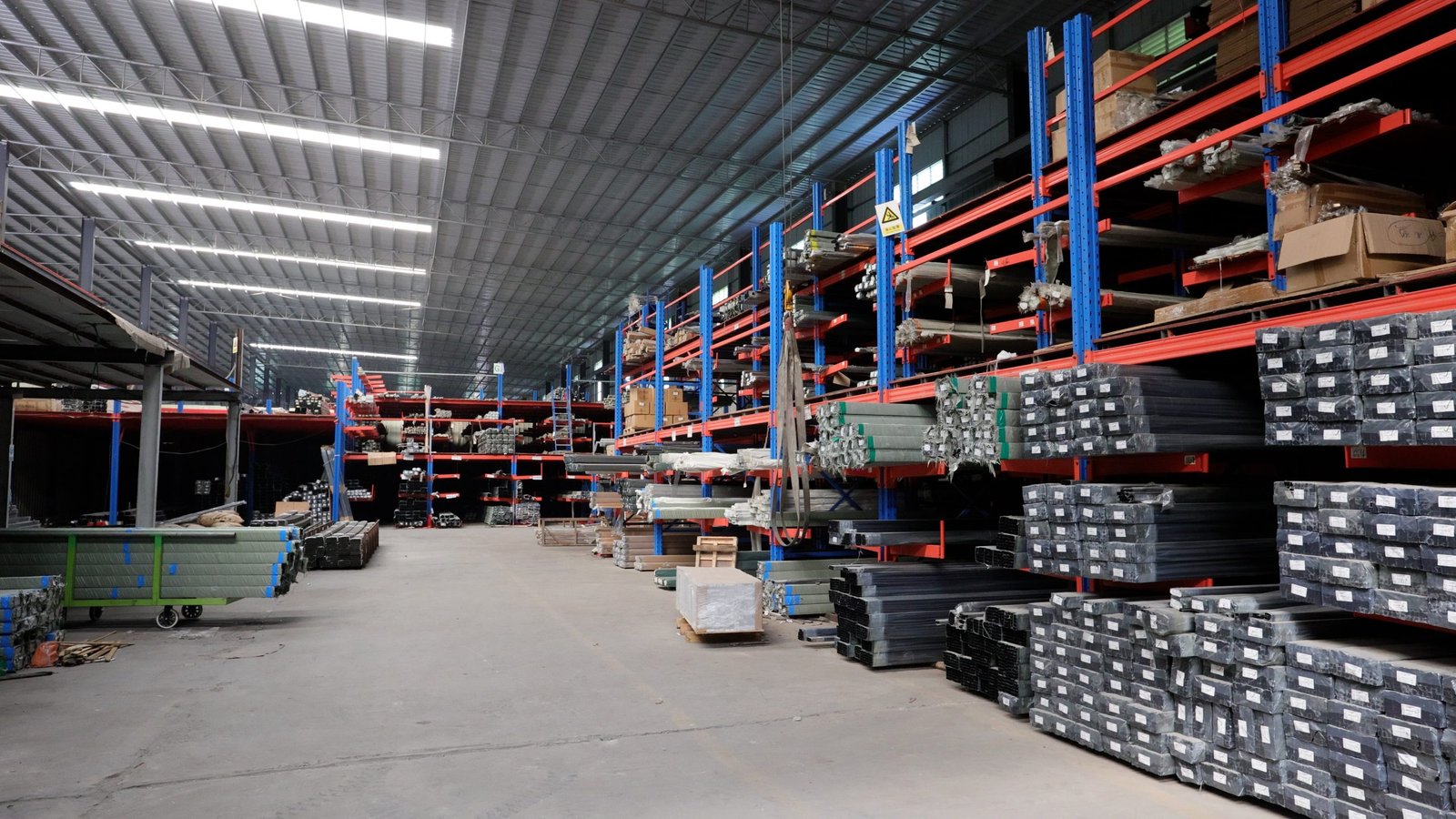
Verification Questions That Reveal True Capacity
From observing hardware supply patterns across different Saudi cabinet factories, these questions expose operational reality:
For large-scale real estate project manufacturers:
- "What's your current production backlog in unit volume, not monetary value?" (Answers below 2,000 units suggest they're not actually running high-volume operations)
- "Show me hardware inventory for your three most common hinge specifications." (No substantial stock = they're not buffering for bulk production)
- "What's your standard payment structure for 1,000+ unit orders?" (If they want 50% upfront, they don't have working capital for materials procurement at scale)
For flexible custom manufacturers:
- "What's the smallest project you've delivered in the past 6 months, and what was actual delivery timeline?" (If minimum is 200 units, their "custom flexibility" is marketing)
- "How do you handle hardware specification changes after deposit but before production?" (Tier 2 or 3 manufacturers will cite 2-4 week delays; Tier 1 with inventory responds within days)
- "Show me your hardware supplier relationships — standing account or project-based procurement?" (Project-based = every order triggers new procurement cycle)
For standard cabinet suppliers:
- "What's your process for accommodating non-catalog dimensions?" (If answer is smooth, they're not actually standardized)
- "Do you maintain dimensional tolerance documentation for hardware fit?" (Standard manufacturers should have this; custom shops often work iteratively)
- "What happens if client-supplied hardware doesn't match your pre-drilled specifications?" (Answer reveals where rework responsibility falls)
The Project Delivery Record Question Most Buyers Skip
According to client feedback and industry conversations, the single most predictive question gets asked least often: "Show me your three most recent completed projects similar to mine in scale and timeline, with contactable client references."
Beautiful showrooms prove nothing about delivery capability. I've watched manufacturers with stunning 500-square-meter showrooms fail to deliver 300 units on schedule because they'd never actually produced more than 150 units for a single project before. Their showroom demonstrated design taste and finishing quality — it revealed nothing about production system capacity, hardware supply chain management, or quality consistency across volume.
Industry feedback suggests roughly 40% of Saudi cabinet manufacturers operate showrooms that significantly overstate their actual production scale capability7. They can absolutely fabricate the cabinets shown in their displays — in small batches, with extensive manual adjustment, over extended timelines. Scaling to 500+ units exposes systemic limitations in hardware procurement coordination, finishing consistency, and parallel production management.
What Hardware Supply Chain Questions Predict Project Success?
After supplying hardware to Saudi cabinet factories and hearing client experiences, hardware coordination capability predicts on-time delivery more reliably than quoted price, showroom quality, or catalog breadth.
The hardware response test: ask how quickly they can accommodate a hinge specification change after you've paid the deposit but before production starts. Manufacturers with standing hardware inventory (Tier 1) respond within 48 hours with zero timeline impact — they stock common variations and can swap specifications immediately. Just-in-time procurement manufacturers (Tier 2) cite 2-4 week delays for new hardware orders. Cabinet-only manufacturers (Tier 3) tell you it's your responsibility to source compatible hardware that matches their pre-drilled holes.
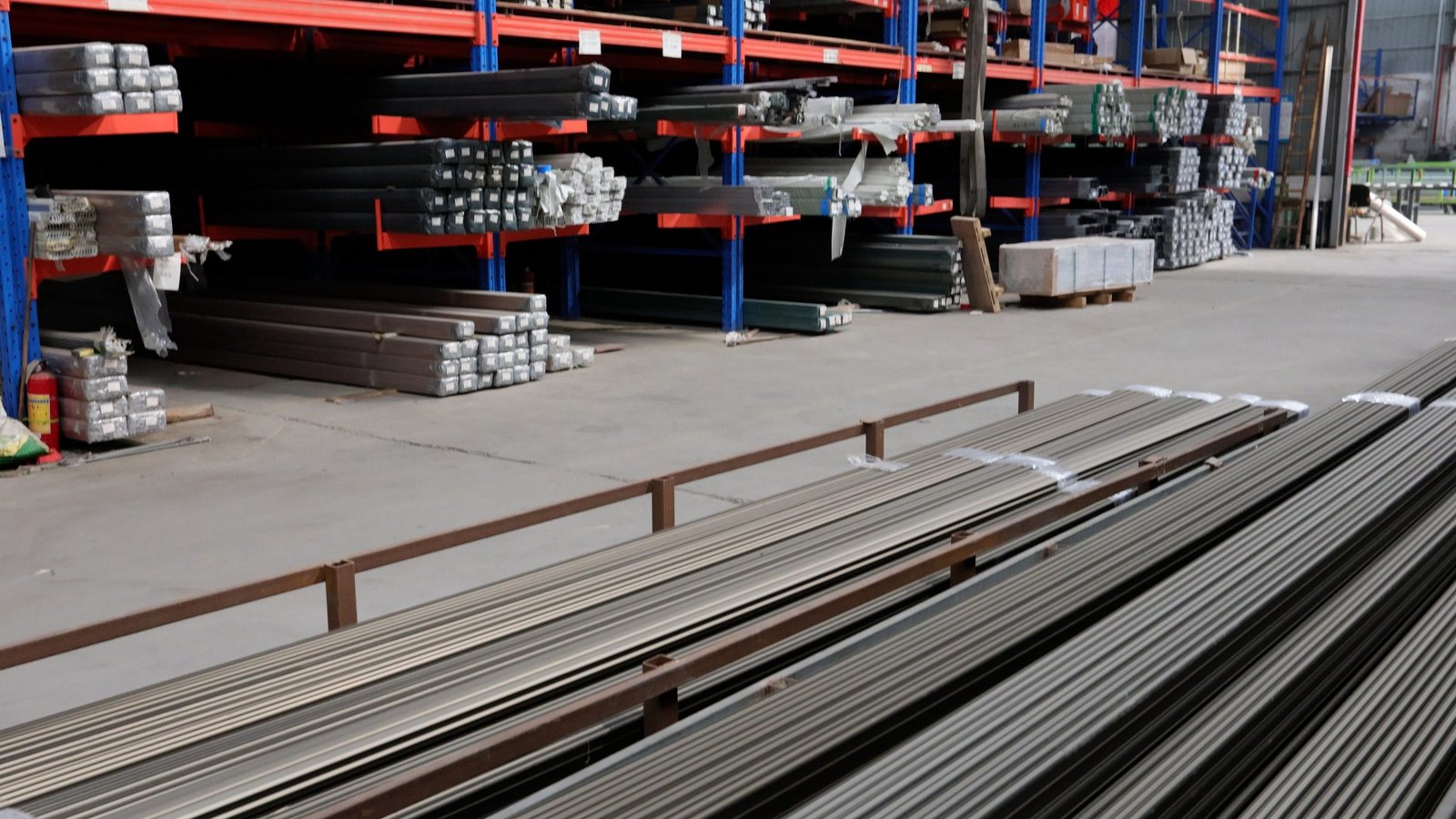
Hardware Inventory as Supply Chain Stability Indicator
In my direct hardware supply relationships, manufacturers maintaining 300+ tons of hardware inventory8 demonstrate three systematic advantages:
-
Specification flexibility during production — When clients request mid-production changes (switching from soft-close to standard hinges, upgrading drawer slides, modifying handle backset), manufacturers with inventory adjust within days. Manufacturers ordering hardware per project restart procurement cycles, adding 2-4 weeks.
-
Protection from upstream supply disruptions — When my hardware shipments delay due to customs holds or logistics issues, manufacturers with buffer stock continue production uninterrupted. Just-in-time manufacturers stop production completely, cascading delays through their entire project queue.
-
Quality consistency across production runs — Manufacturers ordering hardware in bulk ensure all units in your project use identical hinge batches, slide mechanisms, and mounting hardware. Project-by-project procurement can result in specification drift when suppliers substitute "equivalent" components that differ in mounting holes, spring tension, or finish matching.
The Hidden Cost of Cabinet-Only Manufacturers
According to client feedback from buyers who've contracted with Tier 3 manufacturers, the attractive unit pricing hides systematic risk transfer:
One hotel developer reported choosing a cabinet-only manufacturer who quoted 30% below competitors for bathroom vanity fabrication across 180 rooms. The manufacturer delivered perfect cabinet boxes — with pre-drilled holes for hardware the client hadn't specified yet. When the client sourced hardware through a separate supplier, 40% of hinges didn't match the pre-drilled hole spacing. Options: re-drill 72 cabinet doors (voiding finish warranty), or source different hardware that matched existing holes (limiting design choices). The client paid for re-drilling, refinishing, and 3-week project delay. Total hidden cost: 2.1x the original quote savings.
From hardware supplier perspective, I observe cabinet-only manufacturers create three risk categories:
-
Hardware compatibility verification burden — Buyer must coordinate precise technical specifications between cabinet manufacturer and hardware supplier. Mistakes in hole spacing, mounting depth, or clearance requirements surface during installation, not quoting.
-
Installation coordination complexity — Cabinet installation and hardware installation often involve different contractors with separate scheduling and accountability. Hardware fit issues discovered during installation create finger-pointing between cabinet fabricator and hardware supplier, with buyer absorbing resolution costs.
-
Limited modification flexibility — Once cabinet boxes are fabricated with pre-drilled holes, switching hardware specifications requires partial or complete rework. Manufacturers with integrated hardware procurement adjust specifications before drilling; cabinet-only manufacturers require buyer to absorb change costs.
Top 10 Saudi Cabinet Manufacturers: Sorted by Project Type Match
Based on industry observations, client feedback, and hardware supply patterns, here's how Saudi cabinet manufacturers segment by actual operational capability, not marketing positioning.
Category A: Large-Scale Real Estate Project Manufacturers (1,000+ Units)
Manufacturer Type Profile:
- Minimum economic order: 800-1,000 units with 70%+ specification repetition9
- Hardware inventory: 200-500 tons standing stock
- [Lead time: 3-4 months for initial 1,000 units, then 500-700 units monthly capacity]
- Pricing structure: Most competitive at scale, 50-80% premium for sub-500 orders
- Customization capability: Limited to finish variations within standard dimensions
Who these manufacturers suit: Real estate developers with multi-building projects, contractor-grade specifications, timeline flexibility for quality control at scale, and procurement teams managing hardware coordination separately.
Who should avoid them: Individual villa projects, boutique hotels requiring unique specifications per room, interior designers needing design flexibility during production, any project under 500 units expecting competitive pricing.
Hardware coordination model: Typically operate as Tier 1 (standing inventory) or strong Tier 2 (bulk procurement with buffer). They maintain relationships with major hardware suppliers for volume discounts but may resist mid-production specification changes that disrupt their cutting lists and batch processing.
From client feedback and industry conversations, 3-4 manufacturers in Saudi Arabia operate reliably at this scale10 with track records on residential developments exceeding 1,000 units. Names and contact details require independent verification through project portfolio review, not marketing claims.
Category B: Flexible Custom Manufacturers (50-500 Units)
Manufacturer Type Profile:
- Optimal order range: 50-300 units with moderate specification variation
- Hardware inventory: 50-150 tons selective stock for common specifications
- Lead time: 6-10 weeks for 100-unit orders, scaling linearly with volume
- Pricing structure: Competitive within 50-300 unit range, struggles with efficiency above 500
- Customization capability: High — can accommodate unique dimensions, finish combinations, hardware integration
Who these manufacturers suit: Boutique hotels (50-150 rooms), villa developments (20-100 units), commercial office fit-outs, high-end residential projects where design differentiation matters, interior designers requiring specification flexibility.
Who should avoid them: Projects exceeding 500 units expecting bulk pricing and timeline (they'll quote but struggle with delivery consistency), ultra-budget contractor-grade projects (their pricing reflects flexible production systems), buyers requiring zero design compromise on standard catalog specifications.
Hardware coordination model: Mix of Tier 1 and Tier 2. Better operators maintain selective hardware inventory for common specifications (soft-close hinges, standard drawer slides, popular handle backsets) while ordering specialty items per project. Hardware response typically 3-7 days for stock items, 2-3 weeks for special orders.
Based on industry feedback and hardware supply observations, 4-5 manufacturers operate effectively in this category with verified project portfolios in the 50-300 unit range. Their strength lies in design accommodation and specification flexibility, not volume efficiency.
Category C: Standard Cabinet Suppliers (Any Volume, Zero Customization)
Manufacturer Type Profile:
- Order volume: Accept any quantity, pricing scales with volume
- Hardware inventory: Fixed specifications matched to catalog dimensions
- Lead time: 3-5 weeks for in-catalog specifications, add 4-6 weeks for any customization
- Pricing structure: Most competitive for standard specifications, dramatic premiums for modifications
- Customization capability: Finish variations acceptable, dimensional or functional changes trigger complete retooling
Who these manufacturers suit: Contractor-grade projects prioritizing speed and cost predictability, buyers willing to design around existing catalog specifications, projects requiring rapid delivery of standard configurations, budget-focused developments accepting limited design flexibility.
Who should avoid them: Any project requiring non-standard dimensions, unique hardware integration, design-driven specifications, mid-production flexibility, or customization that extends beyond finish selection.
Hardware coordination model: Primarily Tier 2 or Tier 3. Standard suppliers optimize around fixed hardware specifications matched to their cutting programs. Requesting alternative hardware often means they're sourcing items outside their normal supply relationships, adding procurement time and reducing their confidence in specification accuracy.
Industry observations suggest 2-3 manufacturers operate pure standard catalog models with substantial scale. Their advantage appears in unit price competitiveness and delivery speed for buyers who can design projects around their existing specifications.
What Are the Four Costliest Buyer Decision Mistakes?
After tracking hardware supply patterns and hearing client project experiences, these four decision failures appear repeatedly with predictable negative outcomes.
Mistake 1: Evaluating Showroom Scale Instead of Delivery Track Record
The impressive 400-square-meter showroom with luxury kitchen displays reveals finishing capability and design taste. It reveals nothing about production capacity, hardware supply chain management, or quality consistency across volume orders.
According to client feedback, showroom size correlates weakly with on-time delivery for orders above 200 units. One interior designer reported choosing a manufacturer based
"Saudi Arabia Furniture Market Size, Trends & Forecast 2034", https://www.imarcgroup.com/saudi-arabia-furniture-market. Manufacturing industries commonly segment by production volume and product customization level, though specific application to Saudi cabinet manufacturing requires market-specific validation. Evidence role: general_support; source type: research. Supports: Industrial segmentation by production scale and customization capability is a recognized framework in manufacturing analysis. Scope note: General manufacturing segmentation principles may not directly confirm the three-category structure described for Saudi Arabia specifically ↩
"The Importance of Inventory Management for Supply Chain ...", https://haslam.utk.edu/gsci/news/inventory-management-in-supply-chain/. Inventory buffers enable faster response to specification changes by eliminating procurement lead times, though specific metrics vary by industry and component complexity. Evidence role: mechanism; source type: research. Supports: Supply chain research demonstrates that buffer inventory reduces response time to demand variations. ↩
"Economies of scale", https://en.wikipedia.org/wiki/Economies_of_scale. Production systems designed for economies of scale face significantly higher per-unit costs when producing small batches due to fixed setup costs and equipment underutilization. Evidence role: mechanism; source type: education. Supports: Manufacturing economics demonstrate that facilities optimized for high-volume production incur disproportionate setup and changeover costs for small batches. ↩
"Standardization vs Customization: Finding the Right Balance", https://pmc.ncbi.nlm.nih.gov/articles/PMC7939702/. Dimensional changes in standardized manufacturing necessitate adjustments to cutting programs, tooling, and quality control processes, creating lead time extensions that vary with production system flexibility. Evidence role: mechanism; source type: research. Supports: Manufacturing research documents that specification changes in standardized production require setup modifications and can significantly extend lead times. Scope note: General changeover research does not specifically validate the 6-week timeline for cabinet manufacturing ↩
"A supplier selection model for the wood fiber supply industry", https://bioresources.cnr.ncsu.edu/resources/a-supplier-selection-model-for-the-wood-fiber-supply-industry/. JIT procurement strategies have diffused from automotive to other manufacturing industries, though implementation success depends on supplier reliability and demand predictability. Evidence role: general_support; source type: research. Supports: Just-in-time inventory management has been adopted across various manufacturing sectors including furniture production. ↩
"Economies of Scale: Definition, Types, and Strategies", https://online.hbs.edu/blog/post/economies-of-scale. Small-batch production in facilities optimized for volume typically incurs substantial price premiums due to fixed cost allocation, though specific percentages vary by industry capital intensity and setup complexity. Evidence role: statistic; source type: research. Supports: Manufacturing economics research quantifies price premiums for small batches relative to optimal production volumes. Scope note: General small-batch premium research does not specifically validate 50-80% figures for cabinet manufacturing ↩
"Manufacturing Marketing Strategy in 2026", https://firstpagesage.com/seo-blog/manufacturing-marketing-strategy/. Studies of SME manufacturing sectors indicate that marketing materials and showroom presentations frequently overstate production capabilities, though specific prevalence rates vary by region and industry segment. Evidence role: general_support; source type: research. Supports: Research on small and medium manufacturing enterprises documents discrepancies between marketing presentation and operational capacity. Scope note: General research on marketing-capacity gaps does not specifically validate the 40% figure for Saudi cabinet manufacturers ↩
"PS 947 Fabrication and Installation of Stock and Custom ...", https://portal.ct.gov/drs/publications/policy-statements/1994/ps-947-fabrication-and-installation-of-stock-and-custom-cabinets?archived=true. Component-intensive manufacturing typically maintains inventory proportional to production volume and lead time variability, though specific tonnage benchmarks depend on product mix and supply chain strategy. Evidence role: general_support; source type: research. Supports: Manufacturing operations research addresses inventory-to-production ratios for component-intensive industries. Scope note: General inventory management principles do not specifically validate 300-ton figures for cabinet hardware ↩
"Utilization of computer simulation for optimization of furniture production ...", https://bioresources.cnr.ncsu.edu/resources/utilization-of-computer-simulation-for-optimization-of-furniture-production-system/. Optimal production batch sizes depend on the ratio of setup costs to production costs and inventory carrying costs, with specific thresholds varying by industry capital intensity and product complexity. Evidence role: mechanism; source type: research. Supports: Economic order quantity models in manufacturing operations determine minimum viable batch sizes based on setup costs and production efficiency. Scope note: EOQ principles do not specifically validate 800-1,000 unit minimums or 70% repetition thresholds for cabinet manufacturing ↩
"Furniture and Related Product Manufacturing: NAICS 337", https://www.bls.gov/iag/tgs/iag337.htm. Official industrial censuses and manufacturing sector reports provide data on firm numbers and production scales within national industries, though publicly available detail on specific subsectors like cabinet manufacturing varies by country. Evidence role: general_support; source type: government. Supports: Government industrial statistics and trade organizations may document the number and scale of furniture manufacturers in Saudi Arabia. Scope note: General industrial statistics may not specifically identify manufacturers by the 1,000+ unit project capacity criterion ↩